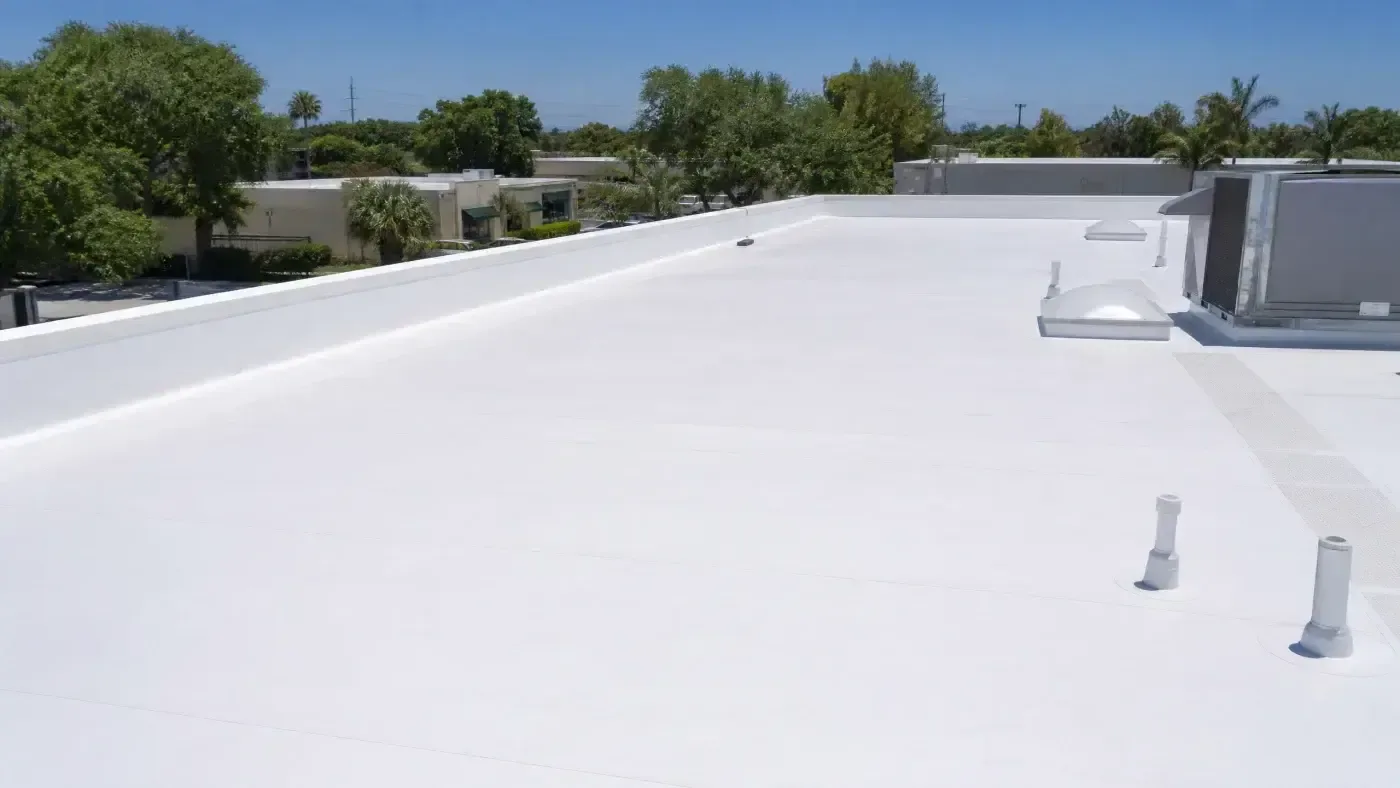
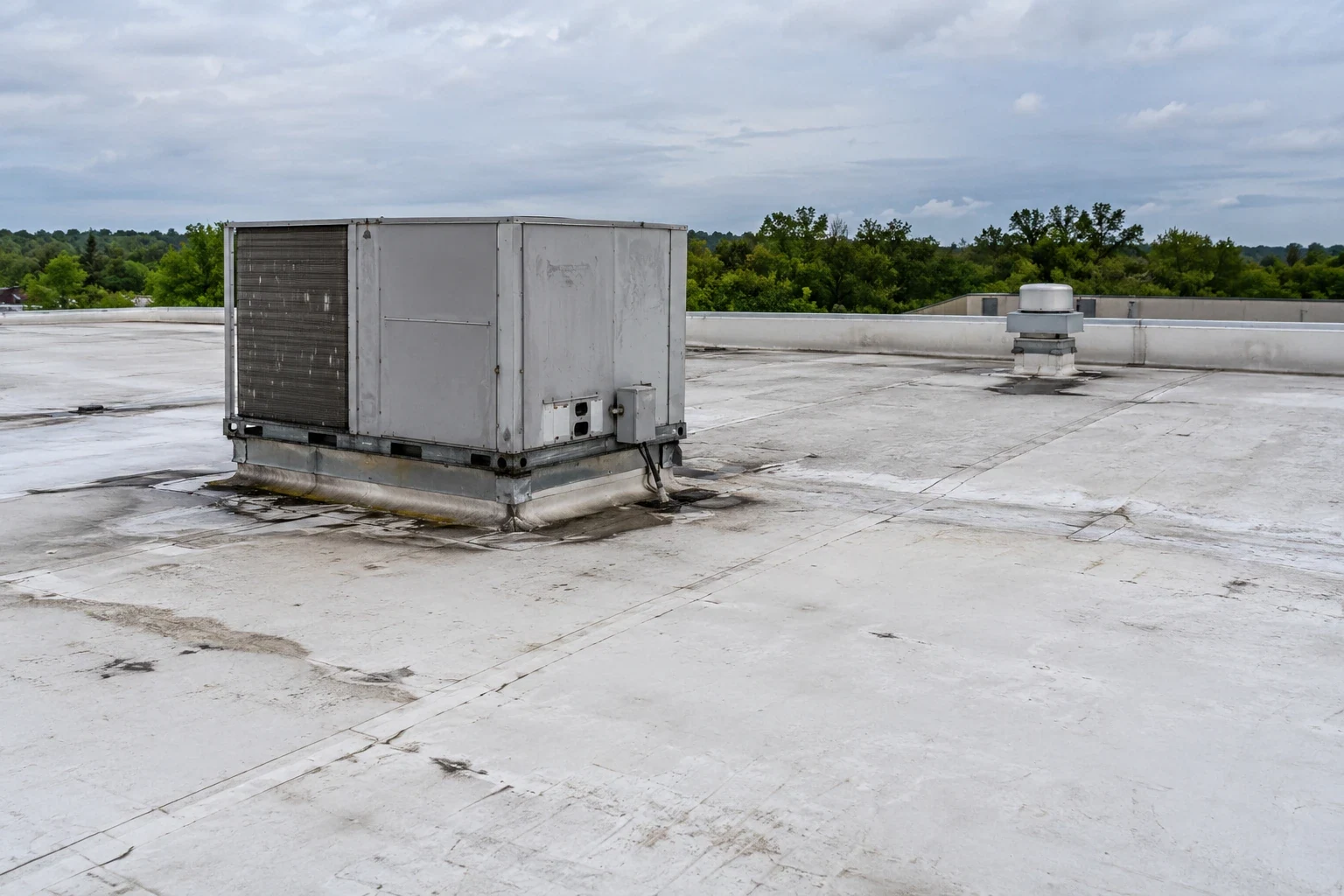
A TPO decision starts at the seam that keeps opening and the date the building needs a stable roof. In Frisco, TX, we inspect the membrane, welds, flashings, drains, and exposed edges before calling for a patch or a larger section. A thermoplastic roof can look serviceable while a curb or termination lets water into the assembly. We mark the water path, check nearby insulation, and separate temporary protection from permanent work. Frisco's North Platinum Corridor includes corporate and mixed-use properties, while the Rail District has a different commercial setting and reinvestment context. Neither tells us what membrane is on an individual building. A hands-on roof inspection gives the owner a roof-section map, photographs, and a repair boundary that can be reviewed against operating hours and the next budget date.
Start with the Weld and Water Path
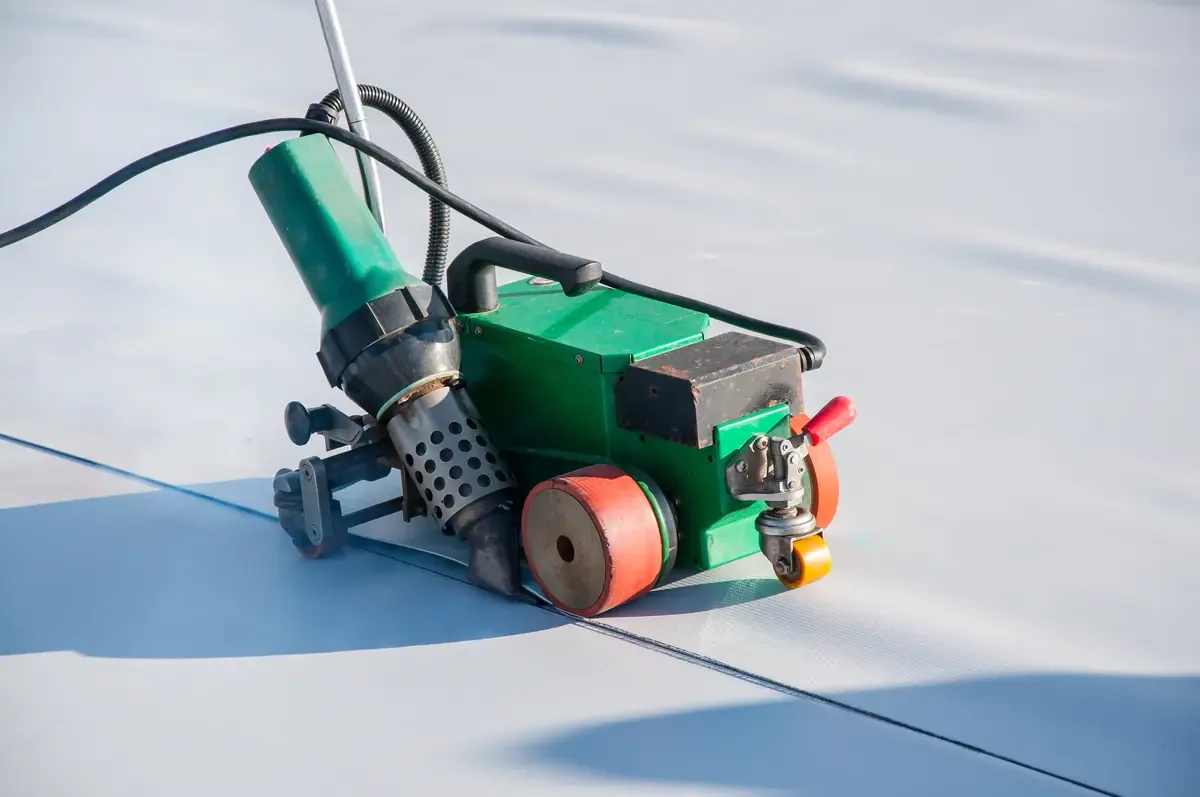
A TPO seam is made by heat welding adjacent sheets, so a repair begins with the condition of that bond rather than the size of the ceiling stain. We check for incomplete welds, contamination, wrinkles, shrinkage, and movement at changes in plane. Then we look outward to the curb, drain, wall, edge, or other transition that could direct water beneath the sheet. A probe can help locate an open seam, but the surrounding membrane still needs a visual review for brittleness, punctures, and prior patches. If water has reached insulation, we map the affected area and identify where a small opening or core would clarify the repair limit. The owner receives a clear distinction between what we observed and what remains concealed. For a puncture or split that stays within sound material, a targeted repair may keep the work local; repeated weld failures across sections call for a broader comparison.
Make the Seam Repairable
A TPO seam is a fused joint, so a repair decision begins with the weld rather than the sheet color. We probe representative laps, mark fishmouths and open corners, and compare sound sections with the failed run. The PVC assembly is a different membrane chemistry; the transition cannot be treated as an interchangeable patch. We note the sheet manufacturer when it is identifiable, the repair temperature used, and whether an earlier patch has narrowed the working surface. A weld trial on clean material helps establish a setting before production repair starts. The scope then names how far the repair extends beyond the visible split, where a second check will occur, and what condition would require opening the assembly. That sequence gives the owner a repair limit based on the joint itself, not a ceiling mark alone. The foreman records the trial temperature, travel speed, and pass count beside the seam location. If the test does not peel cleanly or the probe finds a channel, the crew adjusts and repeats the sample before continuing. A later check on the first production weld confirms the setting stayed consistent.
Keep Water Moving to the Drain
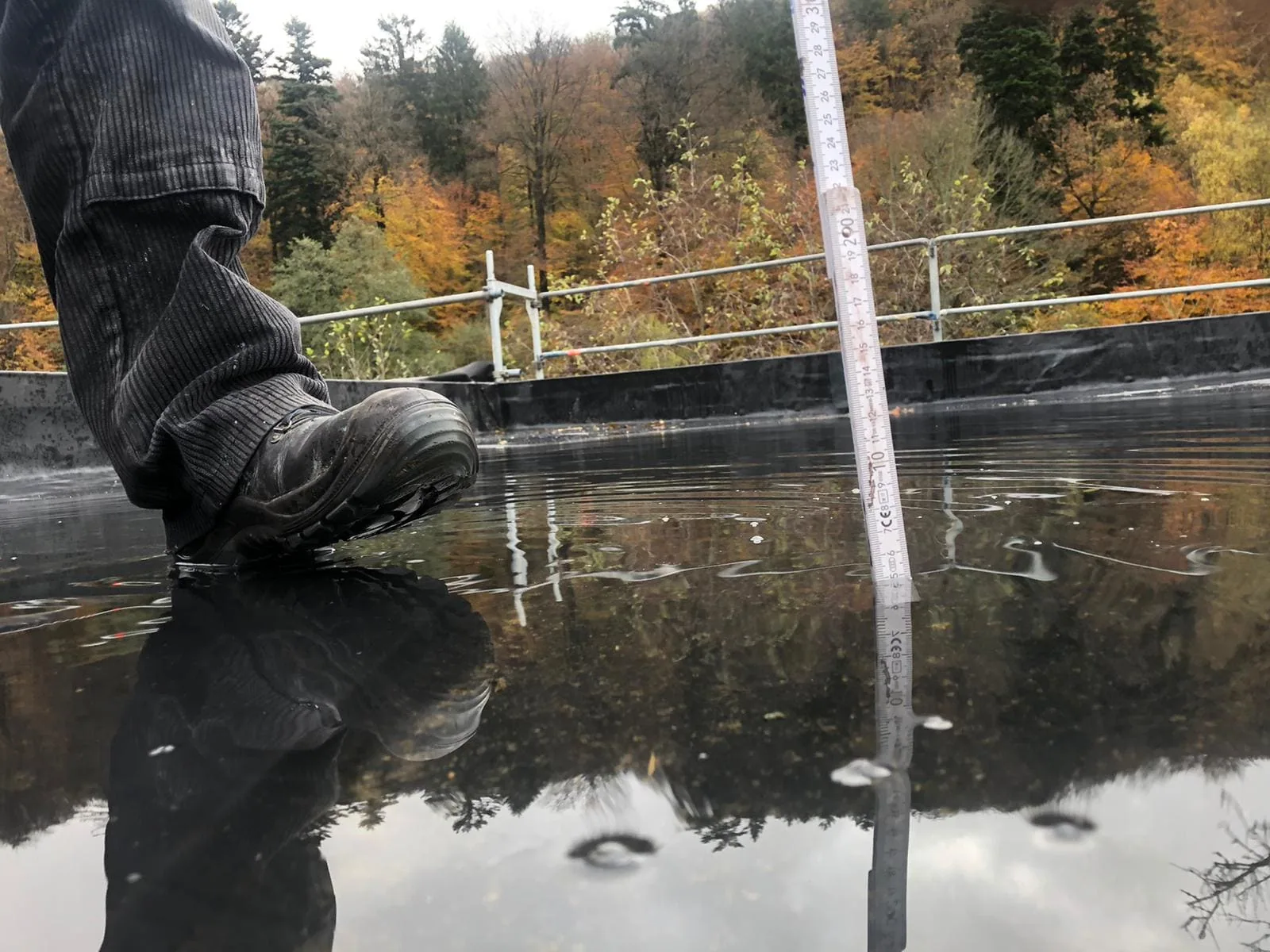
Runoff and welded seams meet at details that deserve separate inspection. We trace low spots toward each drain and look for a lap that turns uphill, an outlet flange with loose membrane, or a curb that sends water across a weld. The ponding-water review records what holds water and whether the cause is debris, a blocked bowl, or a larger slope question. May brings an average 4.78 inches of precipitation across DFW, making the outlet path a practical part of a seam review. It is not evidence that this roof ponds. The repair sketch identifies outlet, flow direction, and the membrane section that may be disturbed. If water reaches the seam from a damaged drain detail, the detail receives its own repair line instead of a wider field patch that leaves the entry point in place.
Set an Access Window Before Mobilizing
Delivery logistics shape a TPO project before the first roll is lifted. We confirm where sheets can be staged, how the crew reaches the active roof, and whether a lift blocks an operating lane. Frisco's North Platinum area contains corporate and mixed-use development contexts; those uses make access discussions property-specific. For loading operations, the roof plan should name dock restrictions, trailer movement, and the contact who can release a work zone. The North Platinum Corridor is a broad geography, not a promise that any particular building has the same access. We divide the membrane work into sections that can be secured before the agreed cutoff. The property contact receives a daily completion line and the location of any temporary protection left in place. That is the useful measure of a shift, not square footage alone.
Compare Repair with a System Decision
The next spend depends on how far the seam condition extends, whether insulation is wet, how many penetrations need work, and whether the deck is sound. We separate a confirmed repair from optional work in nearby sections. If repeated patches fail because welds are deteriorating across a larger area, we compare that cost and disruption with a phased replacement. A different membrane system may be appropriate for some buildings, but the deck, drainage, use, attachment, and future access drive the choice. We explain removal limits, tie-ins, edge metal, and what remains outside the scope. The Frisco Rail District's historic commercial context and reinvestment planning can make storefront access and work-hour coordination important on some properties. A broad business park can instead put delivery circulation first. We verify those site conditions before setting a schedule. The owner receives photographs and a condition map, with a decision date for material release or interim protection.
Commercial Roofing Questions
How can a TPO seam be checked without opening the roof?
We inspect the weld surface, probe accessible laps, and compare the seam with adjacent flashing and field membrane. That finds visible openings and workmanship concerns, but a wet-insulation question may need a limited test. The report marks what is confirmed and what still needs access or an opening before the repair boundary is approved.
When does a TPO patch stop being the right budget choice?
A contained puncture or isolated seam can often stay a repair item when the surrounding sheet and insulation remain sound. Several recurring failures, widespread wet material, or shrinking edges can shift the decision toward a larger section. We compare repair limits, access time, and the next expected capital date before recommending replacement.
Can another membrane be welded to existing TPO?
Material identity and compatibility must be confirmed first. A white surface does not identify the polymer, and coatings or contamination can affect preparation. We check records and visible system details, then state whether a weld, transition strip, or separate termination is appropriate. The scope keeps any uncertain assembly outside the repair allowance until it is verified.
What changes TPO work timing during a Frisco summer?
Roof-surface temperature, adhesive and primer instructions, wind, and the forecast affect how much area can be opened safely. The DFW normals show high average summer temperatures, so we plan the shift around the product limits and a reliable closeout window. Spring storm forecasts can also move a planned day. We identify the schedule assumption before mobilization.
What should the owner receive after TPO repair?
The closeout should identify the roof section, repair material, preparation, date, photographs, and any condition left for monitoring. We also note whether the surrounding insulation or drainage was checked. That record lets a future inspection compare the same seam and helps the owner keep the repair cost separate from a later system decision.