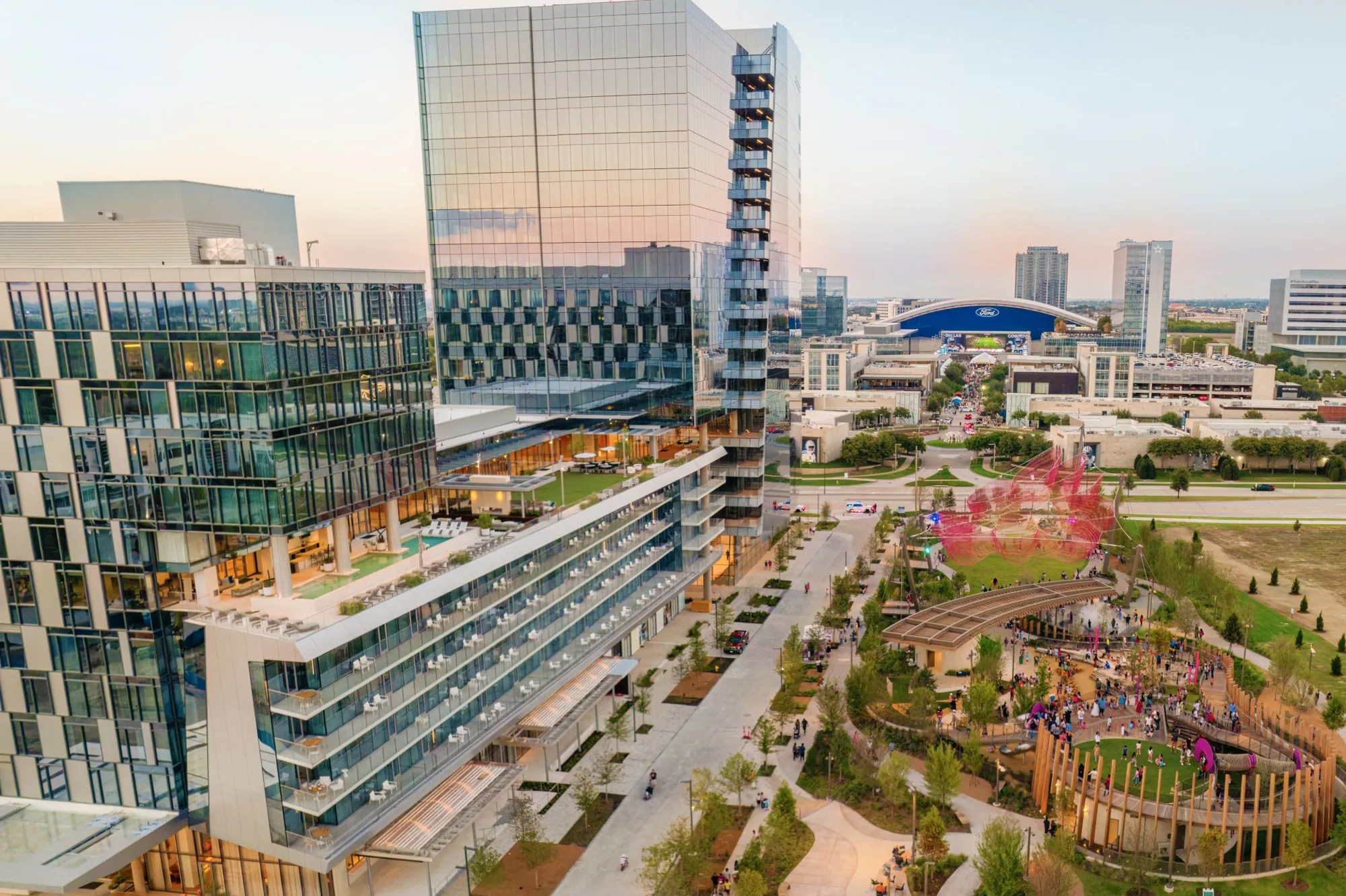
A delivery route can change the roofing schedule before a crew reaches the roof. In Frisco's Dallas Parkway Corridor, the first check is the property's approved entrance, truck path, and place to stage materials. The city's widening project covered the corridor between SH 121, also called Sam Rayburn Tollway, and US 380, with work on frontage roads, bridges, ramps, and intersections. That regional network helps frame access planning, but it does not identify a building's gate or work zone. We confirm the roof section and daily schedule with the property contact, then separate temporary protection from the permanent repair line.
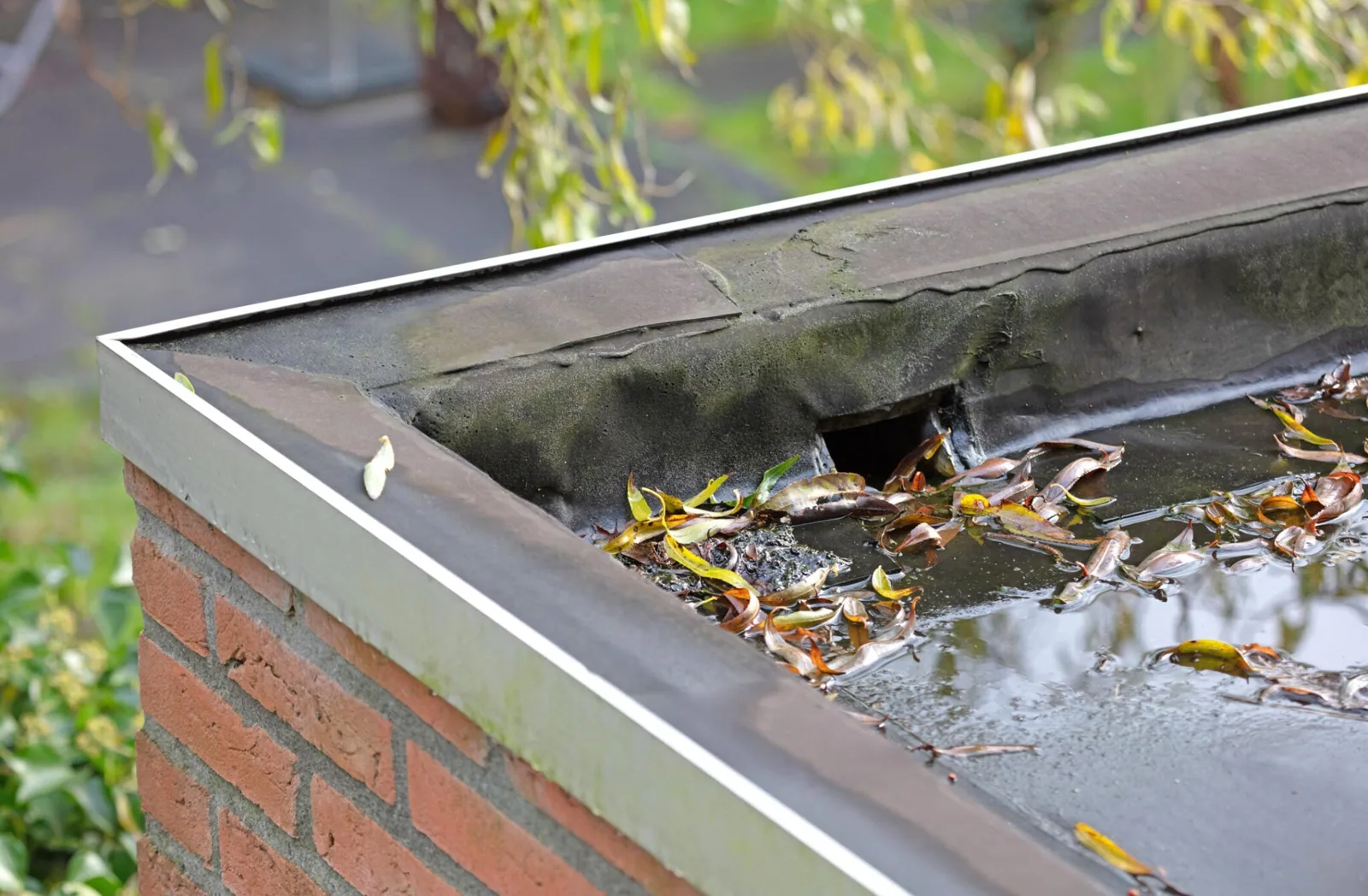
Dallas Parkway runs north-south through Frisco, while US 380 crosses east-west; the approved entrance and delivery route remain property-specific. Each project still needs its own access check. A warehouse delivery, office tenant entrance, and rooftop unit service route can use different parts of the same parcel. We mark the roof boundary, drains, curbs, seams, and any reported leak before suggesting a larger scope. The image set records the inspected roof area, while the recommendation names the approval or test needed before work expands. A North Platinum roof assessment may involve a different staging conversation even within the same city.
Confirm the Property Access Window
Before mobilization, we confirm who can provide roof access, where deliveries may stop, and which lanes must remain open. The Dallas Parkway project includes frontage-road and intersection work, but public construction information does not replace a site-specific delivery plan. We ask the owner for the approved route, lift location, laydown area, fire-lane limits, and hours when tenants or customers are moving through the property. If access is restricted, the proposal should show the expected effect on crew sequence and duration.
For an active leak, the first hour has a different goal from a replacement mobilization. We protect the interior, identify the affected bay or room, and trace the likely water path to roof details above it. Our emergency response is available at any hour, while a permanent scope follows inspection and any needed test. A roof inspection with photographs helps distinguish an isolated flashing issue from a seam, drain, or broader assembly concern. If the contact cannot reach a roof section safely, we record that limit and arrange the next access step before quoting work.
Map the Section before Pricing
Dallas Parkway and US 380 shape regional movement, not the water path through a roof. We begin at the reported interior condition, then inspect nearby seams, penetrations, wall transitions, drains, and edge metal. A stain can appear away from the point where water enters, so the report identifies both the observed interior effect and the roof details examined. If an earlier patch covers the likely failure, we note what would need to be opened before confirming the repair boundary.
Frisco's northern corridor includes multiple corporate and mixed-use properties rather than a single service target. A roof may include offices, retail, equipment, and shared tenant areas under one maintenance plan. We identify each accessible section and avoid rolling separate assemblies into one condition statement. Where roof records show an existing membrane, we still verify visible seams, attachment, flashing, and transitions in the field. A condition map with dated photos gives the owner a record for comparison after repair or after a later storm.
Use Weather as a Scheduling Signal
North Texas severe-weather activity peaks in spring. A corridor warning can prompt a roof check, but it cannot substitute for evidence on the specific parcel. After a warning or visible debris, we inspect the roof edge, exposed metal, membrane seams, and rooftop transitions. The report separates a new impact from an older repair or routine deterioration. If there is no visible change, the owner still receives a clear record of the areas reviewed and anything that could not be reached.
Summer work also needs a realistic surface and access window. DFW normal highs rise above 95 degrees in July and August, making the planned product, substrate, and shift length part of the daily decision. We choose a section that can be prepared, installed, and secured before the crew stops. Drainage deserves the same attention: a blocked bowl or overflow route can redirect water toward a seam or wall. A drain and scupper review can be priced as a defined correction instead of hidden in the field allowance.
Keep the Roof and Ground Plan Connected
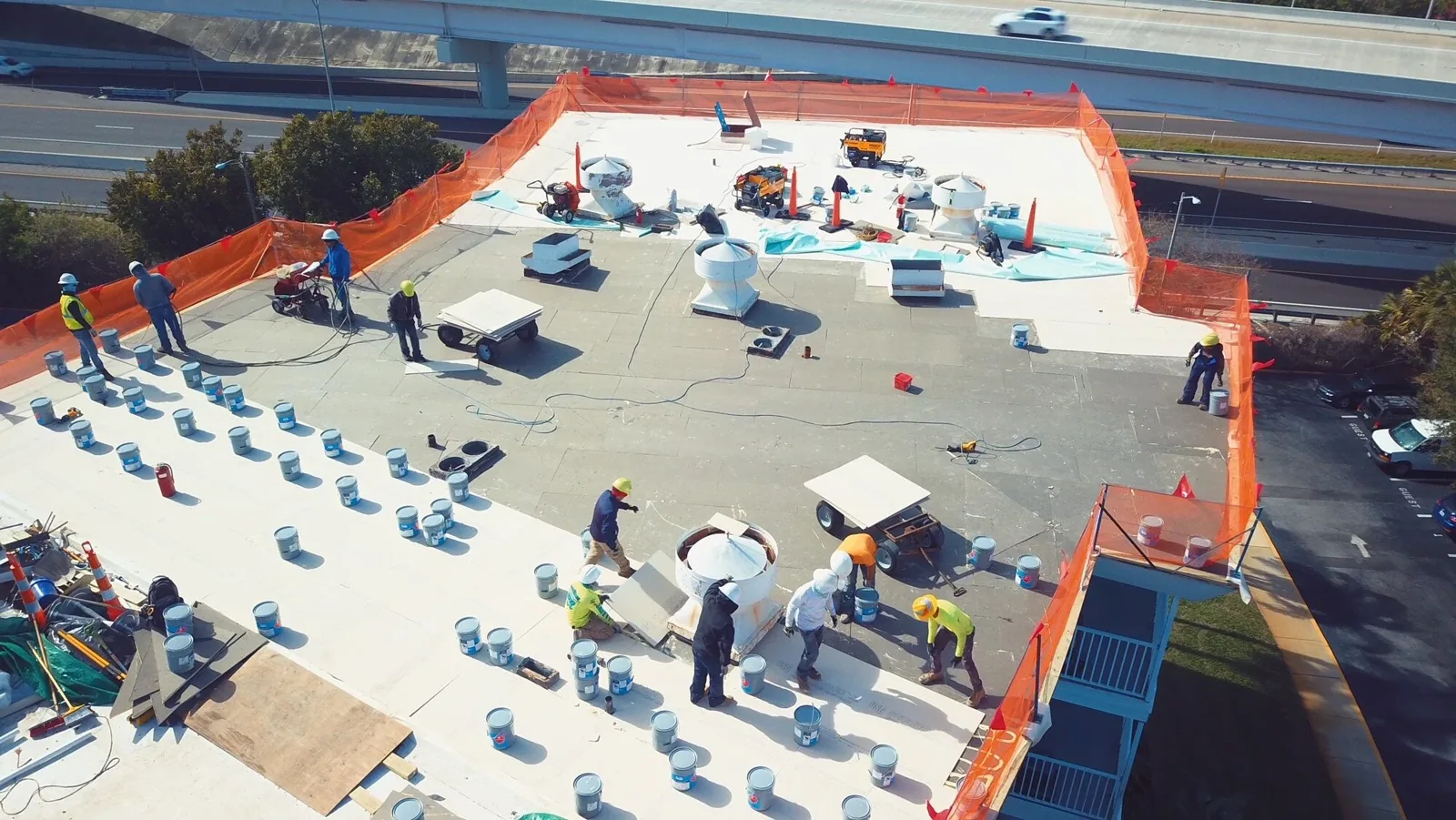
A safe reroof plan connects the roof opening to the ground-level work zone. We identify where a crane or lift may operate, how debris leaves the site, and whether a delivery can pass during the same window. Dallas Parkway's frontage and ramp changes are regional context; the property manager confirms current access and any temporary restriction at the job. If the work sits near an active entrance, we set a boundary that protects pedestrians and keeps required access clear.
On an occupied property, the sequence divides the roof into areas that can be dried in and checked before the next section opens. We coordinate noise, equipment shutdowns, notices, and the daily stop point with the building contact. A phased reroof schedule can keep tenants informed while preserving a closed roof at the end of each shift. When material removal exposes wet insulation or deck damage, we photograph and measure the area, protect the opening, and wait for approval before adding work. The owner sees the cost and timing effect before the boundary changes.
Leave a Clear Repair or Replacement Record
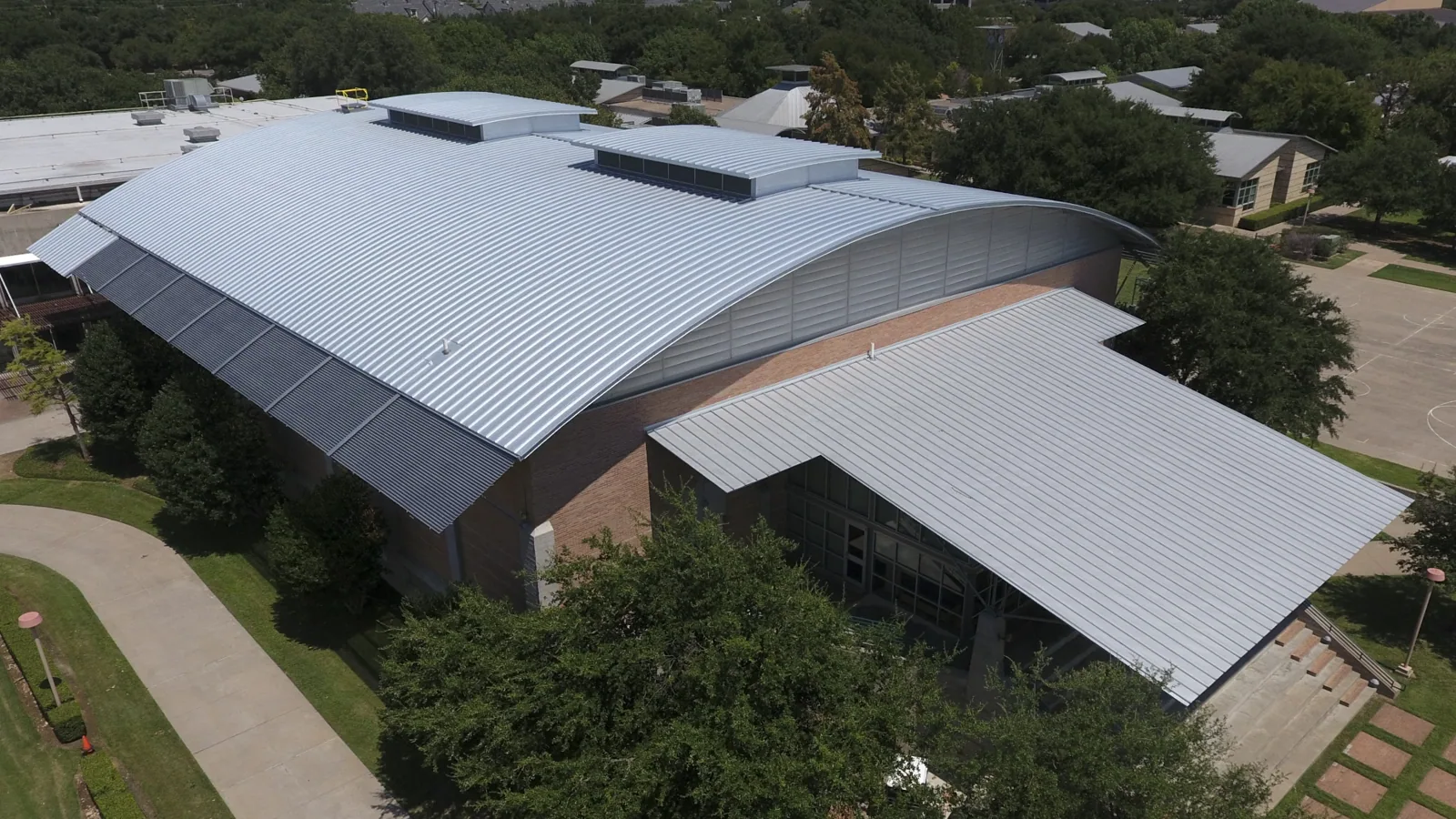
A replacement proposal shows what is included, what is an alternate, and what would require written approval. We identify roof area, assembly, preparation, attachment, transitions, drainage, and disposal. If the existing conditions support a smaller repair, we show the limits and the reason not to extend the work. If repeated failures or concealed moisture point toward broader replacement, the map documents the evidence behind that comparison. A repair scope for a defined section can be evaluated beside the replacement option without merging the two totals.
The North Platinum Corridor and Plano's employment parks both contain multiple commercial contexts, but one property's records cannot determine another roof's condition. A commercial roof review in Plano starts with that building's access and assembly. The Frisco Rail District is another broad city area with a different commercial setting, not a substitute for a site walk. The closeout file lists each repaired section, installed product, and follow-up item beside its dated image. That record gives the property contact a practical starting point for the next inspection and budget review.
After a storm, a storm-damage roof review keeps observed conditions distinct from event history for the next decision.
Commercial Roofing Questions
Does the Dallas Parkway project determine how a crew reaches my building?
No. The corridor work describes public roads and intersections, while each property's gate, loading route, lift position, and delivery limits require confirmation with the site contact. We record those details before scheduling materials so regional road access is not mistaken for permission to enter or stage at a particular property.
What do you check after hail or damaging wind near US 380?
We inspect the roof area for visible membrane displacement, punctures, damaged edge metal, lifted flashing, and changes near penetrations. A report records the area and evidence found. Regional storm activity is a reason to arrange a review, not proof that one roof sustained damage. If water is active, interior protection and a controlled repair boundary come first.
Can a roof replacement leave business access open?
A phased plan may preserve selected entrances and delivery routes if the lift, debris path, open roof area, and working hours can be separated safely. We identify the sections that close each shift and the site contact who can adjust the sequence. If a short closure is necessary, the schedule should name it before mobilization.
What can make a corridor project take longer?
Restricted staging, tenant hours, roof height, multiple assemblies, weather, and concealed deck or insulation conditions can change the work sequence. A test opening may also add an approval step. We state the access assumptions and daily stopping boundary so the owner can compare a repair with replacement before the schedule is set.