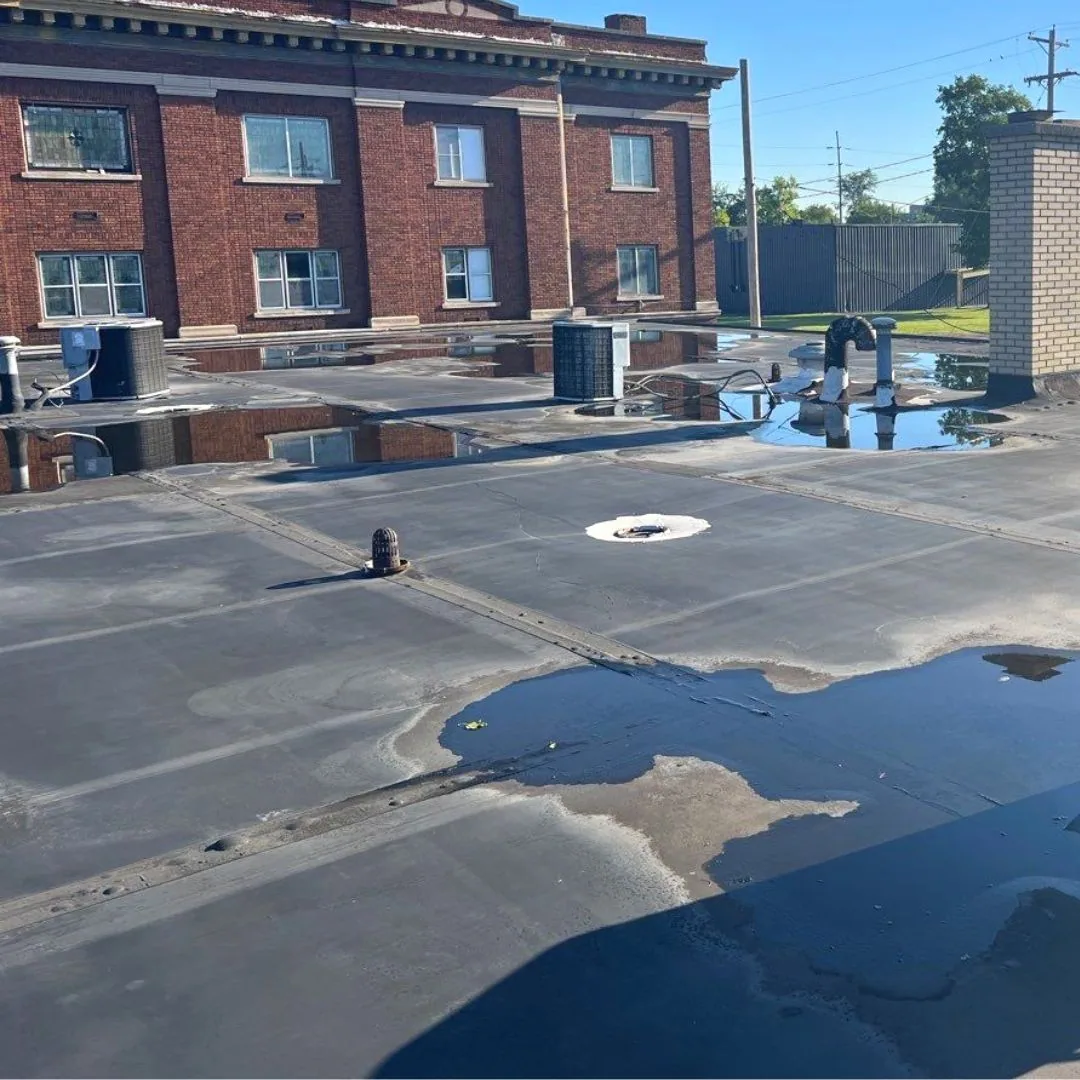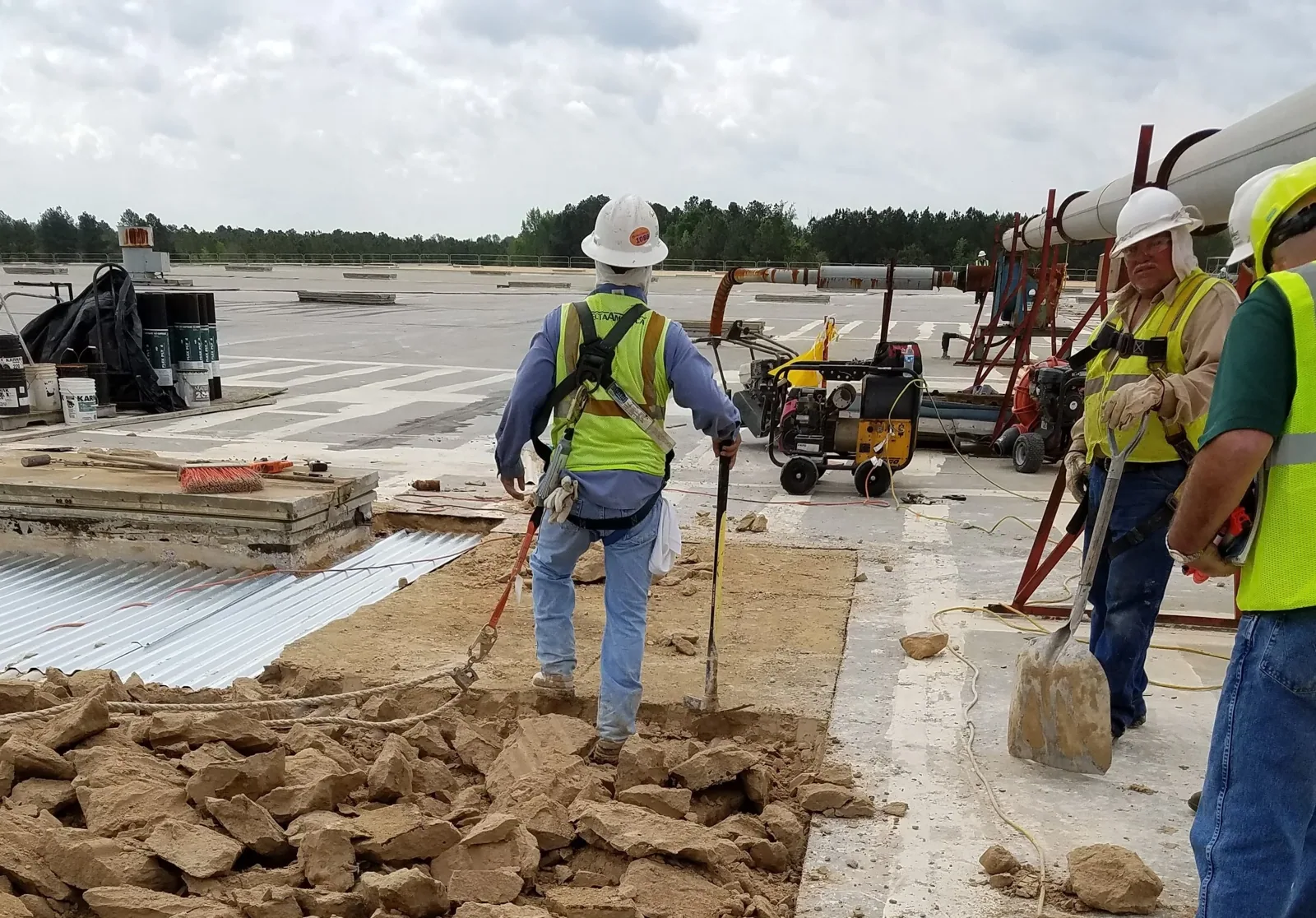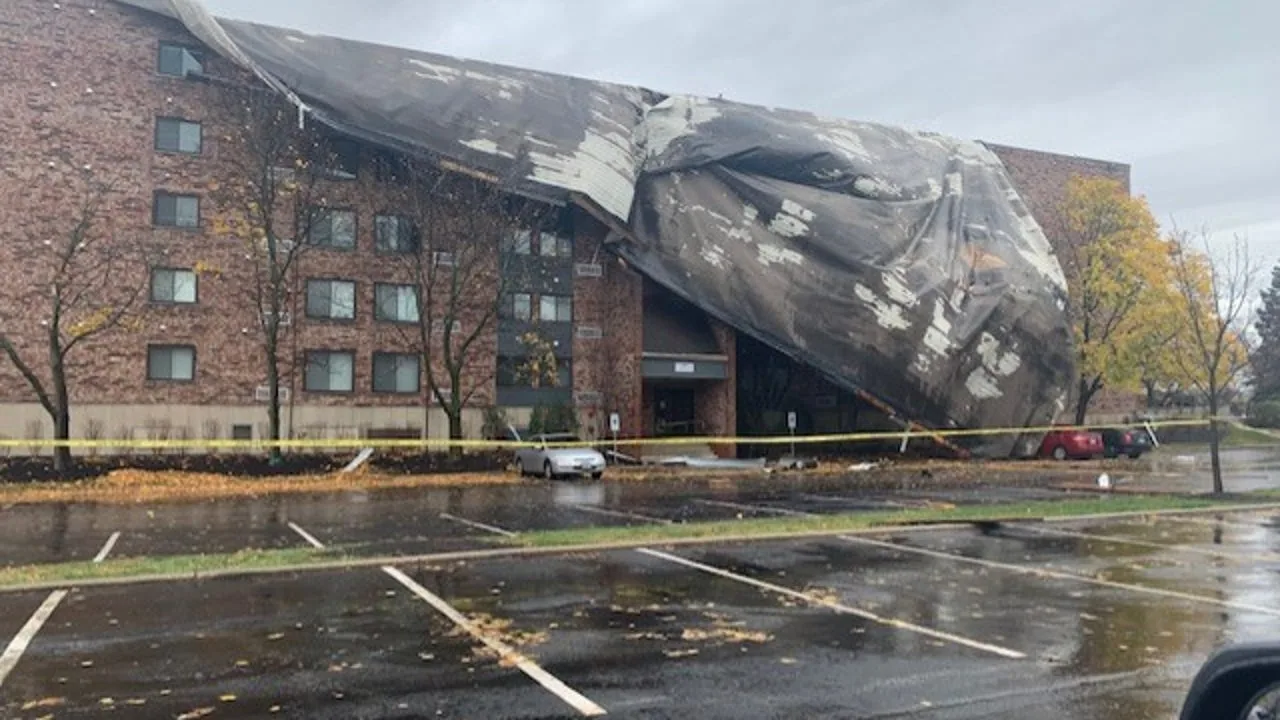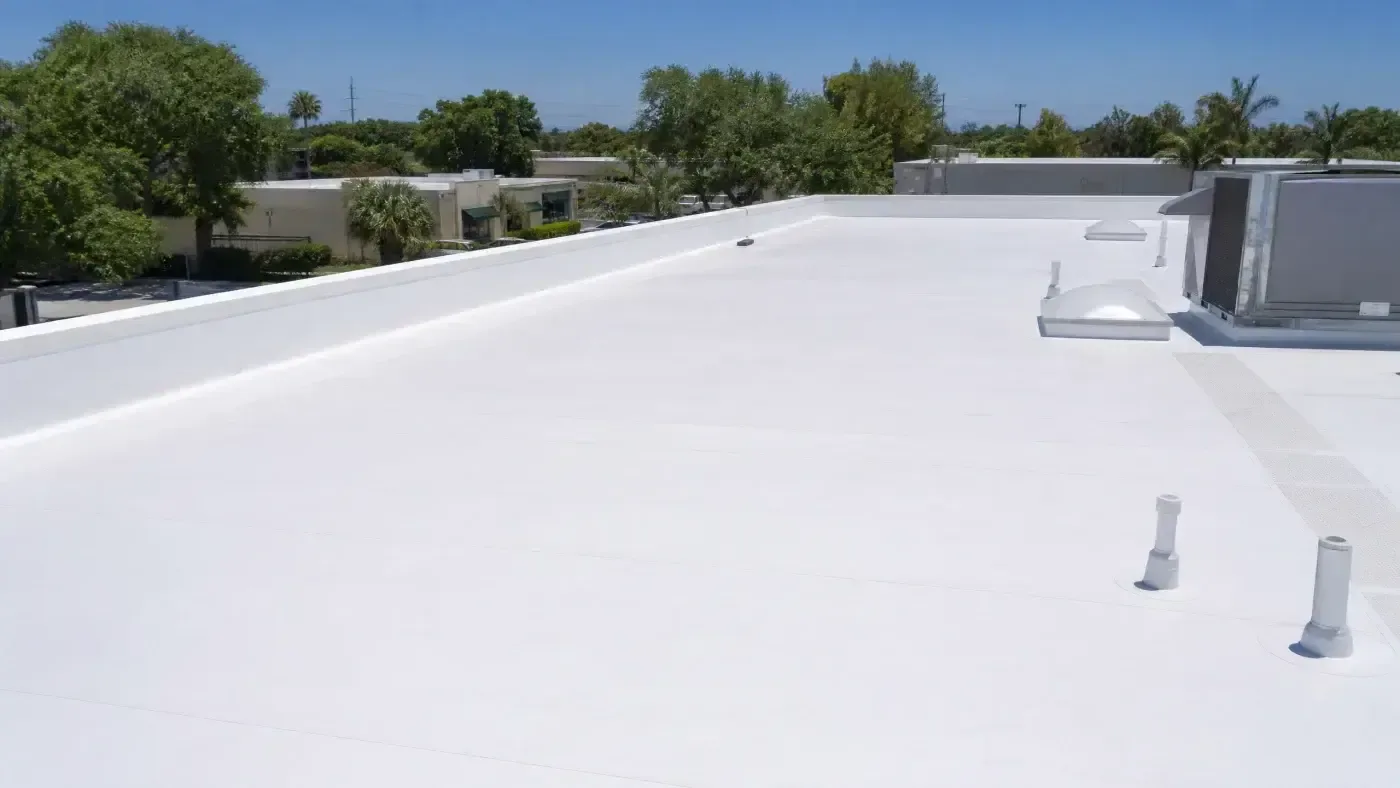
A storm report starts the roof review; it does not show what happened on your building. In Frisco, TX, we first protect active water entry, then record the affected sections, edge details, penetrations, and interior conditions. Spring is DFW's wettest and most active severe-weather season; hail, wind, flooding, or tornadoes affect some part of the Metroplex in many years. We inspect the property rather than transfer a regional event to it. A business park, the Rail District, and an office along Dallas Parkway can need different access plans. The first-hour response stabilizes the immediate condition while the owner receives a mapped repair boundary.
Protect the Interior Before Expanding Scope
Active water gets a controlled response. We identify the entry area, protect affected contents where practical, and make a temporary closure that can withstand the near-term weather window. The crew records what was visible before moving debris or disturbing a membrane detail. That record matters when the owner must coordinate operations, property management, or a claim file. Temporary protection is labeled separately from permanent repair so nobody mistakes a short-term closure for a completed roof correction.
We ask for the building use, leak status, and access window because those details control the first visit. A warehouse may need loading lanes left open; a clinic or office may need notice before work above occupied rooms. If the condition is not actively leaking, we can document the roof and schedule a measured repair instead of opening a sound area. The owner receives the immediate action and the decision date for the next spend. A leak-tracing visit can follow the water path when the interior mark is not directly below the entry.
Map Impact Findings by Roof Section
After temporary protection, we inspect the membrane, metal, flashings, roof edges, drains, and equipment curbs. Hail can leave visible marks on metal or puncture a membrane, while wind may move an edge detail or lift a loose flashing. A storm can also reveal an older split seam that was already losing adhesion. We photograph each finding and compare it with the surrounding material before calling it new damage. The condition map distinguishes observed impact, prior wear, active leakage, and areas that need another test.
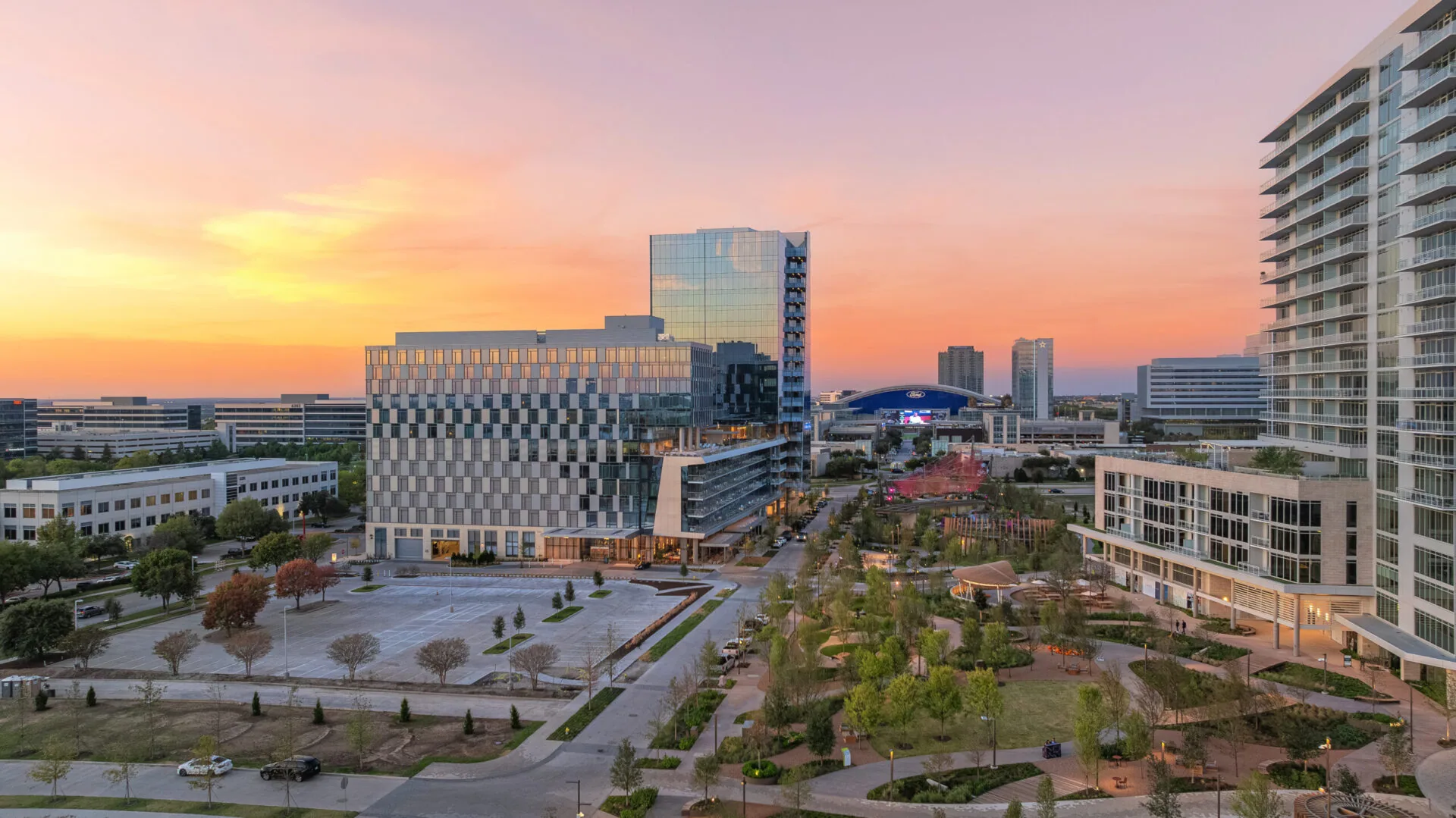
Frisco's North Platinum Corridor includes multi-property corporate and mixed-use development, but that broad setting does not identify a roof assembly or storm condition. We examine the actual building and note where water traveled, what material is exposed, and whether insulation or deck needs review. Along the Dallas Parkway corridor, access and staging may depend on each property's driveway and truck route. A commercial inspection puts the roof sections, photographs, and repair priorities into one record.
Set a Repair Boundary the Owner Can Approve
The permanent scope follows the confirmed failure. A punctured membrane may need a compatible patch; a displaced edge may require metal, cleats, and fasteners; wet insulation may need to be opened and replaced to a dry boundary. We show each area and its preparation instead of pricing a broad storm allowance. If several roof zones have different assemblies, we separate the details and sequence so the owner can see what will be opened and how each section will be closed.
Regional spring storms are a reason to review the roof, not proof that every building has damage. Frisco's Rail District includes historic downtown and reinvestment planning; older storefronts may have tighter staging and occupied-hour limits than a newer corporate property. We note these access conditions only after confirming them with the site contact. If a hail concern remains, a hail-focused roof review can record marks, penetrations, and displaced details without assigning a cause beyond the visible evidence. A separate repair scope lists permanent work and any conditions left for monitoring.
Keep the Storm Record Separate from the Repair
Useful documentation connects the reported event, inspection date, roof section, photographs, and repair work. We label what the crew observed and what the owner supplied, then note any area that was inaccessible or covered by temporary protection. That timeline helps a property team compare the condition before repair with the completed work. It does not replace the insurer's coverage decision or create a conclusion about cause where the evidence is incomplete. The claim documentation scope can organize photographs, a condition map, and repair estimates for the owner's review.
We also record the details that affect timing: material availability, weather limits, crane access, tenant notice, and the order of roof sections. The Dallas Parkway and US 380 network supports Frisco's north-south and east-west mobility, but truck approach still must be checked at the property. If a work area cannot be reached during occupied hours, the sequence may shift without changing the approved repair boundary. The owner sees the access assumption and can resolve it before the crew mobilizes.
Close the Repair and Date the Follow-Up
After work, we check the repaired seams, flashings, edges, and drains, then photograph the closed area. The closeout record states which roof sections were repaired, what temporary protection was removed, and what remains outside scope. If a nearby area showed movement but no active leak, it stays on the follow-up map. That distinction gives the facilities team a clear next action after the event instead of a general statement that the roof is fixed.
Some Frisco business parks allow office, office-warehouse, distribution, and showroom uses, subject to zoning and truck access. On an occupied facility, confirm the authorized entrance and delivery window before bringing temporary cover or repair materials to the roof. Those uses make operating schedules worth confirming, but they do not establish the material or condition of a specific roof. We set the next inspection around the actual assembly and documented storm findings. A condition report can carry the repair boundary into a later maintenance or capital review, while an isolated stable section remains on its normal check date.
Commercial Roofing Questions
Does a nearby storm report prove my roof was damaged?
No. Regional weather records describe the event area, not conditions on an individual property. We inspect the membrane, edges, metal, penetrations, and interior for visible findings, then identify any area needing a closer test. The report separates observed impact from older wear and conditions that remain unconfirmed.
What happens first when water is coming inside?
We locate the likely entry, protect the interior where practical, and install temporary protection suited to the immediate conditions. Photographs and a short work note preserve what was visible before the permanent repair. We then set a repair boundary and explain what needs owner approval next.
Can repairs begin before an insurance review is complete?
Urgent protection may be needed to limit interior water while the owner coordinates the claim. We keep temporary work separate from permanent repairs and document the conditions, materials, and dates. The property owner decides how to proceed with the insurer; our scope gives them a clear record of roof work.
How do you separate storm impact from prior wear?
We compare the location and appearance of each finding with nearby roof materials, past repairs, and the reported timing. The map labels what is visible, what appears older, and what needs another test. We do not assign a storm cause to a condition that the inspection cannot support.
Which details most often change repair timing?
Weather, safe access, material compatibility, roof height, tenant hours, and the extent of wet insulation can alter the sequence. We identify those limits beside the repair area and keep a dry-in plan for opened sections. The owner can review the work window before permanent repairs begin.