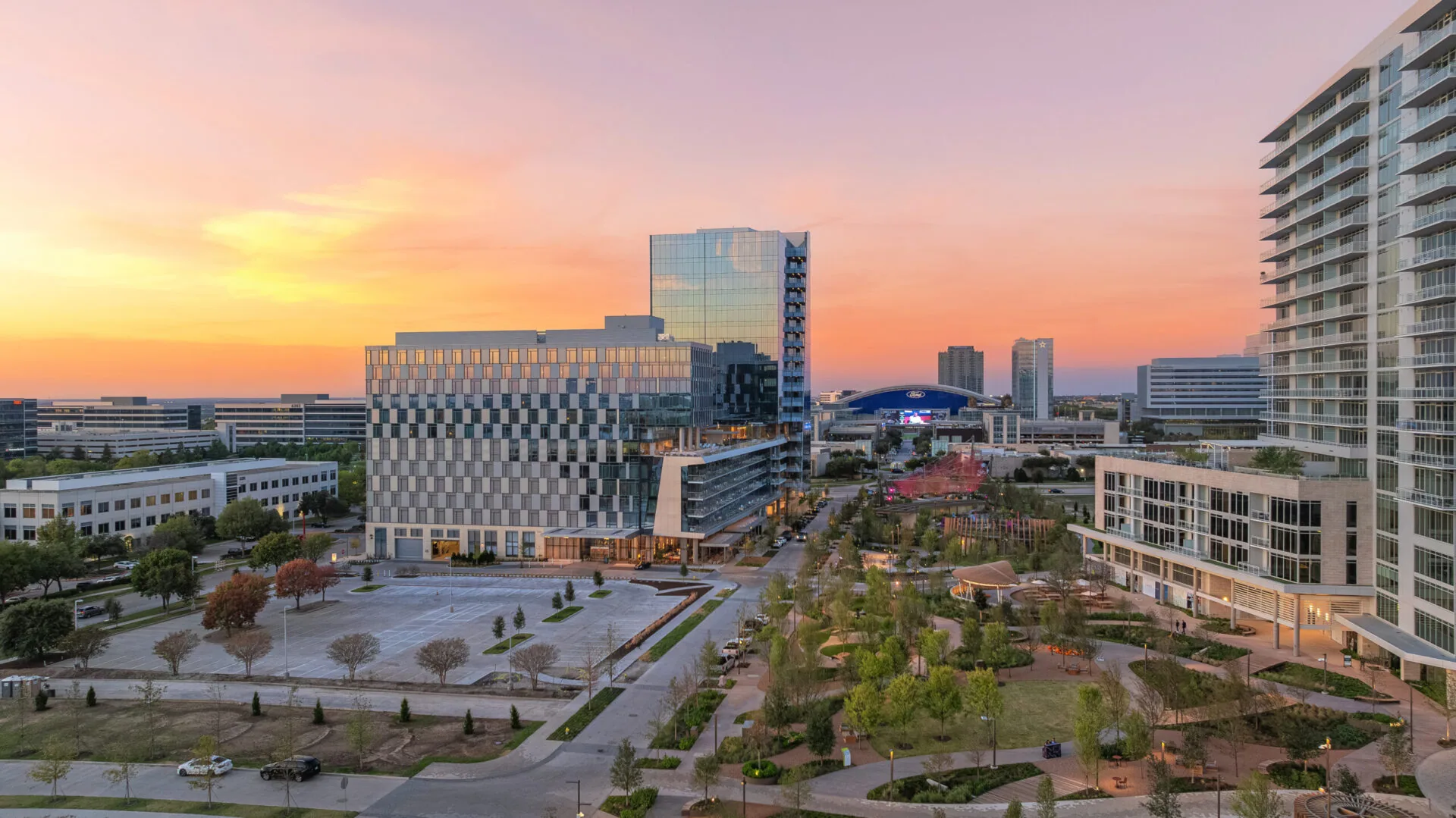
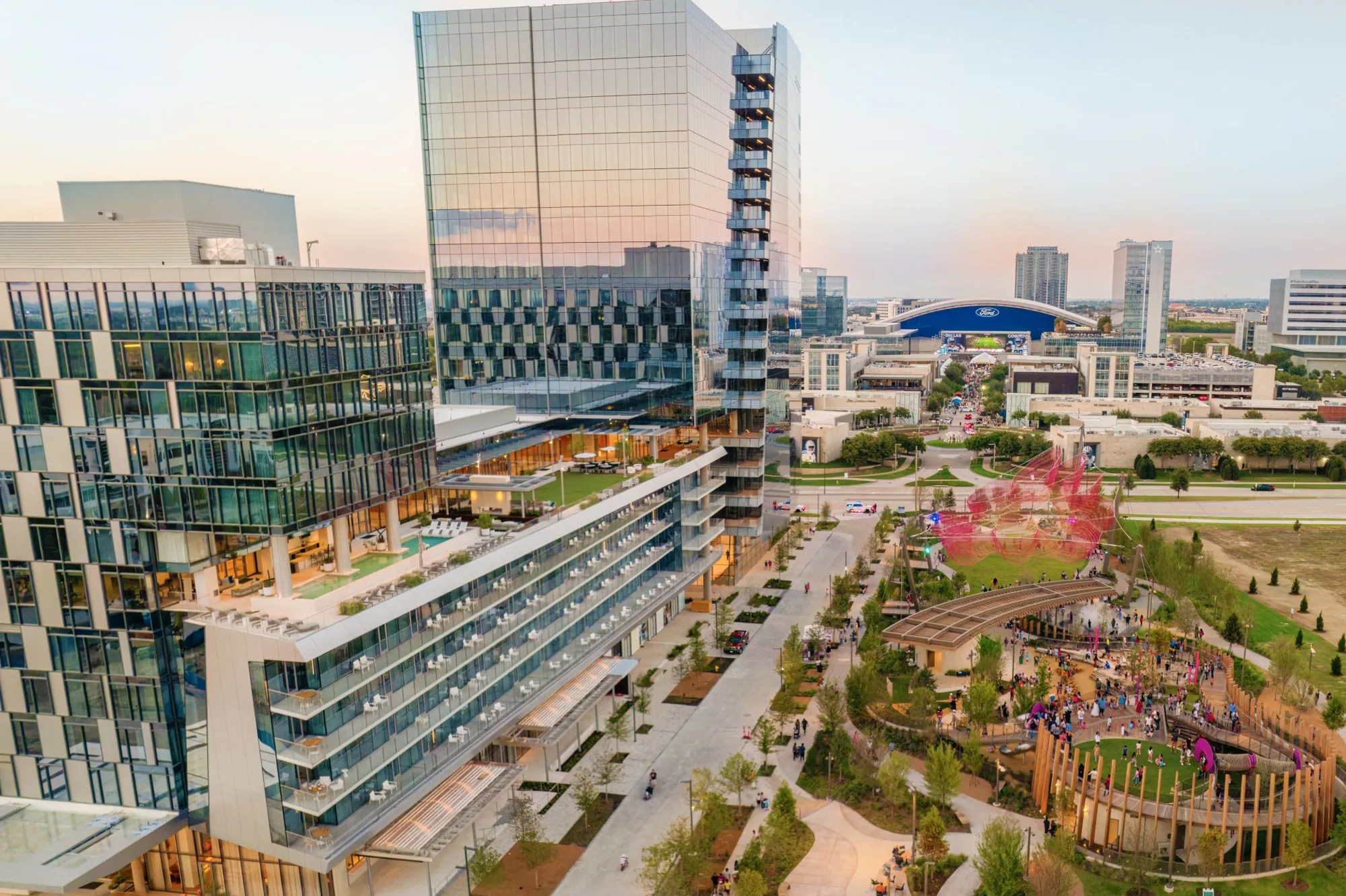
An office or distribution leak in Farmers Branch needs a roof section, a permitted work boundary, and an access window. Our first visit pairs the affected room with the roof section above it, recording condition and access limits before any expanded scope. Farmers Branch has redevelopment opportunities and zoning rules that can affect project planning; confirm permitted use for the property before roofing scope is set. That context does not reveal the roof assembly or its condition. We verify the building's records with the contact who can approve access and repairs.
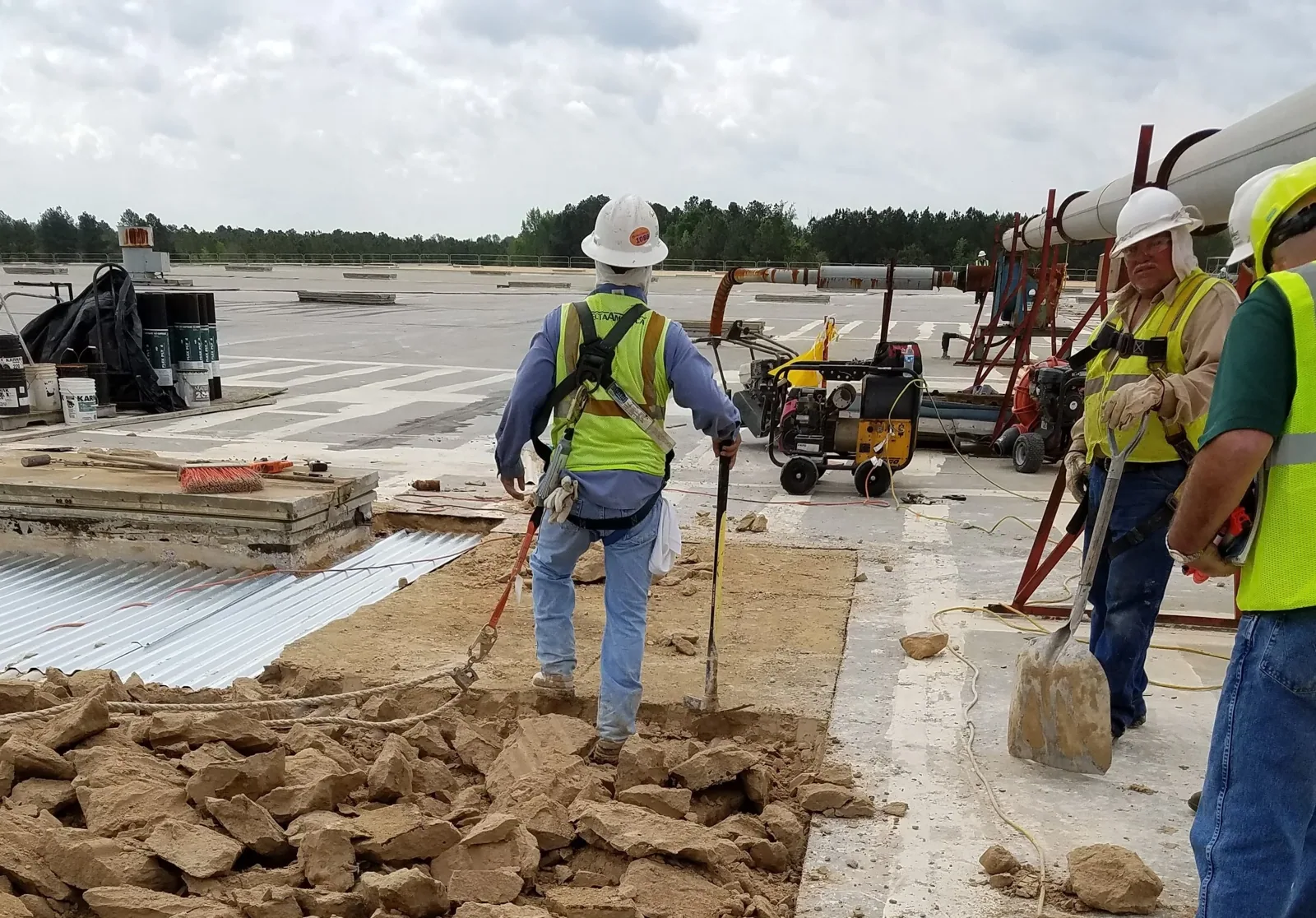
On the first visit, we compare the reported interior location with nearby seams, curbs, walls, penetrations, drains, and previous repairs. If water is active, emergency response remains available through nights, weekends, and holidays while we arrange temporary protection. A leak-path review sets a boundary for permanent work. Owners with a Frisco asset can also request a Dallas Parkway inspection or a North Platinum roof review, each with its own building record and approval trail.
Confirm the Property Before Scoping Work
Farmers Branch's development guidance supports checking permitted use and planning details at the property level. We use that information to ask better access questions, not to assume a building's tenant, roof type, or operating schedule. The owner or manager confirms the use, service entrances, occupied hours, roof access method, and any review required before work begins. We record who can approve a test opening or added scope so a concealed condition does not create an informal change.
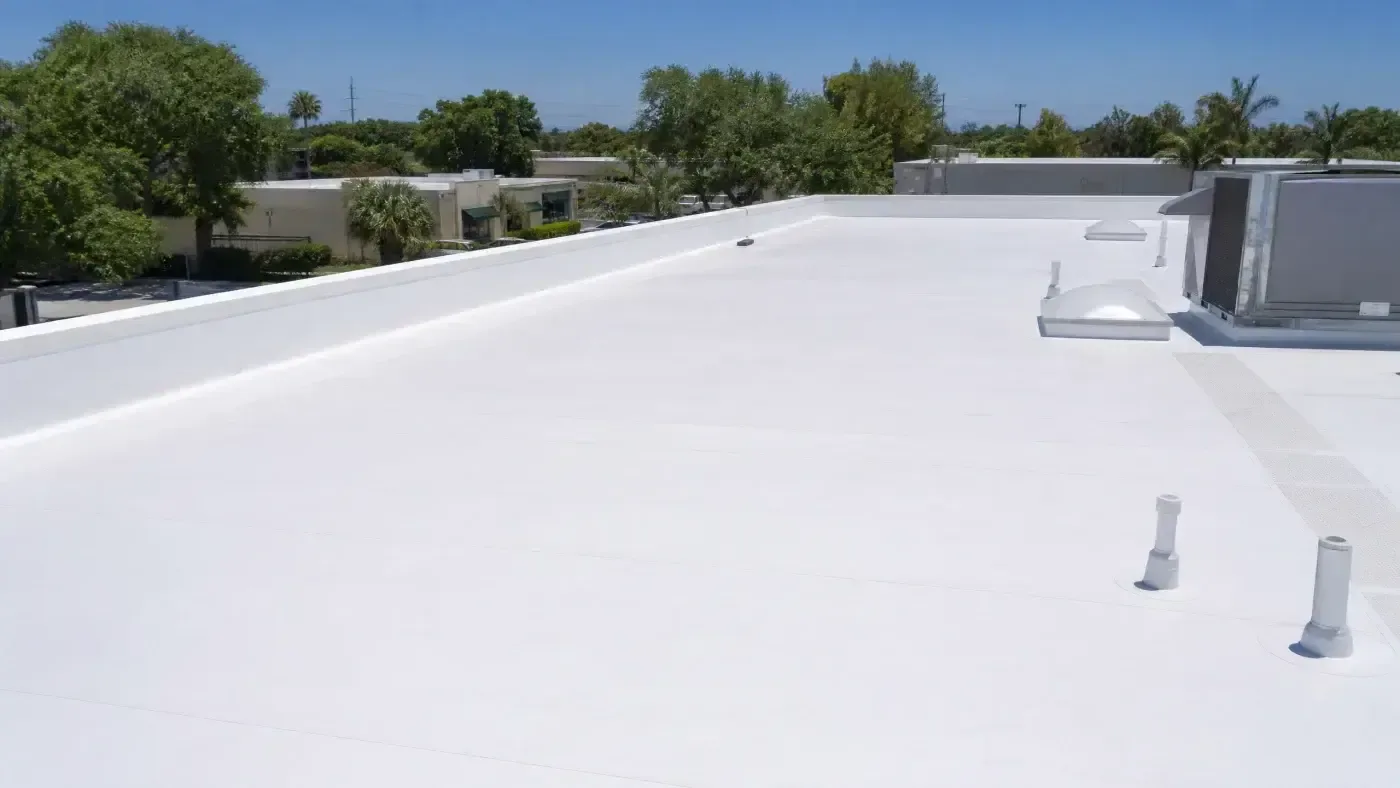
At the roof, we identify membrane or metal where it is visible and inspect the transition details nearest the reported water. We photograph seams, edge metal, drains, curbs, and wall flashings, then label each observation by roof section. A commercial inspection can include that map and the limits of access. If a moisture survey may help, we first confirm that the assembly and conditions suit the method. The result supports a decision about the next test, not a claim that every area below the surface is wet or dry.
Separate the Leak Symptom from the Entry Point
The stain inside may be distant from the roof detail that admitted water. We ask when it appears, what equipment sits nearby, and whether the condition changes during rain or after roof access. Then we follow the likely water path across seams, insulation joints, deck flutes, penetrations, and drainage. If a visual inspection cannot confirm the source, we identify a test opening or other next step and keep that cost outside the base repair until the owner approves it.
This boundary is useful in a city with active planning and redevelopment because a roof project can overlap with other property decisions. A roof record should say what was inspected, what was inaccessible, and which approval applies to the repair. We protect the interior first when water is active, but temporary protection does not replace the permanent repair. A first-response visit can secure the immediate area; a separate repair line documents materials, preparation, and the point where work stops.
Use Regional Weather to Set the Work Window
July reaches a 95.6-degree mean daily high in the DFW normals, with August at 95.8. Heat-sensitive installation steps need a work window suited to the substrate, material instructions, and conditions on that Farmers Branch roof. We inspect actual seams and terminations, then set a safe work window based on the product step and daily conditions. The proposal identifies when the section will be opened, protected, and secured before the crew leaves.
North Texas storm risk climbs in spring, and hail or damaging winds affect locations across the Metroplex in recurring years. We treat a Farmers Branch call as a request to inspect, not a damage finding. We document impact marks, displaced edges, or seam changes before including storm repairs. A wind-condition review can record visible edge evidence, while a hail inspection can keep observations separate from regional weather history. May averages 4.78 inches of precipitation in the climate normals, so we also confirm drainage and a dry-in point for any exposed work area.
Compare Options Against the Same Roof Map
A repair may fit when one seam, penetration, or flashing detail is isolated and adjacent material remains serviceable. We define preparation, material, measured area, and the stopping point. Repeated leaks or moisture beyond one detail may support comparing restoration or replacement. We identify the test or removal that could change the quantity and set a written approval point before opening additional roof. That gives the owner an understood base scope instead of a blank allowance for unknown conditions.
Cost and timing move with roof height, layers, staging, insulation, drainage, edge work, disposal, and access hours. A replacement comparison should keep tear-off, new insulation, attachment, flashing, and disposal visible as separate decisions. If the existing assembly qualifies for a coating, a restoration scope still needs preparation and adhesion checks. The owner's budget date should match the condition and approval path. A capital-planning record can preserve the options and assumptions for later review without treating them as one price.
Close with an Approval Trail
Before mobilization, we confirm the contact, roof entrance, staging zone, occupied hours, delivery route, and shutdowns. The schedule gives the crew a daily area that can be installed or secured by the stopping time. If a permit or use review is required, the owner confirms that path before materials are ordered. A trade coordination issue belongs in the schedule when it affects access or safety, not as a last-minute note after the roof is open.
Closeout includes dated photos, repair locations, materials installed, approved changes, and any condition still requiring a test or follow-up. We label the roof sections so a later leak can be compared with the completed repair. Frisco's Dallas Parkway and North Platinum settings have distinct access and development context; a Farmers Branch roof keeps its own record. A photo-linked condition report can support the next budget discussion. Send the building, leak status, prior records, and decision window. We will map the first check and return the repair-versus-replacement scope. The work record can remain with the building file for the next service visit and budget review.
Commercial Roofing Questions
Can the city's planning tools identify the roof condition?
No. Planning, zoning, and GIS information can help confirm use and property context, but it does not document roof assembly or performance. We inspect the accessible surface and details, label findings by section, and identify any test needed to resolve concealed conditions.
What should we do while water is entering the building?
Protect the interior and identify the affected space while we arrange a safe roof inspection. We can document temporary protection separately from permanent work. The report records the likely water path, access limits, and the approval point for any repair area that extends beyond what is visible.
Does a regional hail or wind report prove this roof was damaged?
No. Regional weather helps set an inspection window, but the property needs visible evidence before storm work is scoped. We photograph the conditions we can inspect, record inaccessible areas, and separate storm observations from routine aging or unrelated repairs.
How will we know if a coating is an option?
We first identify the existing assembly, moisture condition, surface preparation needs, and adhesion requirements. If the roof is not a suitable candidate, we show a repair or replacement path instead. A coating proposal remains its own scope with its own preparation, details, and limits.