Water above an active care area needs a fast boundary and a careful handoff. We identify the room, ceiling condition, equipment below, and the roof section before choosing protection or a permanent repair. Frisco's North Platinum Corridor includes broad corporate and mixed-use development, while its downtown commercial properties have different access patterns and building forms. City planning also describes business parks with office and modern-industry uses, including health-related amenities within mixed-use areas. That context helps frame access questions, but it does not identify a clinic's roof system. We verify seams, curbs, drains, penetrations, and prior repairs at the actual building. The first report also records the time water appeared and whether it changed after equipment service or a weather event. That timeline helps the facilities contact protect the room without assigning a cause before roof evidence is available. A North Platinum roof inspection returns a photo map for facilities and property staff.
Protect the Room before Opening the Roof
The first call establishes whether water is active, which room is affected, and who can approve access. We coordinate with facilities staff around patient care, infection-control procedures, equipment, and any space that cannot be interrupted. Interior protection stays in place while we trace the water path to roof drains, seams, flashing, and mechanical curbs. A stain can appear down-slope or along framing from the opening, so we record the route instead of assuming its source. Our after-hours response can separate immediate dry-in from the permanent repair line.
For a clinic, each shift boundary matters. The work note identifies what remains open, where the crew can move, what equipment must stay clear, and when facilities receives the next update. If testing requires an opening, we describe the procedure and approval step before removal. A targeted leak repair records the confirmed area and protects adjacent rooms from an unplanned expansion of work.
Map the Assembly and the Equipment Details
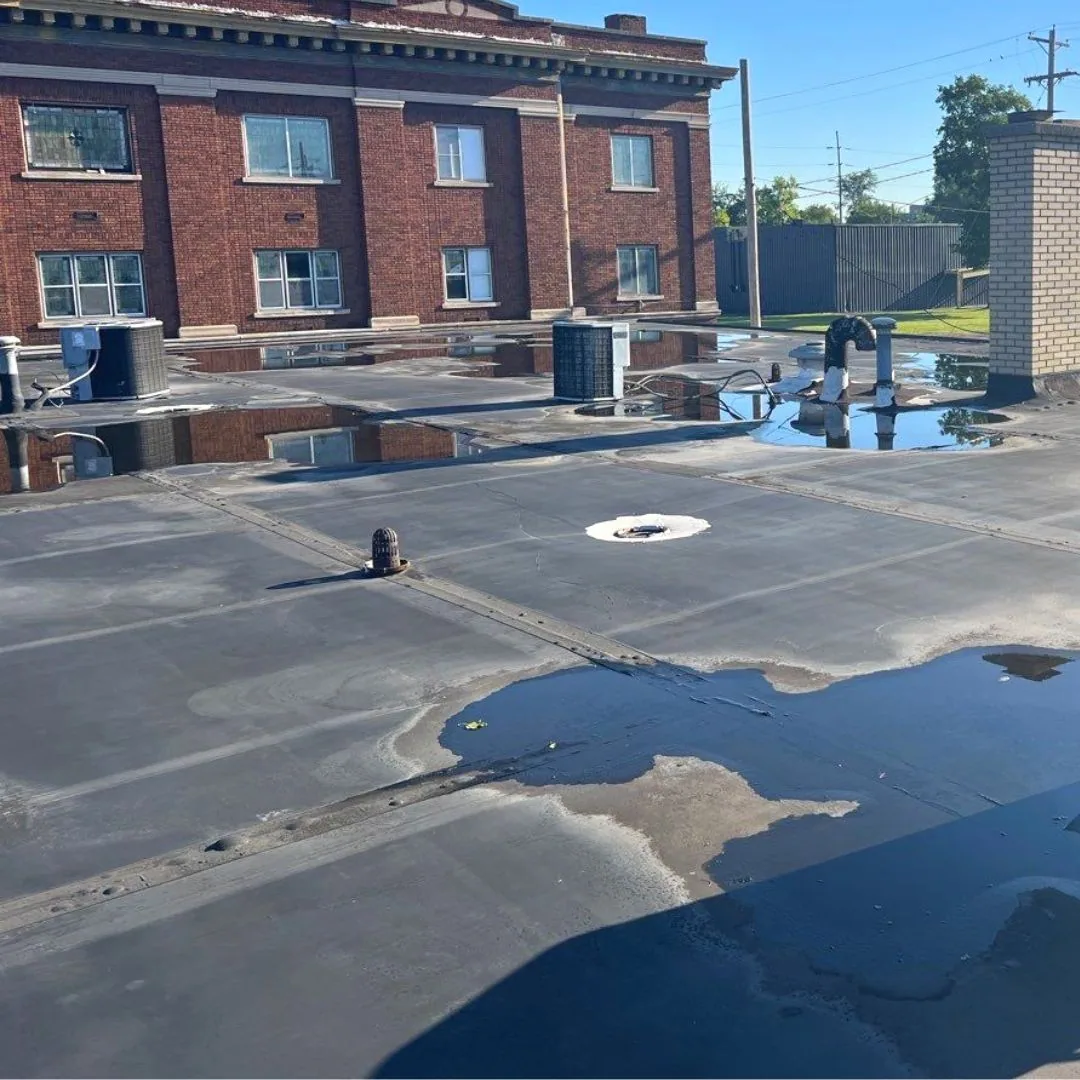
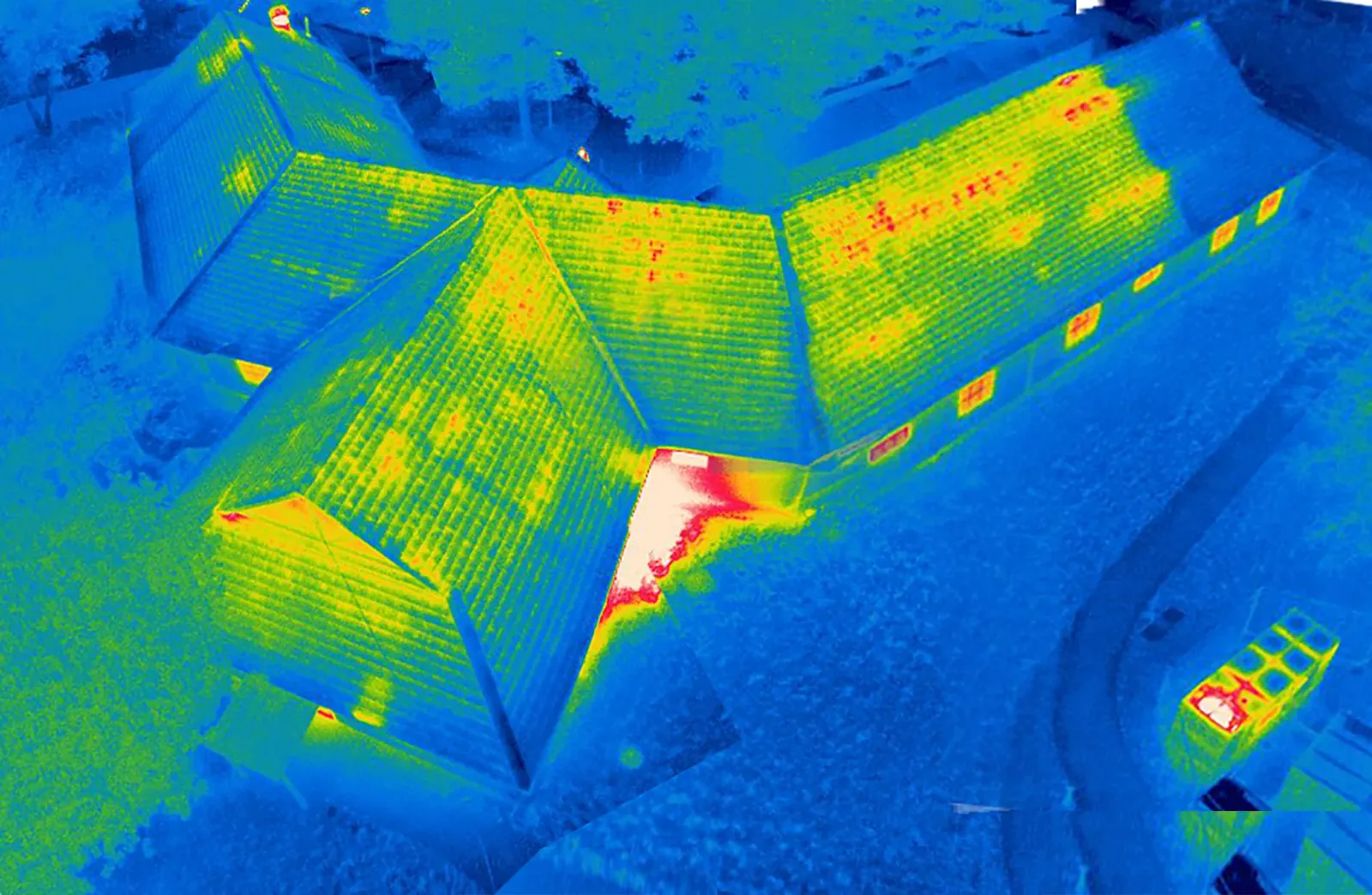
Healthcare roofs can have dense mechanical service zones, but equipment counts do not reveal membrane type or concealed condition. We identify visible system materials, seams, attachment, edge metal, drain bowls, curbs, and flashings. Rooftop equipment supports and later trade penetrations can leave small transitions that deserve a closer look. Where records are incomplete, photographs and a labeled roof plan give maintenance staff a useful reference. A moisture survey may help identify areas for follow-up when the assembly and conditions support that method.
Frisco's business-park plan is a land-use framework, not a building inventory. A clinic near North Platinum and a commercial property in the Rail District may have different access, staging, and occupied-hour constraints. We document those limits with the roof finding. A condition report records each section, repair boundary, photograph, and question for testing so a facilities team can review the same evidence as its property manager.
Set the Repair Window against Regional Exposure
For a care property, the schedule starts with the rooms and routes that must remain available, then works backward to the roof section that can be isolated. DFW climate normals put July average highs at 95.6°F and August at 95.8°F. Summer heat makes the outdoor work window important; actual surface conditions and facility operations determine whether staff need to adjust plans. We set a closeout point for each shift and identify who confirms that overhead work and temporary protection are complete.
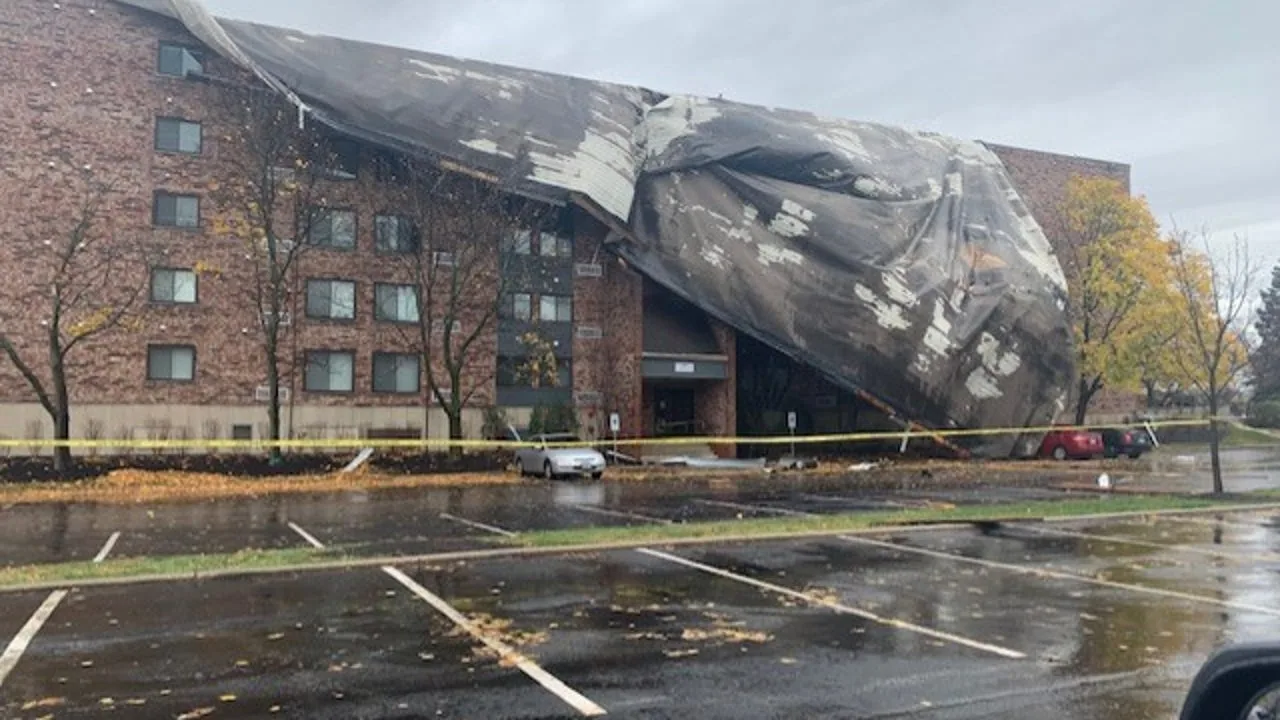
Spring combines DFW’s wettest conditions with its most active severe-weather period. A warning is not evidence that a particular clinic roof was affected. When a facilities contact reports a change, the inspection links the room, date, and roof location, then records the visible finding and any area that could not be reached. Frisco’s mobility plan discusses Dallas Parkway frontage and US 380, but staff must identify the property’s own emergency route and delivery gate. A storm-related roof review keeps those operational limits alongside the condition record.
Coordinate Work with Care and Service Hours
A roofing crew may need a lift, interior access, roof keys, a material route, or a brief exclusion zone. We coordinate each item with the facilities contact and keep the plan specific to a section. Work can often be staged so a clinic remains open, but room use, noise, odor, vibration, and the position of the repair determine what is workable. If the affected area cannot be separated from care, the proposal identifies the short closure or relocation window needed before mobilization.
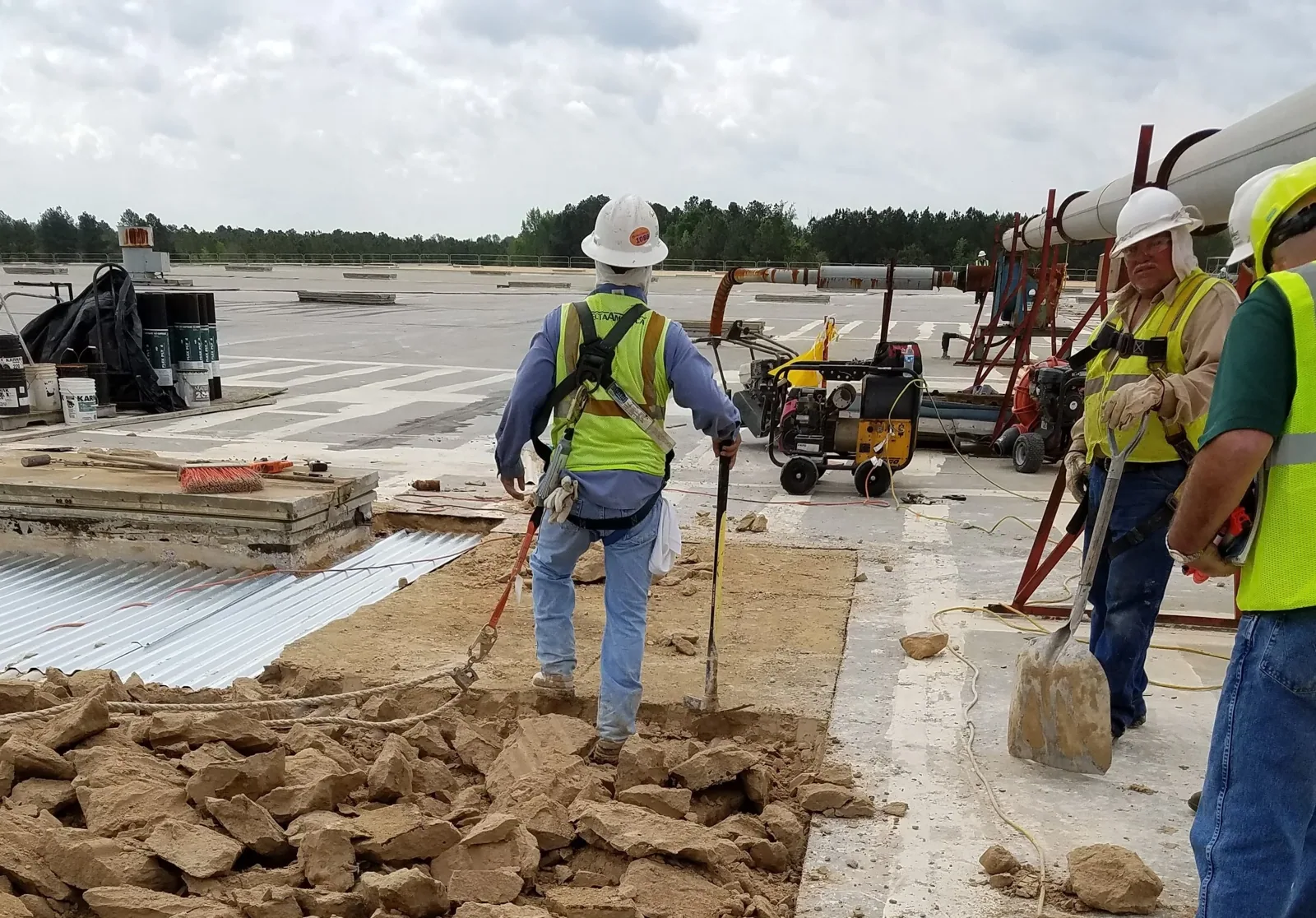
One person should receive the daily status and the concealed-condition request. If removal exposes wet insulation or damaged deck, we stop at the agreed boundary, photograph what is found, and price the added work for approval. A phased occupied-building sequence records patient-area notices, clean work limits, and where temporary protection remains. The building team sees the next action before a crew moves to another roof section.
Carry the Finding into the Next Facilities Review
The closeout file includes the repair location, photographs, materials, open items, and a suggested date for the next check. It can also note which access route and room boundary were used, so a later visit starts with the right contact. Frisco's downtown planning and North Platinum development describe distinct commercial contexts; neither tells a facilities team which roof details require work. We keep the recommendation tied to the observed assembly and the building's care schedule.
A system may need a localized repair, recurring inspection, restoration test, or a separate replacement evaluation. Those choices are listed independently so the facilities budget can follow evidence instead of an assumed service life. A property manager handoff can preserve tenant and access notes, while a capital review can carry documented condition into a portfolio decision. The same condition map can serve both without exposing patient information. Facilities can route the roof file through normal capital controls while keeping clinical names, room contents, and treatment information out of the work record.
Commercial Roofing Questions
How do you respond when a clinic has water over patient care?
We confirm the room, active water, equipment below, and facilities contact first. We can respond around the clock to protect the interior and trace the roof section. The work boundary keeps the crew away from care areas that cannot be interrupted, and the note identifies the permanent repair decision still needed.
Can roof work happen while a clinic remains open?
A phased plan may keep unaffected care areas operating when the roof opening, material route, noise, and interior protection can be isolated. We review the room use with facilities before setting the sequence. If the affected area cannot be protected, the scope names a limited closure window rather than leaving the decision until work begins.
What roof details need attention around HVAC equipment?
We inspect curbs, supports, penetrations, flashing terminations, nearby seams, and drainage around the service zone. The equipment itself does not identify the roof assembly below it. We record visible conditions and note whether a test opening or trade coordination is needed before a final repair boundary can be priced.
What will a healthcare roof report include?
The report can show dated photographs, section labels, observed conditions, access limits, repairs completed, and unresolved questions. It should exclude patient information and keep the roof record focused on the building. Facilities staff can then compare the next visit with a known repair line and a clear approval history.
Do spring storms mean a Frisco clinic has roof damage?
No. DFW spring is a regional severe-weather and rainfall period, but a storm record does not establish impact at a particular property. We inspect the reported area, compare the visible roof and interior findings, and document any openings or water path before recommending repair.