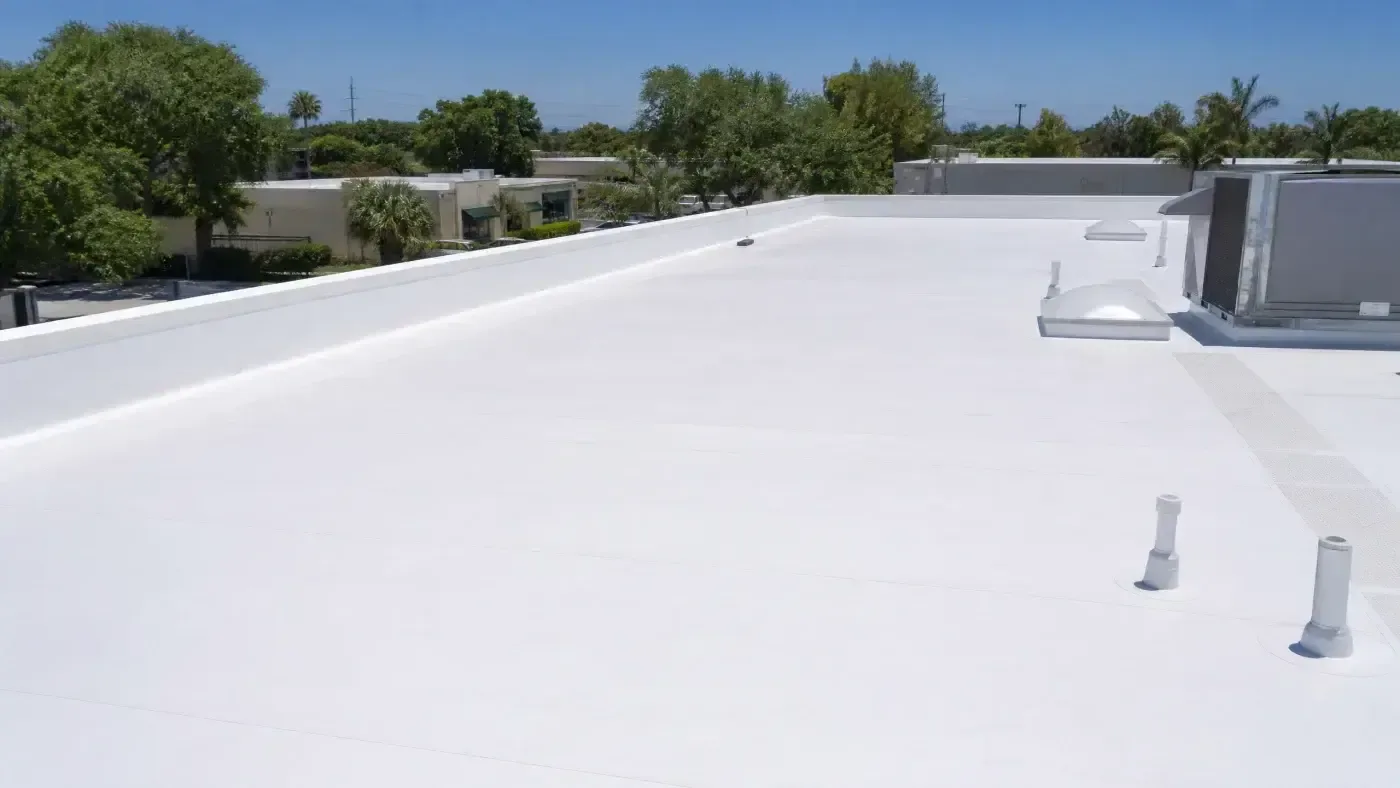
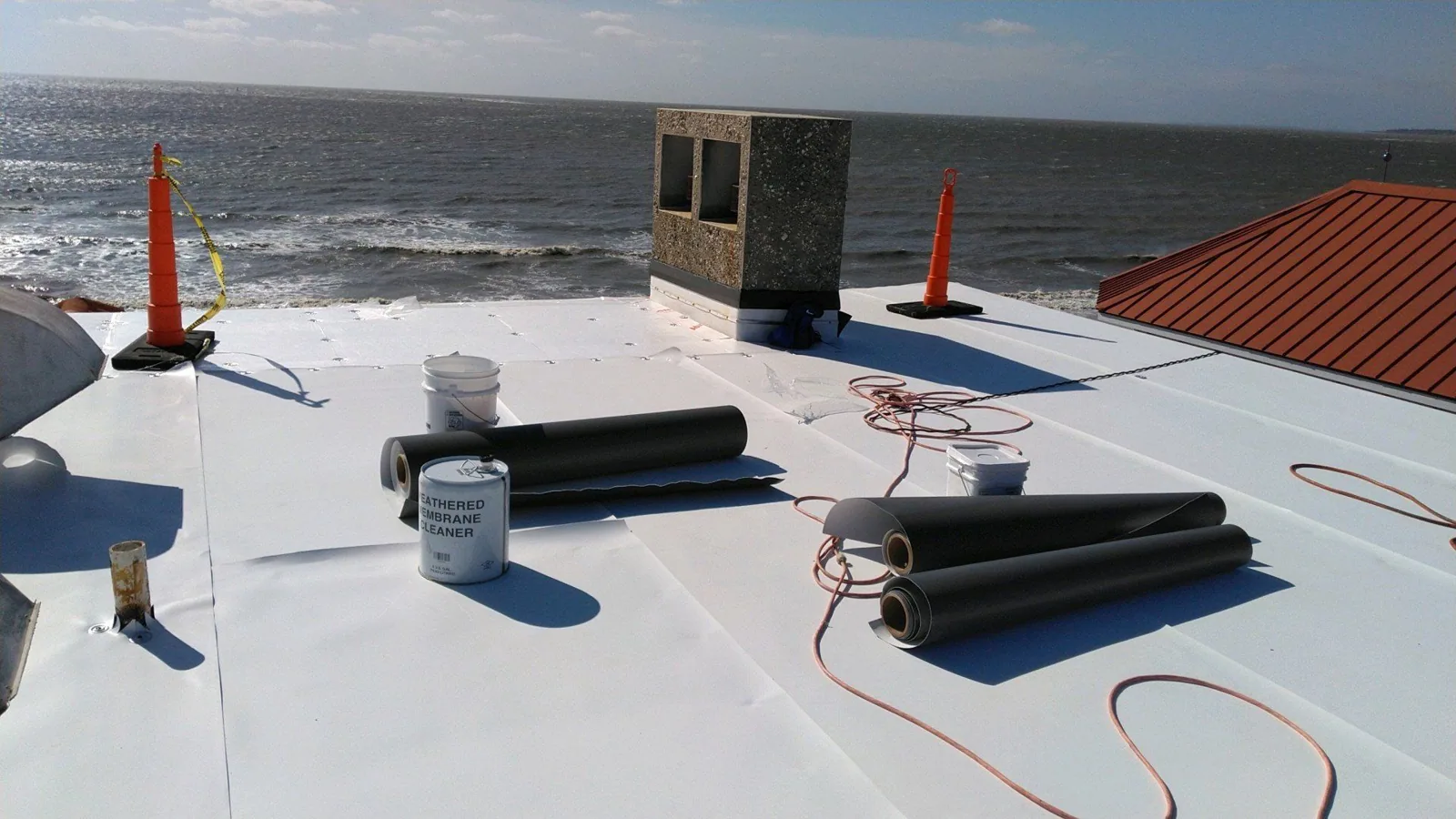
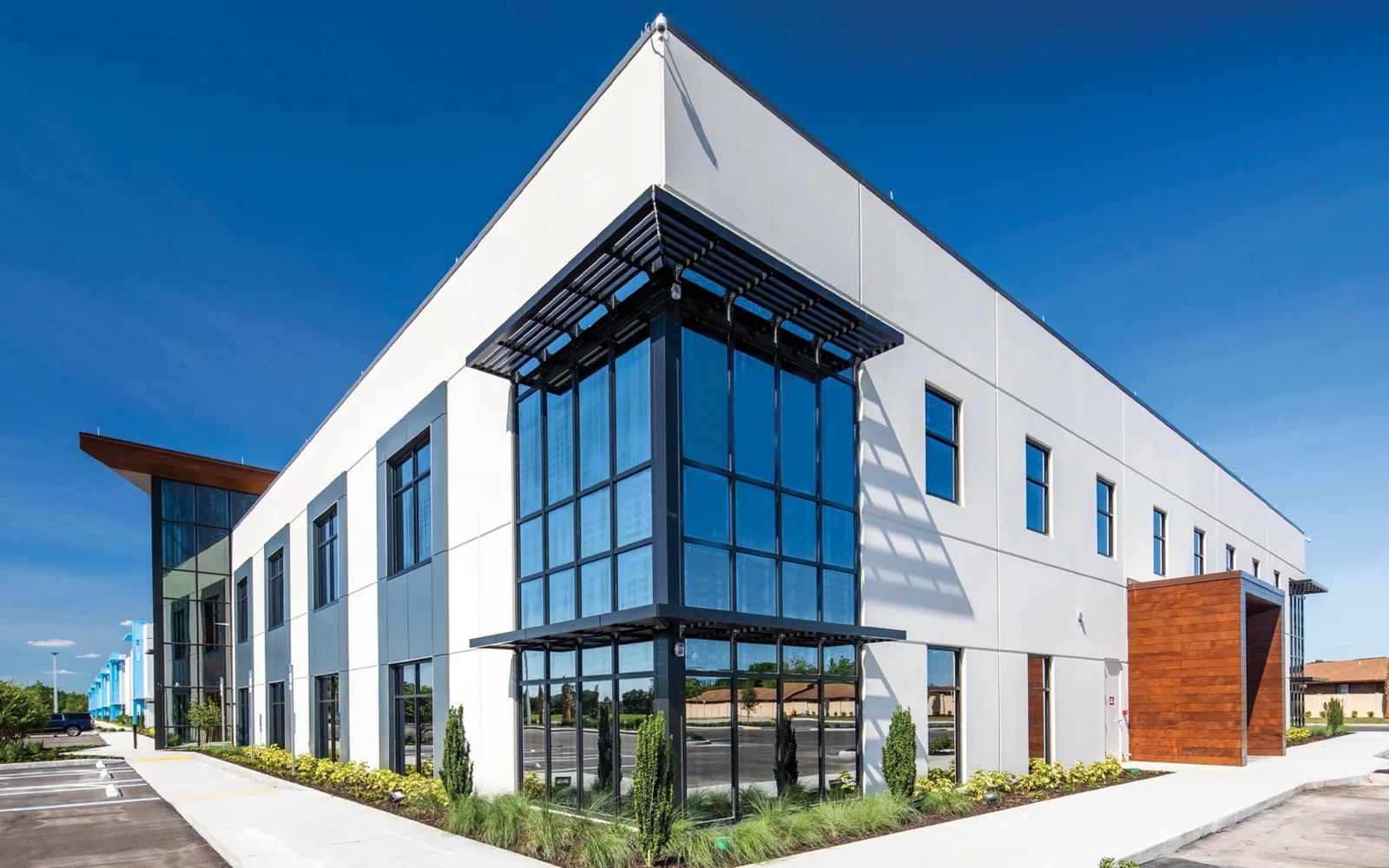
Repeated repairs on one Frisco, TX roof section can shift replacement timing; we map the boundary before discussing tear-off. In Frisco, TX, we map active leaks, wet insulation, open seams, and weak edges before setting a tear-off boundary. That first-hour record separates a repairable area from a system that keeps spreading the work. Frisco identifies Dallas Parkway and US 380 as parts of its mobility network and development context. Business-park planning includes office, office/warehouse, distribution, and showroom forms where zoning and truck access support them, each with different delivery limits. We plan the lift, disposal route, tenant notice, and weather window against the building schedule. The owner receives a phased scope that shows what comes off, what stays, and what must be rebuilt before the new membrane goes down. A hands-on commercial roof inspection gives the replacement decision a measured starting point.
Find the Limit of the Existing Roof
Water rarely follows a straight path from the entry point to the ceiling mark. It can move through laps, insulation joints, deck flutes, or a curb before it appears indoors. We trace the path and compare several roof sections, then mark where the membrane, flashing, or substrate has stopped holding. A patch can still be the right call when the defect is isolated and the surrounding assembly is dry. Replacement becomes more credible when repairs repeat across several areas, wet materials extend beyond the visible leak, or edge details have lost their attachment. We record those conditions instead of treating every stain as a reason for a tear-off. If a bounded repair will stabilize the roof, the owner sees that option beside the larger scope. A targeted repair plan may also protect the budget while a capital date is set.
Choose a Roof Assembly That Fits the Deck
The replacement specification follows the existing deck, slope, drainage, rooftop equipment, and intended service life. We inspect seams, penetrations, expansion joints, drain bowls, and perimeter conditions, then confirm what the deck can support. A recover layer may reduce removal work when code, attachment, and moisture conditions allow it, but trapped water cannot be covered over and called solved. Where wet insulation or damaged substrate is present, the scope must reach sound material before new layers are installed. Owners comparing TPO roof systems with other membranes should weigh detail count, service access, and future repairability along with initial cost. The North Platinum Corridor contains mixed corporate and commercial development, so roof design cannot be inferred from a nearby property. We write the assembly against the building we inspect, including transitions where new work meets retained roof areas.
Resolve Drainage Before Membrane Work
New membrane cannot correct a drain that sits above the low point or a deck that holds water. The survey checks primary drains, overflow routes, scuppers, crickets, and transitions where ponding can remain after a storm. We mark blocked strainers and damaged drain bowls separately from slope or deck issues because each calls for a different correction. The DFW station records 37.01 inches of normal annual precipitation for 1991-2020, with May among the wetter months. That regional measure makes a clear water path worth confirming before the roof is closed. Frisco downtown planning includes historic commercial buildings and ongoing reinvestment in the Rail District. At a nearby property, we check staging and storefront access before rebuilding drains. The same sequence changes at a broad business park with loading areas and rooftop equipment. We show the drainage work and its schedule in the scope, rather than burying it inside a membrane allowance.
Separate Scope Cost from Timing Risk
Replacement cost follows removal depth, deck repair, insulation, perimeter metal, penetrations, crane access, and disposal logistics. A building with repeated wet sections needs a different allowance from a roof with one failed curb. We separate confirmed work from concealed conditions so the owner can compare a defined base scope with documented contingencies. That lets a property manager reserve funds for the items that can be seen now without pretending the deck has already been exposed. Frisco’s business-park planning includes office, office-warehouse, distribution, and showroom uses where zoning and truck access permit them. Delivery windows and tenant circulation can therefore alter staging even when two roofs use a similar system. The owner gets a scope map, sequence, and decision date before material orders begin. If the roof can remain stable through a budget cycle, we identify the interim repairs and monitoring needed to protect that timeline.
Keep the Building Operating
A reroof can proceed around an occupied building, but daily operations need a real sequence. We divide the work into areas that can be opened, dried in, and closed within the available weather window. Deliveries, crane picks, fire lanes, customer entrances, loading doors, and rooftop mechanical service all belong in the staging plan. A restaurant or medical office may need a quieter or shorter work period than a distribution building with a separate loading approach. We agree on access, interior protection, and notice timing before the first tear-off. A commercial office roof plan can help owners identify how tenant hours and equipment affect the work order. The same attention applies when the property mixes office and warehouse space. Our supervisor records each completed section, checks the temporary edge protection, and confirms that the next area can be exposed safely before work advances.
Leave a Record for the Next Budget Date
The closeout record should make the next inspection easier, not just document that crews left. We provide photographs of the completed roof sections, drains, perimeter details, penetrations, and tie-ins, along with notes on any retained materials. The owner can use that condition map to plan maintenance, track later repairs, and compare future capital requests against the replacement scope. In a larger portfolio, a roof condition report keeps findings tied to a specific section instead of a broad roof label. If the replacement covers only one phase, the record marks where the new assembly ends and the older roof remains. We also review access requirements for follow-up work and identify items that need an earlier check after severe weather. For a property in the North Platinum Corridor, that record can distinguish a roof decision from the plans for nearby sites.
Commercial Roofing Questions
What evidence makes replacement more practical than repeated repair?
Repeated leaks, widespread wet insulation, loose perimeter details, and repairs crossing multiple roof sections can point to a system-level problem. We map each condition and compare the repair boundary with the area that must be opened to reach sound material. If a contained repair will hold, we price and schedule that option too. The decision follows the condition map, not a calendar age by itself.
Can a roof recover avoid a full tear-off?
A recover can reduce removal when moisture findings, attachment, deck condition, and local code support another layer. We first check the existing assembly and take cores where the survey calls for them. Wet insulation, poor attachment, or too many existing layers can rule out that path. The proposal states the inspection findings and the removal boundary before the owner chooses.
How does Frisco summer weather change the work window?
High temperatures affect crew pace, adhesive handling, and the hours when exposed materials can be worked safely. We stage each area so it can be dried in before weather or daily heat limits the shift. Spring storms also make forecast checks and temporary edge closure part of the sequence. The site conditions and product instructions set the daily plan.
What information should the owner receive before approving the scope?
The decision package should show the roof areas included, repair or replacement boundaries, drainage corrections, edge metal, penetrations, access assumptions, and allowances for concealed deck conditions. Photographs and a marked plan let finance and operations review the same work. We identify the decision date for material release and any phasing choice that changes access or cost.
Can tenants and staff remain in the building during replacement?
Many occupied projects can stay open when deliveries, pedestrian routes, interior protection, and noisy work are coordinated. We divide the roof into daily work areas and keep a dry-in plan for each exposed section. The owner confirms access restrictions and sensitive operations before mobilization. If a particular activity requires a shutdown, we name it early and schedule it with the building team.