A ceiling stain is evidence of water, not a map of the roof opening. In Frisco, we start a commercial leak visit by confirming whether water is active, protecting the affected interior, and tracing the likely path above it. A drain, curb, seam, edge, or membrane puncture calls for a different check. We photograph the roof section and compare visible conditions with the location of interior staining before pricing permanent work. DFW spring storms and prolonged summer heat inform scheduling, but regional weather does not prove a specific building was struck or overheated. The first-hour plan separates temporary protection from a repair that can be inspected and closed. For urgent conditions, our emergency roof response establishes that sequence with the owner.
Trace Water Before Opening the Roof
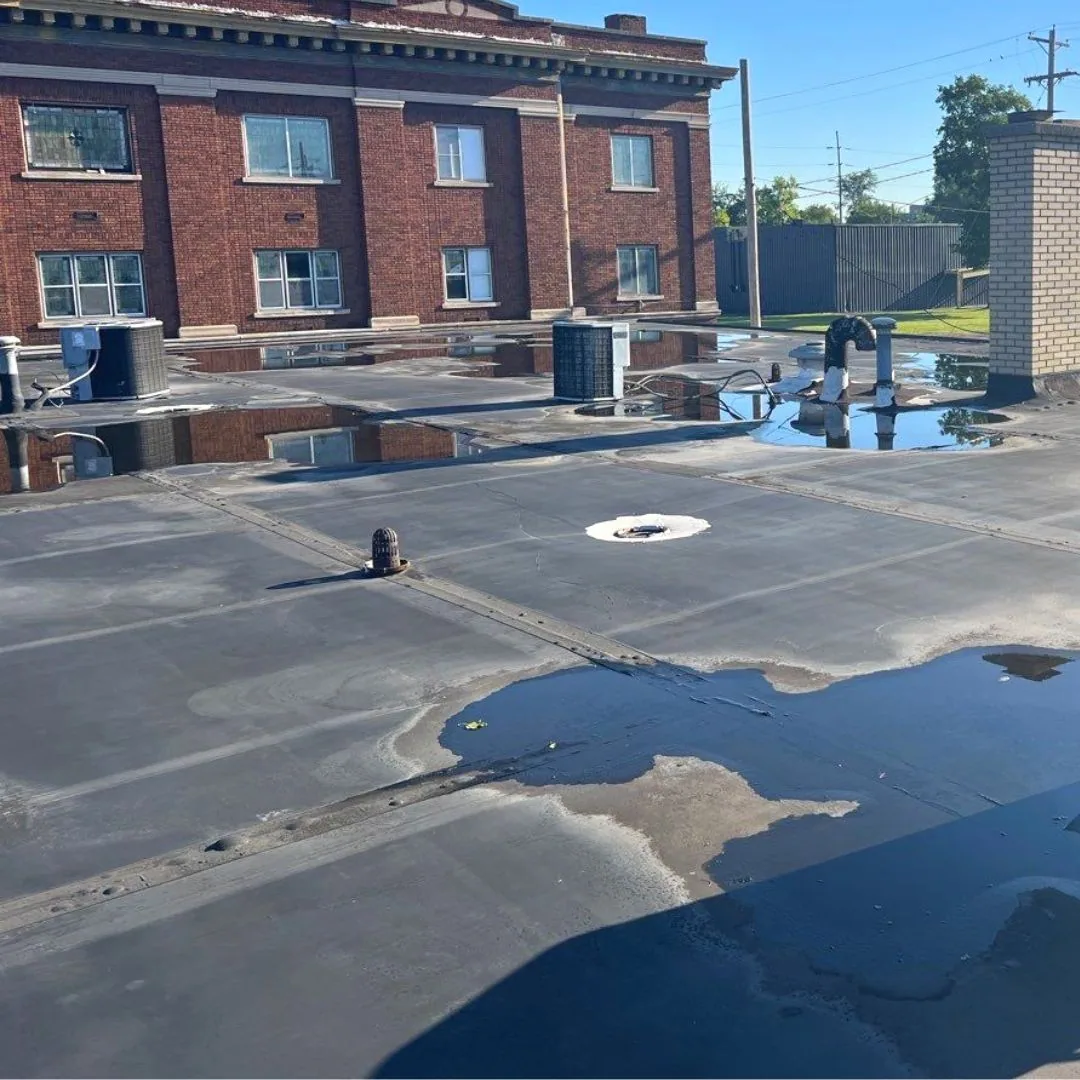
We follow the water path from the interior evidence to the roof details that could explain it. Water may travel across the deck or insulation before appearing at a ceiling joint, light, or wall. The inspection checks seams, flashings, penetrations, drain bowls, overflow routes, edge metal, and prior patches in the affected section. We note whether each condition is wet, displaced, split, or simply weathered. If the first visible defect does not explain the pattern, we inspect adjacent transitions instead of applying sealant to the nearest point. Photos record the route and the repair boundary. That written map helps a property manager explain why the proposed repair is wider than a single puncture, or why the first patch can remain limited.
Protect the Interior While the Source Is Confirmed
When water is active, the immediate task is to reduce exposure below the roof while keeping people away from electrical or ceiling hazards. The building contact identifies affected rooms, stock, equipment, and occupied hours. We coordinate temporary containment with site staff and record what is protected, what remains exposed, and when the condition should be rechecked. Interior protection is a short-term control, not proof that the membrane has been permanently repaired. We tell the owner what can be done safely in the current weather window and which permanent steps require a dry surface or compatible material temperature. A measured roof inspection can follow after temporary protection to document the full condition without confusing the emergency action with the capital scope.
Match the Repair to the Assembly
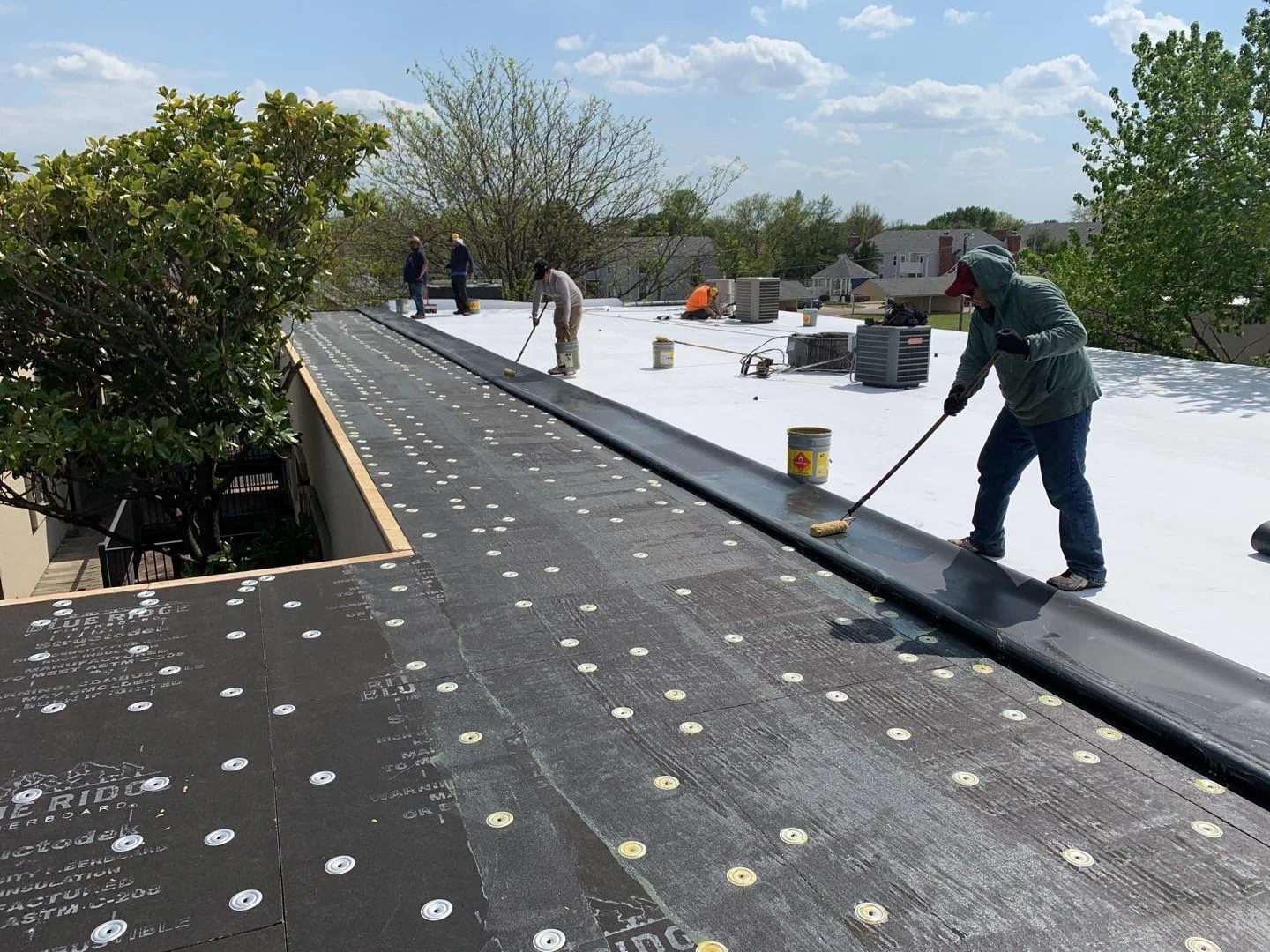
A membrane puncture may accept a compatible patch after the surface is cleaned and prepared. A separated seam requires checking the bond or weld beyond the opening. At a curb, the flashing height and termination may be the failure; at a drain, the bowl, clamping ring, and membrane connection all matter. We verify the existing roof assembly before ordering materials, since primers, adhesives, weld settings, and patch dimensions vary by system. The work description identifies preparation, materials, overlap, and any nearby weakness excluded from the repair line. An EPDM roof assembly uses a different seam approach from thermoplastic roofing, so the visible surface alone is not enough to choose the method.
Set a Practical Access Window
A commercial leak repair usually takes place while the property remains in service. We confirm roof access, escort rules, ladder or lift placement, delivery traffic, and the hours when work above occupied rooms is acceptable. Frisco business-park planning permits office, office/warehouse, distribution, and showroom forms where zoning and truck-route access support them. Downtown planning also includes historic commercial buildings and reinvestment, so we check the actual roof access and staging conditions at each property. We ask the building contact to identify active rooftop equipment and service paths before work begins. US 380 also connects the city's east-west route network, while property-level truck access remains the crew's staging check. A clear access window reduces avoidable setup time and helps the owner understand which operational constraint affects the estimate.
Define Cost and Scope Before Expanding
The repair number changes with height, access, roof system, preparation, material availability, and the area of wet insulation or damaged deck that must be opened. We show the confirmed repair separately from optional investigation or adjacent maintenance. If a concealed condition appears after a controlled opening, the crew records it and pauses before expanding the approved boundary. That gives the owner a decision with photographs and a revised quantity rather than an unexplained invoice. Repeated failures or widespread deterioration may justify a replacement comparison, but one leak alone does not establish that a reroof is necessary. The budget note names the next spend, the condition that would trigger it, and any access or interior-protection allowance. A property near Frisco's Dallas Parkway corridor may have different material access than a downtown storefront, so we confirm the actual roof route and loading window before staging.
Close the Repair and Keep a Storm Record
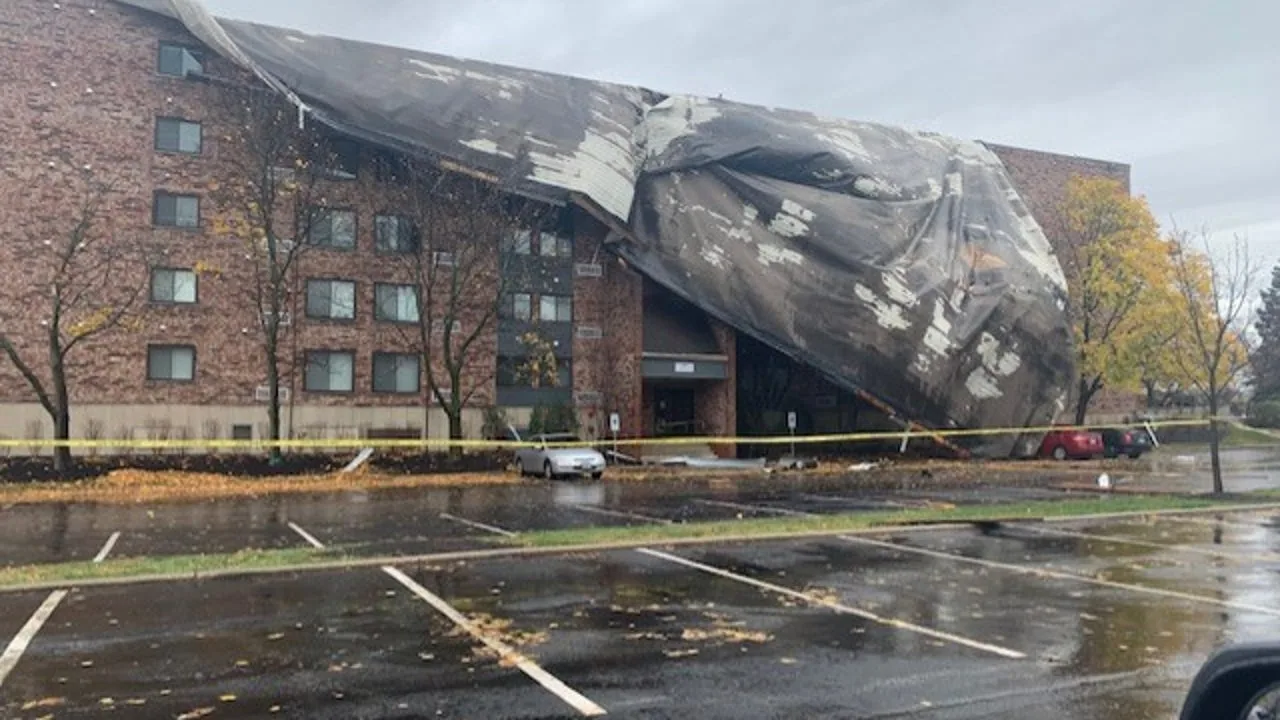
After permanent work, we inspect the closed seam, flashing, or patch, confirm nearby drains are clear, and photograph the finished detail. The closeout identifies the roof section, material used, repair date, and any item left outside the approved scope. If a storm contributed to the call, we distinguish observed impact from ordinary aging and preserve a dated record for the owner’s file. A hail-damage inspection can document visible impact indicators without assigning cause from a regional storm report alone. The follow-up interval reflects the repaired detail and surrounding condition. If water returns, the earlier map gives the next visit a starting point and helps avoid repeating checks that already ruled out a path.
Use the Repair Record at the Next Budget Review
A useful repair file lets an owner compare today's work with the roof's next capital decision. We organize photographs by section, record the confirmed source and repair boundary, and label recommendations as completed, deferred, or requiring another test. A roof with an isolated detail failure can stay in a maintenance plan; multiple separated defects may call for a broader survey. The report records what evidence supports each recommendation and what remains uncertain. For a multi-tenant property, the notes can also identify occupied hours and interior protection needs without naming tenants in public-facing material. This creates a practical handoff between the person who received the leak call and the person who approves the next spend.
Commercial Roofing Questions
Can you find a leak when the ceiling stain is far from the roof opening?
Yes. Water can move along insulation, deck flutes, or framing before it becomes visible indoors. We compare the stain with roof seams, curbs, drains, edges, and prior repairs, then document the likely route and the evidence supporting it. If the path remains uncertain, we recommend a targeted next check instead of claiming a source we have not confirmed.
Is temporary protection the same as a permanent repair?
No. Temporary protection limits exposure while conditions or access prevent permanent work. The closeout states what was protected, what remains open, and the next inspection or repair step. A permanent repair requires confirming the roof detail, preparing compatible materials, completing the work, and inspecting the closed area.
What affects the cost of a commercial leak repair?
Access, roof height, assembly type, preparation, material, work hours, and hidden wet insulation or deck conditions can change the quantity. We separate confirmed work from allowances and pause for approval if an opening reveals a condition outside the agreed boundary.
When should an owner consider replacement instead of repair?
Consider a broader comparison when failures recur across roof sections, deterioration is widespread, or repairs no longer produce a stable boundary. We show the condition map and repair history alongside a replacement scope so the owner can compare timing and capital needs. One isolated leak does not by itself establish that replacement is due.
What should the building contact provide before a site visit?
Share the affected interior area, whether water is active, roof access instructions, occupied hours, and any recent repair or storm records. Photos from below can help prioritize protection, but the roof still needs inspection before the cause and permanent repair scope are confirmed.