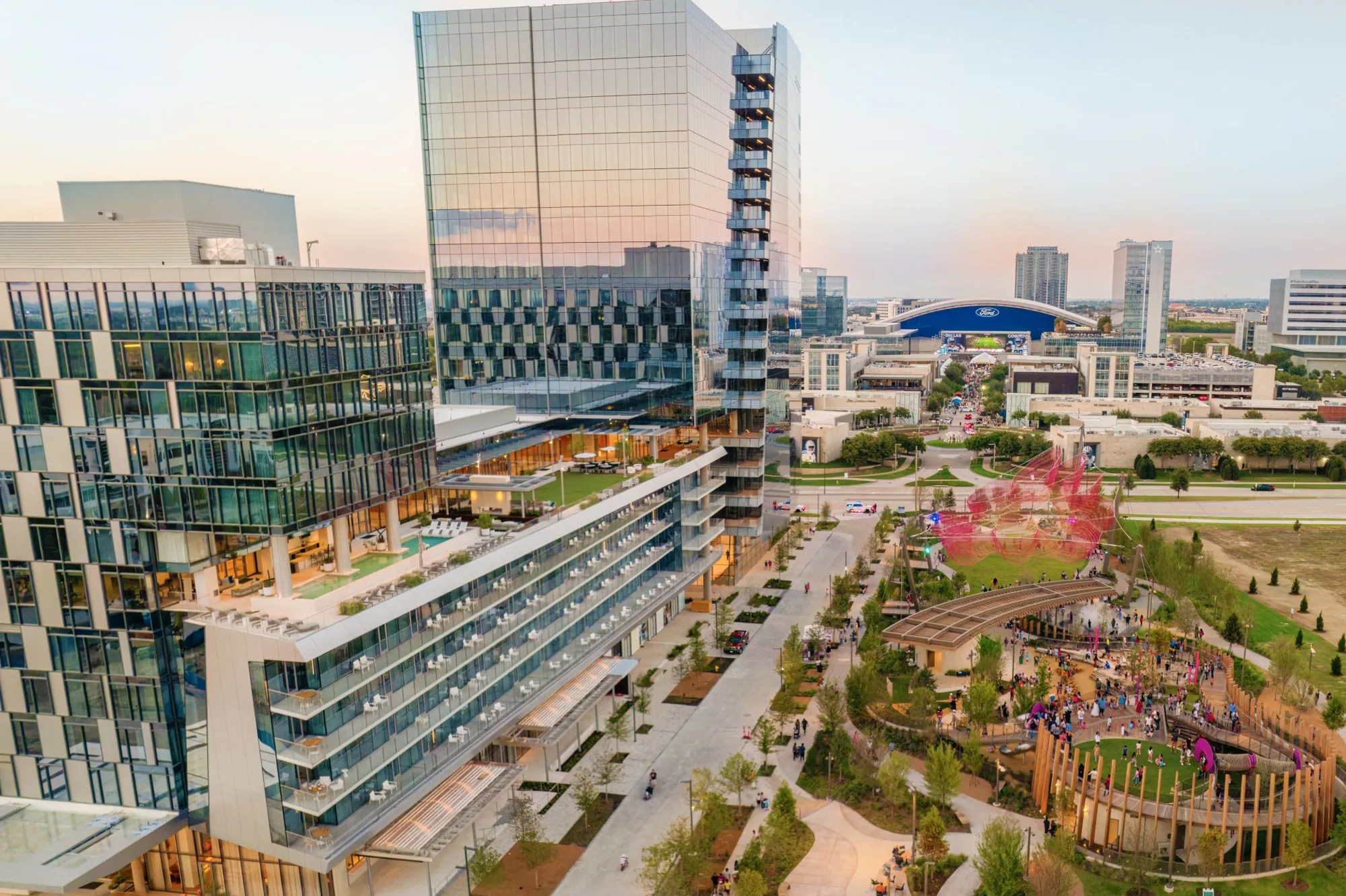
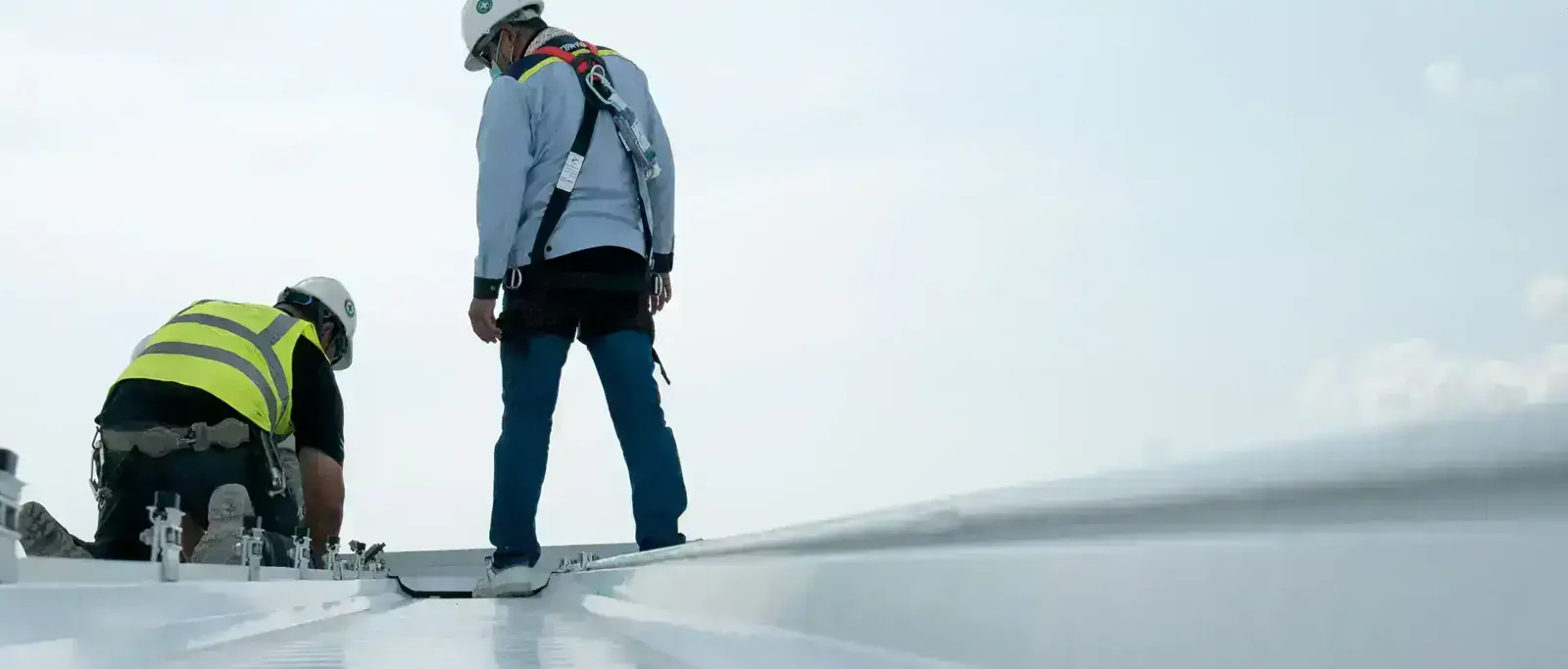
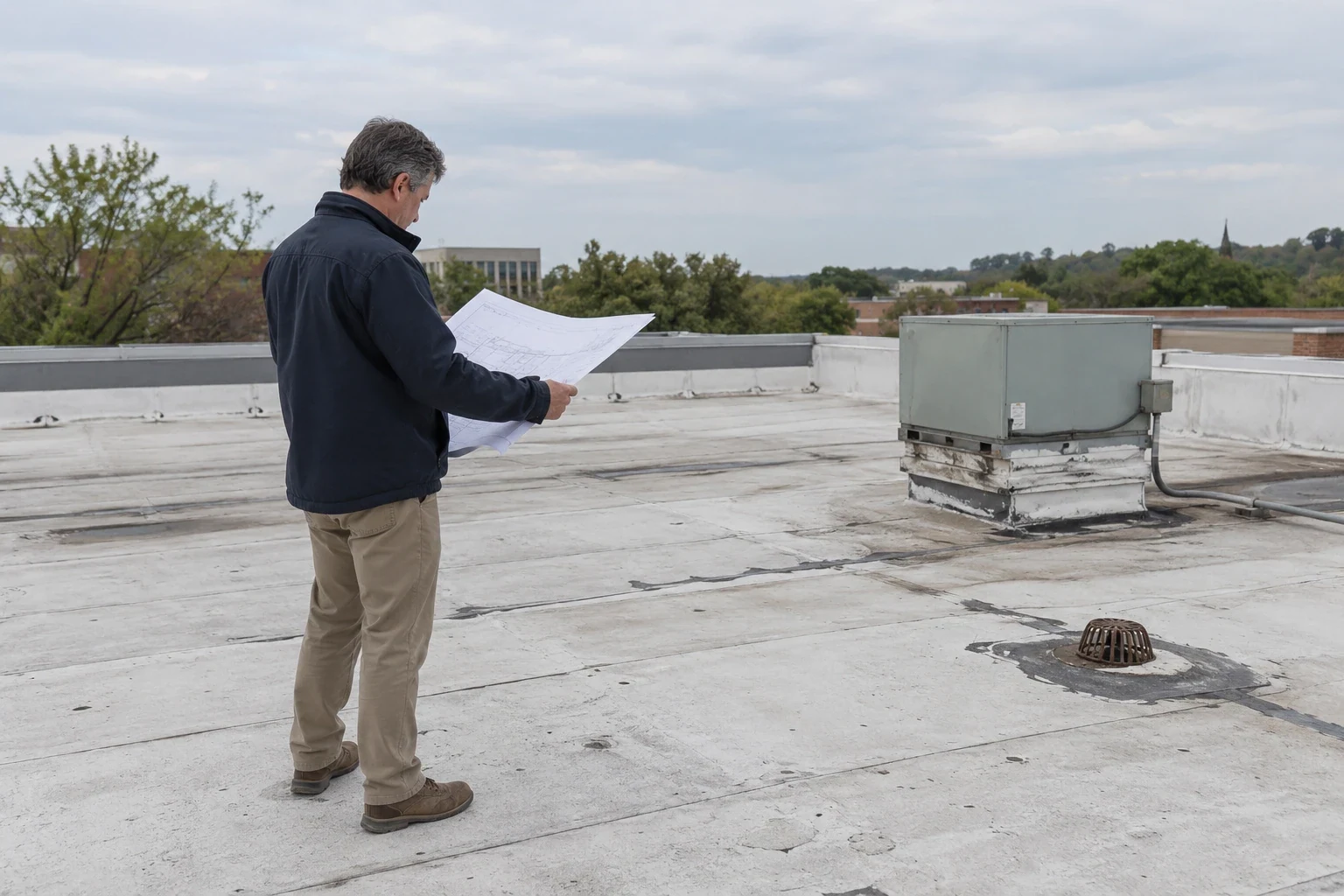
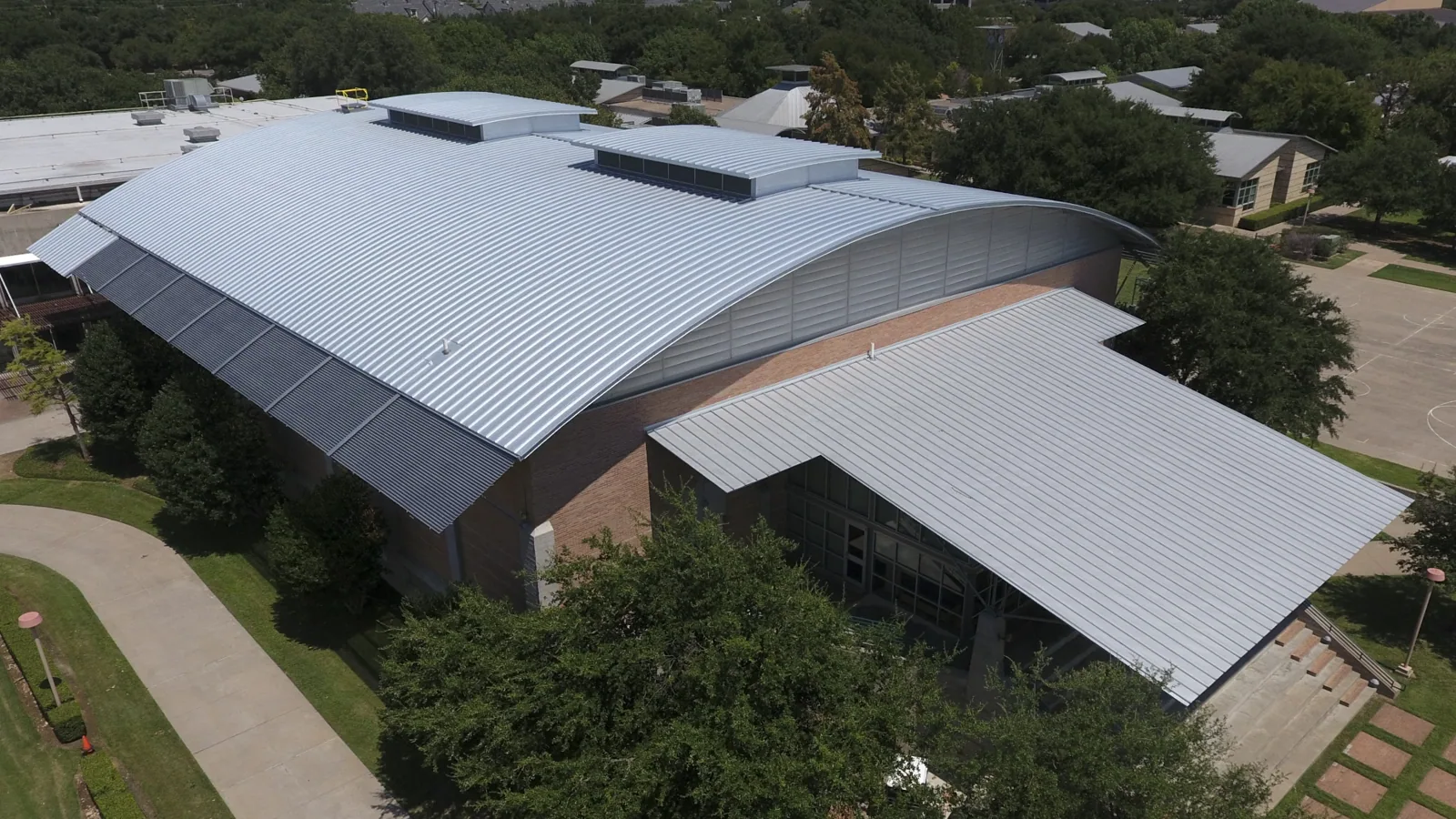
A roof decision enters an acquisition model before the leak is fully understood. We inspect the affected section, record visible conditions, and separate immediate protection from capital work that needs a broader scope. Frisco's corporate and mixed-use sites near the North Platinum Corridor sit alongside commercial buildings in the Rail District and its downtown blocks. The business-park plan also permits office, warehouse, distribution, and showroom uses when zoning and access support them. Those local contexts can change staging and tenant timing, but each roof still requires its own assembly review. A fractured record can overstate capital risk or hide a needed repair, so we tie each finding to its roof section. A North Platinum asset visit gives the owner a roof map to compare with due-diligence documents.
Separate Observed Condition from Underwriting Assumption
A broker note, ceiling stain, or aerial image can flag a question, but it cannot define the repair boundary. We check membrane or metal type, seams, penetrations, drains, curbs, edge metal, prior patches, and accessible interior signs. The written finding identifies what was visible, where a test opening may be needed, and how concealed insulation or deck condition could change the scope. That is useful in Frisco, where historic downtown commercial buildings and larger corporate and mixed-use projects around North Platinum create different access and phasing questions. A roof due-diligence survey can help an investor separate a current repair from an unresolved diligence item.
We keep a valuation assumption tied to its evidence. If water is active, the first-hour plan identifies protection and a same-day decision contact. If the roof is dry but a seam or curb needs follow-up, the record can assign a review date without treating the entire field as failed. A condition inspection gives the owner photographs and location references before the next capital meeting.
Keep the Repair Line Distinct from Replacement
An isolated failure and a roof near the end of its service life lead to different next spends. We price repairs by roof section, preparation, compatible materials, and the transition that must be restored. Replacement planning identifies removals, insulation, attachment, drainage, edge work, disposal, and the process for approving concealed conditions. A coating is considered only after substrate, moisture, adhesion, and detail checks support restoration. The investor receives options with separate assumptions rather than a single figure that hides the difference between a patch and a capital project.
A capital schedule can put an urgent leak, a monitored area, and a future replacement date on different lines. A restoration review may suit an intact assembly with localized work, while a replacement scope can address broader deterioration. We state when the evidence is strong enough to choose and what inspection step would narrow an open assumption.
Price Timing against Frisco’s Weather Window
For underwriting, keep weather context separate from the condition assumption entered for an asset. The regional DFW average daily high reaches 95.8°F in August after 95.6°F in July. Spring remains the wettest severe-weather period, useful context for diligence timing rather than an asset condition. These values can inform diligence timing and access planning, but neither is a roof rating. The inspection record should identify what was observed at each section, what remained concealed, and which test would change the reserve or near-term repair line. If the acquisition date is close, label each item as verified, estimated, or not yet inspected before placing it in the reserve.
A regional warning or date supplied by the seller can set the review window. It cannot replace a documented finding on seams, drains, flashings, or the interior water path. A Rail District property may need a different access plan than one along the broader Dallas Parkway or US 380 network, so we confirm the site contact, delivery route, and occupied hours for each building. The Rail District commercial inspection returns a site-specific record rather than a district-wide assumption.
Compare Properties without Flattening the Differences
Investors need consistent fields for each building, not one roof grade applied across an entire portfolio. Our condition map can carry roof section, assembly, leak history, drainage, repair date, access limitation, and remaining questions. That lets asset staff compare two Frisco buildings while preserving the evidence behind each recommendation. A managed office suite may need tenant notice and room protection; a distribution property may require a controlled dock and lift route. A property management work file can keep that coordination alongside the technical record.
At closeout, the owner receives photographs, completed quantities, material notes, repairs that remain open, and the next review date. If the transaction changes hands, a clear file helps the incoming manager see which costs were approved and which conditions remain untested. A dated roof condition report can travel with the asset file. It supports a budget discussion without presenting a visual inspection as a warranty or an engineering conclusion.
Put Access and Approval into the Bid
A scope can lose time when no one knows who can authorize a test opening or added deck work. We identify the owner contact, property manager, tenant notification path, roof-access rules, and approval threshold before mobilization. The written proposal sets a daily open-and-close boundary and explains how the crew documents hidden conditions before proceeding. If roof work competes with HVAC service or loading, we note the route and time window. That helps asset, operations, and finance staff review the same scope without mixing their decisions.
Frisco's business-park planning treats employment uses as a mix of office and modern industry, while its downtown planning recognizes a different commercial setting. We use those facts as prompts for site questions, not proof of a specific building's use. A phased reroof schedule can protect occupied hours. For a lender or equity review, a construction scope coordination plan can clarify the roof boundary and handoff documents.
Commercial Roofing Questions
What should an investor ask for before closing on a Frisco property?
Start with dated roof photographs, the assembly description, known leak locations, prior repairs, drainage notes, and any access limits. We identify the roof sections reviewed and list areas that require a test opening or records check. The result supports a repair allowance or follow-up question without claiming a concealed condition was inspected.
Can you estimate remaining roof life from a visual visit?
A visual visit can document wear and compare observed details, but remaining service life depends on the actual assembly, maintenance record, moisture, attachment, and conditions not visible at the surface. We state what the inspection supports and price additional testing separately. That keeps a forecast from becoming a promise about an unexamined roof.
How do you compare roofing costs across several assets?
We use separate records for each roof section, repair boundary, access plan, and hidden-condition allowance. An office property near the Rail District and a warehouse near US 380 may have different work windows and staging requirements. The owner can compare equivalent scope fields while keeping site-specific quantities and assumptions visible.
When is restoration worth reviewing instead of replacement?
A restoration review is reasonable when the underlying roof is stable and dry enough for the selected system, preparation, and flashing work. We check adhesion, moisture, substrate, and transitions before pricing that option. If those conditions do not hold, a repair or replacement comparison gives the owner a clearer next spend.
Who approves concealed-condition work during removal?
Before mobilization, we identify the decision-maker and show how the crew will document a hidden issue, protect the roof opening, and price the added repair. Work outside the signed boundary waits for authorization. That process gives the investor a chance to review the evidence before a new capital line is installed.