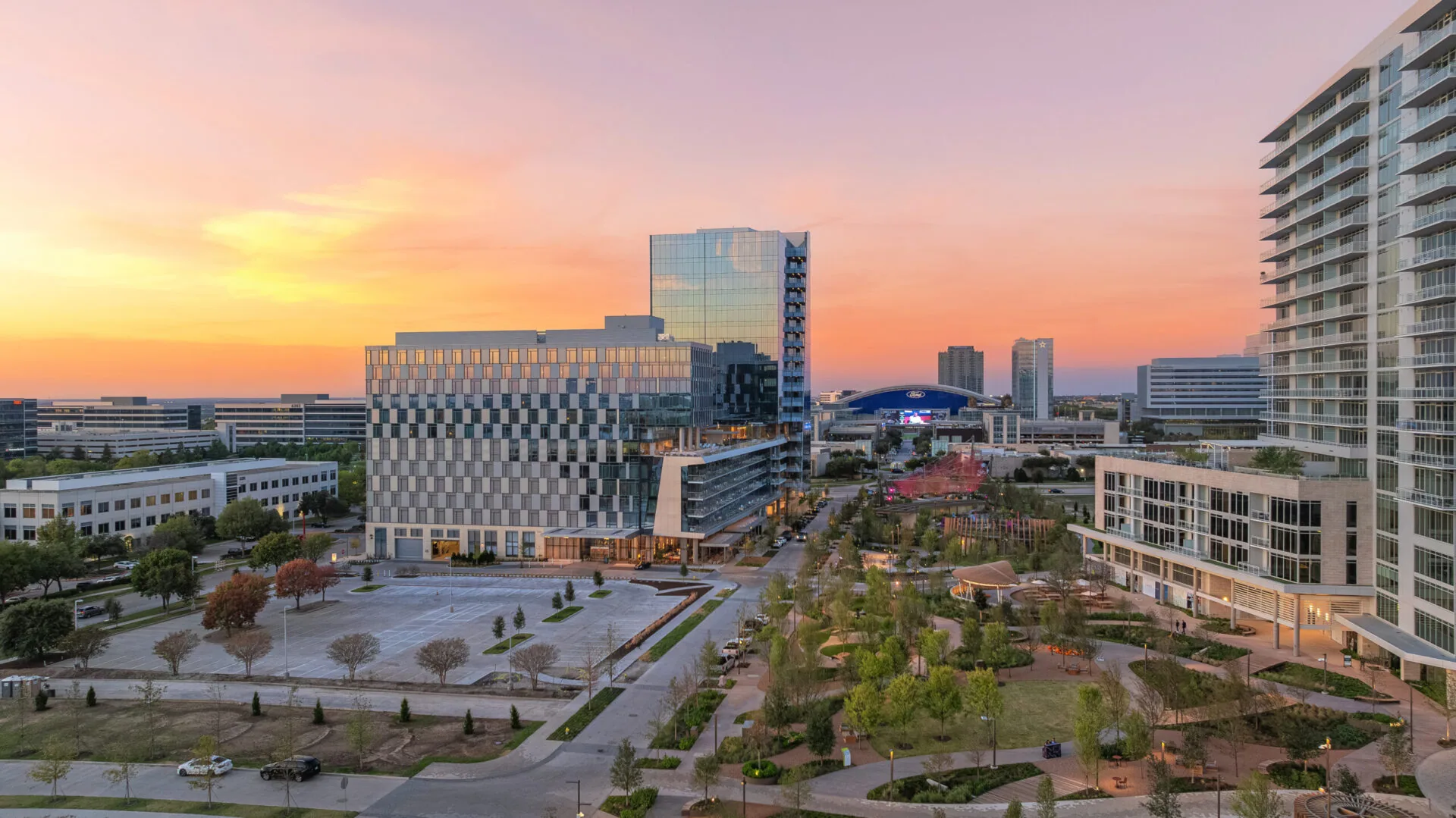
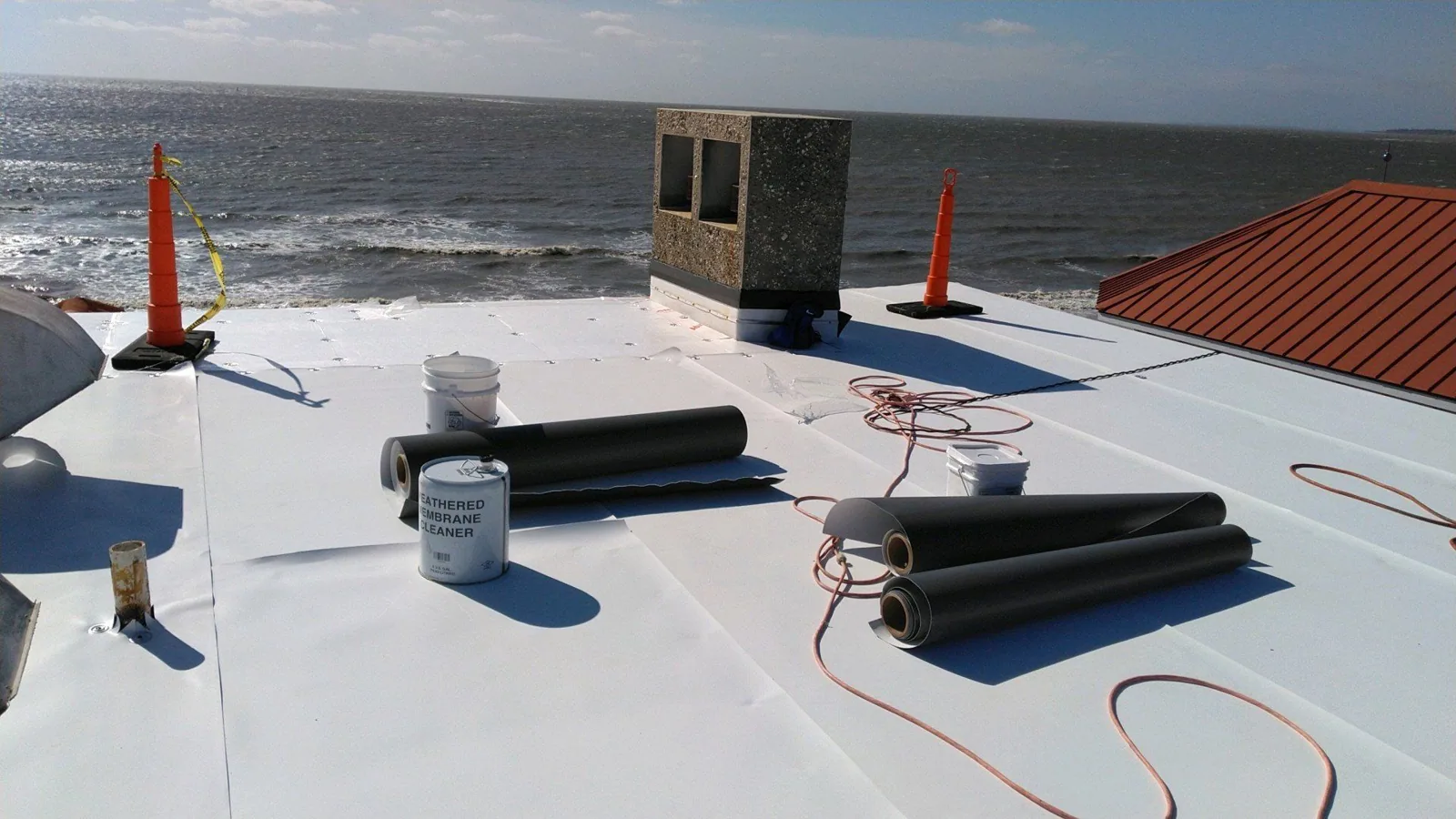
An EPDM leak can follow a lap, a pipe boot, or a drain detail before it reaches the interior. The owner needs a repair limit before another storm or operating cycle puts that area back under pressure. In Frisco, TX, we inspect the rubber sheet, seams, flashing bonds, and nearby insulation, then mark what can be closed in one visit. A black surface alone does not show whether the membrane is sound or whether an older patch is holding. North Platinum's corporate and mixed-use properties and the Frisco Rail District's historic storefront context create different access questions, but neither supplies a diagnosis. Our inspection records the roof section, water path, and repair boundary. That lets the owner choose between a localized fix, a limited opening to check wet material, or a larger replacement review with the next budget date in view.
Follow the Lap, Not the Ceiling Mark
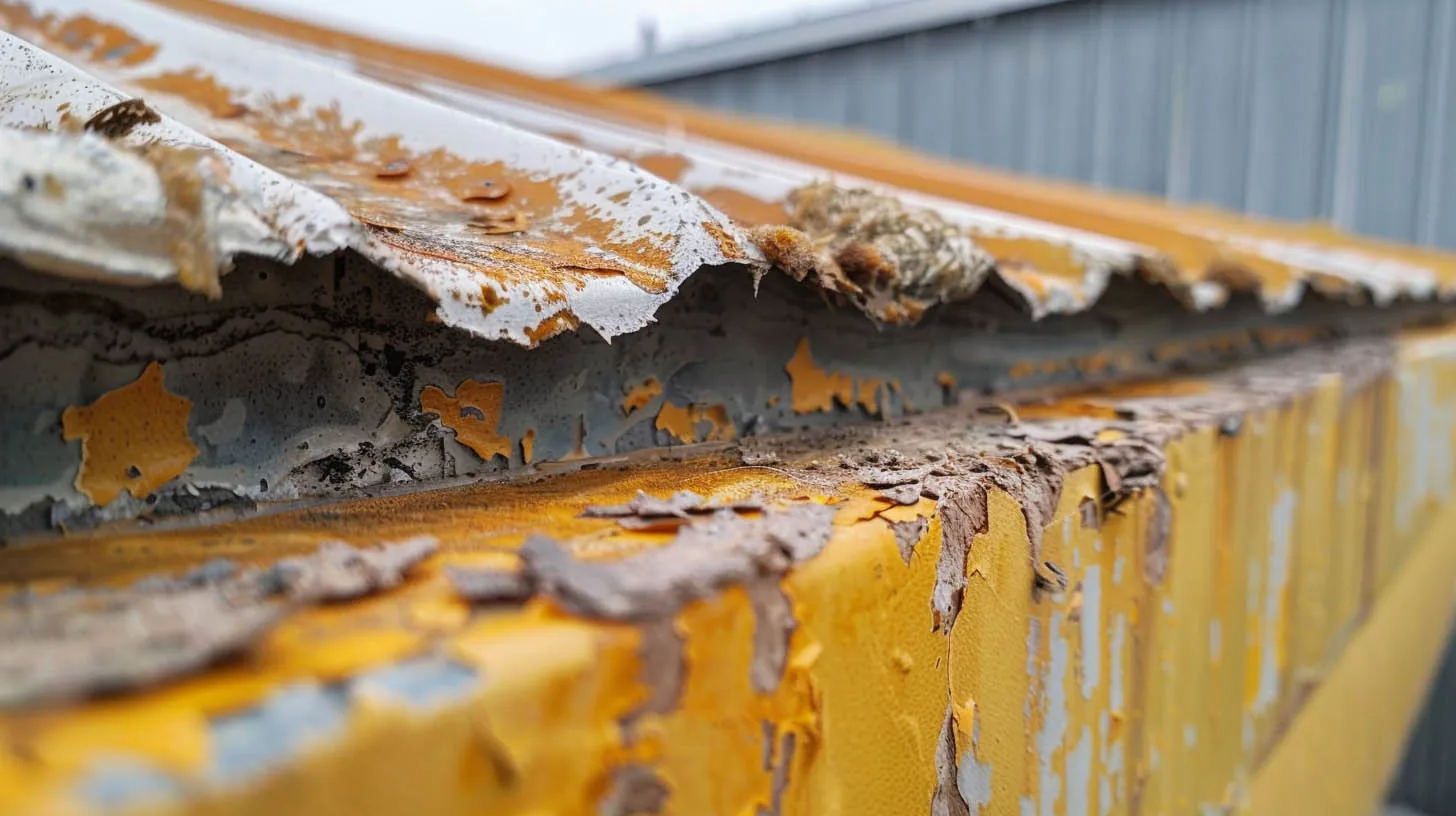
EPDM field seams may use tape or adhesive, depending on the system and installation. We inspect the lap edge, bond, contamination, wrinkles, and any stretch where sheets meet a curb or change in plane. A loose edge can admit water well beyond the visible opening, so we check the surrounding field and trace the path toward the interior. The repair plan depends on whether the sheet is cleanable, flexible, and wide enough to accept a sound patch. If the membrane has become brittle or several laps are lifting, one isolated patch may simply move the next failure a short distance away. We photograph the seam and identify the material and preparation needed. A seam-failure assessment can document the opening and set a boundary for the permanent work, while temporary protection remains a separate line in the scope.
Treat Flashings as Their Own Repair Line
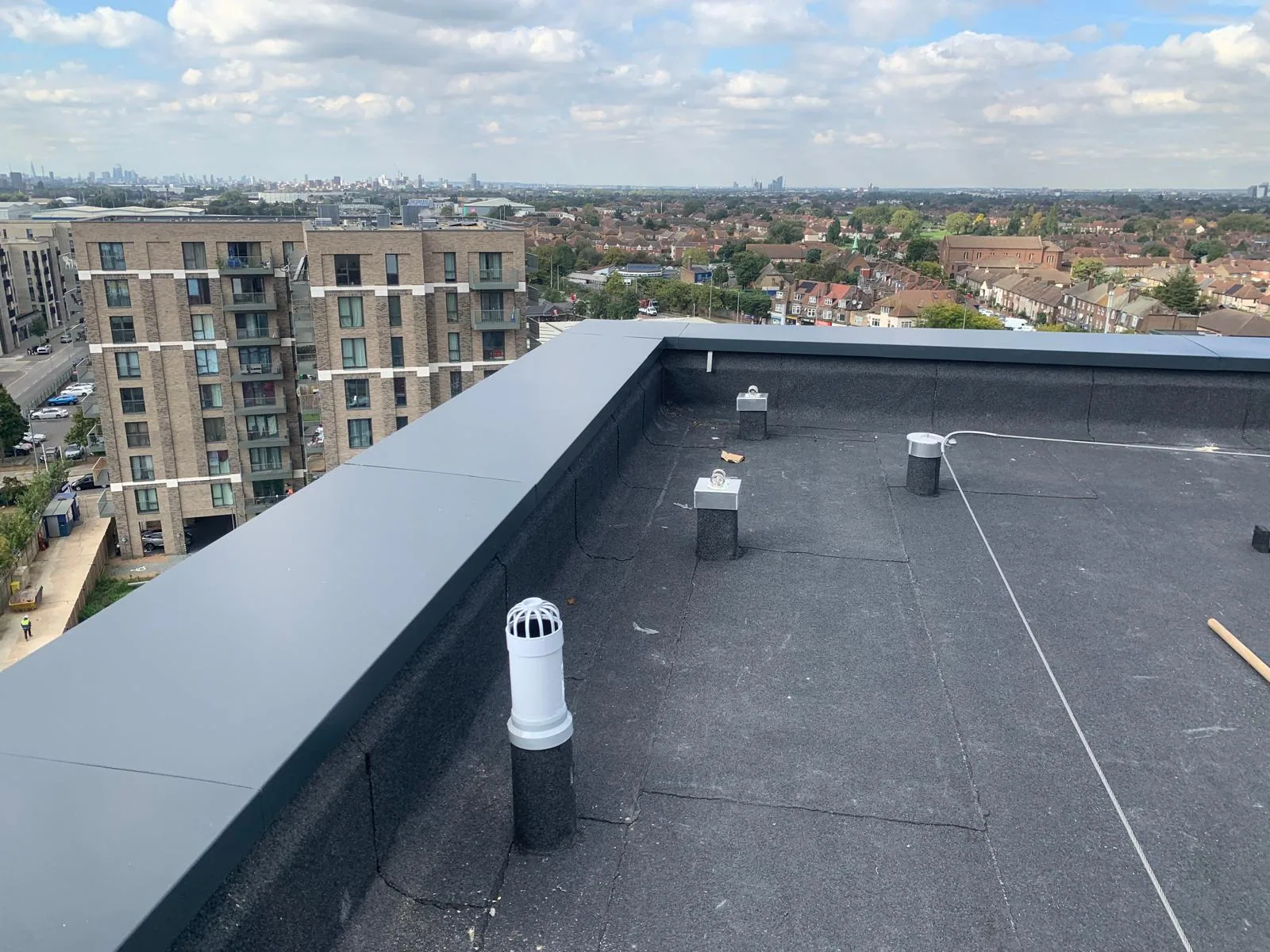
EPDM at a pipe, curb, wall, or roof edge needs a transition that stays bonded while the building and roof move. We check the boot, termination bar, sealant, counterflashing, and sheet edge rather than assuming the field membrane caused the leak. A patch that stops short of a loose flashing leaves the water path open. We also inspect around rooftop equipment for service traffic or a later trade cut that may have disturbed the rubber. For an edge split, a perimeter-metal review helps separate sheet repair from cleat, fastener, or coping work. If both conditions are present, each receives a defined scope and access plan. Frisco's downtown plan includes Main Street and Fourth Street work; at a storefront in that broader district, we confirm pedestrian protection and material movement before selecting a repair window. The property-specific walk determines what is needed.
Check the Insulation Before Closing the Roof
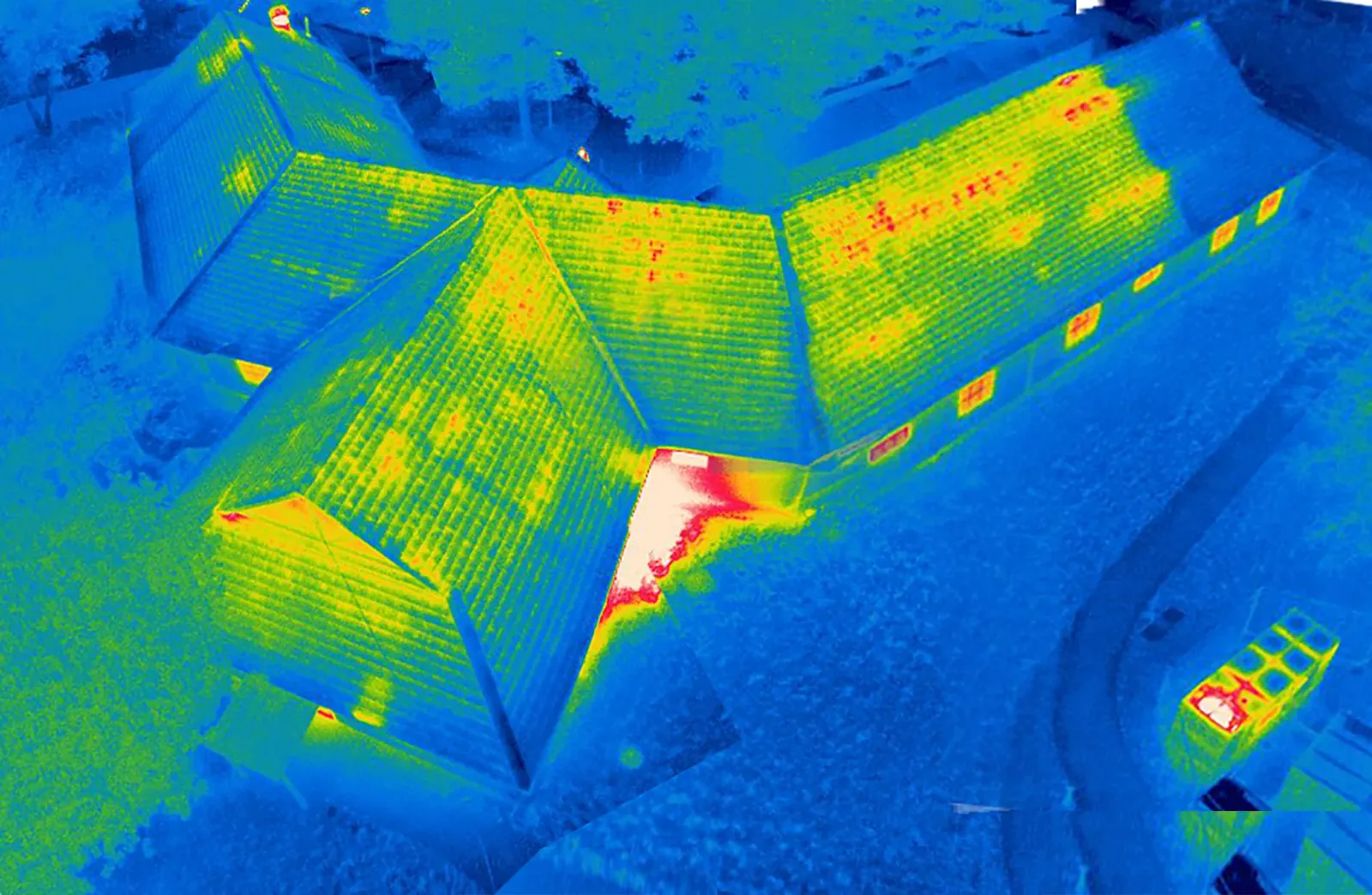
Before covering a suspect area, we decide whether the insulation is dry enough to remain. A membrane can hide a wet board, and an infrared image by itself does not identify the repair boundary. The moisture survey is one input; test cuts or other approved verification may still be needed. We sketch thermal patterns, probe representative locations, and compare readings with roof history and interior observations. Each opening is numbered and closed with a compatible temporary repair until the owner approves permanent work. The report separates confirmed wet material from areas that need additional testing, so the replacement quantity does not expand by assumption. We also record board thickness and attachment where visible. The next decision can then be whether to replace a localized section, continue monitoring, or include a broader insulation scope in the capital plan.
Protect the Work Window
Adhesive placement, seam work, and membrane cleanup each need their own protected time. We stage the job so a crew can finish a lap and secure its termination before access closes. The Dallas Parkway corridor is a useful regional reference because Frisco identifies it within its mobility and development network; it does not define the delivery route for any building. Site personnel confirm the actual entrance, lift position, and truck restrictions. EPDM sheets may need ballast or another attachment approach depending on the assembly, so the work plan states which method is present before material is ordered. We note the day's installed boundary, temporary securement, and any area left open for inspection. The next shift begins from a known edge, helping the property team coordinate access without assuming that yesterday's conditions still apply.
Compare a Patch with the Next Capital Step
The cost of EPDM repair follows sheet condition, seam length, flashing count, insulation exposure, roof height, and access. We write a limited repair separately from optional work that is visible nearby. If the inspection finds recurring lap failures or broad material deterioration, we compare repair frequency and disruption with a defined replacement section. A TPO system or PVC system may be considered when the owner is evaluating a different assembly, but deck, attachment, drainage, use, and future service access control the fit. Frisco's 2025 business-park plan allows office, warehouse, distribution, and showroom forms only where zoning and truck-route conditions support them. Those uses can influence staging; they do not identify the roof on a particular property. We return photographs, a map, and the date when the owner needs to choose repair, test, or replacement. The work record should also state which section remains under observation and who controls access for the next visit. That keeps the interim repair from being mistaken for a full-system conclusion. It gives operations and finance one boundary to review.
Commercial Roofing Questions
Can an EPDM lap be resealed without replacing the sheet?
A local repair can work when the surrounding rubber remains flexible and the lap can be cleaned and prepared to the product instructions. We inspect beyond the visible separation and confirm whether the bond failure stops at a clear boundary. If the sheet is brittle or several seams are lifting, the report compares a larger section instead of recommending another short patch.
How do you find wet insulation under EPDM?
We combine the water path, visible membrane conditions, interior reports, and drain review. A survey may help prioritize where a test opening should go, but the material must be checked directly before it is called wet. The scope shows the suspected area, test location, and what removal would follow if the opening confirms moisture.
Does a black EPDM roof need a different Frisco summer schedule?
Surface temperature, adhesive directions, wind, and safe access determine the daily work period. Frisco summers bring sustained heat, so we schedule around the actual roof surface and product limits instead of relying on a calendar date. We keep a dry-in step for any section that cannot be finished within the approved window.
When should an EPDM roof be compared with another system?
Consider a system comparison when repairs recur across several sections, material deterioration is broad, or the owner is already setting a capital date. We review deck, insulation, drainage, attachment, penetrations, and operating limits first. The scope then shows the alternatives and their preparation requirements without treating a single leak as proof that the whole roof needs replacement.
What should be in the EPDM repair closeout?
We record the section, seam or flashing repaired, surface preparation, materials, photographs, and any nearby condition left for monitoring. If wet insulation was tested, the note states the opening and result. The owner can use that record to compare the same detail at a later inspection and keep the repair decision separate from future capital work. Finance receives a dated record before the next reserve review.