A production leak can halt a line before the source is visible. We protect the affected equipment, locate the interior water path, and identify the roof area that needs examination. Frisco’s 2025 business-park category is primarily nonresidential and its plan emphasizes office and modern-industry settings; actual land use and permitted activity still depend on the property. That planning context cannot identify a factory’s assembly, receiving pattern, or roof equipment. We confirm those items with site staff before selecting a repair boundary. The broader North Platinum corporate and mixed-use area is not evidence that a particular plant is there. A North Platinum roof review records the building and its production access separately.
Protect the Production Area First
The first-hour plan identifies the active leak, machines or stock below it, and the supervisor who can authorize access. We can set temporary protection around the affected area while the crew inspects seams, curbs, penetrations, drains, and wall transitions above. Water may travel along a deck flute, conduit, or insulation joint before it reaches a line, so the stain alone does not define the repair boundary. Our around-the-clock response records where the water appeared and what remained dry after protection.
Production teams often need a clear aisle for material movement and maintenance access. We ask which equipment cannot be covered, what work must stay uninterrupted, and when a limited exclusion zone is possible. If a roof opening needs temporary cover before a shift change, the closeout note names the section secured and the item awaiting permanent repair. A leak response scope can then separate immediate protection from the approved repair line.
Check Seams, Curbs, and Utility Penetrations
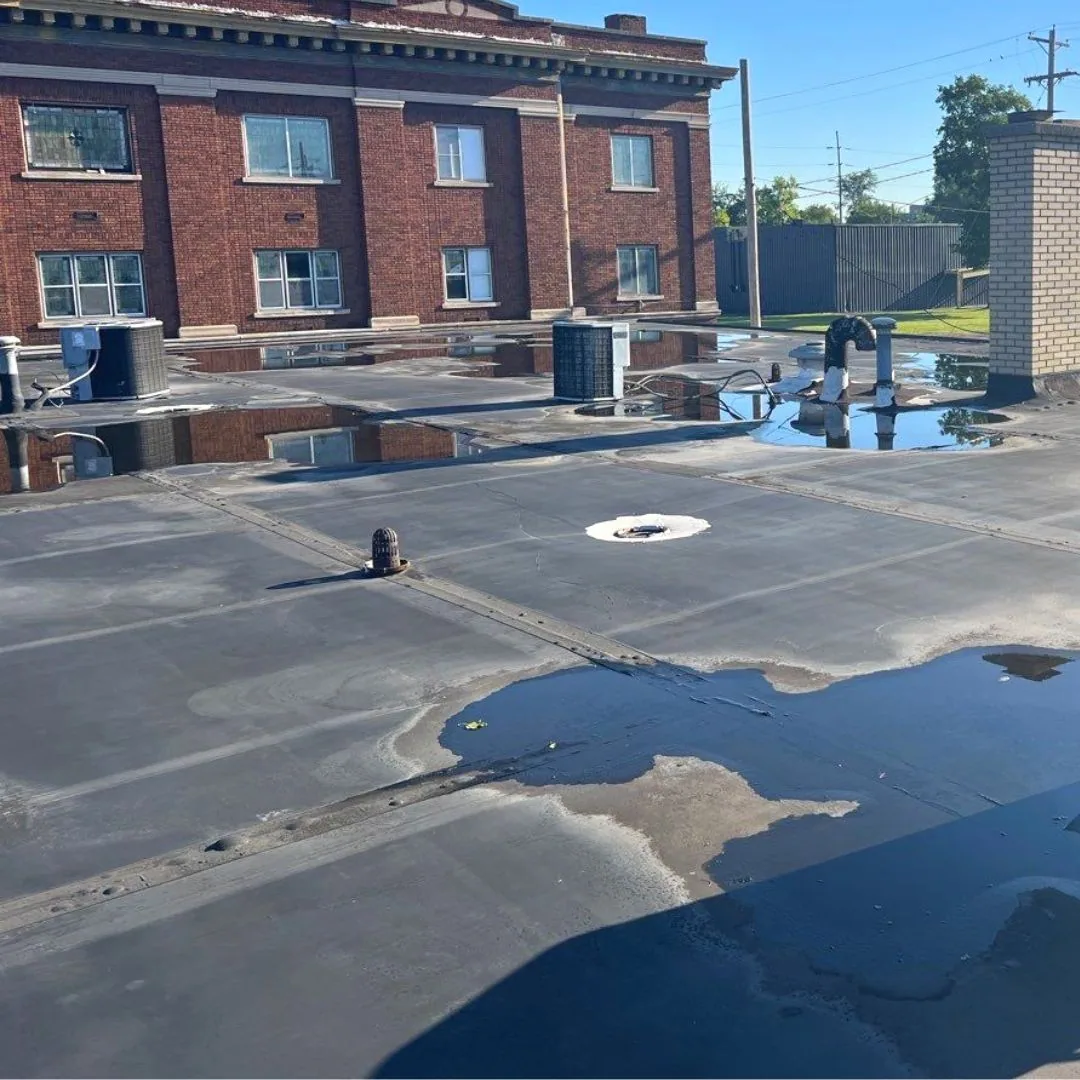
A manufacturing roof can carry ducts, exhaust, pipe supports, conduit, and equipment added by different trades. We inspect the membrane or metal around those details instead of assuming the widest roof area is the source. The crew checks seam separation, fasteners, flashing terminations, surface damage, drains, and earlier patches. If the visible system cannot be identified with confidence, we state the limit and may recommend a small test opening before pricing a recover or replacement.
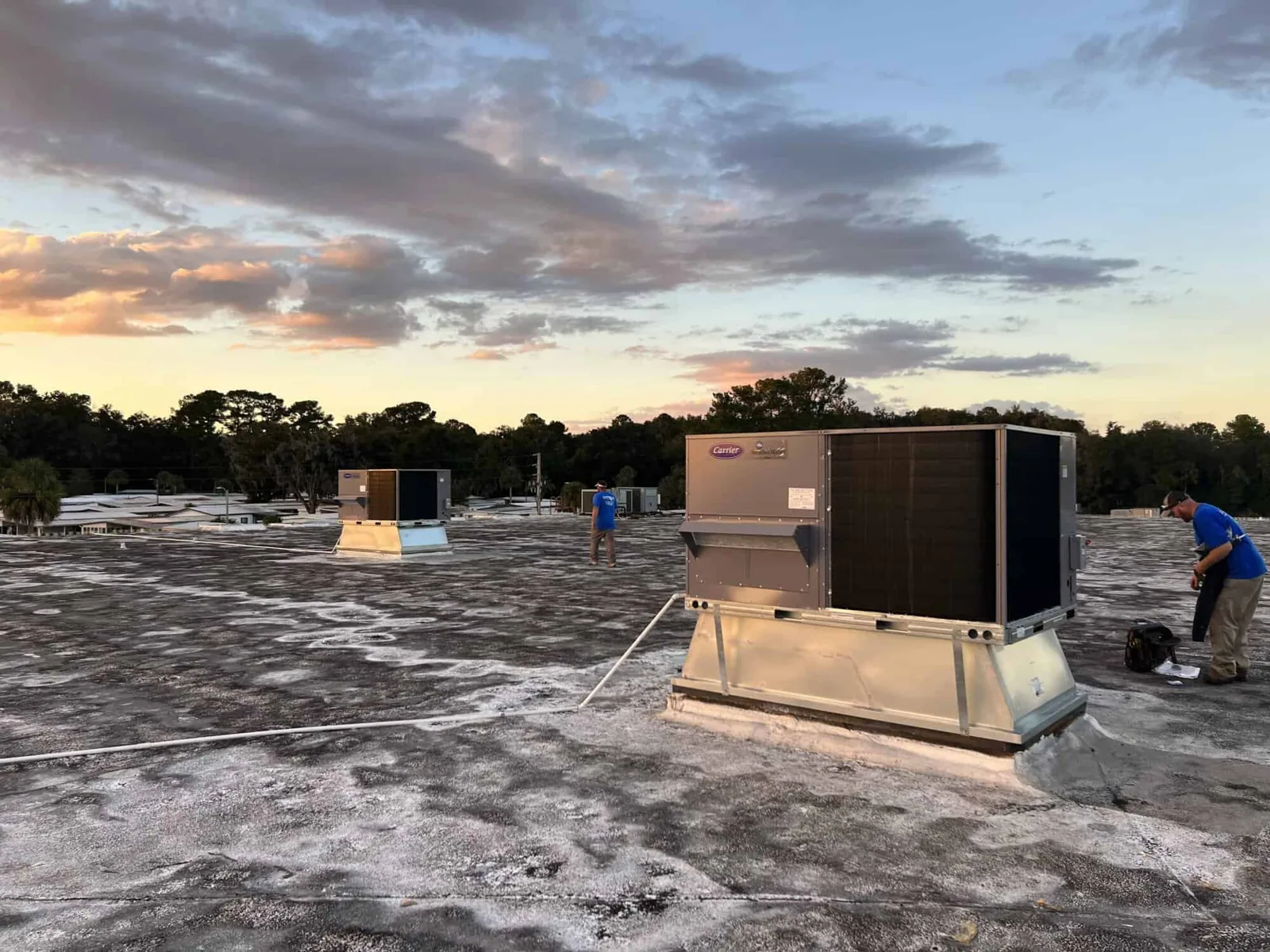
The inspection record maps each finding to a roof section and photograph. If the plant has equipment service scheduled, we coordinate the roof route and protect the working clearance around units. A curb and support repair can be listed separately from a broad membrane repair, so the owner can approve the actual transition that needs work rather than a generic allowance.
Match Staging to the Loading Route
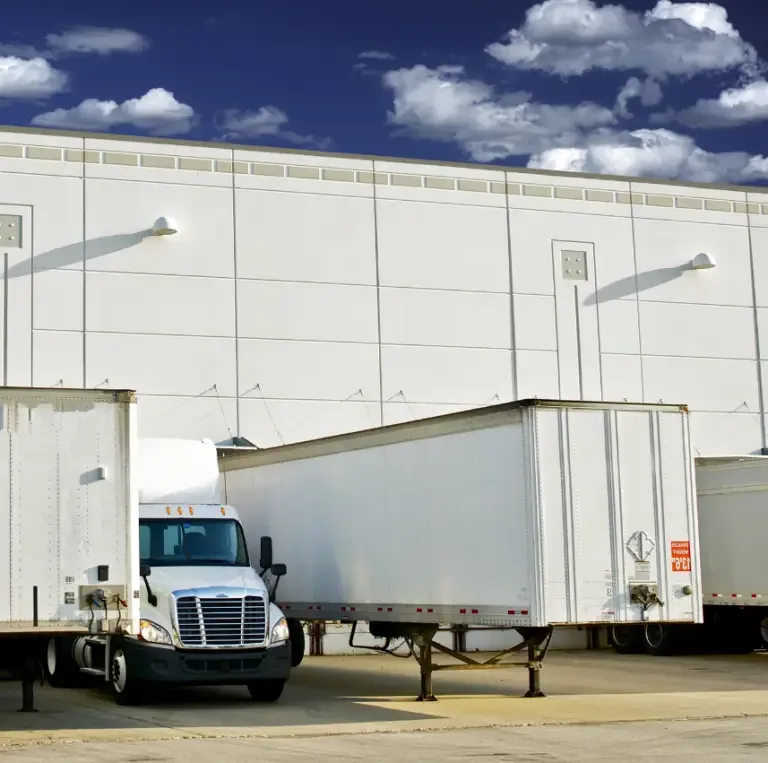
City transportation documents identify improvements along Dallas Parkway’s frontage road and US 380. A Frisco production site still needs its own delivery instructions, gate confirmation, and staging approval. The plant contact confirms the gate that can accept a trailer, the receiving appointment, the turning space, and the path a lift or material bundle may use. We record the route that must remain open so roofing staging does not interfere with a production delivery.
Before the first shift, we draw the roof opening and staging boundary against the plant’s operating schedule. The daily note records where material sits, which section reached a weather-tight close, and what remains for the next approved window. A distribution work plan can help frame receiving constraints; a phased work sequence sets the order of roof tasks without presuming production can stop.
Tie Regional Weather to a Specific Roof Finding
When an owner reports storm impact, the production supervisor needs to know whether a line, stock area, or roof access point is affected. DFW’s 1991 to 2020 normals put July and August average daily highs at 95.6°F and 95.8°F. Those conditions inform the work window for exposed materials; a regional average does not diagnose a plant roof. Spring is the wettest severe-weather season in DFW, but inspection findings still come from the specified section, its seams and penetrations, and the interior path reported by staff.
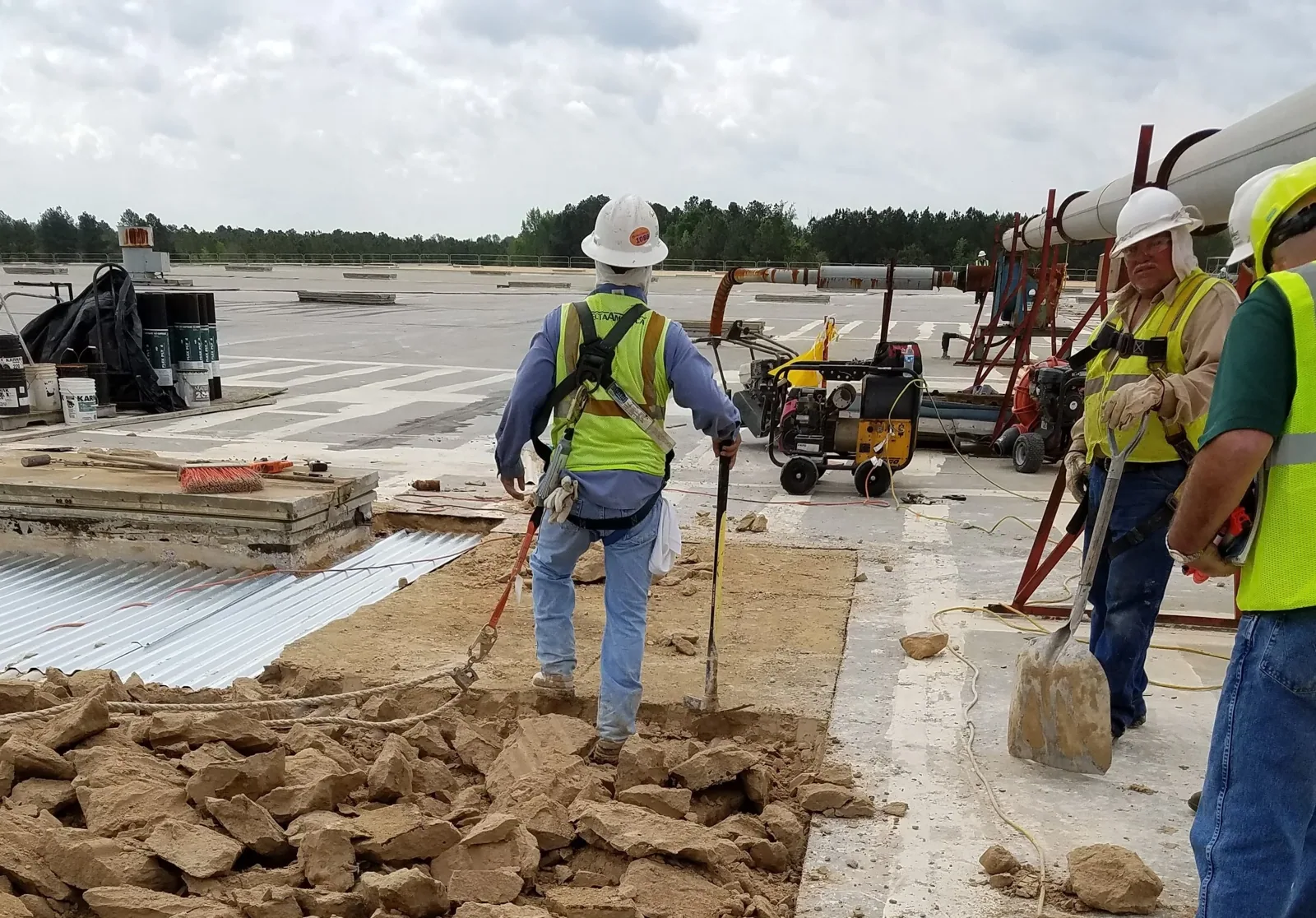
The service file identifies the shift and equipment zone that must stay protected, the roof detail examined, and any change to the approved repair line. If removal exposes a concealed condition, the crew secures the opening and sends photographs and quantities for authorization before expanding work. A roof capital plan can separate the active production issue from later investment. A property manager's record may carry access notes, but it does not replace the plant’s technical findings.
Return a File the Next Shift Can Use
At closeout, we document materials, repair locations, photographs, any concealed condition approved during work, and the next recommended check. The plant can attach the roof map to maintenance records so a later equipment change or leak report starts from a useful baseline. The file identifies what was inspected and what remains outside the scope. If wet insulation or deck damage appears below the membrane, the crew protects the opening and waits for direction on added work before crossing the signed boundary.
A coating, recover, or replacement option depends on assembly, moisture, attachment, and details at the roof itself. We price those choices independently and explain the preparation or test that could change the recommendation. A restoration evaluation should not hide unresolved substrate work. The owner receives a repair-versus-replacement comparison tied to production access, Dallas Parkway or US 380 delivery constraints, and the Frisco building actually under review. A maintenance file can also record when exhaust, utility, or HVAC work changes a penetration. The next roof visit then compares that detail with the prior photograph instead of treating a new stain as a new diagnosis. We note whether the follow-up belongs to roofing, another trade, or an approval question before a production manager resets the schedule. The shift lead receives the same boundary, the contact for added work, and a clear status on the next roof section.
Commercial Roofing Questions
What should a manufacturer do when a roof leak reaches production?
Identify the line or equipment below the water, move exposed stock if possible, and give us the site contact who can open the roof. We can protect the interior while tracing the roof section and documenting a temporary dry-in. The report then separates the urgent repair from any larger assembly question.
Can work be scheduled between production shifts?
A shift change may provide a useful access window if the lift route, material staging, debris path, and roof opening can be controlled. We coordinate with plant supervision before setting the sequence. If an open area cannot be secured before operations resume, the scope identifies the alternate closure or protection plan.
How do rooftop utilities affect the repair?
Equipment supports, curbs, exhausts, and conduit create transitions that may need separate flashing or attachment work. We inspect those details and keep service clearances in the plan. If another trade needs access, the daily boundary names which route remains available and which area must stay closed until the roof is secure.
What affects the cost of a plant roof repair?
Assembly layers, wet insulation, access height, number of transitions, production restrictions, staging, and debris handling affect the work. Concealed deck or insulation conditions can change scope after removal. We record that approval process before the crew starts so added work has a documented location and decision contact.
Does a spring storm mean the roof needs replacement?
A regional weather event does not answer that question. We inspect the reported area, check seams, edges, penetrations, and interior signs, then compare the evidence with the existing assembly. If damage is limited, the scope can stay local. Broader replacement enters the discussion only when the roof condition supports it.