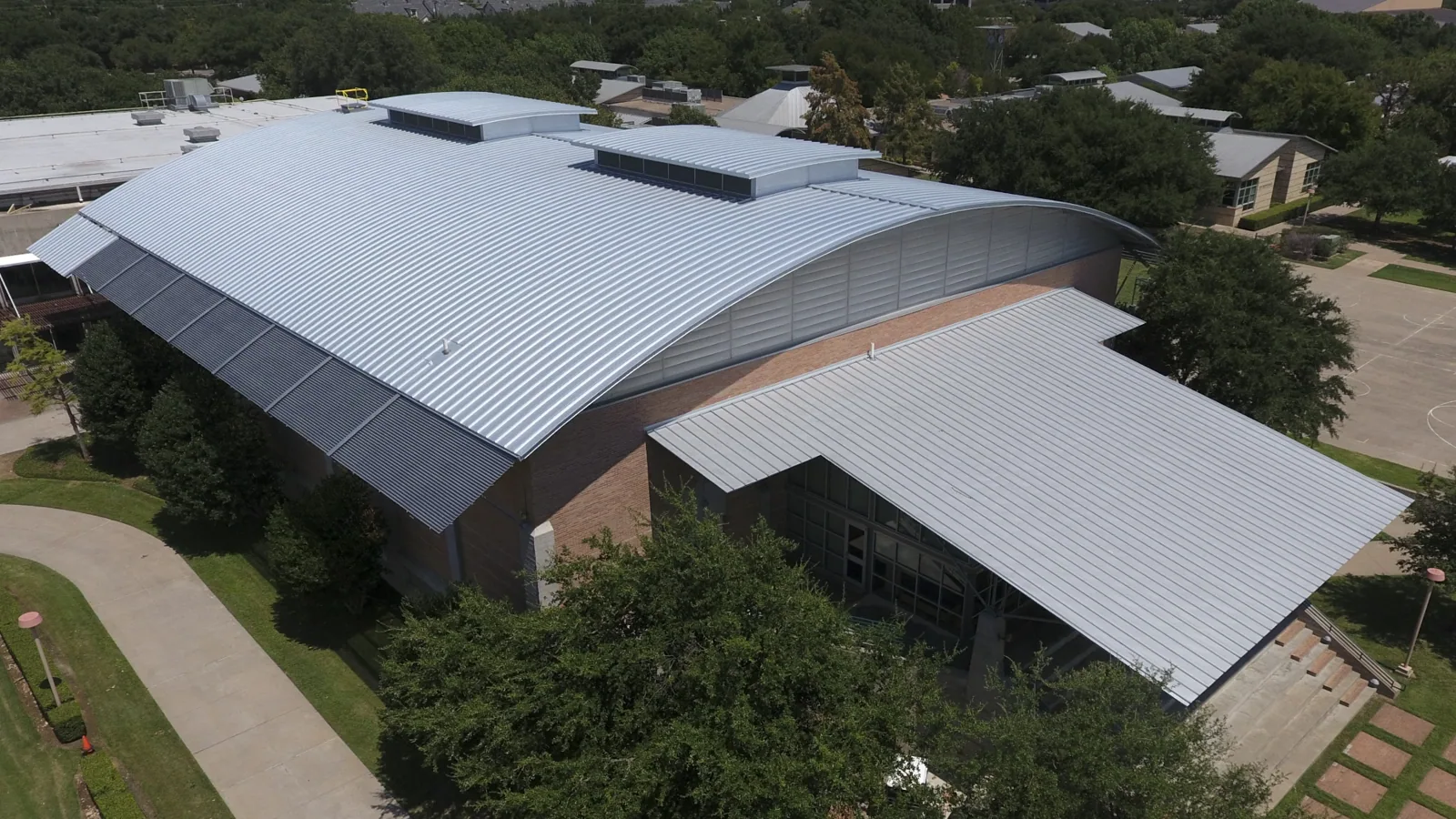
An active leak at a Garland commercial property calls for a first-hour water plan, an affected roof section, and a repair boundary the owner can approve. We check access routes and operating hours before setting that scope. Garland's employment-center framework emphasizes business clusters, commercial and industrial redevelopment, and stronger road, rail, and transit connections. Those priorities make access and phasing worth confirming; the roof inspection sets the work area and next repair decision.
In the wider DFW market, July and August average daily highs are near 96 degrees, while spring is the peak season for severe thunderstorms across North Texas. These facts help us plan inspection timing and review a new leak or visible change; they are not proof of damage at a Garland property. We record seams, penetrations, drainage, edge metal, and prior repairs. A separate Coppell roof assessment or commercial roofing project in Irving needs its own photographs and access record.
Tie the Roof Scope to the Property Phase
Redevelopment can make sequencing as important as the repair detail. We confirm whether a roof area must stay clear for another trade, whether staging can use the planned route, and who can approve an opening if concealed material differs from the visible surface. Garland's employment-center framework focuses on business clusters, commercial and industrial redevelopment, and stronger road, rail, and transit connections. Those citywide priorities do not identify current work at a property, so the site contact confirms active work, access, and tenant coordination.
For a multi-building owner, we keep findings separate by address and roof section. The record identifies which condition needs immediate protection, which can wait for testing, and which belongs in a future capital scope. If operations shift during a project, the schedule can be adjusted before the crew opens a new section. A Richardson roof review for a neighboring portfolio property still requires its own access rules, conditions, and approval date.
Trace Water Through the Roof Assembly
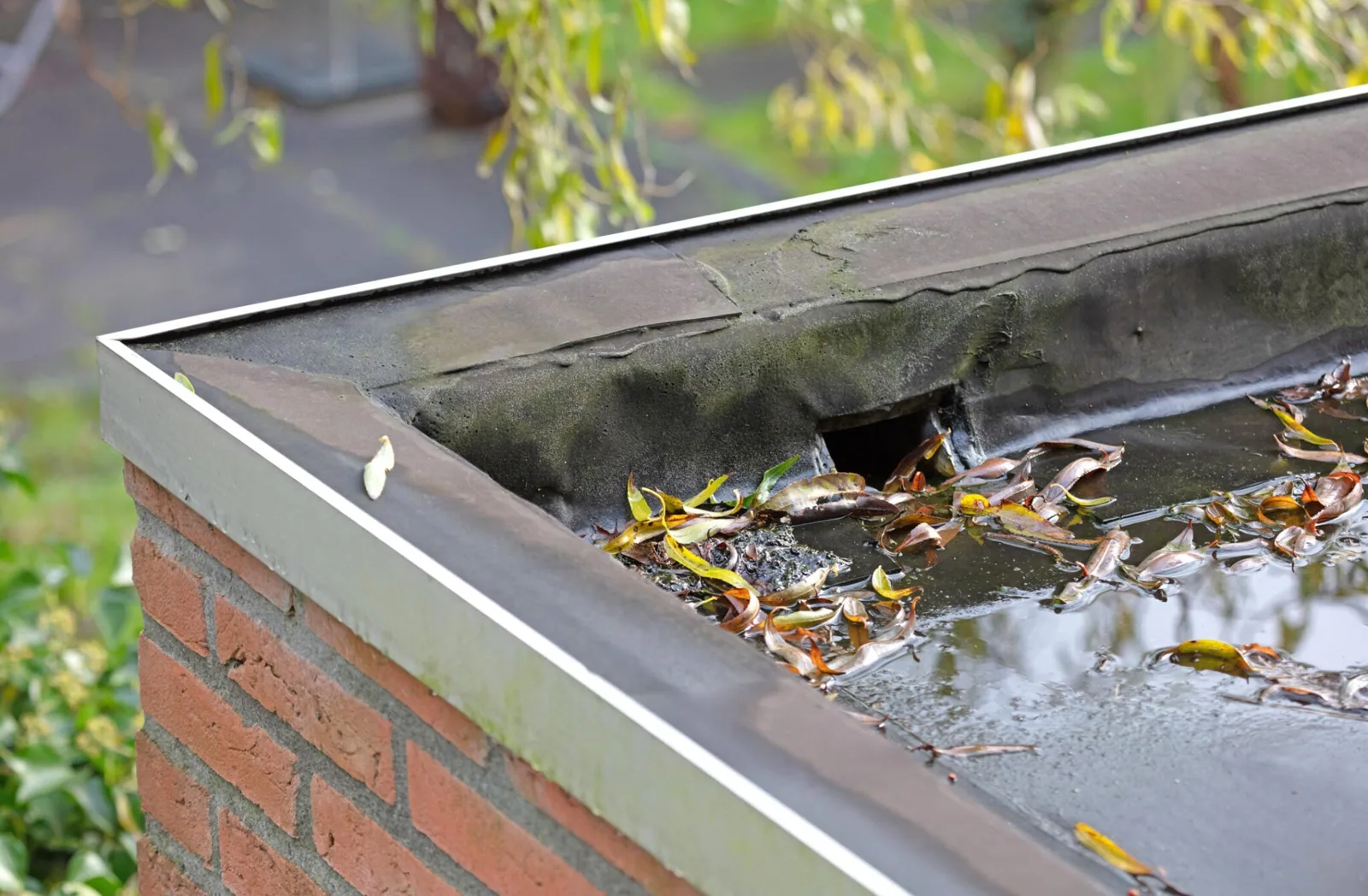
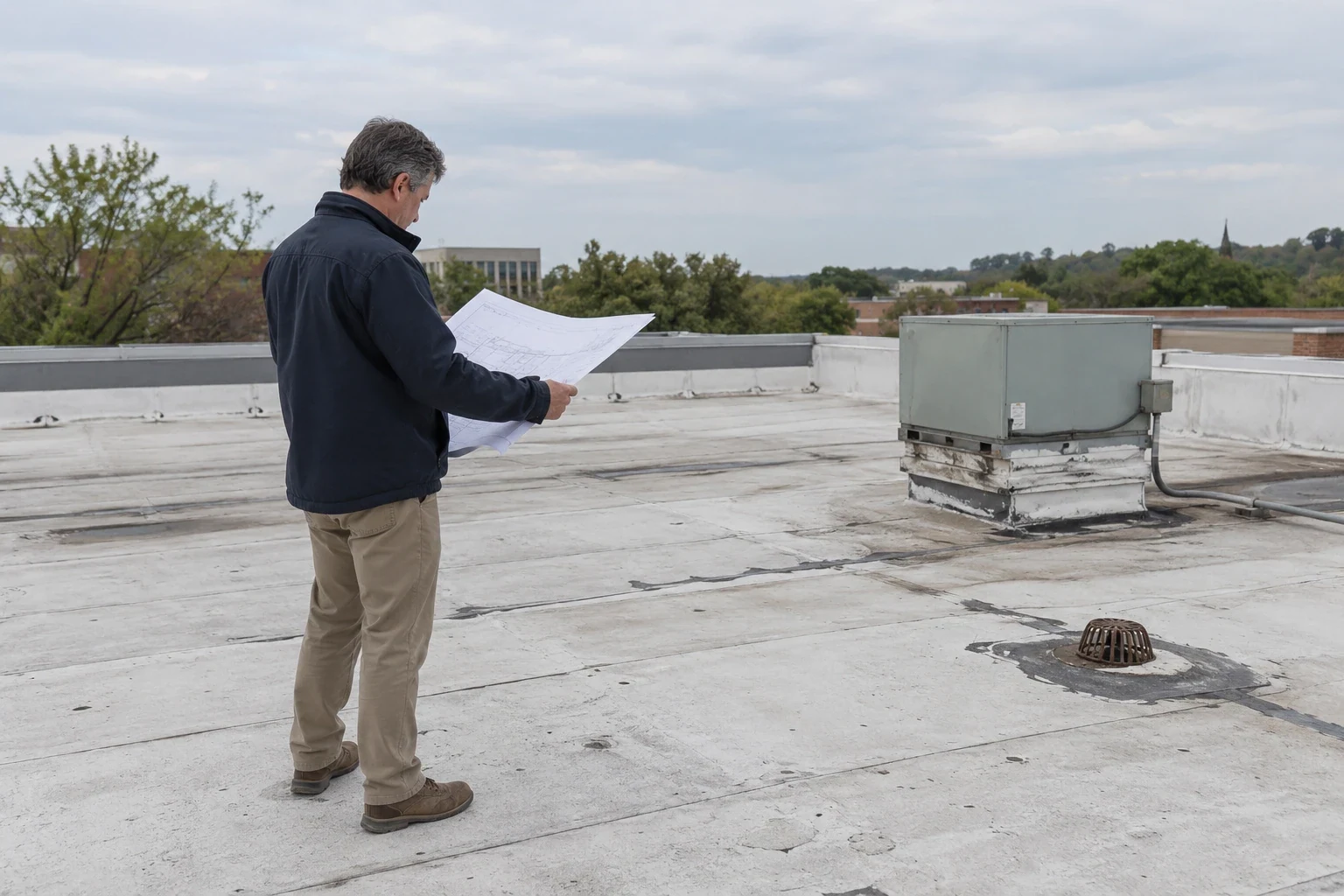
Standing water, an interior stain, or a clogged inlet can point to different parts of the roof system. We inspect the drain or scupper, surrounding membrane, flashing, and the route water takes toward the outlet. The roof surface may show ponding while the entry point sits at a seam or curb elsewhere. Photographs and notes keep those observations distinct, and a test opening remains an option when insulation or deck condition cannot be confirmed visually.
Drainage work also has to fit the property's daily operation. We protect areas below the work and coordinate access if interior space or equipment must be cleared. A drain and scupper repair should address the connection between the roof and outlet, not simply remove visible debris. We record whether the outlet is clear, damaged, or outside the authorized scope. That gives the owner a defined repair line and a separate decision if slope correction or broader replacement is under consideration.
Review Storm Evidence on the Roof
Garland's employment centers are planned with stronger road, highway, rail, and transit connections. Those priorities describe the city network; a roof crew still needs a delivery route confirmed at the property. We agree where materials can arrive, what path stays open, and whether work must avoid a tenant shift or a scheduled renovation. That access record is especially useful when an owner is coordinating redevelopment and does not want roofing activity to compete with another trade.
DFW's July and August normal highs reach roughly 96 degrees, so we select a safe roof-walk window and decide how much exposed work can be closed that day. Spring is the region's peak severe-thunderstorm period. A regional storm record can help time a post-event check, but the roof itself must show the condition. We record the property report, compare the roof with its own maintenance history, and mark any area needing confirmation. A citywide storm pattern does not assign a repair to this building.
Compare a Patch with a Capital Scope
A bounded repair can protect a sound roof when one seam, curb, or drain connection has failed. If moisture, repeated leaks, or attachment problems extend across multiple sections, we compare a larger repair program with replacement. The proposal states the basis for either choice and identifies concealed conditions that could change the recommendation. No city plan or storm report can substitute for those roof findings.
Cost and timing reflect access, roof height, staging, safety requirements, removal layers, insulation, outlet work, and the period needed to keep each section weather-tight. We show what can be authorized now and what needs a test or owner decision later. If the inspection supports replacement, the replacement scope identifies assembly, drainage, edge details, and phasing. A capital plan can then carry the unresolved section and review date into the next budget cycle. Those choices remain separate until evidence and approval join them.
We also record what happens at each perimeter and penetration if a replacement remains under consideration. New work must connect to a sound curb, wall, edge, or drain detail; the membrane field alone does not close the system. At an occupied property, we map the sequence so the crew can complete those transitions before moving to the next section. If another trade controls equipment or a wall opening, that handoff appears in the schedule and approval path.
Where water has entered more than one area, we label each observation separately rather than drawing one large repair boundary from scattered interior marks. A test can confirm whether insulation is wet or whether the opening is local. We explain the cost and schedule effect before proceeding, giving the owner a chance to authorize the test, defer it, or choose a protective step until the next work window.
Preserve the Repair History
At closeout, we label photographs by roof section, record the work completed, and list conditions left for follow-up. That record helps the next manager recognize whether a later leak is new, near an older patch, or tied to a separate drain or curb. If a coating or repair layer was added, the documentation names the material when known and identifies the area treated. A future inspection can then use the same points rather than relying on a verbal handoff.
Garland's planning emphasis on redevelopment and connections gives the owner a reason to keep access and sequencing visible across projects. The building's inspected condition still sets the work. We respond around the clock to active water, then return a permanent scope with the section boundary, cost drivers, and approval date. Share the property's operating use, reported leak, redevelopment schedule, and available roof records. We will inspect the affected section and return a prioritized repair or replacement scope, showing what is ready to proceed.
Commercial Roofing Questions
Does Garland’s employment-center plan identify roofs that need work?
No. It describes planning priorities and redevelopment context, not individual roof conditions. We inspect the property and document its roof assembly, drainage, flashing, and reported issue before recommending a repair.
Can roof work be scheduled while another renovation is underway?
Yes, when access, staging, and the open roof boundary can be coordinated with the other work. We confirm the responsible contacts and weather-tight limit before mobilization. If another trade needs the same area, the sequence is set before the roof is opened.
What does a drain inspection include?
We check the inlet, surrounding membrane, flashing, and visible path to the outlet, then note any obstruction or damage. If drainage depends on concealed slope or insulation conditions, we identify testing or further review separately from the drain repair.
Should hail activity automatically lead to replacement?
No. Replacement needs roof evidence such as broad moisture, repeated failures, or an attachment concern across sections. We document visible storm effects, compare prior records, and show why a repair remains sufficient or a broader option deserves pricing.