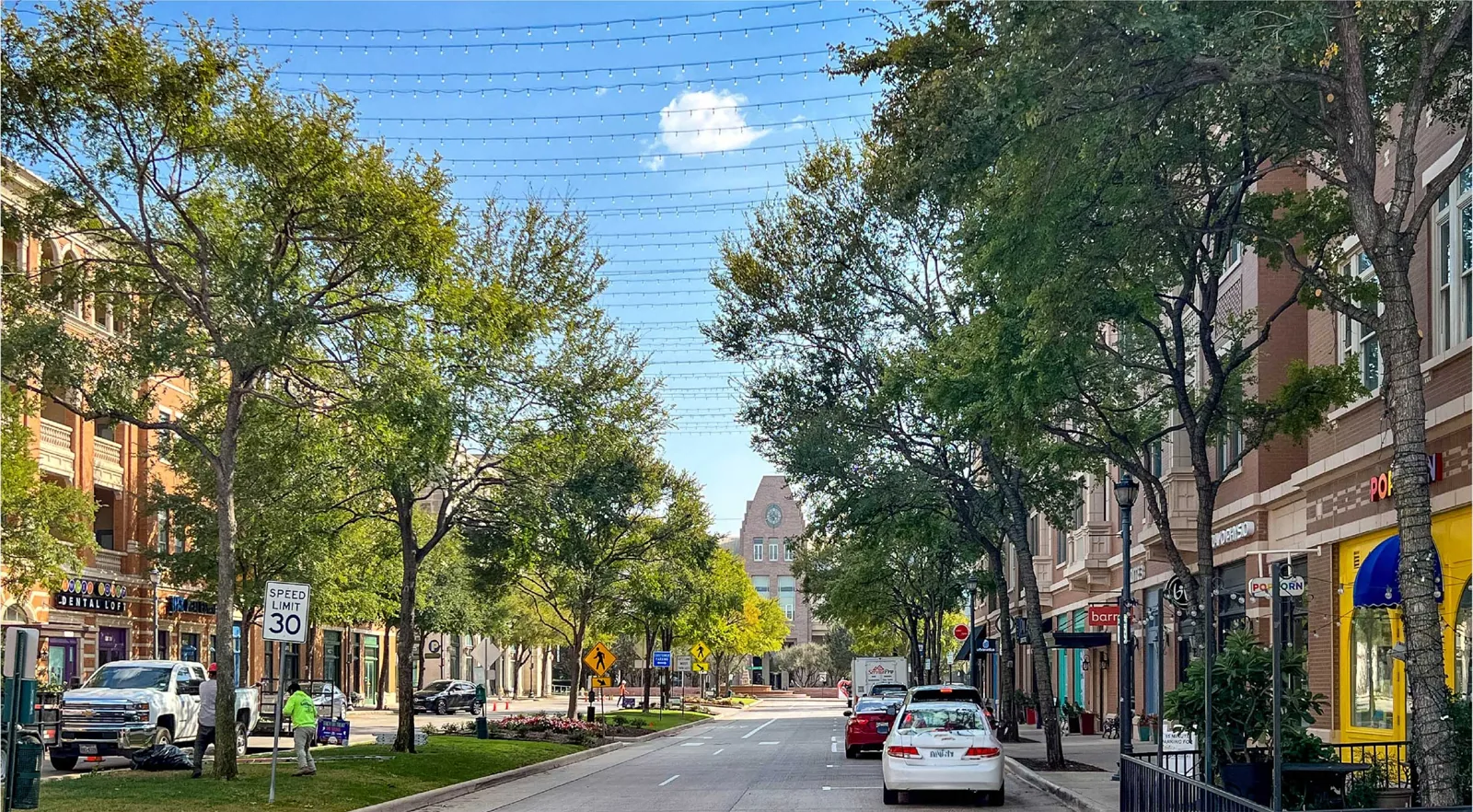
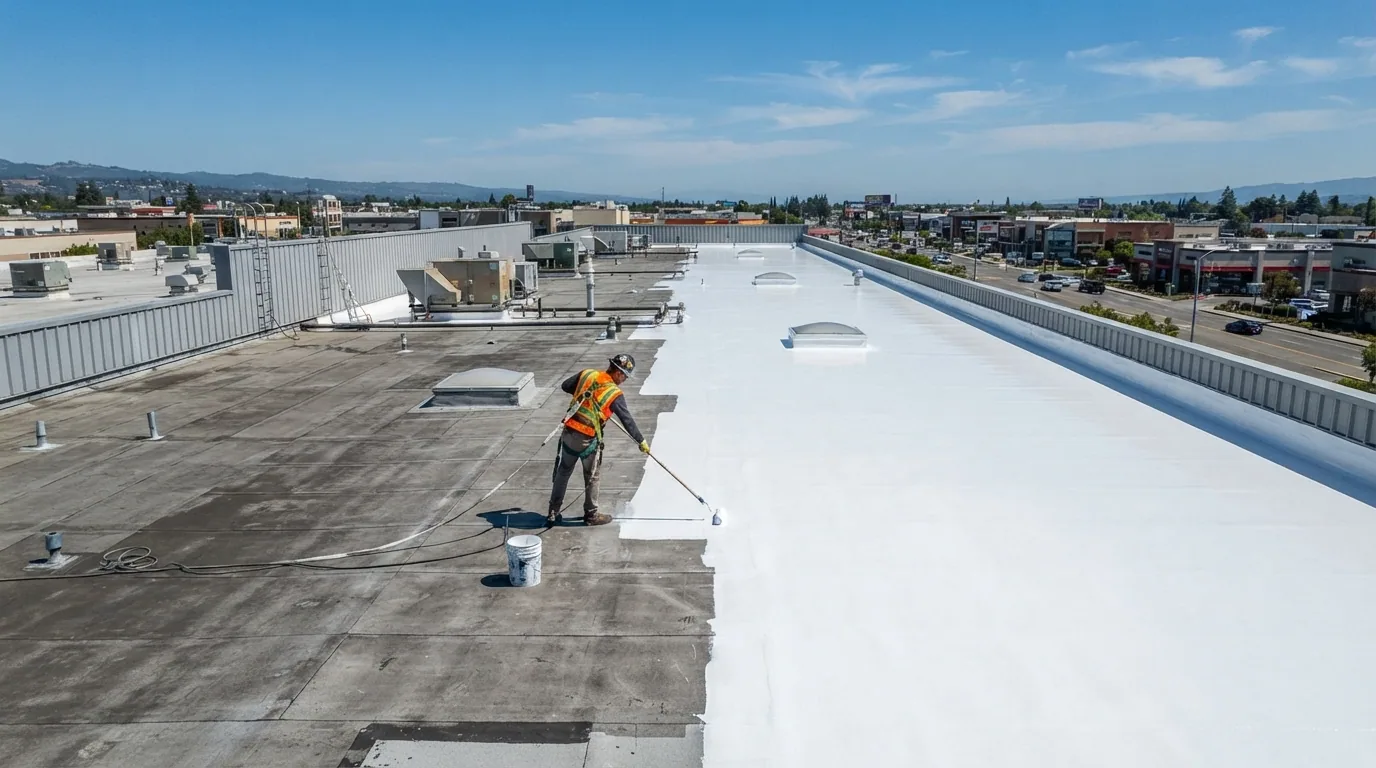
A water stain in a downtown business needs a roof section and a decision window, not a guess based on the district name. We identify the room or tenant area, protect what is below, and trace the likely water path at the roof. Original Town Commercial is a formal Frisco character area with central and west design standards. That makes project review a property-level question, while the roof inspection documents the visible assembly and repair boundary. We record the detail that failed, the area that remains uncertain, and what must be authorized before a broader scope begins.
Frisco's downtown plan addresses drainage, utilities, connectivity, and redevelopment at a district scale. Those topics can affect staging or coordination, but they do not establish the condition of a particular roof. We confirm the building contact, access route, occupied hours, and any records from prior work before setting a crew window. A Rail District roof inspection uses its own building information; one downtown property does not define another. The report names the inspected section, shows its images, and states which approval or follow-up belongs to the property contact.
Read the Roof Before Opening It
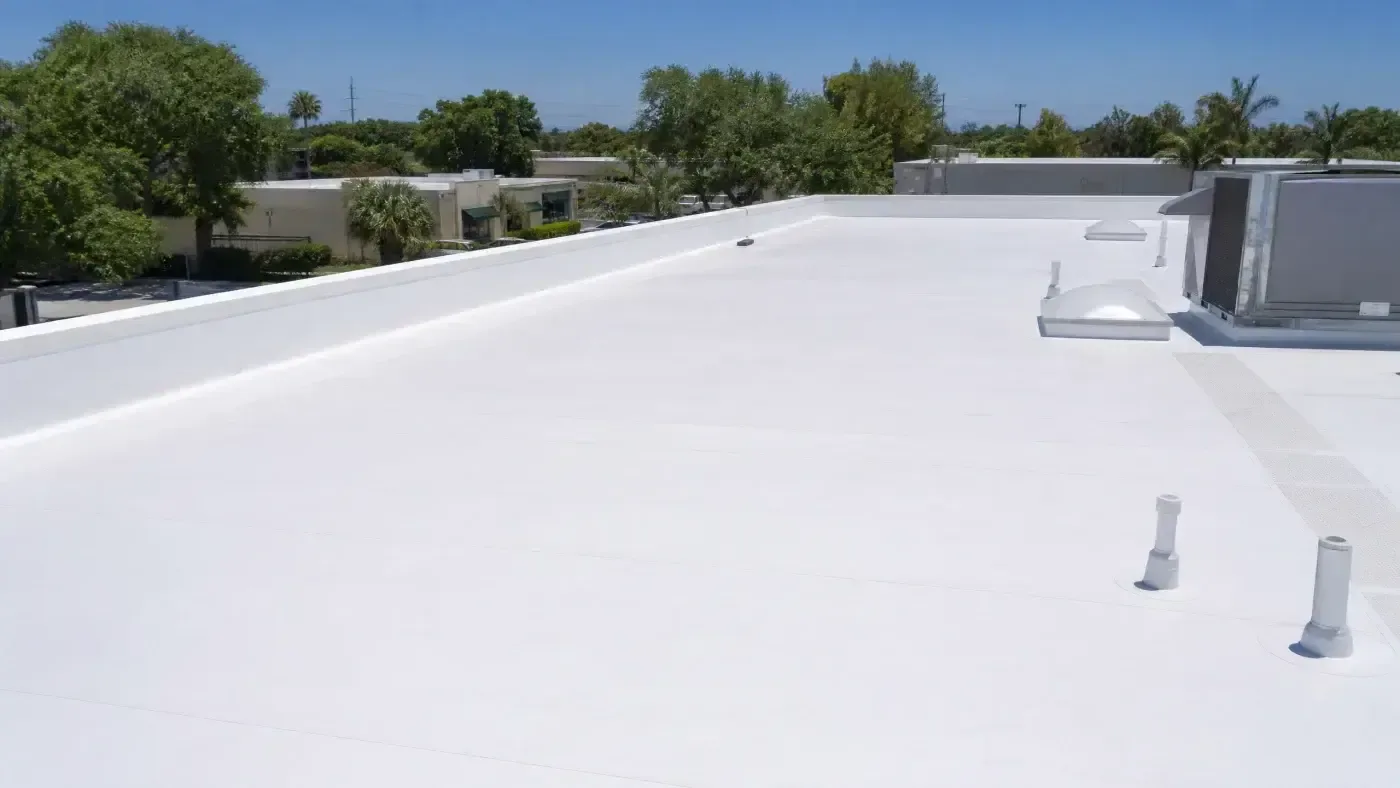
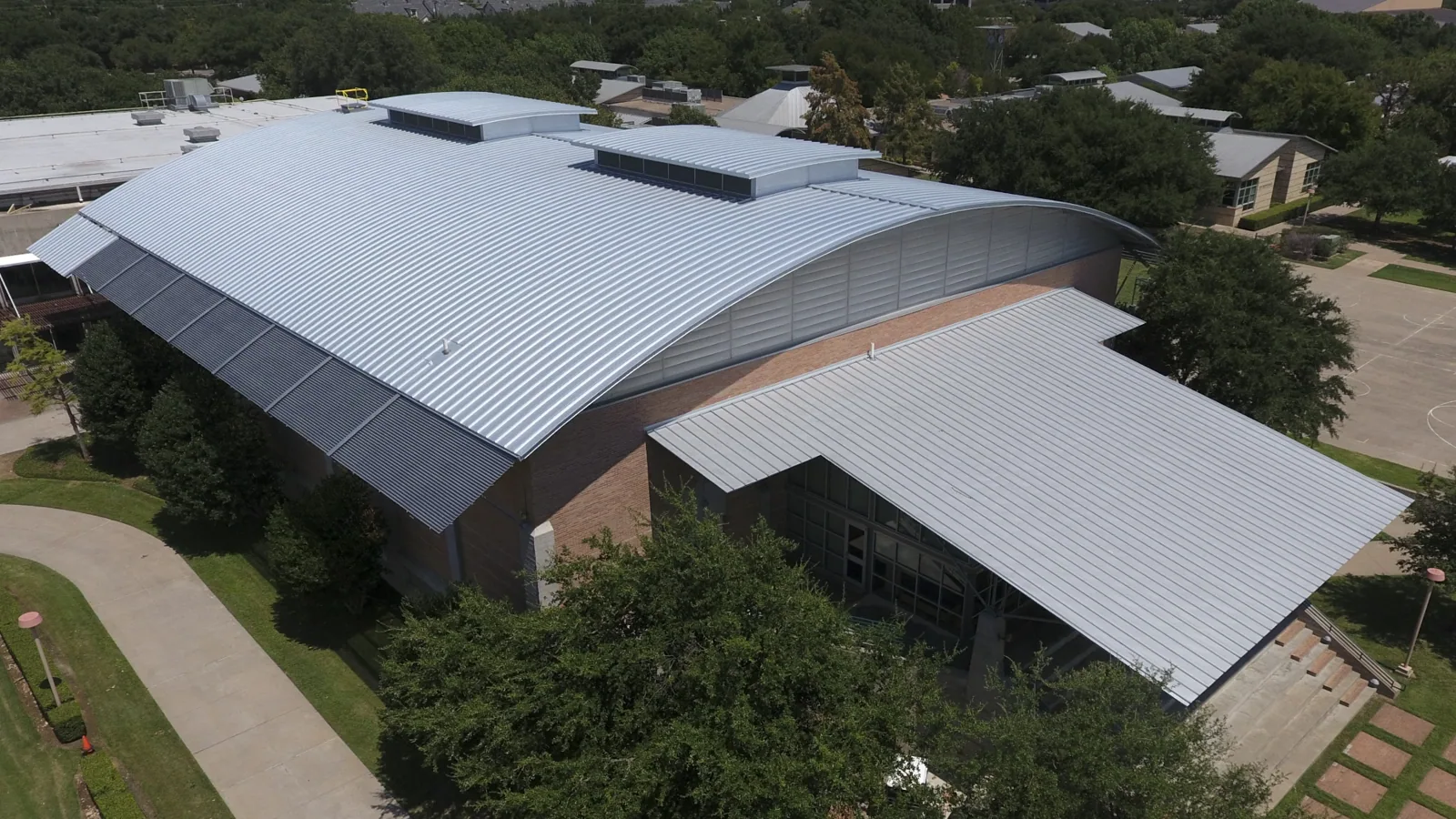
Commercial buildings within a character area may contain additions, parapets, wall transitions, skylights, equipment, and drainage details that were not installed as one system. We identify the visible membrane or metal, map the reported leak, and check seams, edge metal, penetrations, and prior repairs. If an interior stain sits away from the likely roof entry, we trace the path rather than pricing the ceiling location as the repair itself. The record separates what the inspection confirms from what would require a test opening.
Frisco's Original Town Commercial standards apply to a broad district rather than a single venue. The owner confirms whether a proposed scope needs a design or permit review before material changes begin. We document the roof assembly and proposed repair so the responsible reviewer has a clear boundary and detail to evaluate. A commercial roof inspection can include photographs tied to roof sections. If removal later exposes concealed moisture, we protect the opening and request approval before extending the work beyond the signed line.
A detailed map also helps distinguish an isolated transition failure from several unrelated conditions across the roof.
Check Drainage and Utility Transitions
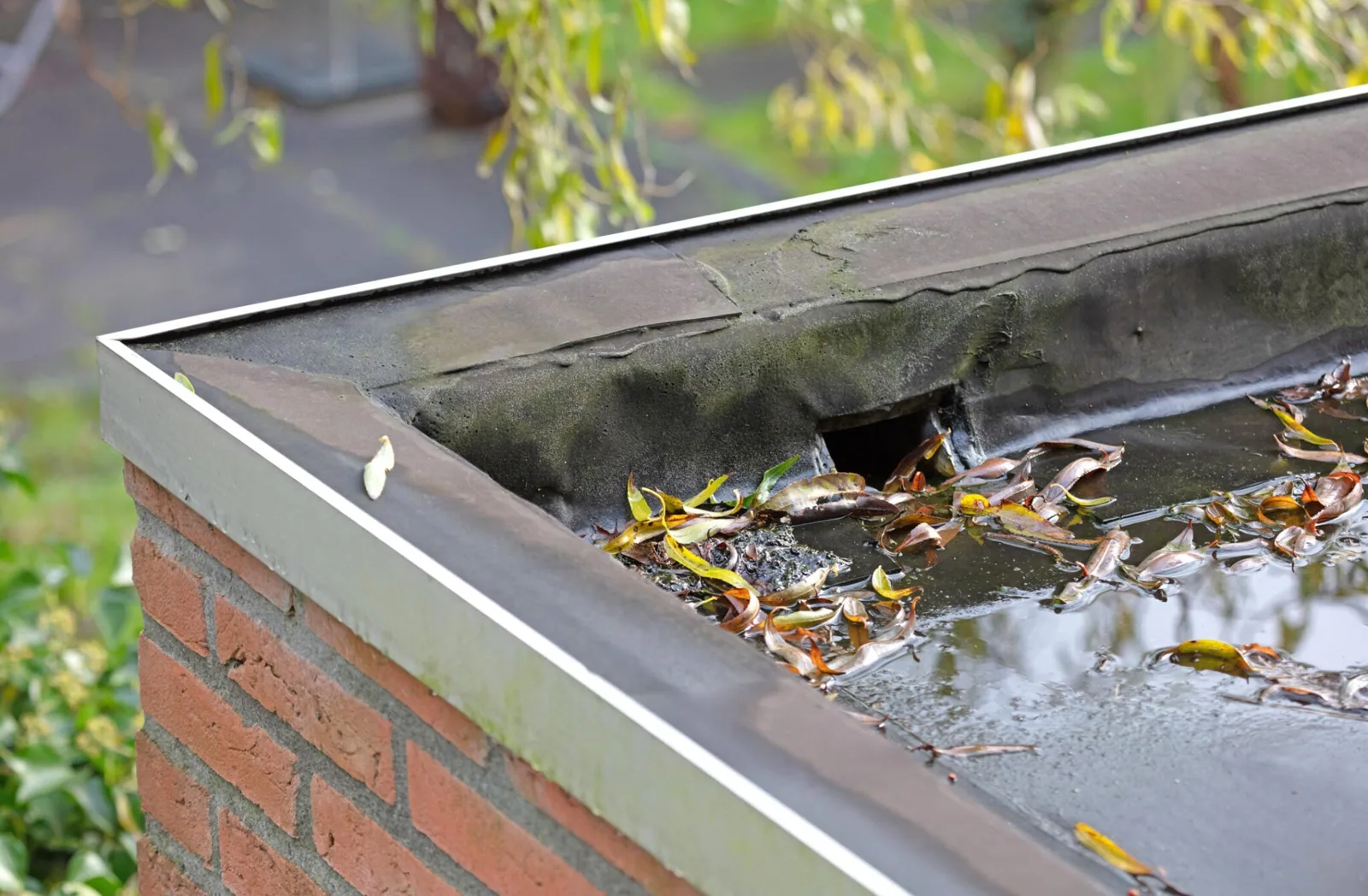
Drainage and utility work can overlap with a downtown property project, so we mark roof penetrations, drain connections, and temporary protection against the approved construction boundary. We still check each roof's actual drain bowls, scuppers, overflow route, curb, conduit support, and wall termination. A blocked drain can hold water near a seam, while a poorly sealed penetration can leak even when the roof field is intact. We photograph these points and state whether the repair stays within one section or needs a separate trade decision.
North Texas averages a 95.6°F July daily high and 95.8°F in August; that heat can narrow access and material windows. Heat exposure can affect roof movement and the timing of installation, but it does not show that a specific assembly has failed. A drain and overflow review can set a defined correction beside membrane work. If the leak tracks to a curb or service penetration, a support or curb detail may need to be resolved before new flashing closes the area. We keep each line tied to a roof observation rather than bundling unrelated repairs.
When the source cannot be confirmed visually, we identify the next test and the decision-maker who can approve it.
Plan Around an Occupied Block
A downtown repair may share a sidewalk, service alley, parking area, or entrance with nearby businesses. We confirm the permitted staging area, delivery time, roof access, and pedestrian route with the property contact. If a section sits over a customer area, we discuss interior protection and any temporary limit before the crew moves materials. The work plan names the entrance that stays open and the point where the crew stops at the end of a shift.
Emergency response remains available at any hour for active water entry. After temporary protection, we document the permanent repair, replacement, or test that addresses the roof condition. A bounded commercial roof repair may fit when nearby seams and transitions remain serviceable. If the assembly shows repeated failures or widespread moisture, a replacement comparison should state tear-off, insulation, attachment, flashing, and disposal. The owner can compare those options while preserving an access window for tenants or customers.
Work near other trades or utilities needs a contact who can approve shutdowns, staging moves, and scope changes before the schedule is issued.
Keep Weather Evidence Separate from Scope
DFW's July and August normal highs exceed 95 degrees, and the region's spring severe-weather season can bring hail or damaging wind somewhere in the Metroplex. Those conditions help an owner decide when to arrange a roof review, but neither fact establishes damage at an individual property. We inspect visible seams, edges, metal, flashings, and drainage, then record each finding with its location. A heat and UV condition review can be useful when surface wear is visible; repair scope still follows the inspection.
Frisco's downtown plan includes redevelopment and reinvestment tools, while roof work must still be tied to the owner’s budget date and required approvals. We separate immediate leak control from capital work and show which conditions could change the quantity after removal. A condition report with a roof map gives a future reviewer the same section labels and photographs. If a larger project is being considered, we document alternates and the point where a test opening or design review is needed.
The proposal should identify what can proceed now, what requires an approval, and what remains outside the measured repair boundary.
Close the Work with a Usable Record
Closeout should match the agreed scope to the roof section actually repaired. We return dated photographs, material details, repair locations, and any unresolved condition that requires another visit. If a later leak appears, the owner can compare its location with the earlier repair rather than assume the source stayed the same. For an occupied office or commercial block, a roof record for an office building can keep access instructions and service contacts beside the condition map.
Original Town Commercial and the Rail District are broad downtown areas, not single buildings or service targets. The property owner selects the review path that applies to the address and scope. We keep the roof record specific to that property, and we do not transfer a condition finding from another block. A Dallas Parkway corridor roof review would likewise start with its own assembly, access, and reported condition.
Before another visit, send the affected room or suite, the last service date, and the hours a contact can provide roof access. We will use that history to define the next inspection and explain whether the observed condition remains within a repair boundary.
Commercial Roofing Questions
Does Original Town Commercial have one roofing approval process?
The district has central and west design standards, but the owner must confirm which review applies to the specific building and proposed scope. We document the roof detail and work boundary so that information can be shared with the appropriate city or design reviewer before construction begins.
How do you protect a business below an active leak?
We identify the affected room or tenant area, set interior protection, and inspect the roof section above the water path. The contact helps us keep entrances and work areas clear while the first repair is made. We then provide photographs and a permanent scope decision based on the observed roof condition.
Can drainage work be separated from membrane repairs?
Yes, when the drain correction and membrane repair have distinct boundaries. We inspect the bowl, overflow route, seams, and nearby wall or curb details, then show each item as its own line. If water testing or a concealed condition may change that scope, we identify the test and approval point before expanding work.
What records should remain after downtown roof work?
Keep dated photographs, roof-section labels, materials installed, approved changes, repair locations, and open items. We return those details in a closeout record that can be compared with a future leak report or inspection. The next reviewer can see what was completed and which condition still needs attention.