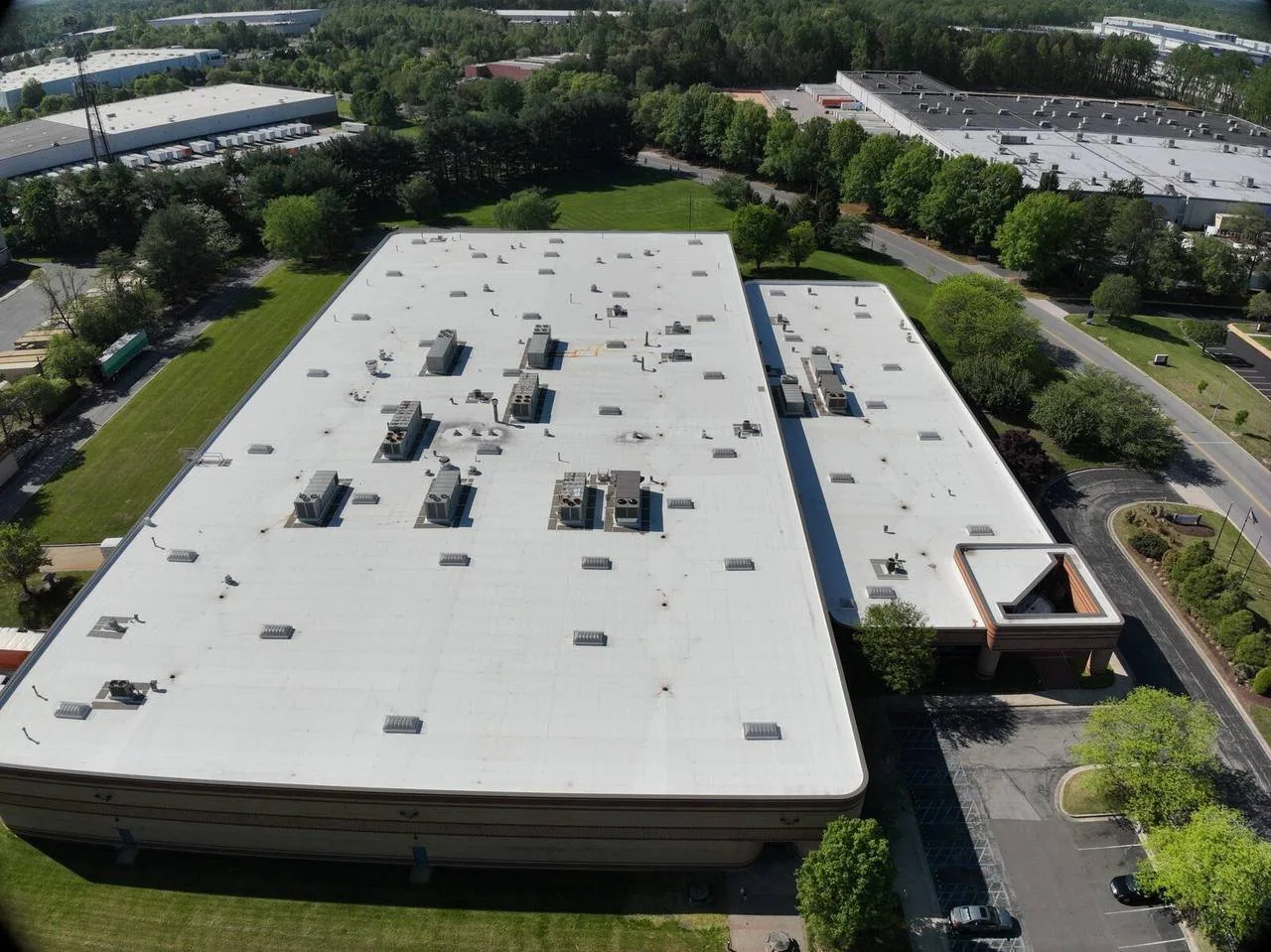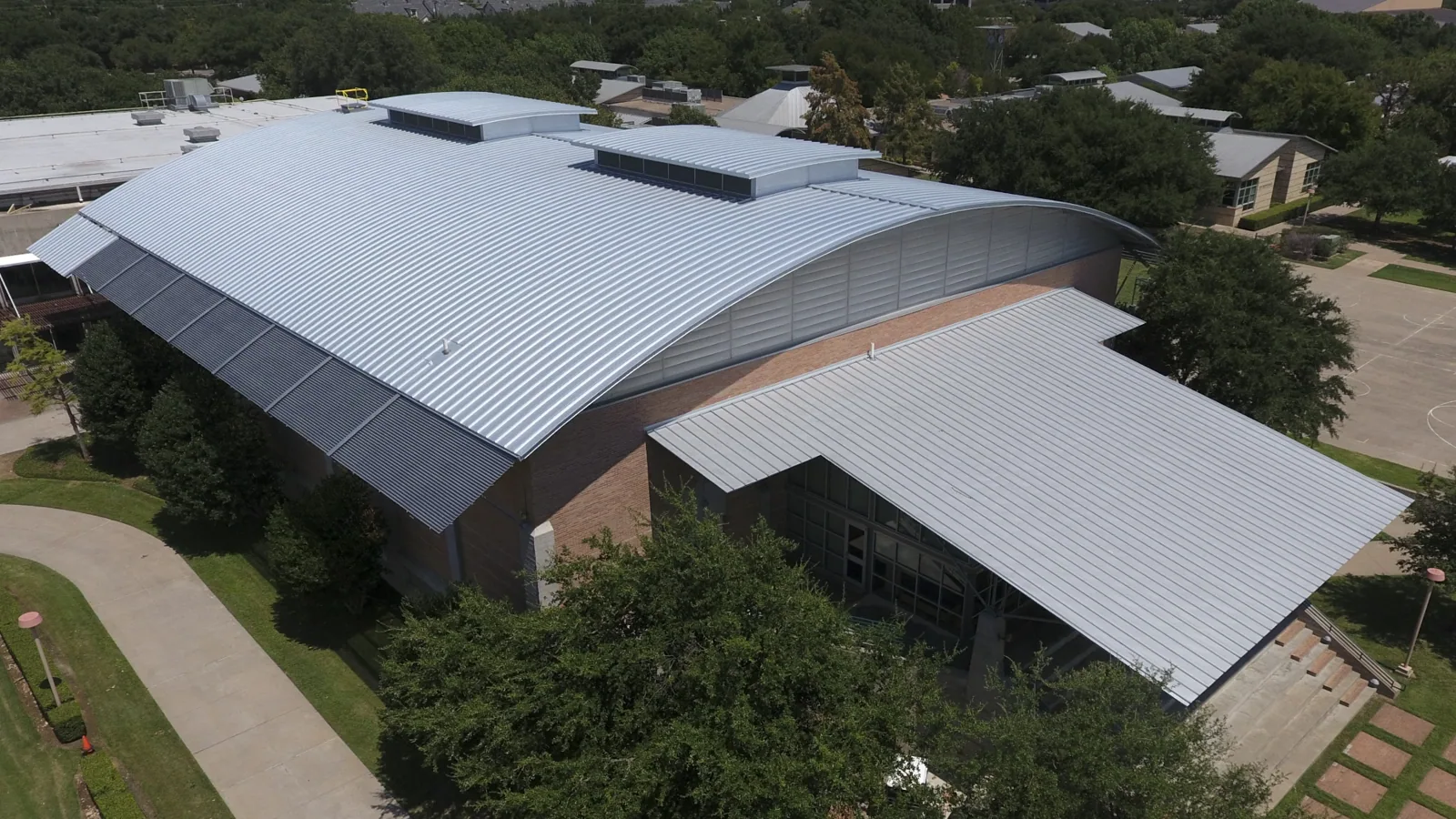
Frisco, TX roof inspections start with the decision date: repair a section, document a storm concern, or prepare a capital review. In Frisco, we begin by confirming the building use, roof access, known repairs, and the date the owner needs a decision. The crew then walks accessible sections and records seams, edges, drains, curbs, penetrations, and visible surface changes. Findings are tied to roof zones so the owner can distinguish an active repair from routine monitoring. DFW's regional climate includes hot summers and spring severe-weather exposure, but those conditions do not diagnose an individual roof. The inspection documents observed evidence and the next check needed to resolve uncertainty. For an overview of a large, accessible roof area, a drone roof survey may supplement the field walk.
Set the Inspection Question
Before mobilization, we ask what decision the inspection should support. A leak call needs a source and immediate protection plan. A capital review needs condition, remaining repair choices, and budget timing. A post-storm visit needs dated observations that separate visible impact from normal aging. The scope also records what the inspection cannot access, such as locked roof zones, unsafe weather, or equipment obstructing a detail. The building contact provides prior repair notes and any known interior staining. We use that information to set a repeatable route across roof sections rather than walking randomly. When the purpose is clear, the owner can judge whether the report answers the decision that initiated the inspection.
Map Roof Sections and Details
We divide the roof into practical sections using expansion joints, elevation changes, drainage basins, or distinct assemblies. Within each section, the inspection notes membrane condition, seams, flashings, penetrations, edge metal, drain bowls, overflow paths, and rooftop equipment. Photographs carry a location label and a short description of the observed issue. We note whether a defect appears active, stable, previously repaired, or in need of a closer test. That distinction keeps a cosmetic mark from being presented as a confirmed leak. For facilities with multiple roof levels, each level receives a separate map reference. The result gives operations and finance a common picture of which section needs attention first and which can remain under routine observation.
Check Drainage and Water Movement
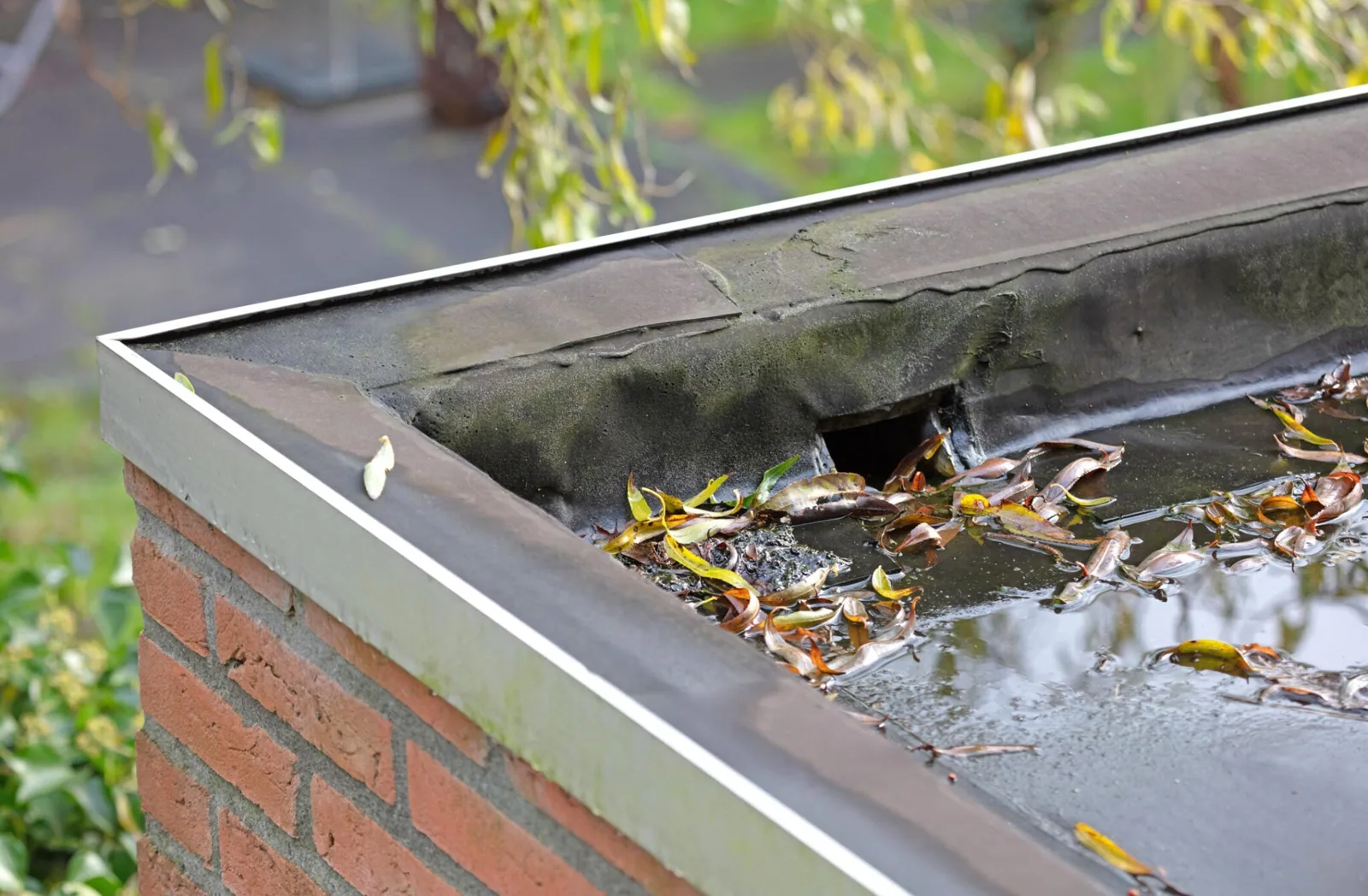
Drainage review looks at the route water should take and evidence that it is not following that route. We check strainers, bowls, scuppers, overflow details, debris, and visible low spots. In the DFW normal, May averages 4.78 inches of precipitation within a 37.01-inch annual total for 1991-2020. That regional amount supports attention to drainage, but it does not establish ponding or a defect at the inspected property. We photograph standing water only when conditions permit and record the time since rainfall if known. If a low area persists or an overflow route is unclear, we identify the next measurement or test. A drain and scupper review can isolate those details when drainage is the main concern.
Use Testing Where Visual Review Is Not Enough
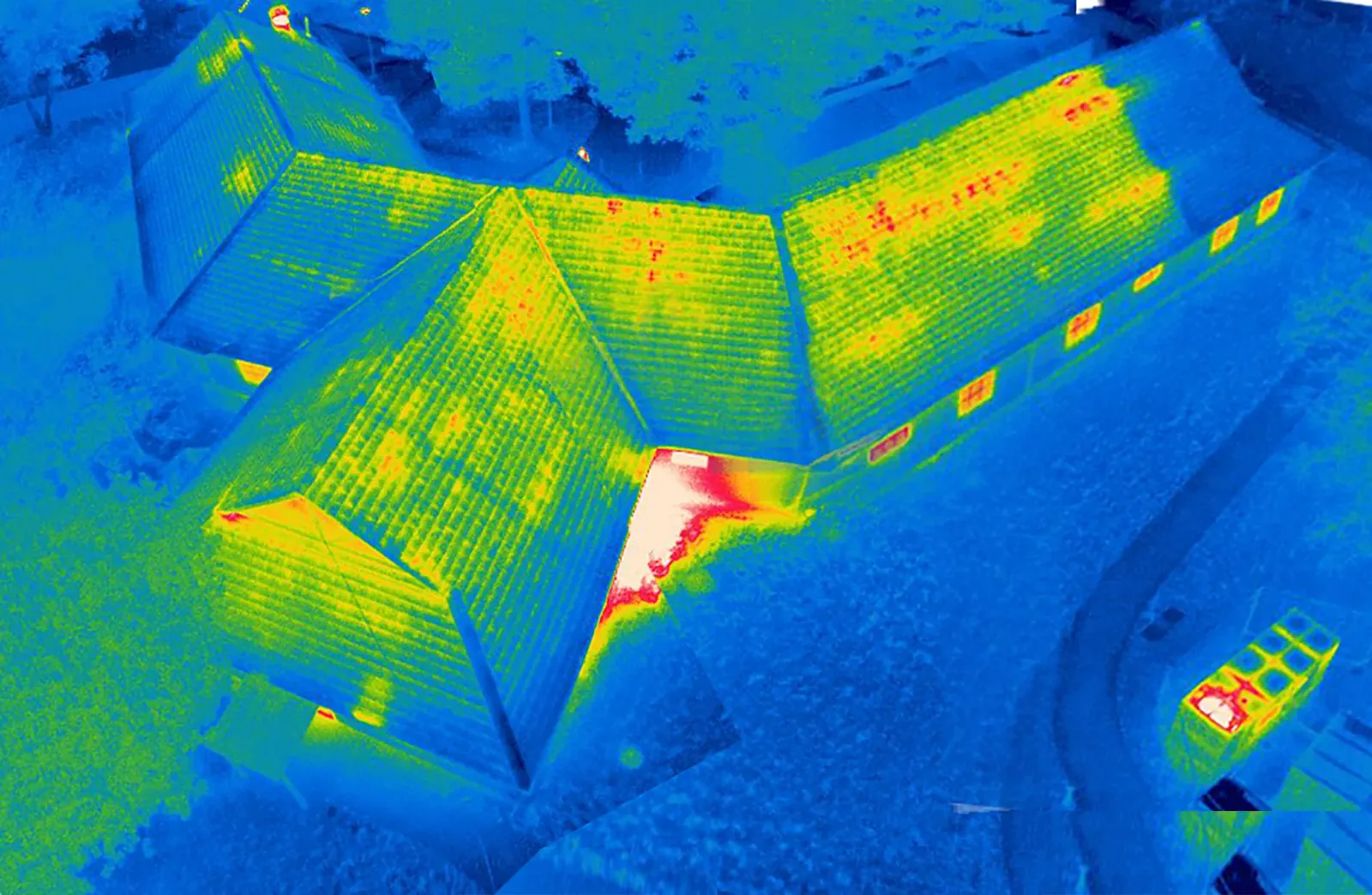
Some questions cannot be settled from a surface walk. Moisture within an assembly may require targeted cores or another suitable survey, while a suspected seam issue may need a closer detail test. We explain the test location, what the result can establish, and how the opening will be restored. An infrared moisture survey can help prioritize locations for confirmation, but a thermal pattern alone is not proof of trapped water. The owner sees which findings are observed, which are inferred, and which remain unverified. This keeps the report useful for a bid scope without overstating certainty. We recommend additional testing only when it changes a repair, recover, or replacement decision.
Tie Findings to the Building Calendar
The inspection route and any follow-up should respect how the property operates. We confirm access hours, escorts, loading schedules, roof-mounted equipment service, and any area that cannot be crossed during business activity. Frisco's business parks and older downtown commercial buildings can require different staging and communication, but the inspection is based on the actual site. The North Platinum Corridor includes larger corporate and mixed-use properties, while the Dallas Parkway and US 380 routes shape regional access planning. A roof condition report can identify sections that need a return visit and preserve the reason for that access request. We label access limits and note whether they prevented a complete view of a section. A return visit can then target the missing area instead of repeating the entire walk. That saves time when the owner is coordinating a lease, capital meeting, or planned construction window.
Deliver Findings That Support a Spend Decision
The report groups observations by roof section and assigns a practical action: repair, monitor, test, or include in a capital comparison. Each recommendation includes a reason, a photo reference, and any cost or access factor that could change the scope. We do not label a roof with a blanket condition based on one defect. If multiple sections show repeated failure, we can prepare a replacement comparison with the same map and quantities. An isolated seam or curb can remain a repair line. The owner receives assumptions and exclusions in plain language, including any inaccessible area or concealed condition that needs verification before work is priced. We also identify who should review each open item and the date that decision affects, so the inspection can be used at a capital meeting without translating field shorthand.
Keep the Condition Map Current
A single inspection becomes more useful when the next visit uses the same section names and photo locations. We preserve the map, date, weather context if relevant, repairs completed, and items left open. The next inspection can check whether a patched seam remains stable or whether a drain issue recurs after debris removal. In the North Platinum Corridor, larger corporate and mixed-use properties may require phased access around active operations; the same principle applies to a small commercial building with limited roof access. The condition map provides a shared reference for the building contact, property manager, and capital reviewer, and it makes the next budget date easier to support with evidence. The city's Dallas Parkway and US 380 mobility routes inform development access, while the individual property walk establishes where a crew can stage and reach each roof section. A Dallas Parkway corridor review can focus access planning on that broad employment route.
Commercial Roofing Questions
Which roof sections should be checked before the capital meeting?
Timing depends on roof condition, maintenance history, warranty requirements, building use, and recent events. We can set a baseline and a follow-up interval tied to the observed sections. After a leak or storm concern, an additional inspection may be appropriate when safe access is available.
What does a roof inspection report include?
The report records accessible roof sections, observed details, labeled photographs, condition notes, access limits, and recommended next actions. It separates confirmed defects from suspected conditions and identifies where testing or a separate estimate is needed.
Can a visual inspection confirm wet insulation?
Not in every case. Surface observations may indicate a concern, but targeted testing or cores may be needed to verify moisture within the assembly. We state the evidence and limits so an owner does not treat an unconfirmed pattern as a measured condition.
Do you inspect roofs while a building is occupied?
Yes, with an agreed access plan. We coordinate roof access, escorts, equipment routes, and occupied hours with the building contact. If an area cannot be reached safely or without disrupting operations, the report identifies it as a limitation.
Will an inspection tell me whether to repair or replace?
It can organize the evidence that informs that decision. We map the failure pattern, repair history, testing needs, and access factors, then compare a bounded repair with a larger capital scope when the findings justify both options.