Technology and research space needs a roof plan that protects equipment access as carefully as it protects the interior. Richardson's Innovation Quarter covers 1,200 acres and includes technology startups, corporate research and development, manufacturers, education institutions, more than 1,000 businesses, and 19,000 workers. Those figures describe the district, not any building or roof. We begin at the reported leak or concern, mark the roof section, and agree on the access window before a test or repair changes an operating area.
Richardson shares the DFW pattern of hot summer afternoons and spring severe storms. A regional climate record helps set safe inspection timing; it cannot establish whether a particular membrane has moved or taken impact. We inspect seams, penetrations, drainage, edge details, and equipment supports, then tie each recommendation to a photograph. The same team may review a Lewisville industrial property or roof work in Irving, but this Richardson building gets its own condition map and decision date.
Keep the District Fact in Its Lane
The Innovation Quarter's business and worker totals give useful context for a multi-tenant district. They do not tell us whether an individual property has a laboratory, data room, manufacturing line, or any particular roof assembly. We confirm the use and access limits with the building contact, then identify which doors, equipment zones, loading paths, and work hours must remain available. A plan that assumes uninterrupted roof access can create avoidable delay when the site has controlled areas or active tenants.
We divide work by roof section and note where the crew can stage without blocking routine movement. If a penetration or curb sits above sensitive equipment, the scope explains how we protect the area below and who can approve a shutdown or test. A related Plano roof assessment may have different site rules, so we do not transfer its schedule or assumptions. The inspection record here identifies the responsible contact, access window, and boundary for each task before material is ordered.
Map Equipment Before Opening the Roof
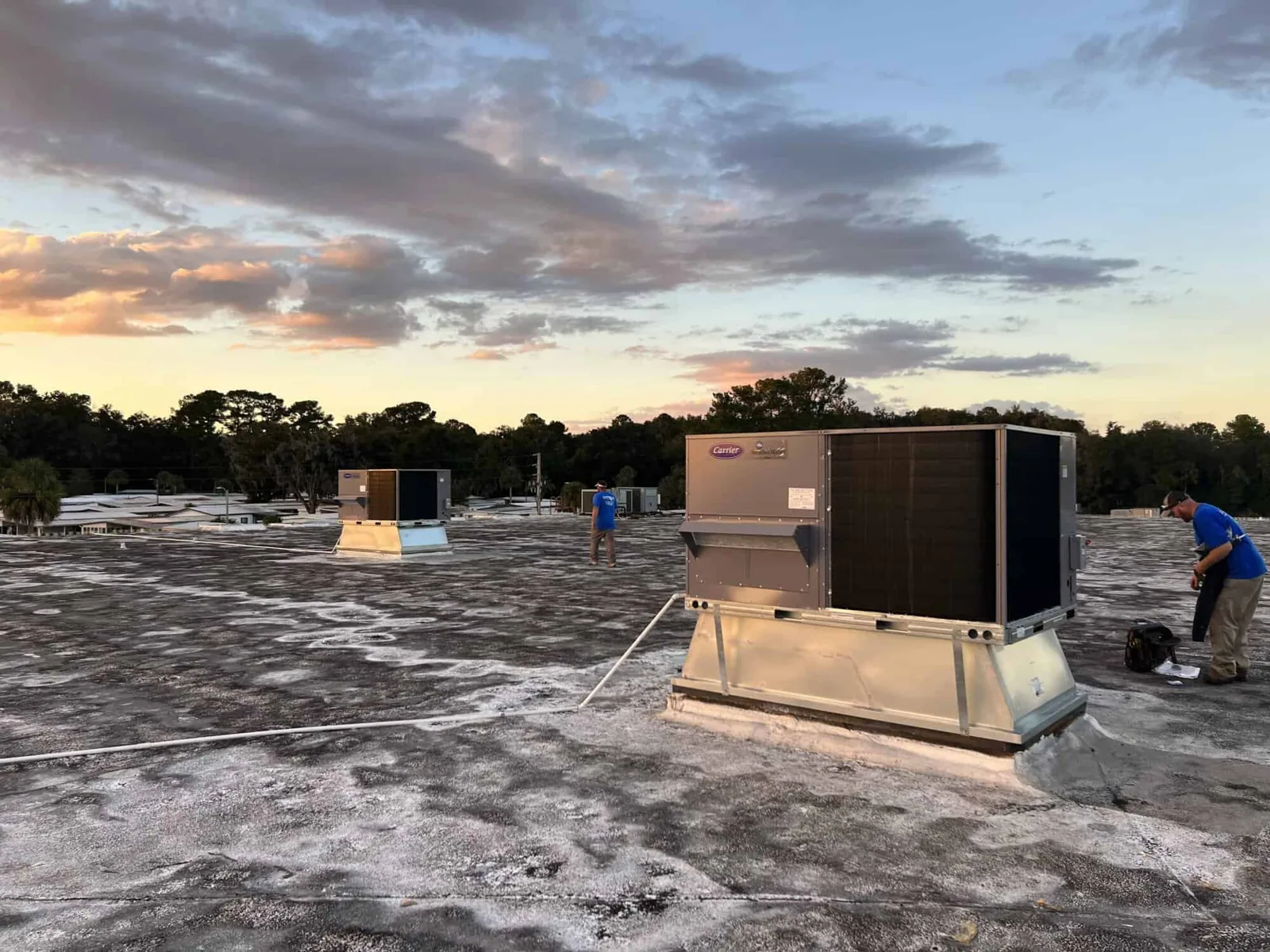
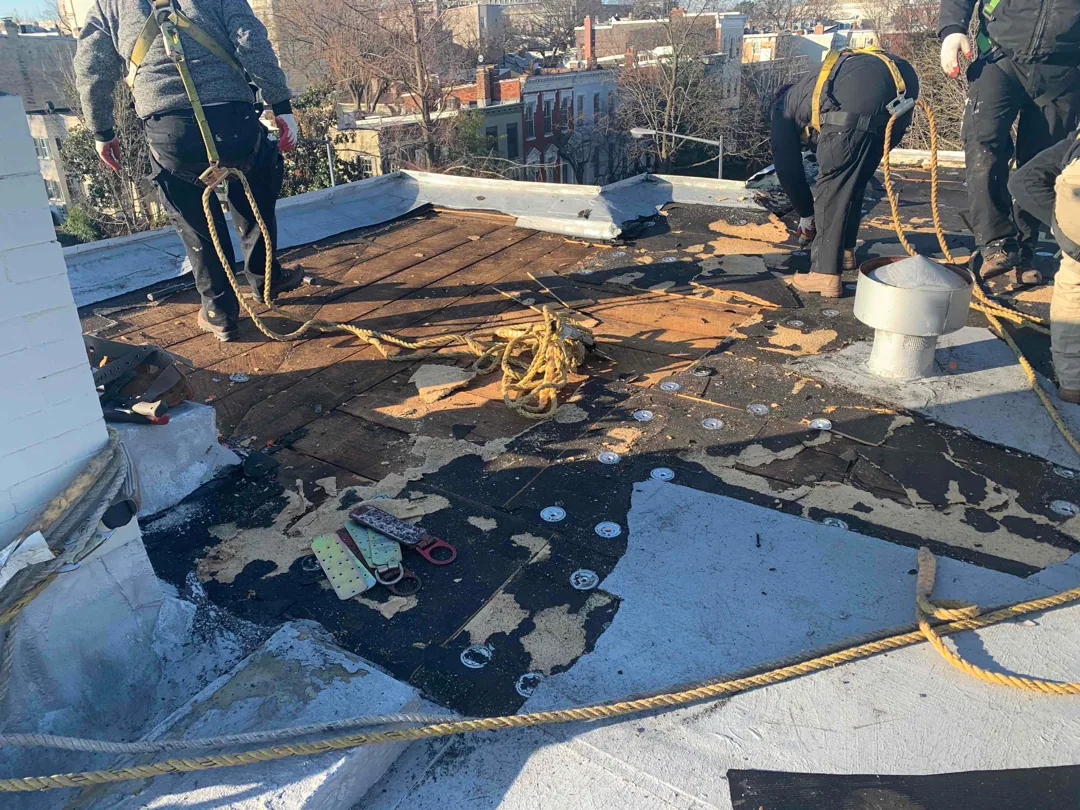
Roof-mounted equipment changes the sequence around a repair. We record curb dimensions, conduit or piping clearances, service paths, and the condition of nearby flashing before lifting or disturbing any component. The roof detail and the equipment schedule must work together: a watertight curb is of little help if a service route is blocked or a unit cannot be isolated for the planned work. We coordinate with the property contact and the appropriate equipment trade when a disconnect, lift, or operating change is required.
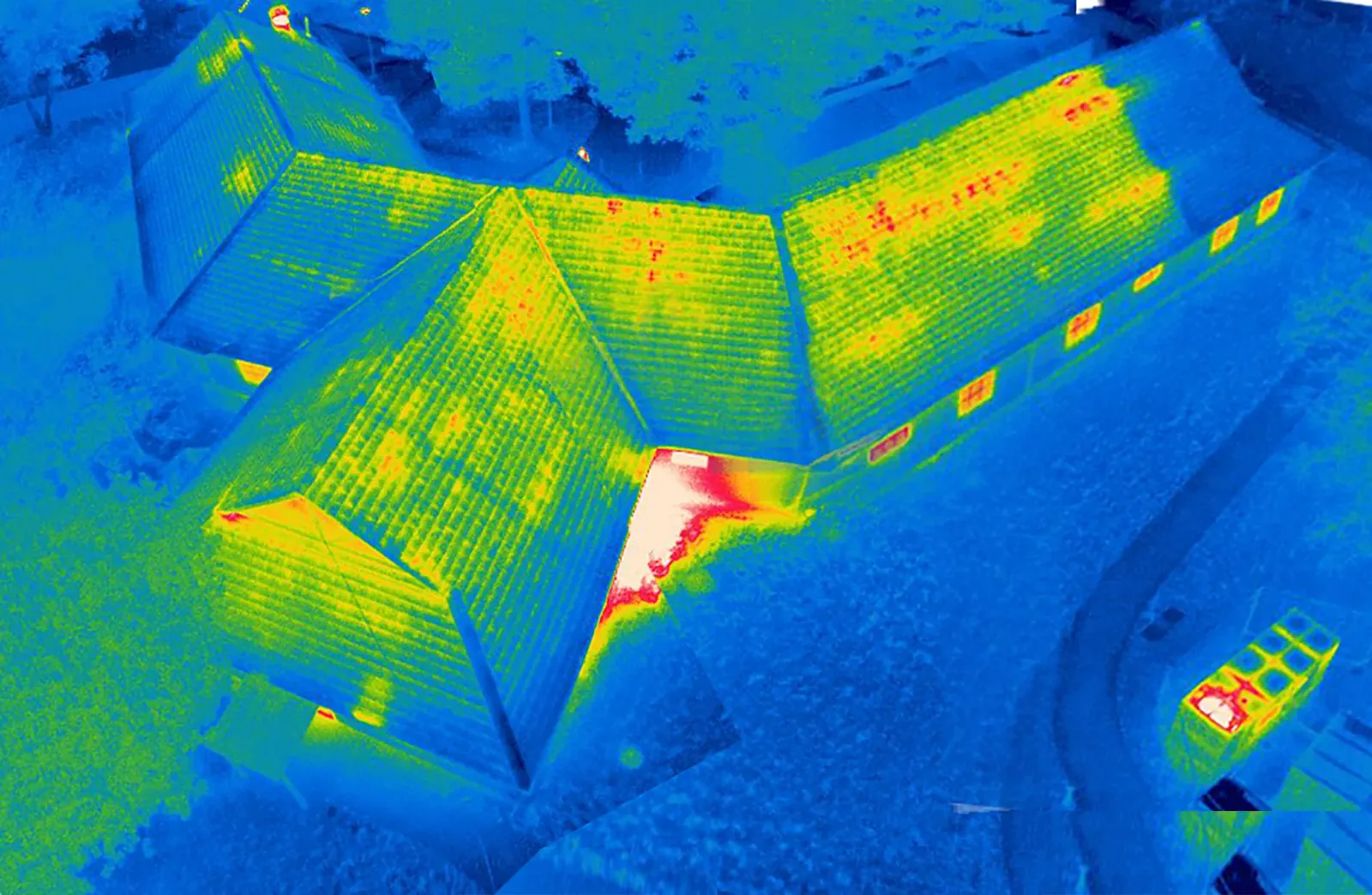
Water can enter at the curb, travel through insulation, and appear away from the opening. We compare the interior report with adjacent seams and drainage before setting a patch boundary. A curb and support review records the transition and any change needed to restore the membrane. If the roof has concealed moisture, an infrared moisture survey can help identify areas for confirmatory testing, but the scan is not itself a repair authorization. We explain what the result can support and what still needs a physical check.
Schedule Around Heat and Storm Review
On a roof above equipment or research space, weather affects both access and evidence handling. DFW's July and August normal highs are around 96 degrees. We set a safe inspection window, account for exposed-surface conditions, and record the assembly before recommending a test or repair. Heat can stress a detail over time, but a regional average is not a diagnosis. The report must identify a visible open lap, displaced edge, damaged flashing, or another condition on this roof.
North Texas severe-thunderstorm frequency peaks in spring. After a reported hail or wind event, we note the date and property observations, then compare them with existing maintenance records. Regional storm patterns apply across the Metroplex but do not confirm impact at a Richardson building. If a new leak appears, we protect the area below and preserve photographs before a repair changes the evidence. That sequence gives an owner a defensible distinction between the current repair and a later capital decision.
Set the Repair or Replacement Line
A localized repair remains a candidate when the surrounding roof is serviceable and the failure has a clear boundary. Wider moisture, repeated openings, deteriorated attachment, or defects across multiple roof sections can move the comparison toward replacement. We identify which evidence supports that move. A repair estimate describes the exact area and detail. A replacement estimate identifies the included sections, insulation assumptions, drainage work, edge treatment, and staging plan.
Cost and schedule change with roof height, equipment access, test openings, after-hours work, material compatibility, and the protection required below. We do not bury those factors in a single allowance. Each optional task is shown with the condition that would trigger it and the person who can approve a change. A KEE membrane assessment applies only if that is the installed system; the inspection confirms the material before choosing a repair method. That step protects the scope from a name or assumption that does not fit the roof.
There is also a difference between roof access and authority to disturb equipment. We record which contact can approve a shutdown, who receives notice, and whether a test opening can be completed within the available window. If one roof section sits above an area that cannot pause, the sequence can start elsewhere while the owner resolves access. The proposal keeps those options visible so timing does not get confused with condition. A delayed opening may preserve operations for now, but the report identifies the unanswered question and sets a review date rather than treating it as a confirmed defect.
Make the Record Useful to the Next Manager
Closeout is a handoff, not a summary of the whole district. A documented inspection and a condition report preserve the section findings. We label images by roof section, identify the detail repaired, and list the items still awaiting a test or access approval. For a Richardson property with controlled equipment or research areas, the record also notes the approved entry route and any service constraint that shaped the work window. The next reviewer can see what was completed without assuming the same condition exists on another building.
Innovation Quarter's business and worker figures describe the larger employment setting. This roof's assembly, moisture findings, and access rules remain property-specific. We will respond around the clock to active water, then issue permanent recommendations after the section is documented. Share the building use, leak status, available records, and decision date. We will return a repair-versus-replacement scope with the next approval and any unresolved test shown clearly.
Commercial Roofing Questions
Do the Innovation Quarter totals indicate the roof type at my property?
No. The district figures describe businesses, workers, and participating activity, not an individual building assembly. We identify the membrane or metal during inspection and record its details, drainage, and prior repairs before recommending work.
Can roof work proceed near active research or equipment areas?
It can when the work zone, service route, and equipment needs are coordinated with the property contact. We document the access window and any required isolation before opening the roof. If safe access cannot be maintained, we schedule another period.
Would an infrared survey prove that insulation is wet?
An infrared pattern can flag an area for confirmation, but the reading alone does not establish a repair boundary. We explain scan conditions, identify test locations, and use physical inspection or openings where needed before pricing affected material.
How does a storm report affect a Richardson roof estimate?
A regional report prompts review when the property has a new leak or visible change. We document the affected section and compare it with available records. The estimate follows observed conditions and separates event-related repair from unrelated maintenance.