A leak over a Denton work area needs a first-hour plan and a defined roof section. We protect the space below, trace the likely water path, and record what can be seen before a permanent repair is priced. Denton identifies Westpark as an industrial district with manufacturing and logistics potential. That context can help a property team frame access and operating questions, but it does not establish a particular building's roof type, condition, or use. The inspection ties each recommendation to the actual assembly and the contact who can authorize the next step.
We ask where water appeared, when it started, and whether equipment, deliveries, or prior roof work changed nearby conditions. On the roof, we check seams, edges, penetrations, drains, and transitions around the reported area. If the leak is active, emergency response is available at any hour, including weekends and holidays. A leak-path inspection can separate temporary protection from the permanent repair line, while a Frisco portfolio roof review receives its own property record rather than inheriting a Denton finding.
Trace the Entry Before Pricing the Fix
A ceiling stain marks where water became visible, not necessarily where it entered. We compare the interior report with the roof section above it, then follow seams, insulation joints, curbs, wall transitions, and drainage routes that could carry water sideways. If the roof surface is dry when we arrive, we still document the reported timing and weather conditions without calling that proof of a storm defect. The report identifies what is confirmed, what remains uncertain, and which test could resolve it.
Westpark's industrial planning context makes a clean work boundary useful when a property has production, storage, or loading activity. We do not assume a facility type from the district description. The building contact confirms the operating area, loading route, and roof access window; we mark any lane or equipment zone that must remain available. A commercial roof inspection records the visible condition, and a moisture survey may help when the assembly and conditions support that method.
Keep Interior Protection Separate
Temporary protection controls water while the owner decides what permanent work to authorize. We identify the affected room or equipment, protect the interior, and note the roof area that can be reached safely. A cover or temporary seal has a limit, so the record states what it protects, what weather or access could change it, and when the permanent scope should be reviewed. That distinction keeps an urgent response from being mistaken for a completed repair.
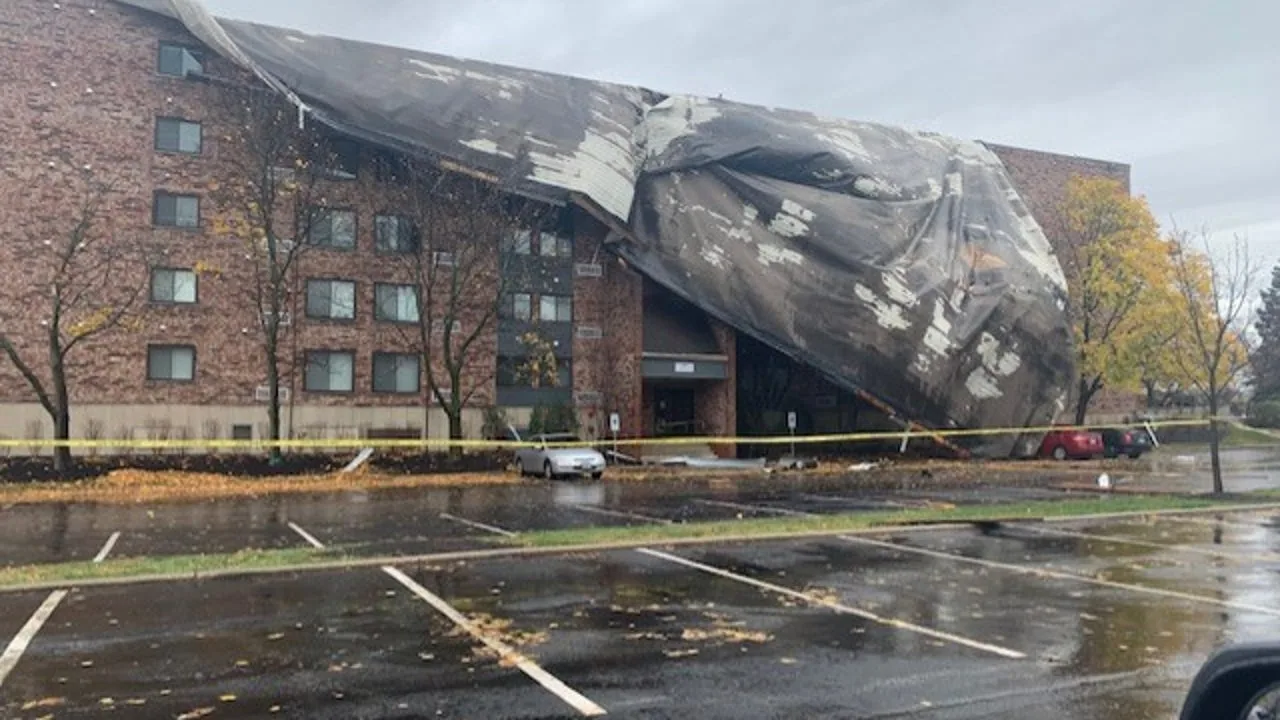
DFW climate normals place July and August average daily highs near 96 degrees. Heat exposure can affect surface movement and the safe timing of roof work, but the regional number does not diagnose a Denton roof. Spring is the area's severe-weather season, and hail or damaging wind may occur somewhere in the Metroplex without reaching every property. We inspect visible evidence before adding storm work. A hail-condition review can document impacts, while a temporary protection response addresses active water first.
Compare the Repair Line with the Next Spend
A repair can make sense when a limited seam, flashing, or penetration failure is accessible and surrounding materials remain serviceable. We list preparation, material, the repair boundary, and the point where work stops. Repeated leaks, broad moisture, or failed attachment may support a replacement comparison instead. We map the observed conditions and keep concealed work separate until removal or a test shows what is present. The owner sees a base scope and the approval point for any added quantity.
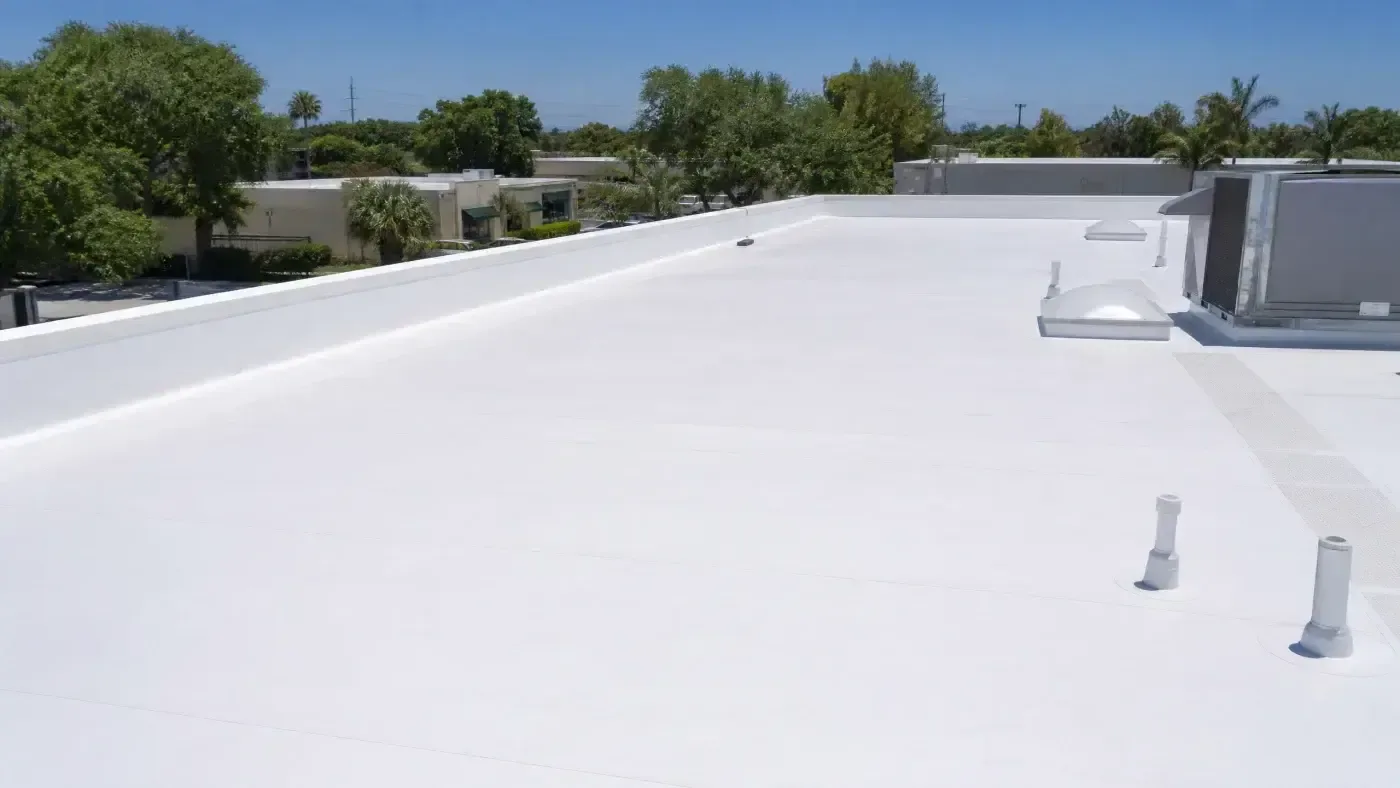
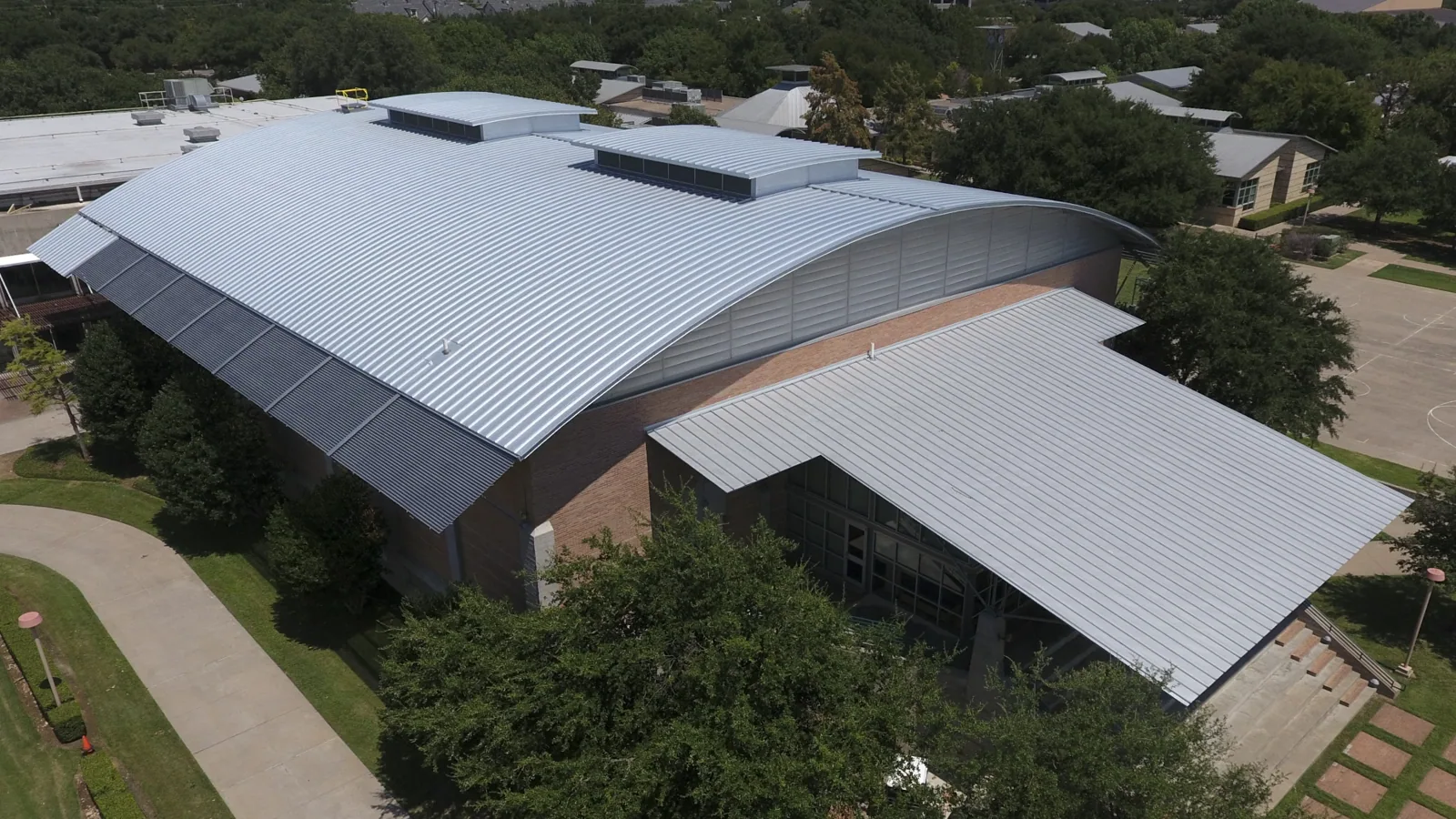
Roof height, layers, staging, insulation, drainage, edge details, disposal, and occupied hours affect cost and duration. The proposal should say which areas can be completed within a shift and which require a separate access window. A section-specific repair scope can be compared with a replacement plan, and a TPO system review is relevant only if the observed or documented assembly calls for it. We do not choose a system from the city or district name.
Set the Access Window Before Mobilization
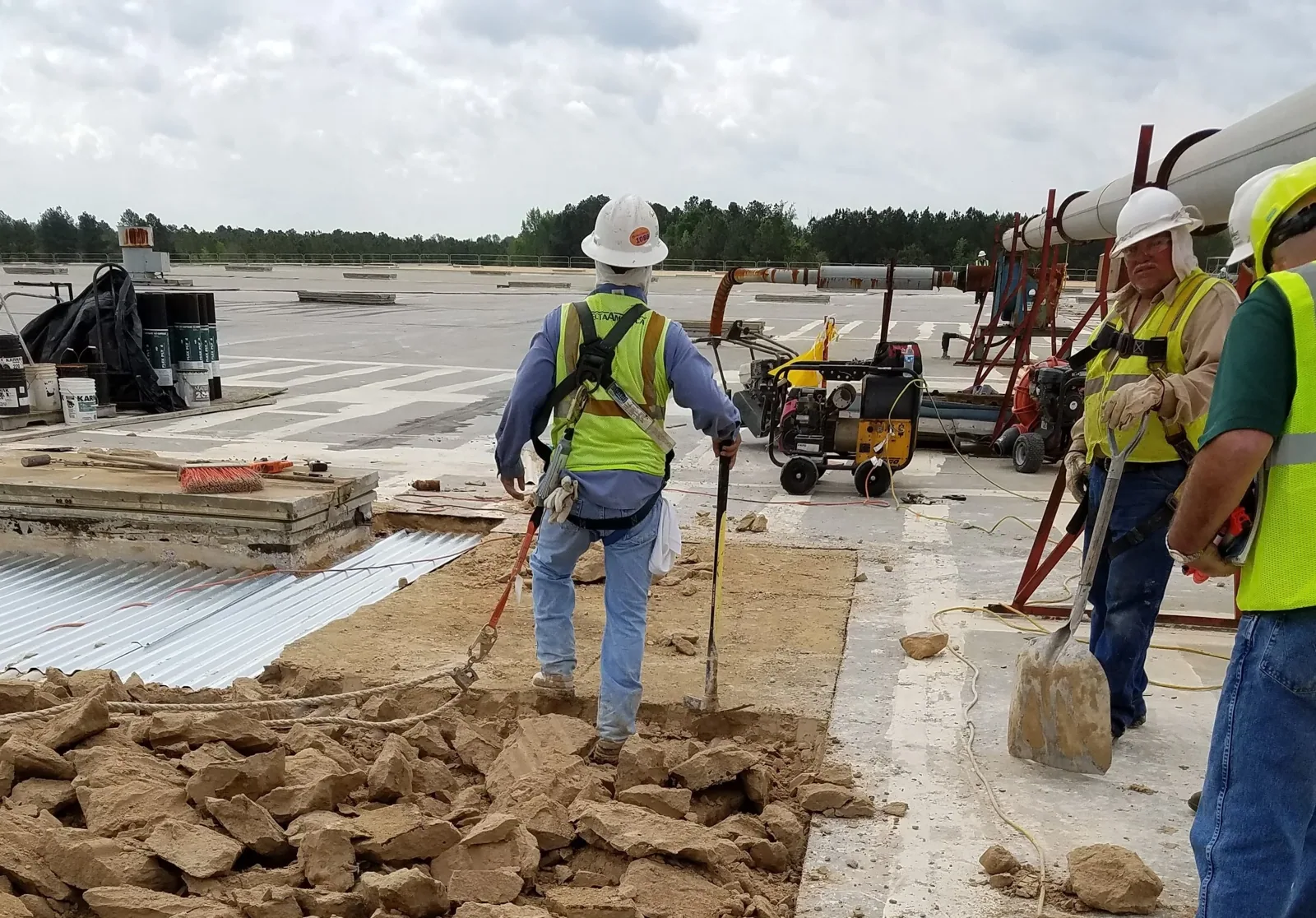
The roof plan changes when a loading route, tenant entrance, production period, or rooftop shutdown must stay clear. We confirm who opens the roof, where materials can be staged, and the daily area the crew can prepare and secure before stopping. If another trade controls a curb, conduit, or equipment shutdown, the schedule names that handoff before the roof is opened. These decisions protect the operation below and keep the work boundary aligned with the time available.
May averages 4.78 inches of precipitation in the DFW climate normals, so drainage and a secure end-of-day condition matter when a roof section is open. That regional normal guides planning, not a claim about rain at a particular site. We check drains and overflow paths, keep a dry-in point in the sequence, and identify weather-sensitive steps in the work plan. A drain and overflow review can be separated from membrane repairs. For an occupied office or warehouse, an occupied-building sequence can record the access limits and closeout point.
Leave a Record for the Next Decision
At closeout, we return dated photographs, repair locations, material details, and any condition that remains open. The map labels the roof sections so a later leak report can be compared with completed work. If a test opening found wet insulation or deck damage, the record states the measured area and the approval that covered it. The owner can keep the closeout beside roof plans, access instructions, and the next budget date instead of relying on a general note that work was completed.
Westpark is a broad Denton industrial district, while a building still has its own roof, route, and operating schedule. Frisco's business parks and Downtown remain separate property contexts, just as a Wylie roof review receives its own inspection record. We do not transfer a local finding from one city to another. Send the affected room, current leak status, available roof records, and access window. We will inspect the section, identify the first-hour action, and return a prioritized repair-versus-replacement scope. A photo-based condition report can support the next maintenance or capital review.
Commercial Roofing Questions
Does Westpark's industrial plan tell you what roof system a Denton building has?
No. The district's planning context describes industrial potential, not an individual roof assembly. We identify the actual membrane or metal, its visible transitions, and any repair history before setting a scope. That keeps the recommendation tied to the property rather than to the area label.
What can we authorize during an active leak?
Start with the affected room, interior protection, and a safe roof access window. We can document temporary protection as its own line, then inspect the likely water path and price permanent work separately. If the source remains concealed, the report names the test or opening needed before expanding the repair.
How do you distinguish storm evidence from a routine roof defect?
Photographs, displaced metal, punctures, seam changes, and the reported timing help define what to inspect. Regional storm activity alone does not show that a specific roof was hit. We record visible conditions, note inaccessible areas, and keep any storm-related repair within the supported boundary.
When should we compare replacement with another repair?
Compare the options when failures repeat, moisture extends beyond one detail, or the assembly no longer supports a bounded repair. We document the findings, test results, and concealed assumptions behind each path. The owner can then set a budget date with a defined base scope and a separate approval point for added work.