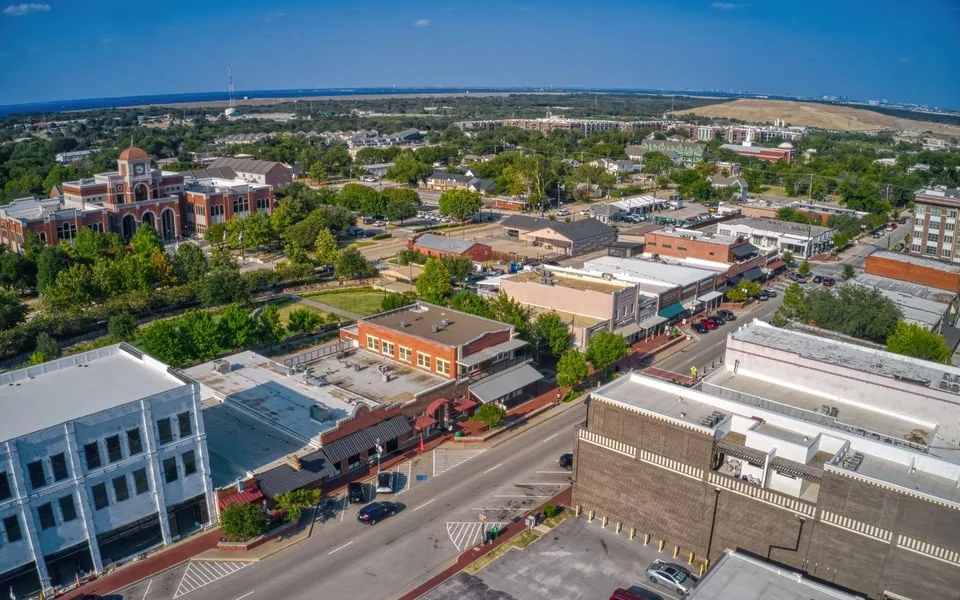
Reinvestment can change a roof decision before a leak reaches the tenant space. Coppell has about 29 million square feet of industrial inventory within more than 34 million square feet of commercial space, limited greenfield acreage, and a focus on reinvestment. These municipality-wide figures do not identify the area, assembly, or condition of an individual roof. We start with the roof section, current condition, and access window so a property team can separate a local repair from a larger capital decision.
Frisco and Coppell share DFW's hot summers and spring storm exposure, but a regional weather record does not tell us whether a specific roof has failed. We document the membrane or metal present, check drainage and perimeter details, and compare findings with available maintenance records. A Lewisville commercial roof assessment for another address cannot stand in for this inspection. Here, the first-hour plan is a clear water path, a controlled work area, and a scope that reflects Coppell's actual roof condition.
Treat Reinvestment as a Roof Decision
Limited new land and an emphasis on reinvestment make the timing of repair, recovery, or replacement a practical planning question. Municipal commercial-space totals do not identify a roof's age, assembly, or moisture condition. We inspect what is installed and mark each issue by roof section: open seam, failed penetration, displaced edge, drainage concern, or a condition that needs testing before a price is fixed.
That record helps an owner compare an immediate repair with a planned project without treating every defect as a replacement trigger. If one curb leaks while surrounding membrane remains sound, a bounded repair may protect the budget. If moisture, repeated patching, or attachment concerns cross several areas, replacement may offer a cleaner scope. A commercial roof inspection records the evidence behind the recommendation. The owner can then set a budget date and decide which questions require a test opening before approval.
Set the Access Window Before Mobilization
Work in an occupied commercial property depends on more than the roof surface. We confirm entrances, loading activity, equipment that cannot be interrupted, and the roof area that can be isolated while a repair is open. Coppell's reinvestment context may bring active property work, but we do not assume that any named building is under construction. The site contact sets the actual conditions: badge or escort rules, delivery path, tenant notice, noise limits, and any period when access is unavailable.
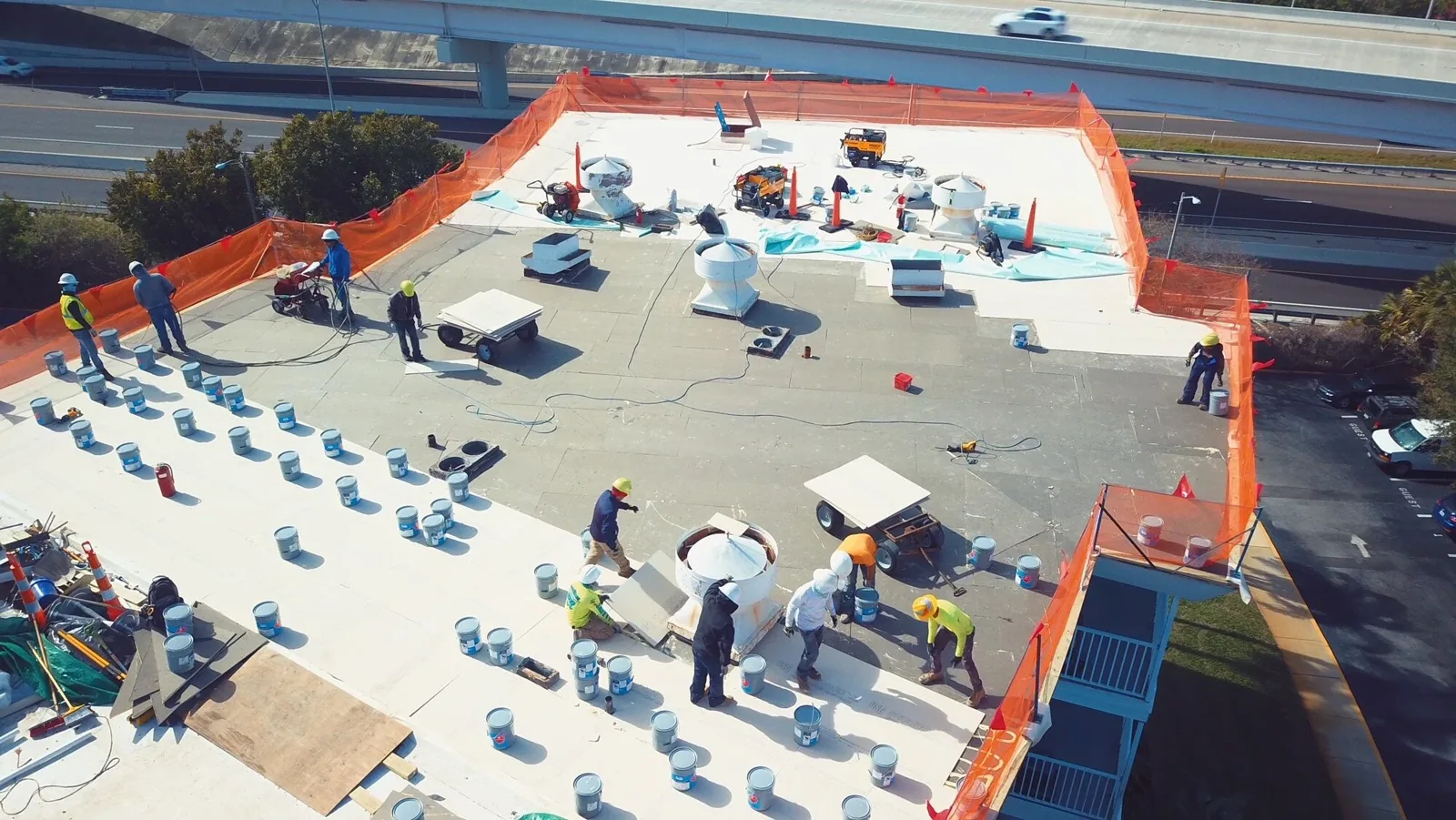
Once those boundaries are clear, we can stage material, protect the interior, and leave each daily work area weather-tight. A roof with multiple sections may need separate phases so a crew never opens more membrane than can be closed before a shift ends. We give the owner a sequence and identify the person who can approve a change if concealed layers differ from the visible surface. This is also how we plan reroofing around occupied operations, with the access record tied to this Coppell property.
Read Heat and Storm Evidence Carefully
Heat and severe weather affect how we schedule an inspection, not what conclusion we reach. DFW's July and August average highs are about 96 degrees. We choose a safe roof-access period and make sure any open repair can be closed before conditions change. A hot day may expose movement at a flashing edge or seam, yet the inspector still needs to see whether that detail is separated, loose, or intact before recommending material.
North Texas sees its severe-thunderstorm peak in spring. A regional hail or wind report does not establish that a Coppell roof was struck. We ask what changed at the property, check for displaced metal, punctures, and water entry, and compare available photographs with the current condition. Coppell has limited remaining greenfield acreage and a stated focus on reinvestment. For an owner planning work on an existing site, that context makes a current roof record useful, while the inspection sets the scope. We confirm the actual assembly before selecting a compatible repair; an EPDM system review applies only when that membrane is present.
Keep Cost Tied to a Measured Boundary
Price changes with access, roof height, staging, insulation condition, removal layers, and the number of details that need work. We measure the repair area and separate known tasks from concealed conditions that could change labor or material needs after opening. If a property requires after-hours access or equipment protection, those requirements appear in the schedule and scope instead of surfacing as an unexplained change order.
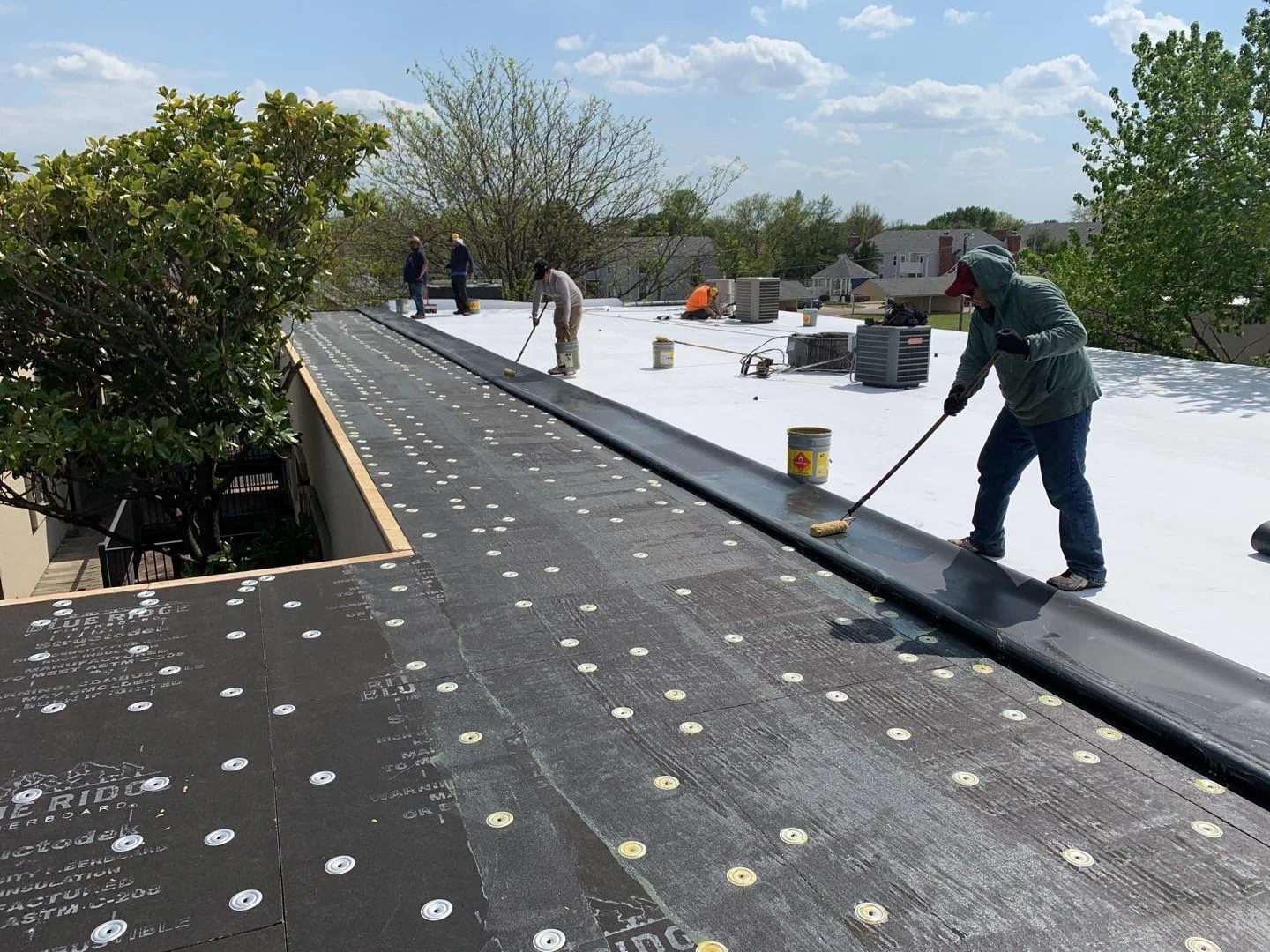
A replacement proposal should show the roof sections included, assembly assumptions, drainage work, edge and penetration details, and how the building stays protected between shifts. A repair proposal should identify the patch boundary and what remains outside it. We explain the next spend in ordinary terms: what is authorized now, which test could change the decision, and when a follow-up is due. A commercial roof repair can be sequenced with planned maintenance only when the inspection shows the added work is useful.
Before a planned roof project reaches pricing, we also check how work changes the property's daily use. A repair beside rooftop equipment may require a different isolation plan than work along a clear perimeter. We mark drains, conductor heads, curbs, and wall transitions so a crew does not close one detail while leaving the connected water path unresolved. If the building has prior coating or overlay work, that history affects adhesion tests and removal assumptions. The owner sees which observations are confirmed and which depend on opening the assembly.
Reinvestment timing can favor a sequence rather than a single broad mobilization. We can identify a section that needs immediate protection, a second area that can wait for testing, and details that belong in a later capital scope. That plan keeps urgent water control separate from discretionary upgrades. The decision record includes a review date, so a manager can revisit the condition before the next budget window instead of carrying an undefined allowance forward.
Leave a Usable Condition Map
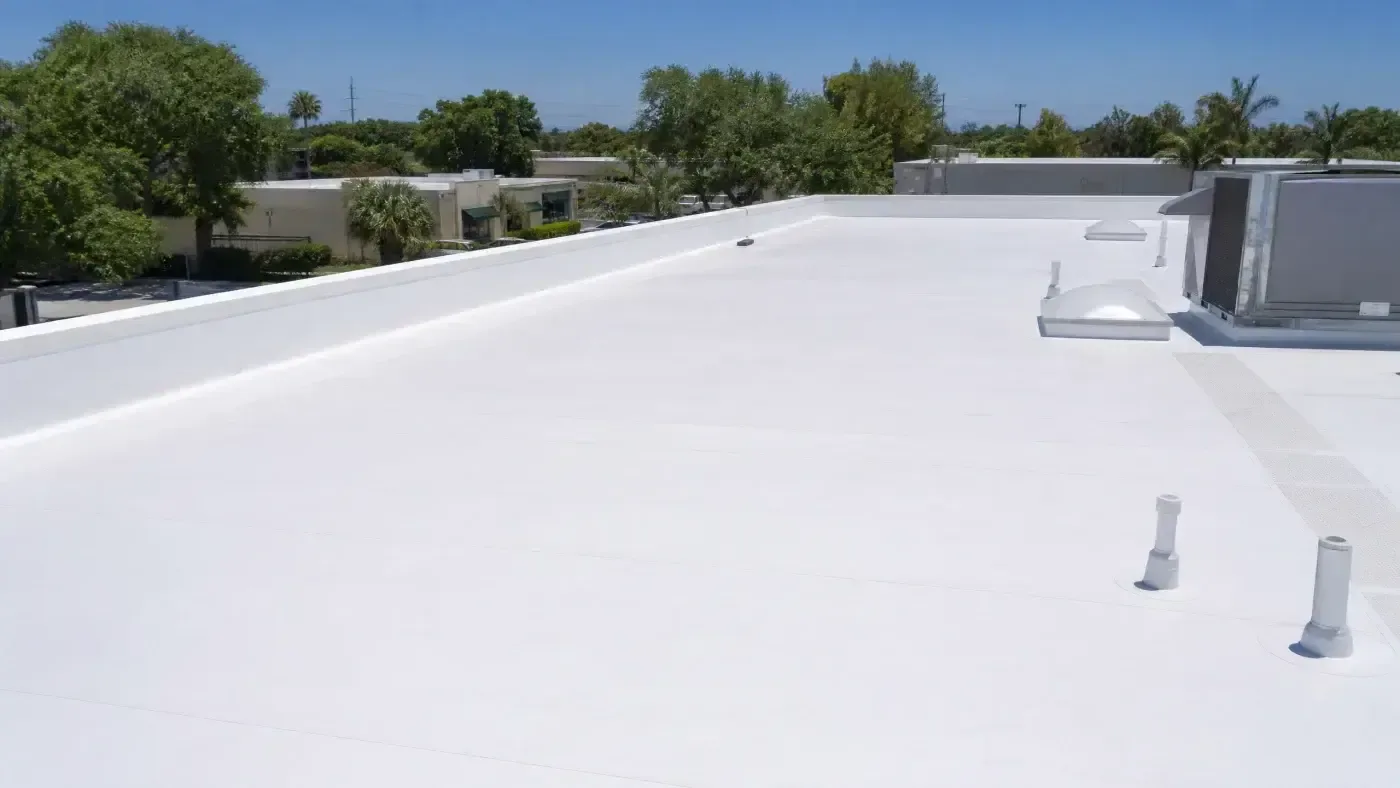
Closeout should make the next inspection easier to compare. We label photographs by section, record repaired details, and identify any area that still needs observation or testing. The report keeps roof findings separate from general property notes, so a later manager can see why a repair was authorized and what remained outside its scope. That distinction is useful when a reinvestment budget includes several buildings with different systems and access calendars.
For a portfolio that also includes commercial properties in Richardson or roof work in Grapevine, each site still needs its own condition map. Share the Coppell building use, leak status, roof records, and decision window. We will inspect the reported section and return a prioritized repair-versus-replacement scope, with access needs and unresolved questions shown before the next spend is approved.
Commercial Roofing Questions
Does Coppell’s industrial inventory tell you the size of my roof?
No. The annual report describes citywide commercial and industrial space, not the floor area or roof area of a specific property. We measure the roof section during inspection and record the assembly, drainage, and access conditions that affect the scope.
When should reinvestment include a roof replacement?
Replacement belongs in the comparison when the inspection shows conditions extending beyond isolated details, such as repeated failures, broad moisture, or attachment concerns. We document those findings and separate them from a repair that can be completed within a limited boundary.
How do you keep a repair from disrupting deliveries?
We confirm the loading route, material staging, and work period with the site contact before mobilization. The daily plan limits the open roof area and identifies who can approve a change. If the route cannot remain safe, we set another window before work begins.
Does spring storm activity mean the roof needs a claim inspection?
Regional storm frequency alone does not establish property damage. A new leak or visible roof change gives us a reason to inspect. We photograph the condition, compare records where available, and identify whether repair, testing, or further documentation is supported.