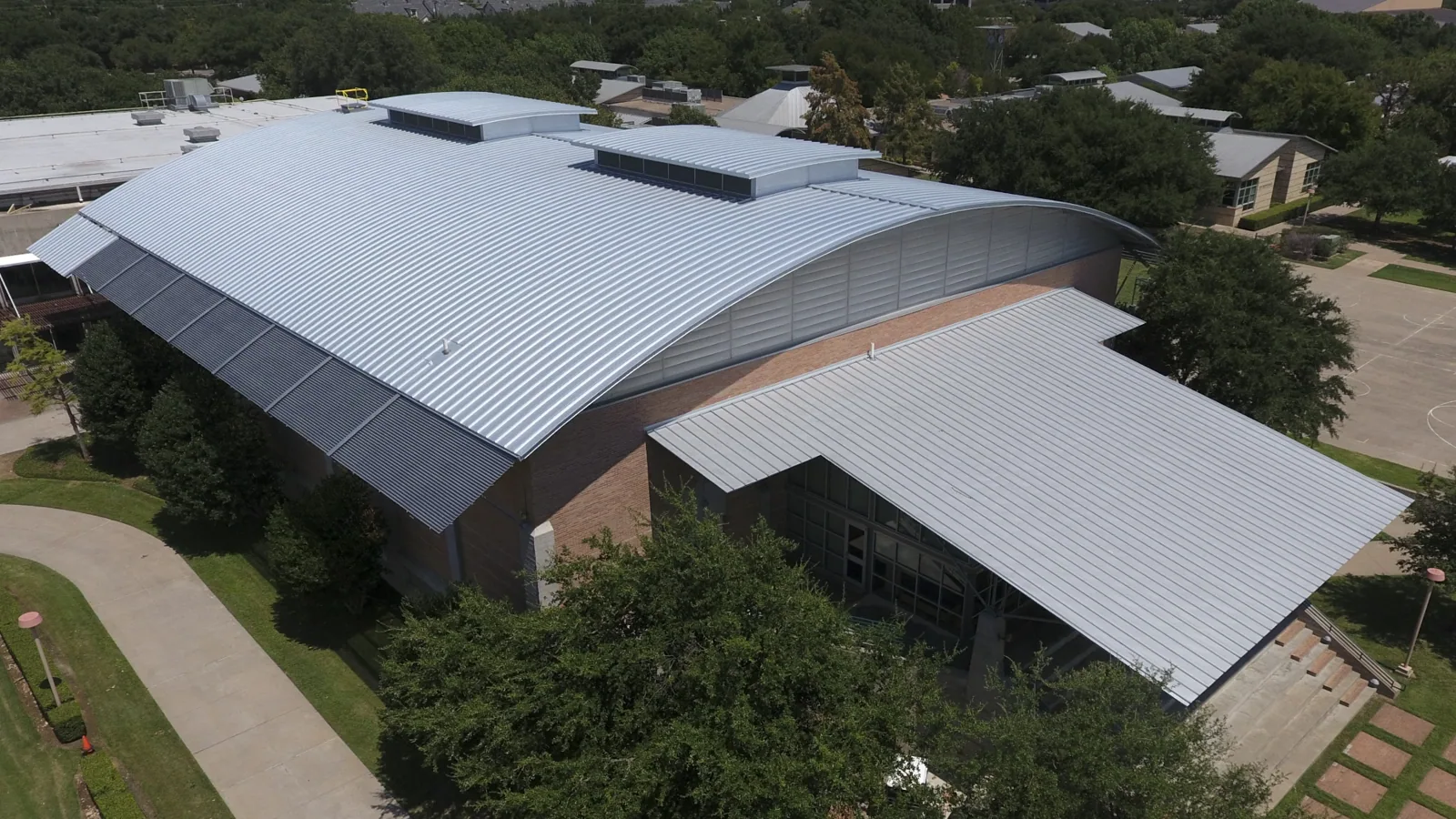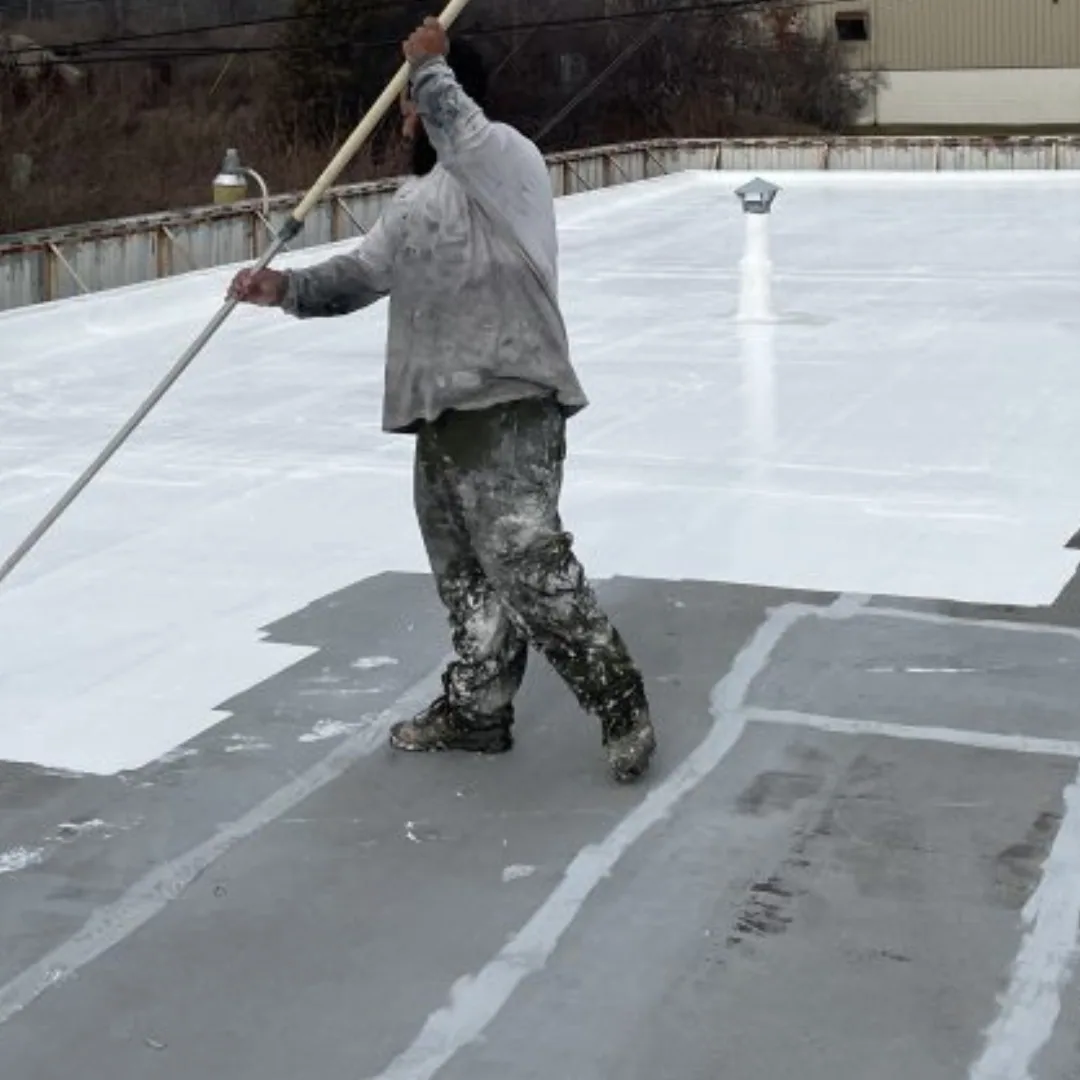
A leak above production can turn a roof repair into a shutdown decision. We map the affected line, equipment, interior access, and roof section before choosing a temporary protection step or permanent scope. Frisco's business parks emphasize office and modern-industry uses; warehouse, distribution, and showroom forms still depend on zoning and truck access. That land-use framework is not proof of a particular plant's operation, so we verify the actual process and roof assembly with the facility team. North Platinum is a broad employment area, and Dallas Parkway serves as one of Frisco's key mobility corridors. The plant's shift calendar and equipment controls determine how we stage the work, when a unit can be isolated, and where the crew can close the roof before leaving.
Locate the Roof Section Above the Process
Production staff can identify the area where water, dust, or vibration would interrupt a line. We use that information to map the interior impact against roof seams, drains, curbs, exhaust hoods, and prior repairs. A stain below a roof penetration may be displaced from the entry point, so we record the observed path before removing material. If a leak is active, our all-hours response can protect the interior and establish a repair boundary while the owner decides whether the permanent work can wait for a planned shutdown.
The facility contact should identify clean rooms, electrical controls, sensitive inventory, and equipment that cannot be exposed to debris or water. We agree on a notice window, protective coverings, and a person who can authorize a pause if the line changes status. The work plan lists the roof section by location and the corresponding interior contact, rather than using a broad plant label that does not help the crew or production supervisor. A leak repair inspection can separate first response from the larger capital scope.
Coordinate Exhaust, Supports, and Mechanical Work
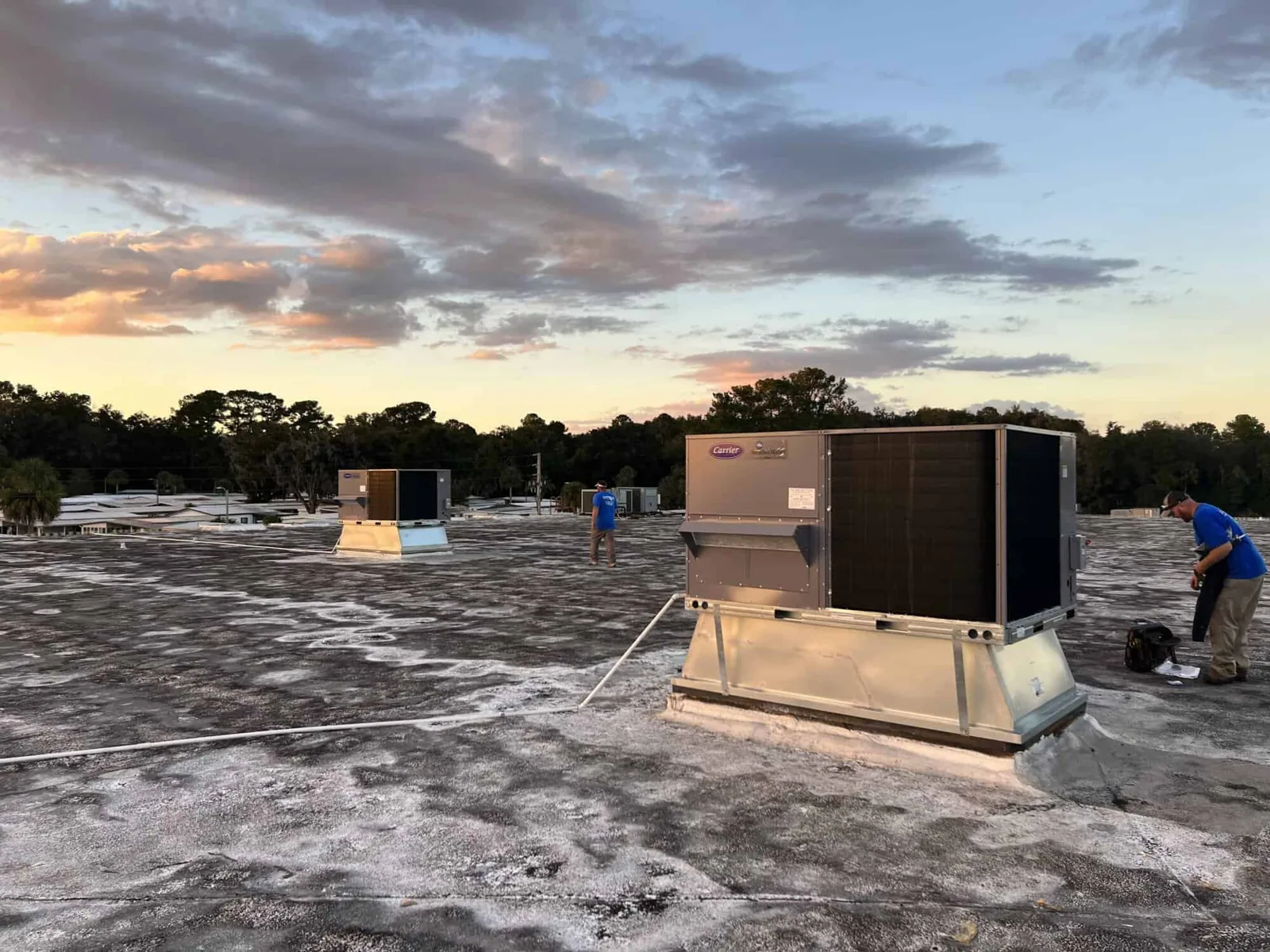
Exhaust stacks, makeup-air units, pipe stands, and electrical supports all create roof transitions. We inspect the curb base, flashing height, fasteners, membrane seams, and any movement around equipment before including a detail in the bid. Vibration or heat near an opening can change what needs to be repaired, but the facility's process and equipment records should confirm the operating conditions. The plant contact sets which systems remain live and when equipment isolation is permitted.
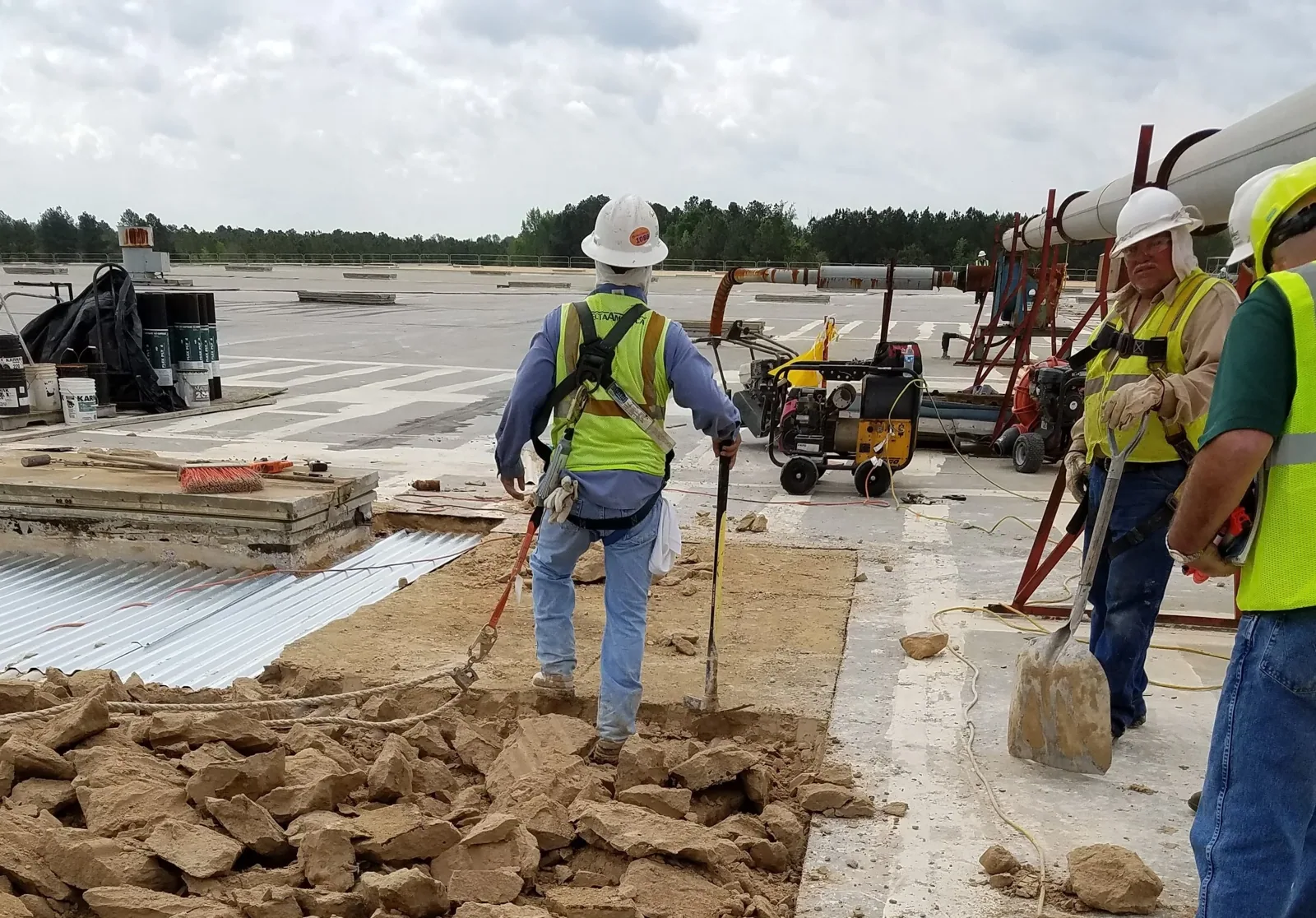
Before a unit is disconnected, the mechanical lead and plant contact agree on shutdown, lockout, access, and restart checks. The roofing scope identifies who lifts or supports the equipment, who installs the curb or flashing, and who confirms the system is ready to run. A curb and equipment support review can mark those handoffs on the roof plan. If a roof opening reveals corroded deck or saturated insulation, the crew protects the area, photographs the condition, and waits for written direction before extending the repair beyond the defined boundary.
Tie the Scope to Frisco's Business-Park Context
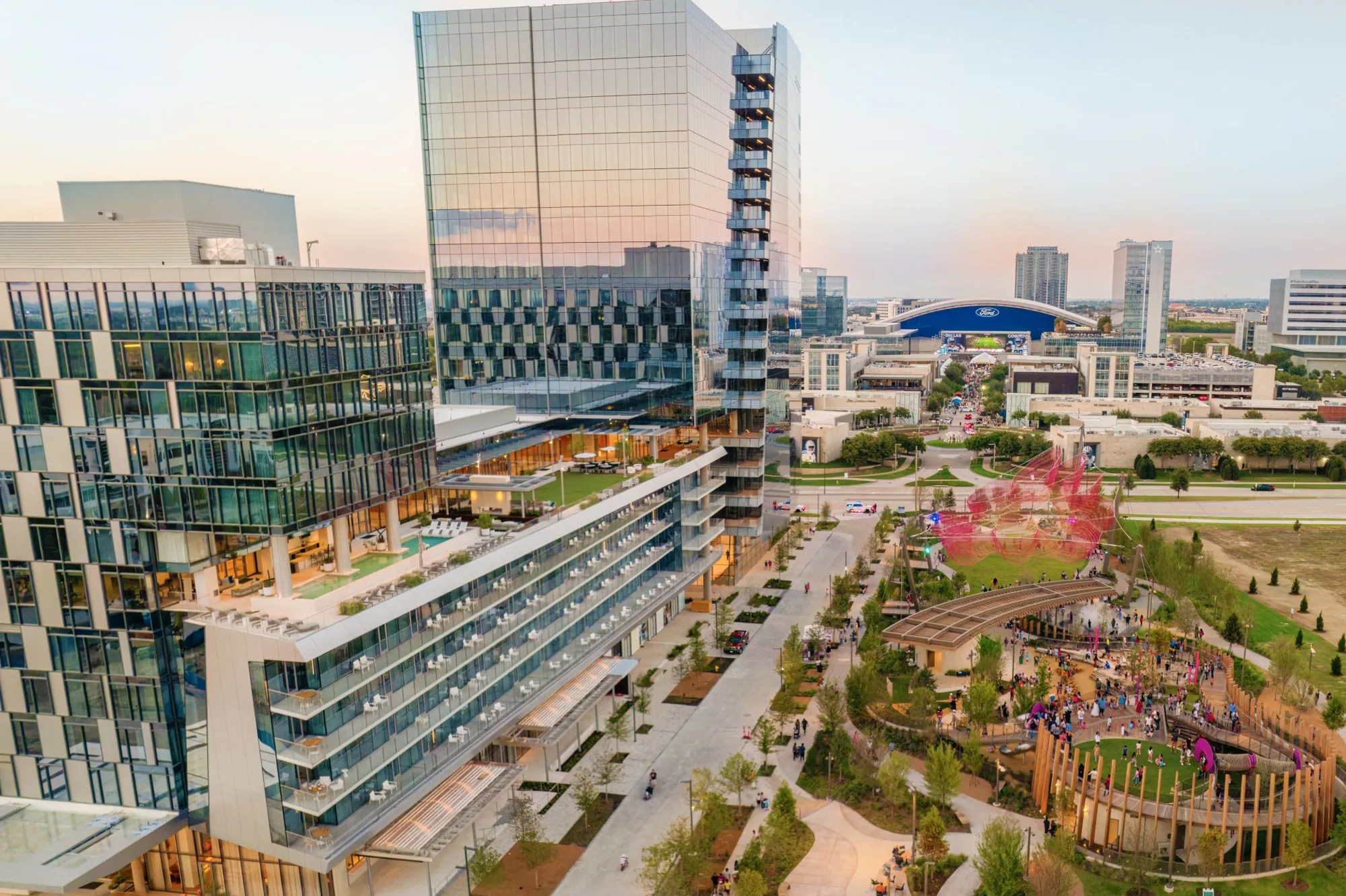
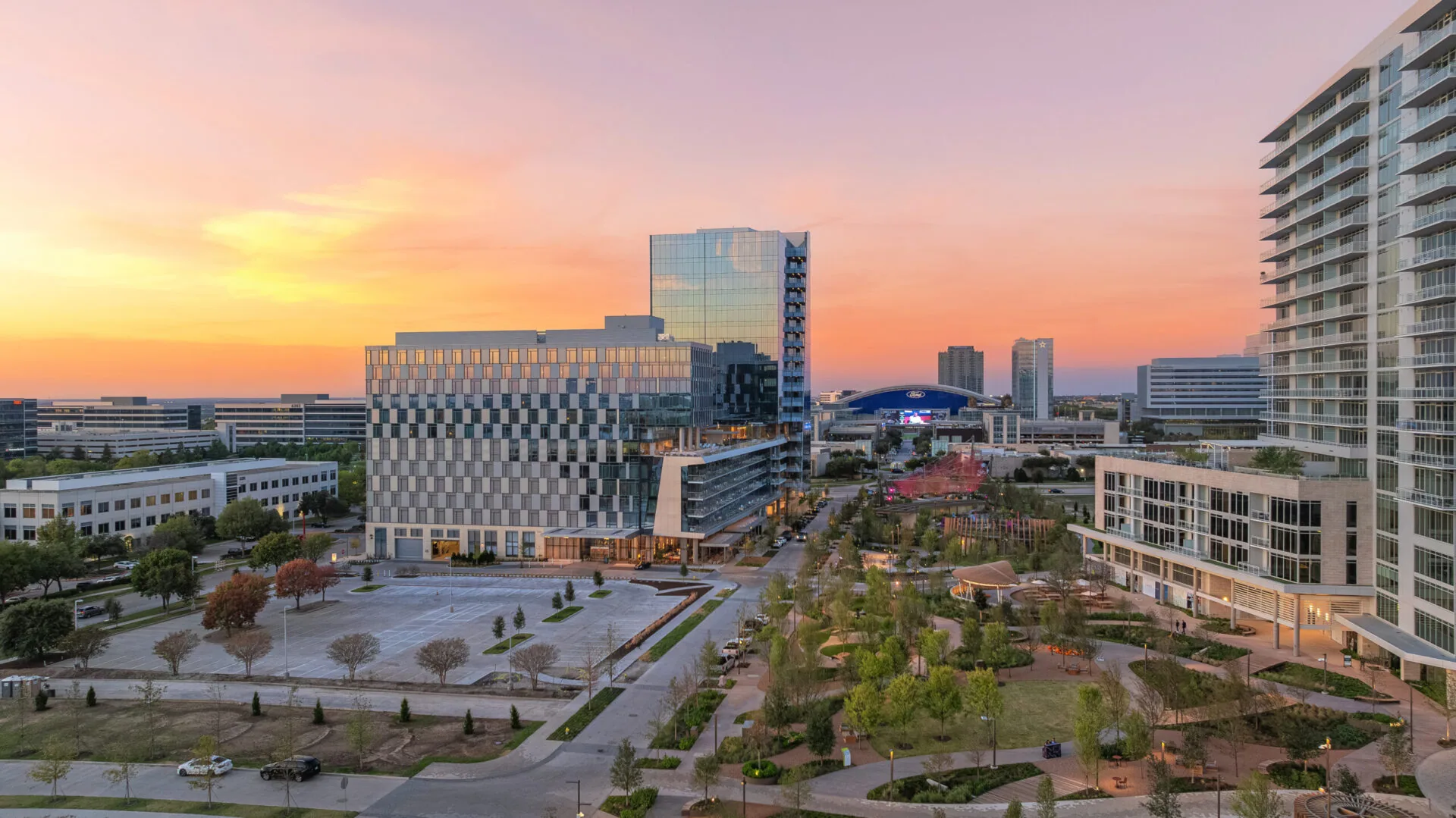
Office/warehouse, distribution, and showroom uses fit only where zoning and truck-route access allow them. North Platinum is a multi-property corporate and mixed-use area; neither district label replaces a plant-specific survey. That context gives a reason to ask about truck routes, deliveries, and nearby occupied uses, but it does not establish how any plant operates. We confirm the roof access route and staging area with the site team.
The Dallas North Tollway widening added capacity between SH 121 and US 380, with related frontage-road and intersection improvements. That regional work does not set the plant’s permitted approach; the facility team names its authorized truck route. Dallas Parkway and US 380 link Frisco's commercial districts, but the permitted truck entrance is property-specific. We ask for approved vehicle routes and delivery windows before bringing a crane or roofing material to the site. A North Platinum Corridor service plan can frame the regional access discussion, while a Dallas Parkway corridor review does not replace the facility's gate instructions. Those details affect setup, labor time, and whether the operation needs a narrower work shift.
Use Weather Windows Without Leaving an Open Bay
North Texas heat can affect application windows and the crew's time on an exposed roof. At the DFW station, July and August have normal highs of 95.6°F and 95.8°F. A plant supervisor can use those figures to ask about surface-temperature limits, but the crew measures the roof before choosing a product window. We follow product application limits, inspect the substrate, and size each work area so the crew can secure it within the approved shift. DFW's spring severe-weather peak also makes a backup dry-in method important when a production shutdown cannot move at short notice. A regional normal informs the schedule; a roof walk still determines the material condition and repair line.
We identify drains, scuppers, roof slope, expansion joints, and areas where water might collect before adding layers. If a plant uses a maintenance shutdown for roof work, we coordinate the opening, equipment lockout, and membrane closure so no section remains unprotected when production resumes. After a weather warning, dated site photographs and production notes help mark observed impact for a separate inspection. A replacement sequence can list the work area and end-of-shift closure. If the existing assembly remains sound, a restoration option can be compared after adhesion and moisture checks. The owner can then weigh the access window and future maintenance against a full assembly change.
Keep Production Decisions and Roof Costs Separate
The proposal should distinguish base roofing, equipment work, interior protection, and concealed-condition repairs. It should show the removal depth, insulation or deck replacement allowance, flashing, perimeter metal, disposal, and shift limits. Where the plant wants a shutdown, the scope identifies the required duration and what must be ready before equipment restarts. If the roof reveals conditions beyond the bid, we document them and request approval before changing the work boundary.
Closeout should include installation photographs, repair and penetration locations, the assembly description, warranty documents, and maintenance recommendations. The operations team can file the roof map with the equipment list and planned shutdown calendar. A condition report keeps observed details available to the next facility manager. For a roof on a distribution building, dock flow may lead the schedule; an industrial warehouse roof may put inventory protection first. We identify those differences from the site's actual use and return a repair-versus-replacement choice with the next decision date.
Commercial Roofing Questions
Can a roofing crew work above a running production line?
The facility must identify the line, equipment, and interior controls that require protection or shutdown. We map a roof section above the affected area and coordinate access, debris control, and daily closure with operations. If the risk cannot be isolated, the work window should include an agreed pause before tear-off begins.
Who disconnects rooftop equipment for a plant reroof?
The project documents should name the mechanical trade responsible for disconnecting, lifting, supporting, and restarting each unit. We identify the roof flashing and curb work, then coordinate the sequence with that trade and the facility contact. The owner receives a scope boundary for each handoff before mobilization.
How are concealed deck repairs priced?
We describe the known roof work and define how a newly exposed deck condition will be measured, photographed, protected, and submitted for approval. The plant's representative authorizes added work before it is installed. This keeps the base bid separate from a repair that could not be confirmed during the initial survey.
What records should the plant retain after roofing work?
Keep the installed system description, penetration map, repair photographs, warranty information, and maintenance recommendations with the equipment and shutdown records. We can identify roof areas that need follow-up and note any repair reserved for another trade. That gives the next maintenance call a location and a known scope boundary.