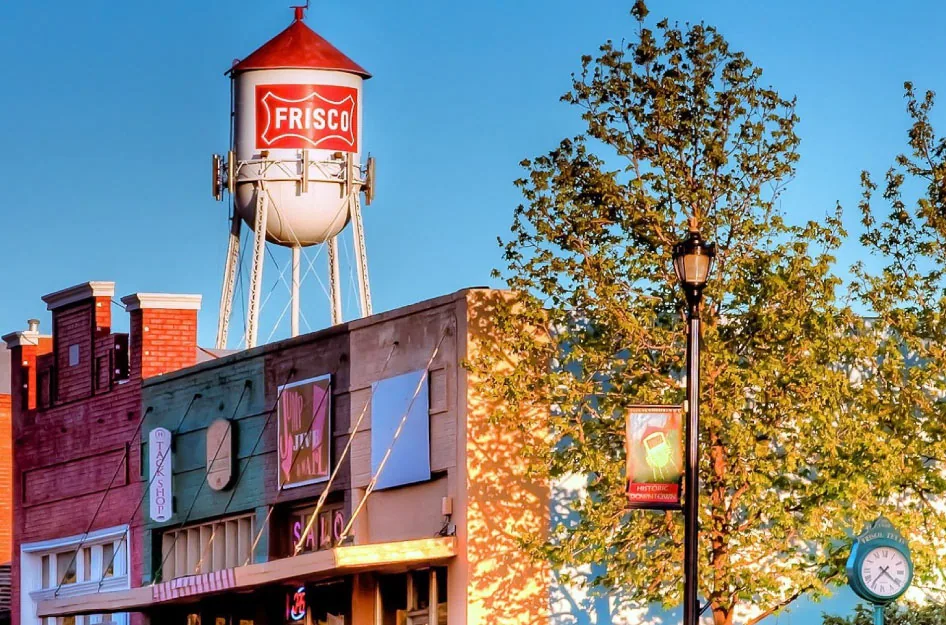
Loose gravel, a soft area, or a ceiling leak can make a built-up roof look ready for removal before the layers have been checked. In Frisco, TX, we identify the assembly, inspect the surfacing and flashing, and map the water path before choosing a repair boundary. Built-up roofing uses multiple plies of reinforcing fabric set in bitumen, often with a gravel or cap-sheet surface. The number of layers, attachment, and condition below them matter as much as the top appearance. Frisco's Rail District has historic commercial buildings undergoing reinvestment; North Platinum has a larger corporate and mixed-use setting. Those contexts influence staging and occupied hours, not the condition of a specific roof. A hands-on inspection records what is visible and what needs a limited opening, so the owner can choose a repair date, a test, or a phased replacement with the next spend clear.
Read the Surfacing and Plies
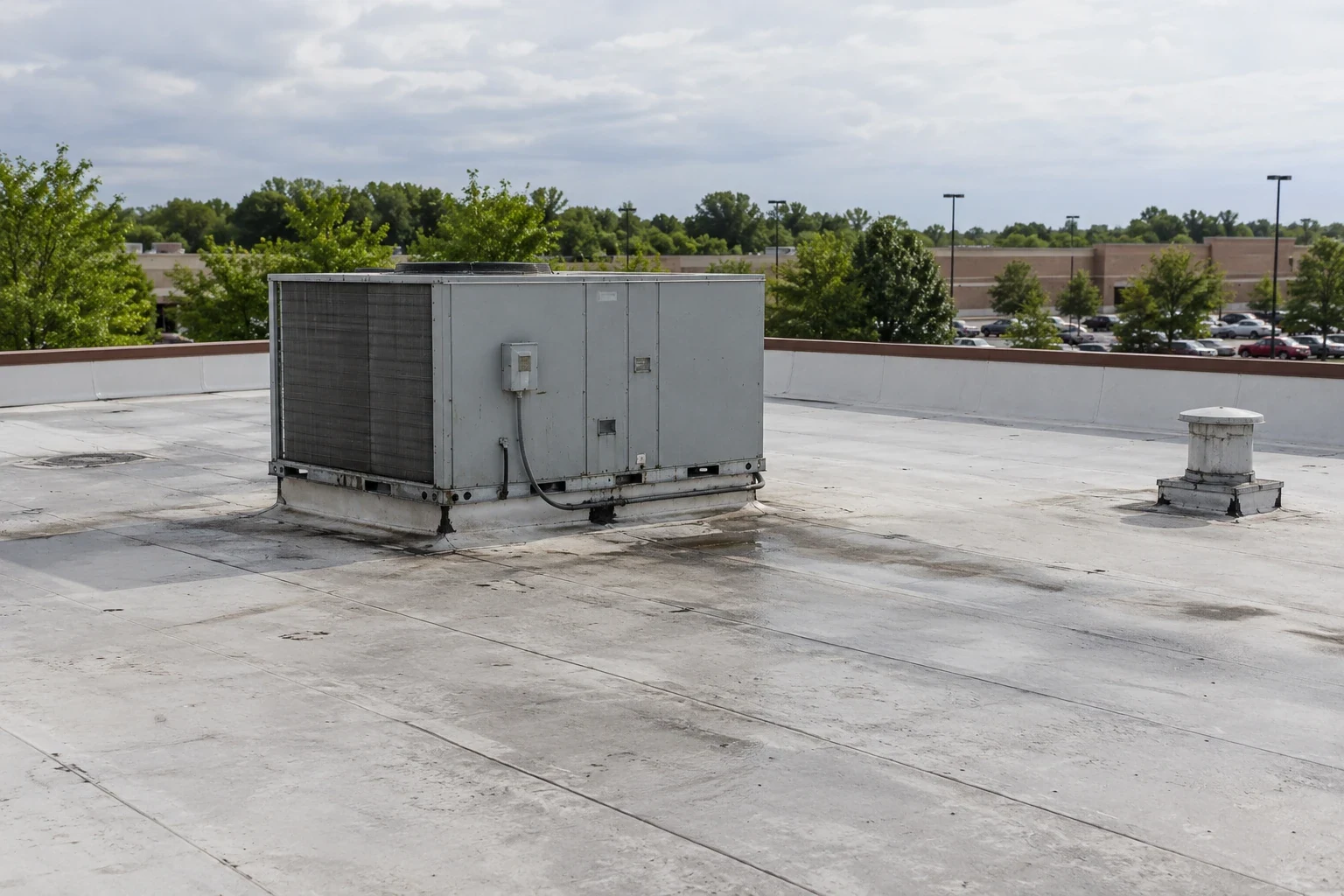
Built-up roofing is a layered assembly, so the visible surfacing does not tell the whole story. We check whether the top layer is gravel, mineral cap sheet, or another finish, then inspect exposed edges and transitions for evidence of the plies below. A modified-bitumen assembly can look similar at a glance but has a different membrane arrangement. We record the number of visible layers where an edge is already open; we do not create an opening simply to guess at construction. The inspection notes whether past repairs are bonded to the existing surface and whether the top coat has separated from the ply below. A small verified sample can answer an assembly question before the estimate assumes a full tear-off. That detail matters when comparing a patch, a new cap layer, or removal down to the deck.
Find How Water Reaches the Deck
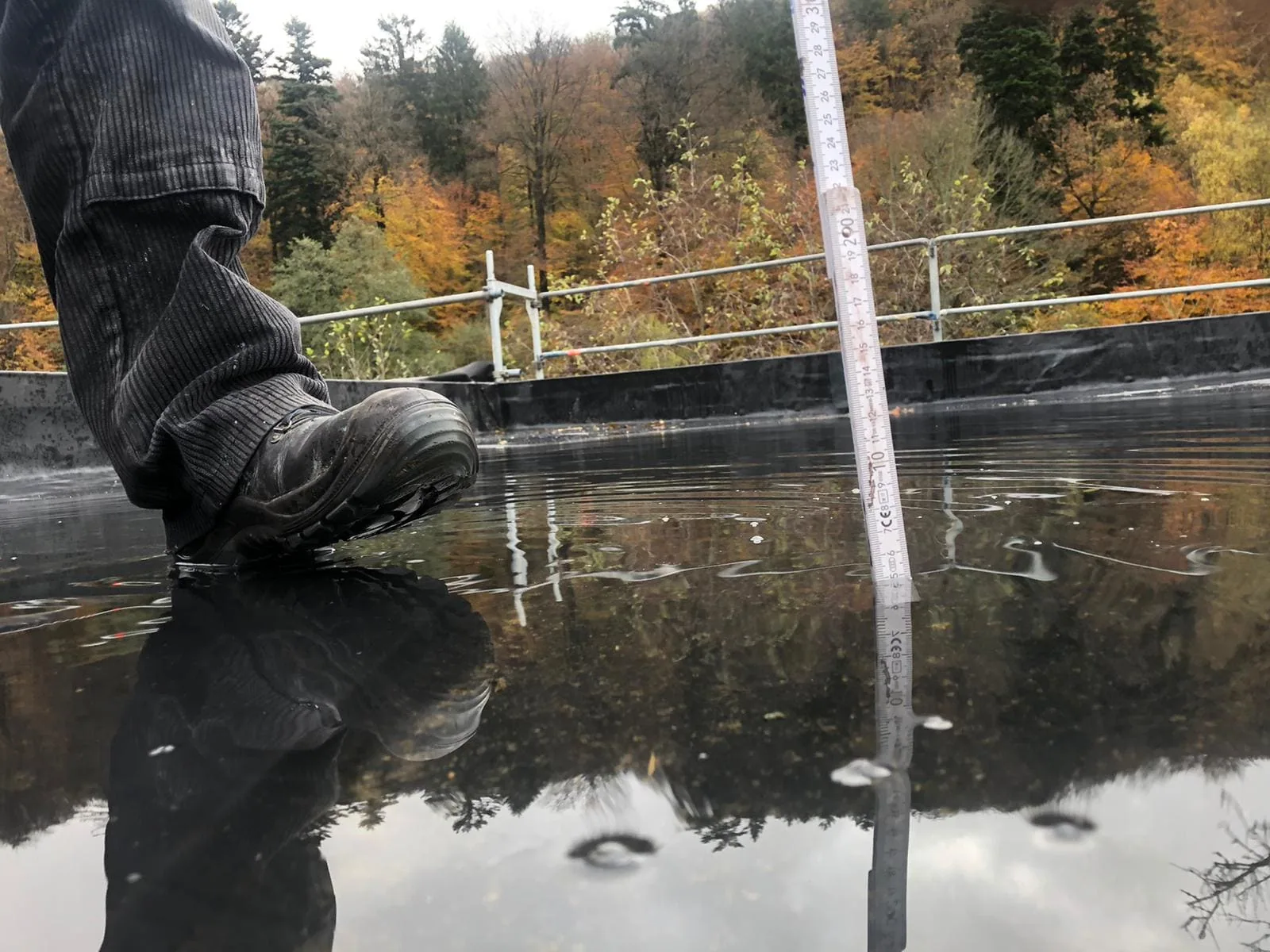
When a built-up roof leaks, the path may cross a cap sheet, several plies, or a flashing before it reaches the deck. We follow the observed trail back toward drains, walls, expansion joints, and terminations, then mark the point where more evidence is needed. A ponding-water review can distinguish a blocked outlet from a low section or failed drain connection. We note whether aggregate has shifted, a cap sheet has opened, or a prior patch interrupts the flow path. Those observations guide a small test opening only where the owner authorizes it. The resulting sketch shows the visible route, the likely entry detail, and any unconfirmed layer below. A repair can then address the source without removing sound roofing simply because the interior stain appears far from the entry point.
Set a Repair Line the Layers Can Hold
A built-up repair needs a stable, dry boundary and materials that work with the existing surface. We remove loose aggregate or damaged cap sheet only where needed, then check the exposed plies for separation and moisture. If the opening reveals wet insulation or soft decking, we photograph the condition and seek approval before extending the work. A contained split may be repaired without replacing the full roof area. Broad blistering, multiple wet zones, or repeated failures can change the decision. A restoration review can be useful only after the surface, attachment, and drainage are shown to support a coating. It cannot cover over a wet or detached assembly. We list confirmed repairs, optional adjacent items, and any concealed condition separately, so the owner sees the cost and schedule boundary before work proceeds. On a multi-ply roof, repair layers need to be rebuilt in sequence and sealed at the proper limits. We keep the opening only as large as the confirmed condition requires, then verify each exposed layer before the next goes down. If a test confirms moisture outside the original boundary, the owner gets photographs and a revised scope for approval. The crew then closes the section to the agreed surface and records the materials used.
Plan Work Around Heat and Building Use
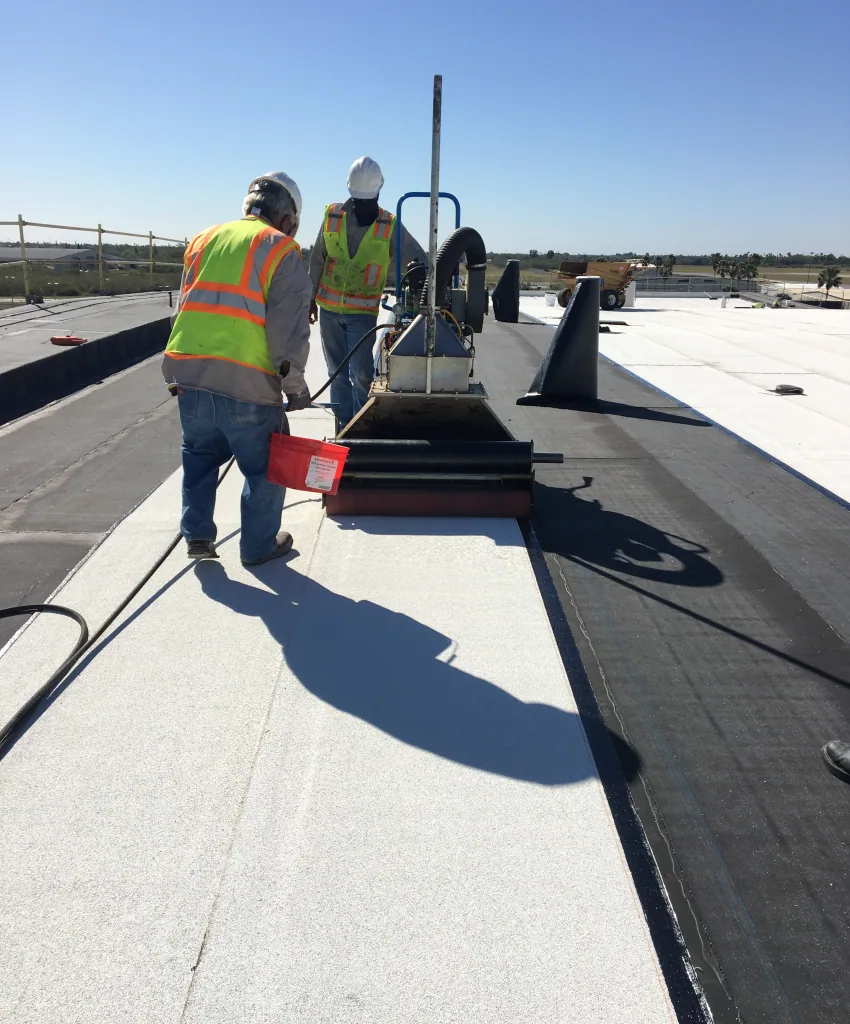
BUR sequencing starts with the production method and the building's operating calendar. If hot asphalt is part of the selected process, we define kettle placement, hose paths, fire controls, and the area that can be worked without crossing active entrances. A grocery roof may involve refrigeration or customer-side constraints that the roof sketch should identify. Frisco's Original Town Commercial district has a distinct downtown redevelopment setting; it is useful context for planning around occupied storefronts, not evidence about any one roof. We set a section size the crew can dry-in before the next pause and show how each day's tie-in will be protected. The owner receives a sequence with work hours, staging points, and the person responsible for site access. That turns a roof replacement discussion into a manageable series of operating decisions. The sequence names which deck openings will be protected overnight and which crew lead accepts the completed tie-in. The owner can then compare daily progress with store hours and receiving windows instead of relying on a broad duration estimate.
Compare the Next Repair with Replacement
A recover can avoid removing every layer only when the existing BUR, deck, and code conditions permit it. We check attachment, moisture, height at curbs, and whether the assembly can accept added load before putting that option beside tear-off. A recover evaluation states the conditions that would disqualify an overlay. The TPO system is one possible new surface, not a default recommendation for every built-up roof. The owner sees how insulation, edge height, drainage details, and warranty requirements affect each path. We identify any testing still required and separate the approved repair limit from the larger replacement estimate. A decision meeting can then focus on verified assembly conditions, remaining service objectives, and budget timing rather than on a low starting number that omits removal or edge work.
Commercial Roofing Questions
How can you tell how many layers are in a built-up roof?
Records can help, but a limited test opening may be needed to confirm the actual assembly. We document the exposed layers, surfacing, and insulation before deciding whether more removal is necessary. That information affects recover eligibility, disposal, material quantities, and how a replacement can be phased.
Can loose gravel be replaced without reroofing?
It can when the plies beneath it remain stable and the surface loss is limited. We inspect for exposed bitumen, splits, blisters, and water entry before adding or relocating surfacing. If the underlying layers are wet or separated, the repair needs to address that condition instead of concealing it with aggregate.
What does a test cut tell an owner?
A test can show the layer sequence, insulation condition, and deck at a specific location. It does not establish conditions across every roof section. We place openings where the inspection leaves a decision question, photograph the findings, and close the cut before leaving unless an approved removal scope is underway.
When is coating a built-up roof a poor fit?
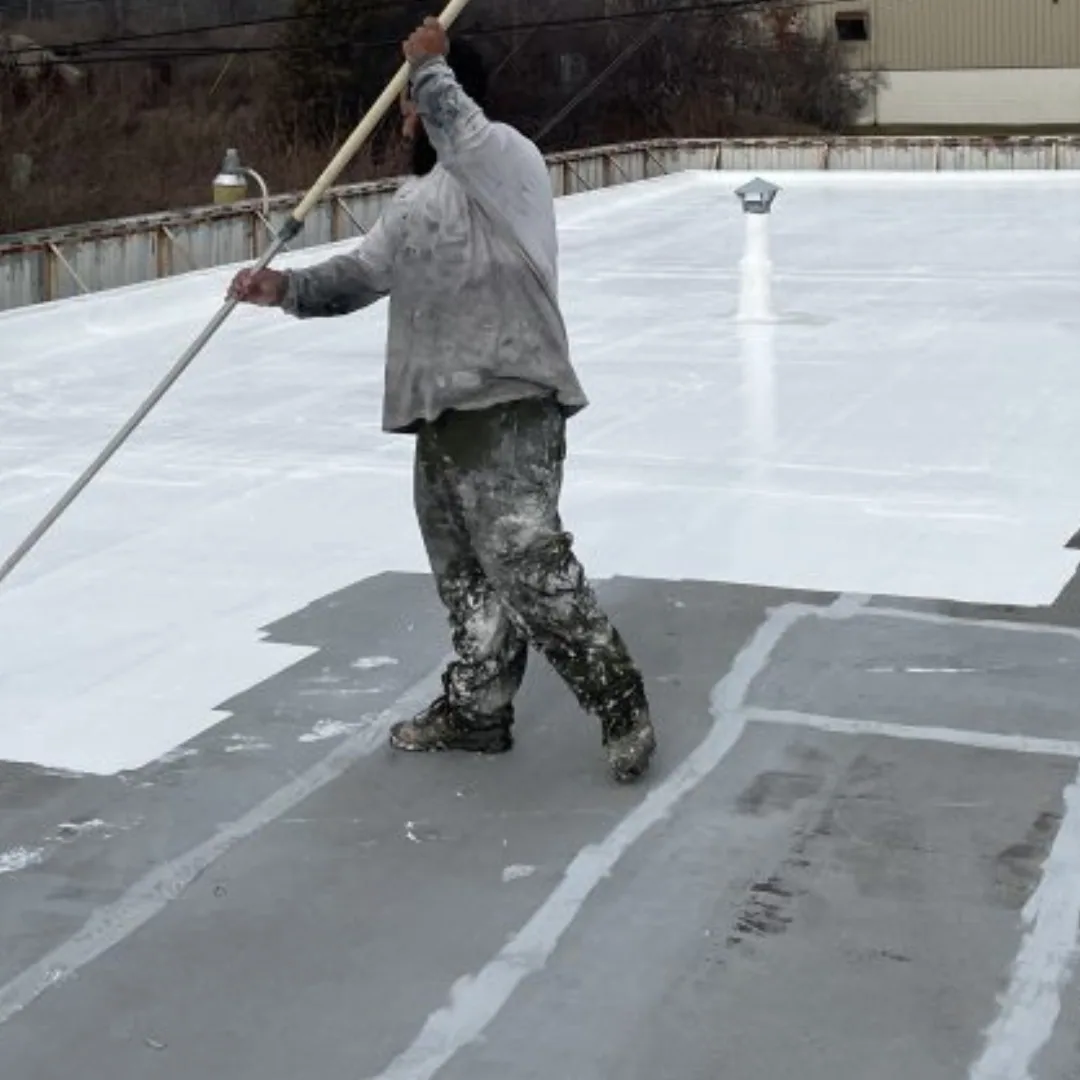
Coating is a poor fit when the surface is loose, the plies are detached, moisture remains below, or drainage defects have not been corrected. We first document attachment, surface preparation, and transitions. If those conditions do not support restoration, we price the repair or replacement work needed to reach a stable assembly.
How do you keep occupied Frisco buildings operating during the work?
We confirm delivery access, tenant hours, sensitive rooms, mechanical service, and the material route before opening a roof area. The sequence is divided into sections that can be closed safely within the forecast window. If a work step needs a temporary restriction, the owner receives that timing before mobilization.