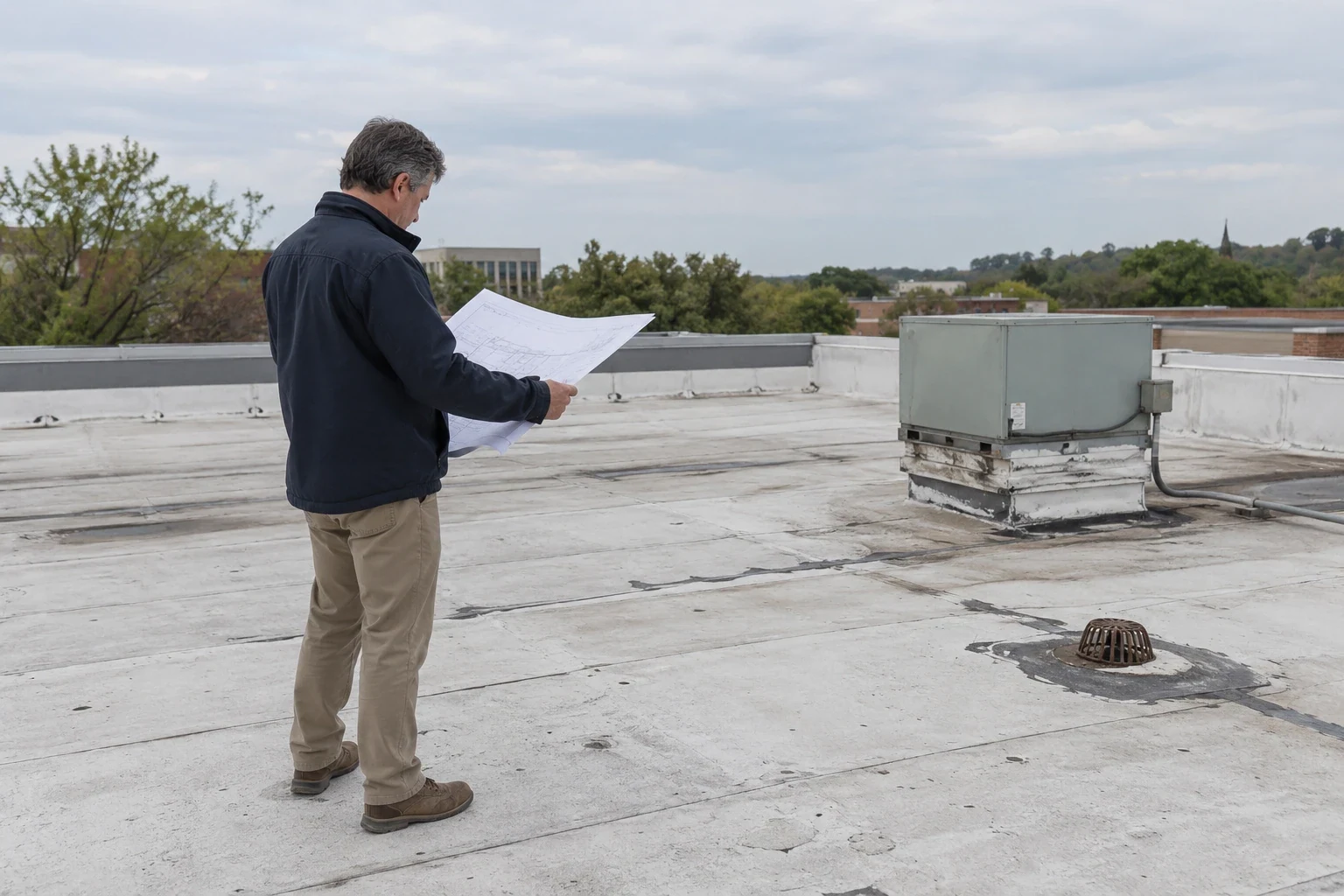
Water over a refrigerated aisle or food-preparation room can make a roof decision urgent before the source is clear. We protect the affected interior, map the reported area, and coordinate a roof check with store management before pricing permanent work. Frisco's Dallas Parkway Corridor and US 380 network frame regional movement, while the Rail District and North Platinum Corridor represent different commercial contexts. Those routes and districts do not identify a store's delivery gate, roof system, or equipment layout. We verify the actual assembly and operating rules. The first-hour plan records the water path, equipment handoff, and next approval so temporary protection does not become an unreviewed replacement scope.
Coordinate Roof Access With Store Operations
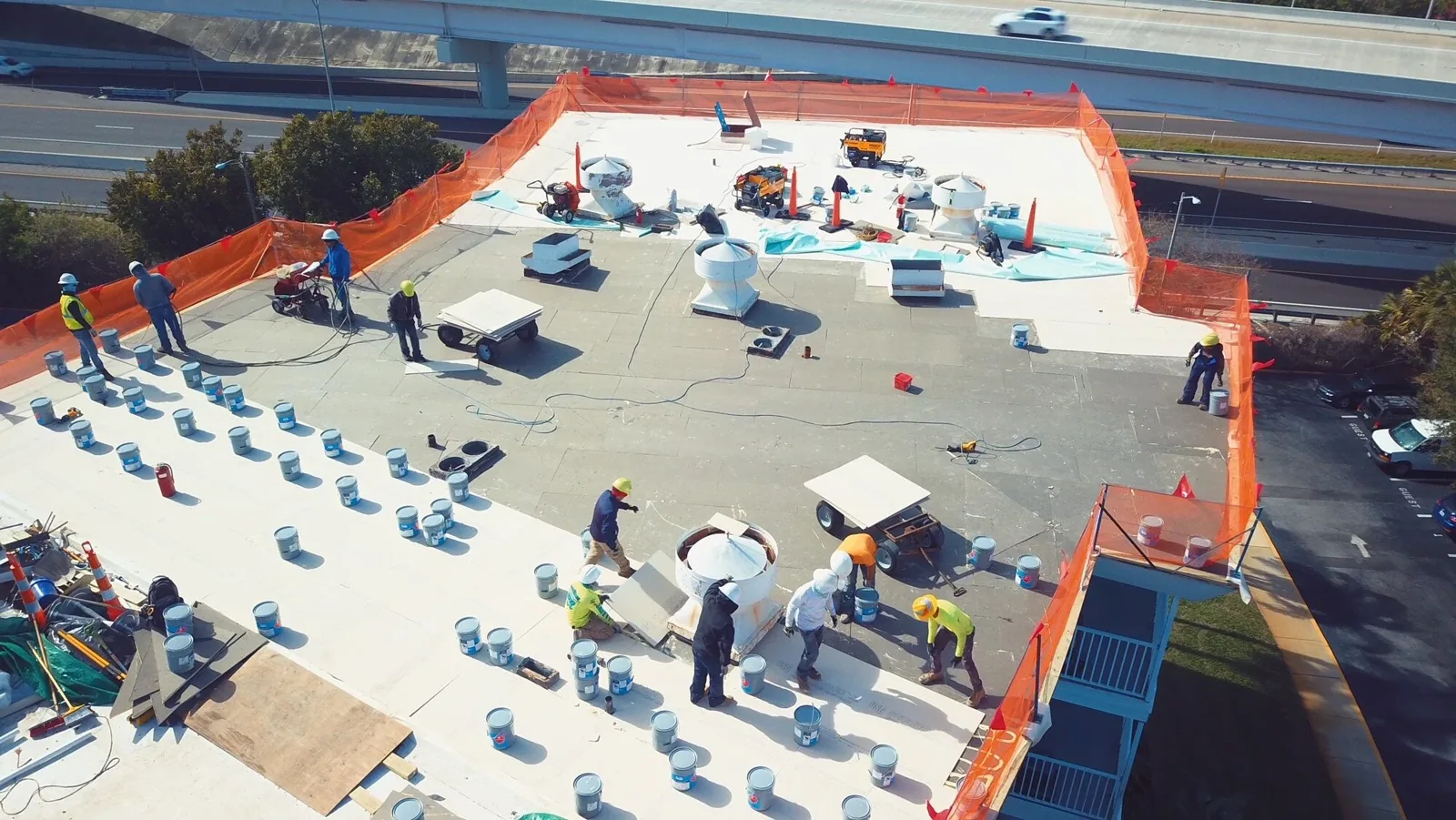
Grocery operations include receiving schedules, customer entrances, cold rooms, loading areas, and sometimes extended hours. Management identifies which paths must stay available, which rooms need interior protection, and who can approve temporary closures. We plan deliveries and debris handling around those limits. A phased occupied-building sequence names the roof section open each shift and the point it will be secured. Active water can be addressed through a separate leak response while the owner reviews the broader repair line.
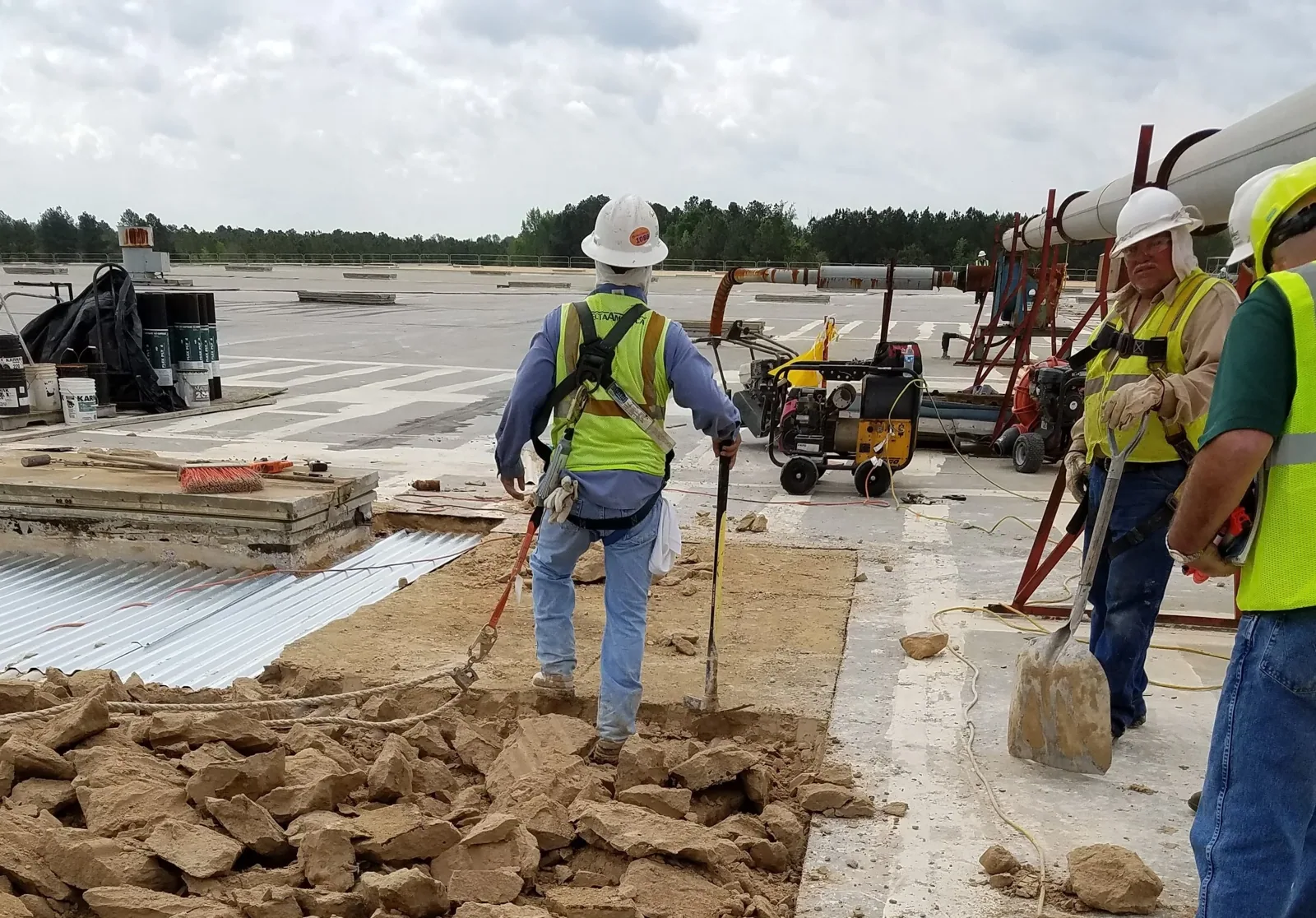
The facilities or refrigeration lead confirms the route to rooftop units and whether any system can be isolated. We mark curbs, piping, conduit, and service clearances before setting a repair boundary. A roofing proposal should not assume that equipment can be lifted or shut down during receiving hours. We list the trade responsible for disconnection, lifting, flashing coordination, and restart confirmation. This protects the roof scope from unpriced equipment work and gives management a schedule it can share with store operations. We confirm the staging point with the receiving lead before trucks or debris containers arrive.
Separate Drainage From a Membrane Leak
We begin with the room, time, and water conditions reported, then inspect the relevant roof field, seams, penetrations, curbs, and perimeter. A commercial roof inspection records what is visible and where the report requires more access. Grocery roofs may include multiple drain zones, refrigeration supports, vents, and additions. We map each detail rather than assign one condition to the whole building. If moisture or deck damage is concealed, testing or selective opening is listed for approval.
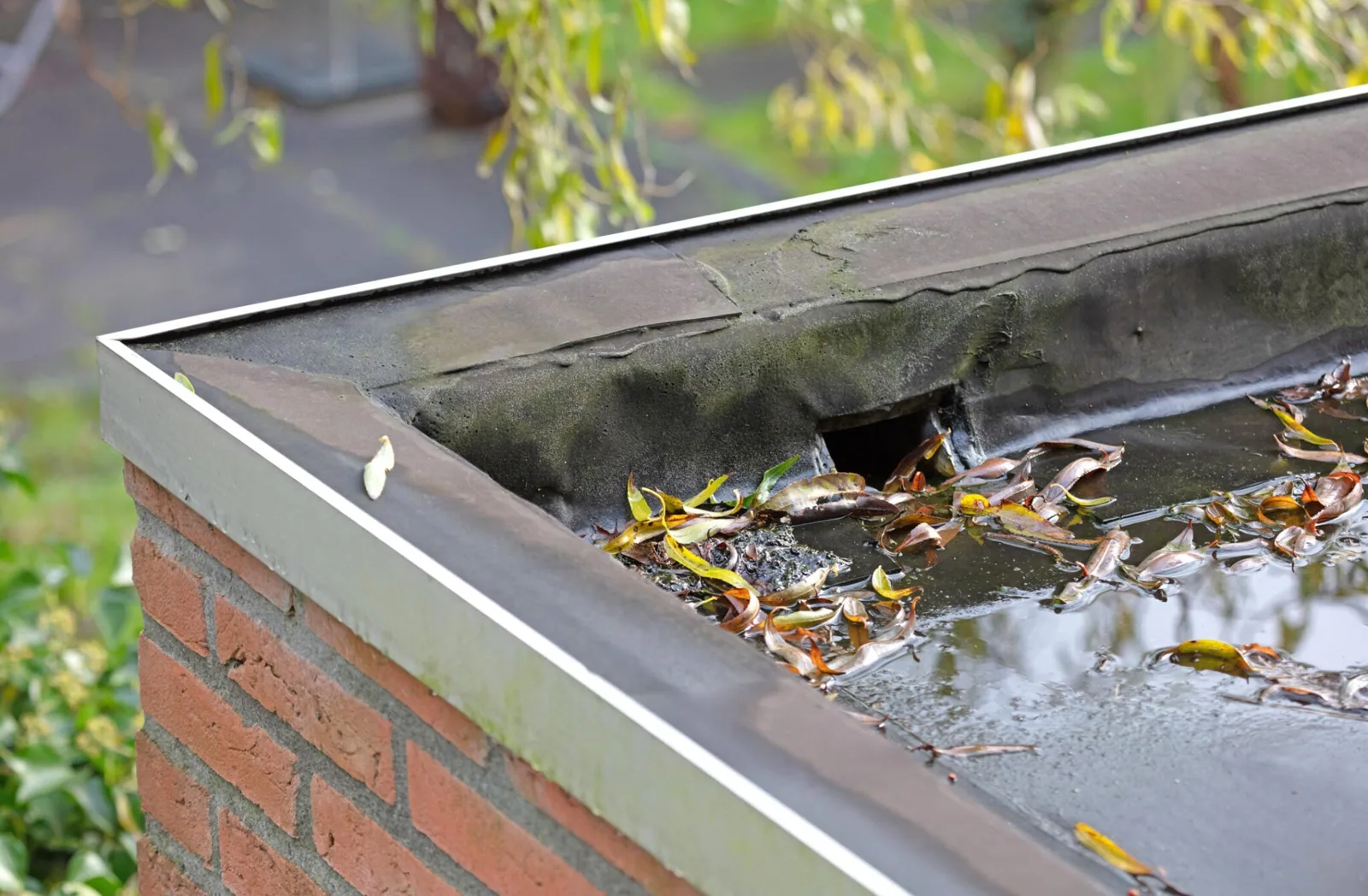
Drain backup and membrane failure can produce similar interior reports. We inspect drain bowls, scuppers, overflow paths, and nearby flashing, then identify whether the outlet or roof field needs attention. A drainage repair scope can stay separate from seam or curb work. Exhaust penetrations and lines may need coordination with mechanical service. The report notes the actual water path, the location of each finding, and any food-area protection that remains needed before the room returns to normal use.
Schedule for Heat and Storm Exposure
DFW summer normals top 95°F for afternoon highs in July and August, so a grocery roof repair plan should protect both the crew and temperature-sensitive work materials. Heat can affect the application window and roof-surface conditions, so we match the proposed material to manufacturer requirements and the work shift. Frisco's downtown plan identifies the Rail District and Original Town Commercial District, while North Platinum holds multi-property corporate and mixed-use development. These broad local contexts help frame access discussions, not assumptions about a grocery roof or store location.
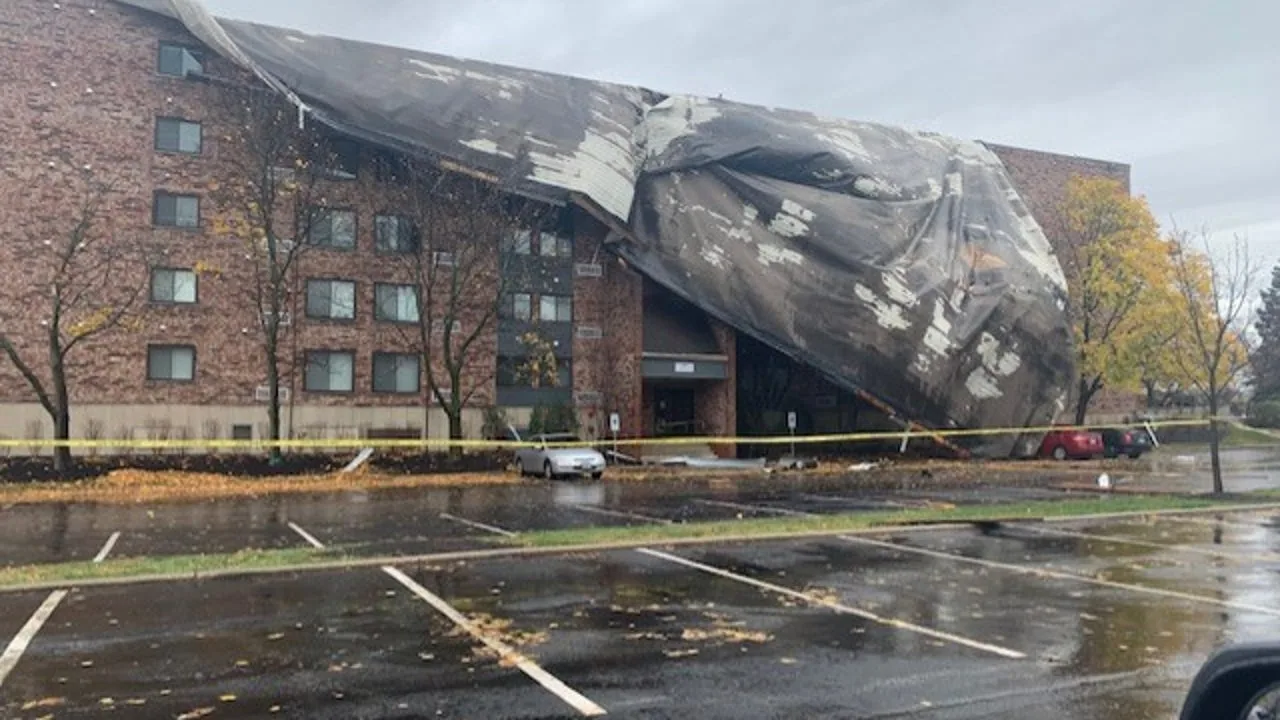
Spring is the season when DFW sees its wettest conditions and recurring severe weather, a reason to check drainage and protected inventory after a reported event. After a reported hail or wind event, we inspect the details that can be seen and document the conditions found. A warning or regional report is not proof of impact at this store. If damage is observed, a storm repair assessment separates temporary protection from permanent work and supports the owner's record. We confirm truck approach and receiving access directly with management rather than rely on a general corridor map.
Keep Food Protection and Roof Cost Visible
The estimate identifies the roof area, seam or flashing repairs, removal depth, staging, interior protection, and work hours. We state which areas remain outside the scope and what hidden conditions could change the price. If several sections show related wear, the owner can compare localized repairs with a replacement plan. A replacement scope sets out the proposed assembly and phases. Capital planning can carry that decision into a budget cycle without mixing it with the urgent leak response.
Frisco planning describes office and modern-industry areas and allows warehouse or showroom forms only when zoning and truck access support them. That plan category does not describe any particular food retailer. We verify the store's delivery limits, loading clearance, and rooftop equipment schedule. A shopping-center roof scope may account for shared tenant bays, while a large retail roof may focus on a different work sequence. Here, food inventory and refrigeration operation guide protection and access, while the roof evidence determines the repair choice.
Return the Roof and Interior Record
Closeout notes the repaired roof area, dated photos, material installed, open observations, and any trade handoff. We record which interior protection was removed and who accepted the room. Management can retain the report with roof plans, service records, warranties, and the next inspection date. A condition report preserves the location of each repair for future comparison; it does not substitute for refrigeration or food-safety checks assigned to other teams.
If water returns, we compare the new room and date with the original map, then inspect the likely path rather than extending a patch by habit. Drainage, penetration, or seam conditions may require different repair details. Emergency response is available at any hour when active water needs protection. The owner receives a prioritized action, an access window, and the approval point for additional work. That record helps the next shift understand what was secured and what decision remains open. It can also keep a later receiving-area report separate from the first repaired aisle and its closeout photos.
Commercial Roofing Questions
Can roofing work take place while a grocery store is open?
The schedule depends on approved access, noise, receiving activity, protection, weather, and the size of the roof section that can be secured each shift. Management identifies critical aisles and rooms. We list the daily boundary and any closure or after-hours window before mobilizing, then document changes if store operations shift.
How do you protect refrigerated areas during a roof leak?
We coordinate the reported room and its operating limits with store management, then inspect the related roof details. Temporary interior protection and roof protection are scoped promptly. Refrigeration or food-safety decisions remain with the responsible store team, while we document the roof repair boundary and any equipment handoff.
Could a blocked drain look like a roof leak?
A backed-up outlet can send water toward seams or penetrations and may resemble a membrane defect indoors. We inspect the drain, overflow, flashing, and nearby roof field. The report states what is confirmed and whether further testing or access is needed before permanent repair is priced.
What equipment needs coordination on a grocery roof?
Refrigeration condensers, exhaust units, supports, conduit, and piping can interrupt the roof field. We mark their locations and service clearances. Facilities and mechanical contacts determine shutdown and lifting duties, then the scope assigns flashing and restart checks so roof work does not leave an unclear equipment responsibility.
What should be documented after a grocery roof repair?
Keep the roof map, dated photos, work scope, approved changes, materials installed, and follow-up date with property records. We identify any room protection or equipment confirmation still open. Store management can use that record if a later report comes from another aisle or receiving area.