A leak above one storefront can interrupt a tenant long before the owner knows which roof section needs work. We protect the affected area, map the reported water path, and coordinate access with the property contact before pricing a larger repair. Downtown commercial areas are undergoing redevelopment, while larger corporate projects are farther north. A shopping-center survey still starts with the center’s actual tenant map, access rules, and roof records. Those areas do not identify a center's tenant layout or roof construction. We verify the building, lease access rules, drains, and roof records first. The first-hour plan separates temporary protection from the permanent repair decision and gives the owner an approval date.
Keep Storefront Access in the Work Plan
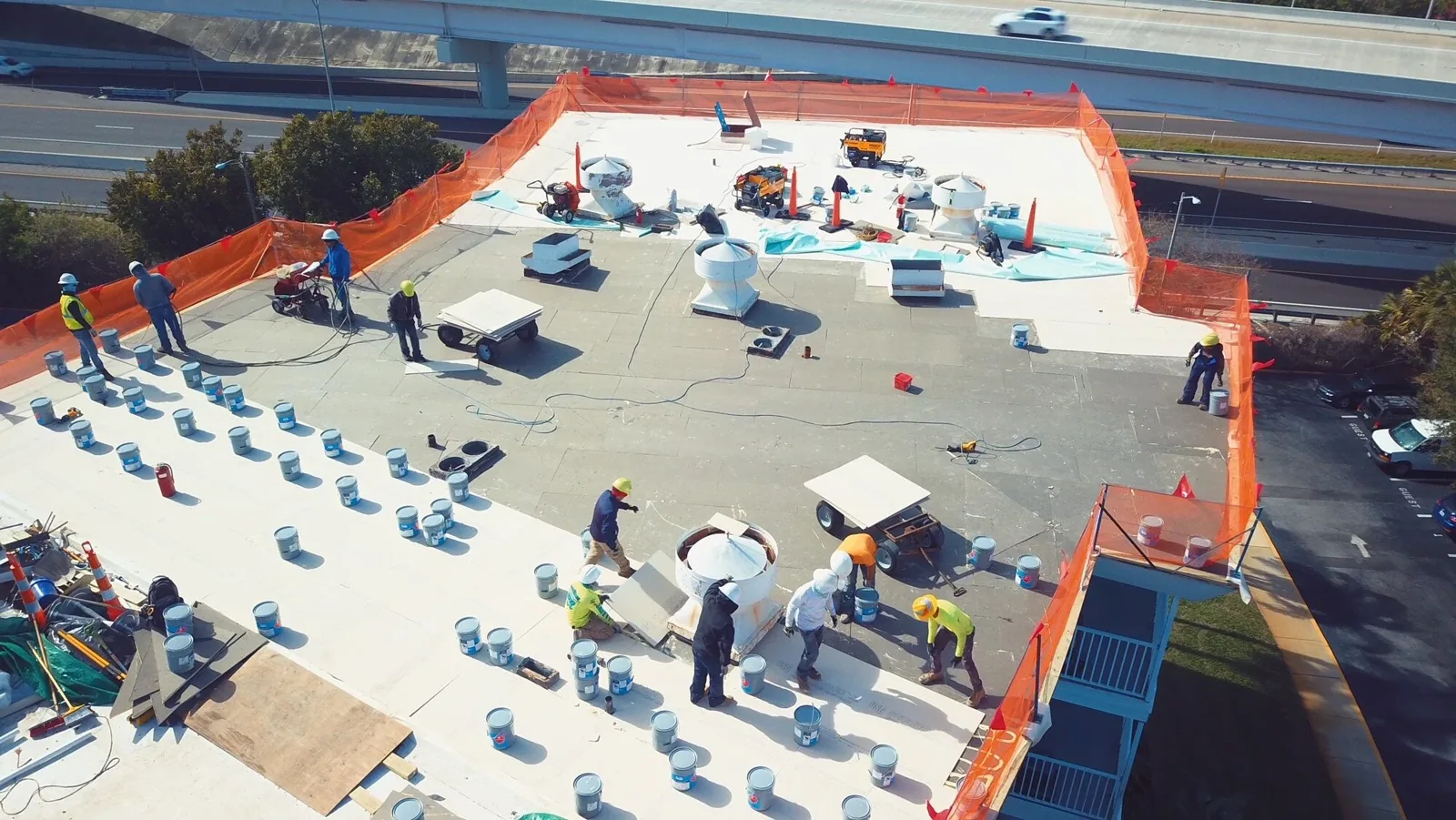
Retail work crosses customer entrances, delivery doors, patio areas, shared sidewalks, and tenant operating hours. The property manager identifies which routes must remain open and who can authorize a temporary closure. We use that information to plan hoisting, debris handling, and daily roof boundaries. A phased occupied-building sequence can keep each work zone and tenant notice tied to a date. When active water needs attention, a temporary repair scope can protect inventory and interior finishes while the owner reviews permanent work.
We do not assume a leak reported by one tenant comes from the roof area directly overhead. Water may travel across insulation, deck joints, or framing. We record the room and timing, then inspect seams, penetrations, drains, and transitions in the likely path. The report names what was accessible and what still needs approval. If signage, awnings, or rooftop equipment affect access, those conditions are listed before the crew is scheduled rather than discovered after a lift arrives.
Check the Roof Field and Shared Drainage
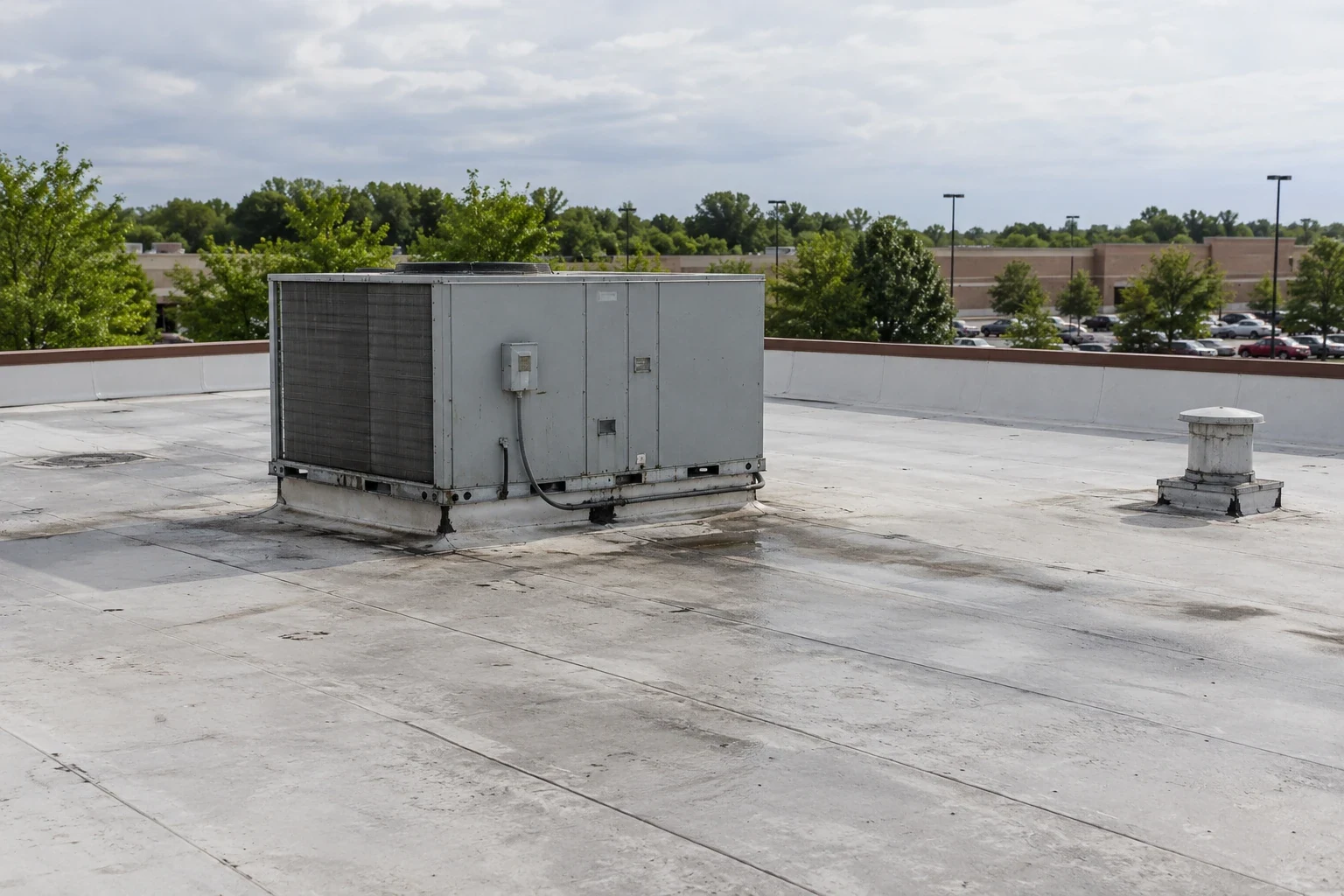
Large retail roofs often connect multiple storefronts beneath one drainage area. We inspect drain bowls, scuppers, overflow routes, edge metal, and the membrane around penetrations, then map each observation by roof section. A commercial roof inspection gives the owner photos and a condition map instead of a general statement about the whole center. If ponding or water backup appears, a drain review separates an outlet issue from a membrane or flashing repair.
Tenant fit-outs can add exhaust, conduit, signs, and new roof penetrations. We compare the current condition with available roof records and mark details that may need separate trade work. A grease exhaust serving a restaurant space calls for a different penetration check than a general shopfront, while a grocery roof plan may need additional coordination around cold equipment. We identify the roof repair and any mechanical scope separately, then list who can approve access for each trade.
Set a Frisco Inspection and Work Window
In the 30-year DFW climate record, August has a mean high of 95.8°F and July 95.6°F. Retail reroofing should account for measured surface conditions and the application range of the specified system. Hot roof surfaces can affect material handling and application conditions, so we size the open section to the approved shift and product requirements. The Rail District and Original Town are downtown commercial districts; North Platinum has larger corporate and mixed-use projects. These are broad commercial contexts, not proof of a specific roof's age, membrane, or tenant mix.
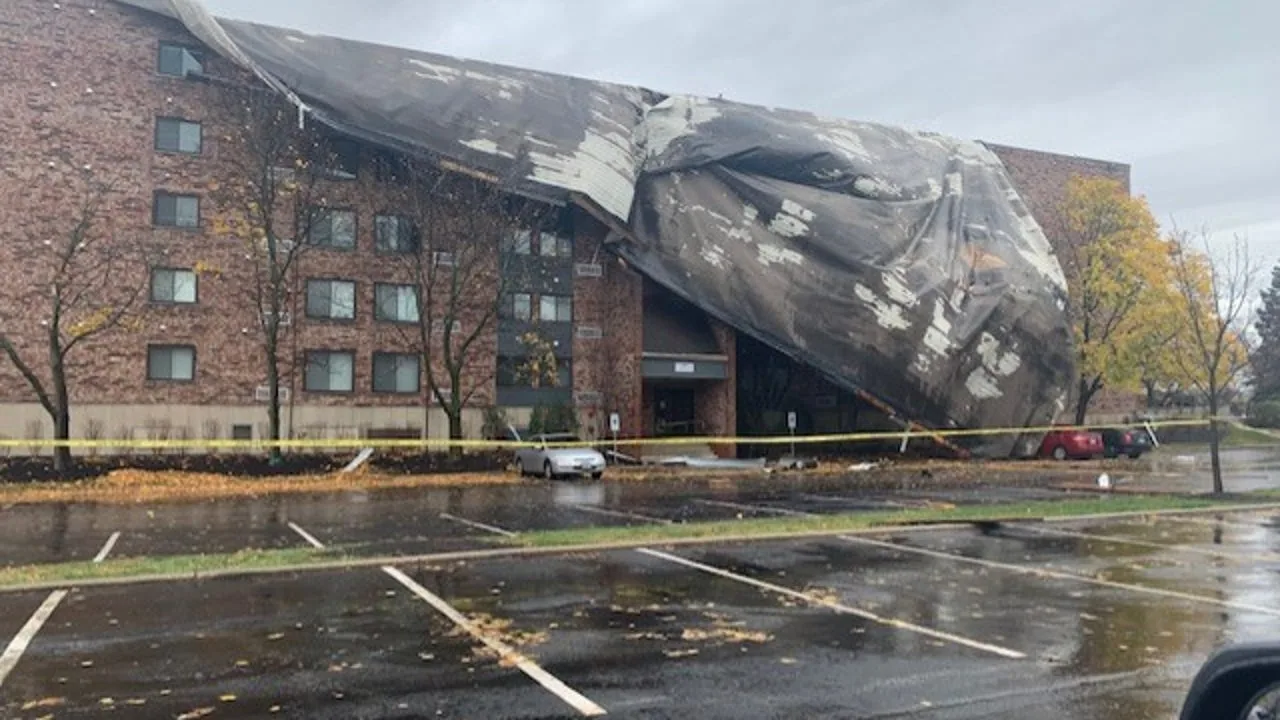
Across the Metroplex, spring rainfall overlaps with hail and damaging-wind risk, making a documented inspection more useful than inferring impact from the forecast alone. A storm report may be the reason to inspect a shopping center, but only the observed roof condition supports a repair scope. We photograph seams, perimeters, drains, and penetrations and keep the event record separate from the roof findings. A storm repair assessment can document the affected area, temporary protection, and next decision. We confirm truck approach and staging with management; Frisco's Dallas Parkway and US 380 routes do not establish the access route for a particular property.
Price the Repair by Roof Section
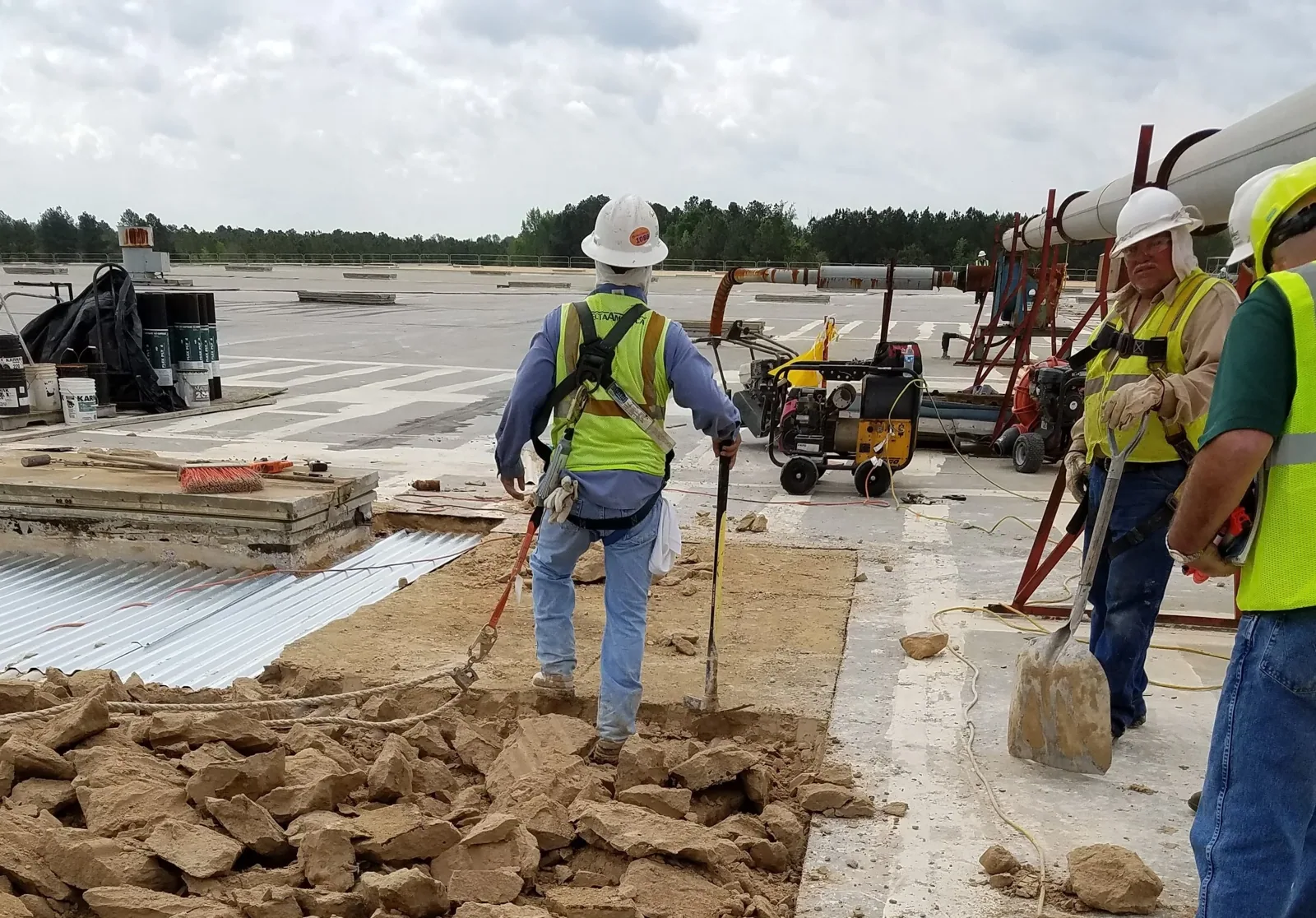
The estimate identifies the affected area, flashing details, material, disposal, access requirements, and interior protection. We distinguish known repairs from concealed conditions that require owner approval after removal. If damage crosses several sections, the owner can compare targeted repair with a recover or replacement proposal. A coating restoration option is considered only after moisture, adhesion, substrate, drainage, and detail suitability are checked. The scope should explain what the system can address and which existing conditions remain outside it.
Frisco's office, modern-industry, and mixed-use properties have distinct operating settings. A retail center may combine shops, dining, medical suites, and service tenants, each with separate access and hours. We confirm which party owns the roof, who approves work affecting leased space, and what notice is required. A capital schedule can separate the active repair line from future replacement funding, while a Dallas Parkway corridor plan provides only a geographic service-area reference. The roof scope still follows the center's actual records and permissions.
Give Management a Record for Each Tenant
Closeout identifies the roof sections completed, dated photos, materials, repairs, and open conditions. We note which tenant area was protected and who accepted the interior after the work. The property manager can retain the report with roof plans, prior repairs, and warranty documents. If another trade handled an exhaust fan or sign support, the handoff names that boundary and any acceptance still due.
If a tenant reports water again, we compare the new location and time with the first repair record, then inspect the roof path again. A drain, seam, penetration, or edge condition may need a separate action. We do not extend an old patch without tying the next repair to a current finding. The owner receives a prioritized list with the next spend, access window, and budget date. Emergency response remains available around the clock for active leaks, with temporary protection scoped before permanent work is approved. The repair record can also help management answer a tenant without promising that another roof section was checked.
Commercial Roofing Questions
Can roof work continue while shopping-center tenants are open?
It can when access, noise, protection, weather, and the work boundary can be controlled for the approved shift. Management identifies entrances and tenant restrictions; we sequence deliveries and roof openings around them. If one area cannot remain safely accessible, the schedule states a temporary closure or alternate work window before mobilization.
Does a storefront stain identify the roof repair location?
It identifies where water appeared, not always where it entered. We document the interior report and trace likely paths across the roof field, drains, penetrations, and transitions. The inspection states the confirmed defect or the access and testing needed to locate it before permanent repair is priced.
How are exhaust and sign penetrations included in a center roof scope?
We record each penetration and nearby flashing, then identify whether the roof work needs a mechanical, sign, or electrical trade. The proposal assigns disconnect, lifting, support changes, flashing, and restart or acceptance duties. That boundary keeps tenant equipment and roof membrane work from being blended into one unclear allowance.
What affects the schedule for a shopping-center reroof?
Retail scheduling accounts for tenant notice, delivery traffic, lift location, drainage, weather, and the section the property can release for roofing that day. We name the closure boundary and approving contact. If removal exposes concealed damage, we protect the opening and request authorization before extending the scope.
Which records should the property manager keep?
Retain dated inspection photos, the roof map, approved scope and changes, materials installed, tenant protection notes, and the next maintenance date. We identify the roof sections completed and any unresolved trade item. That record makes the next tenant report easier to compare with prior work.