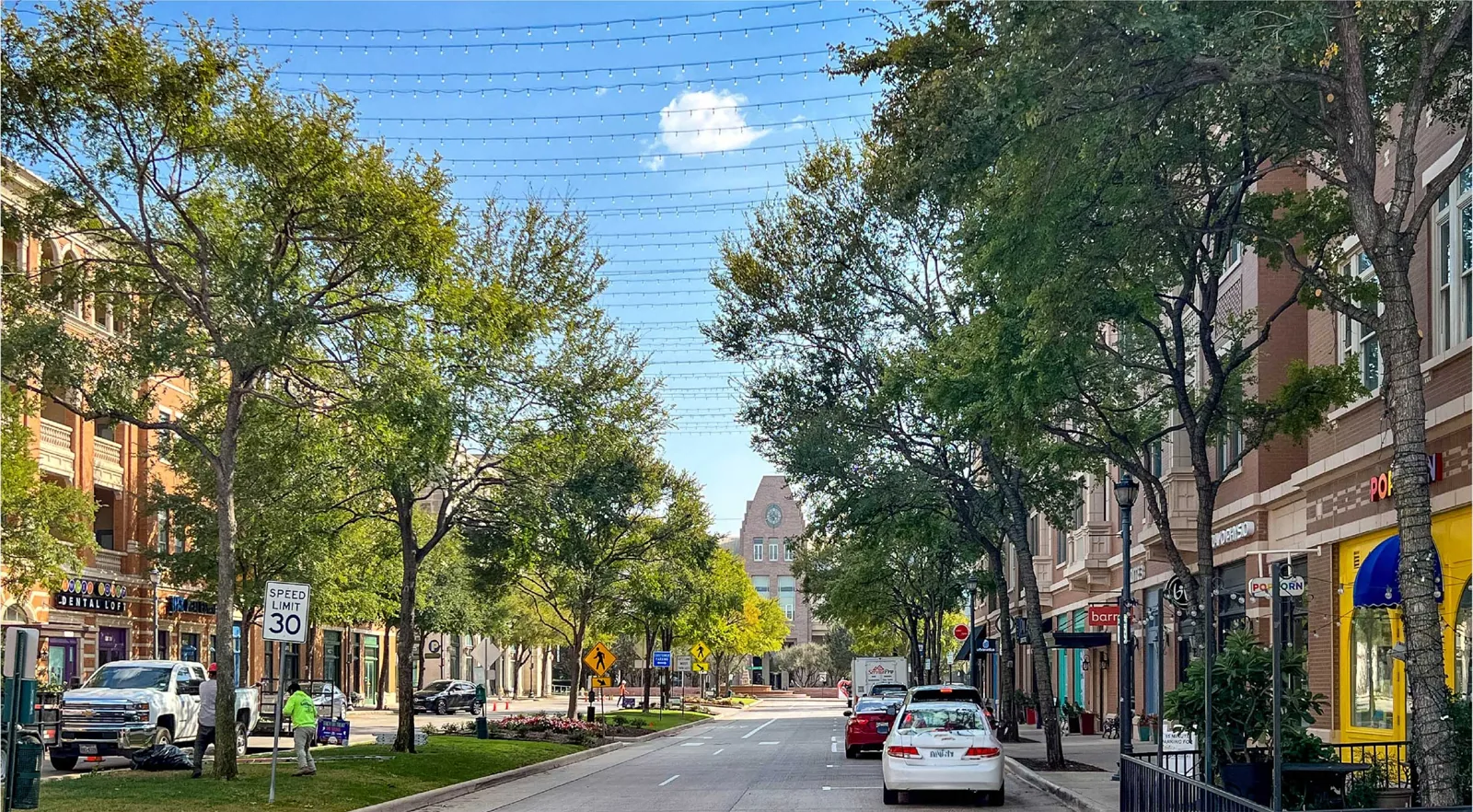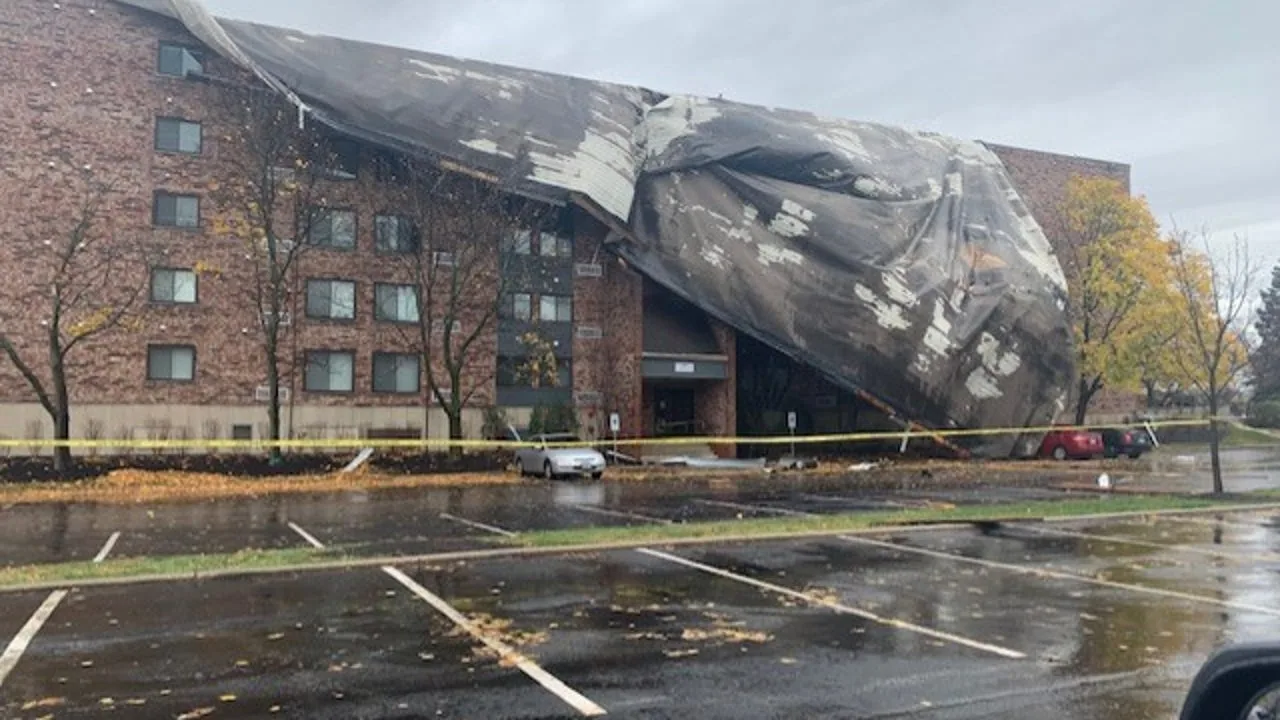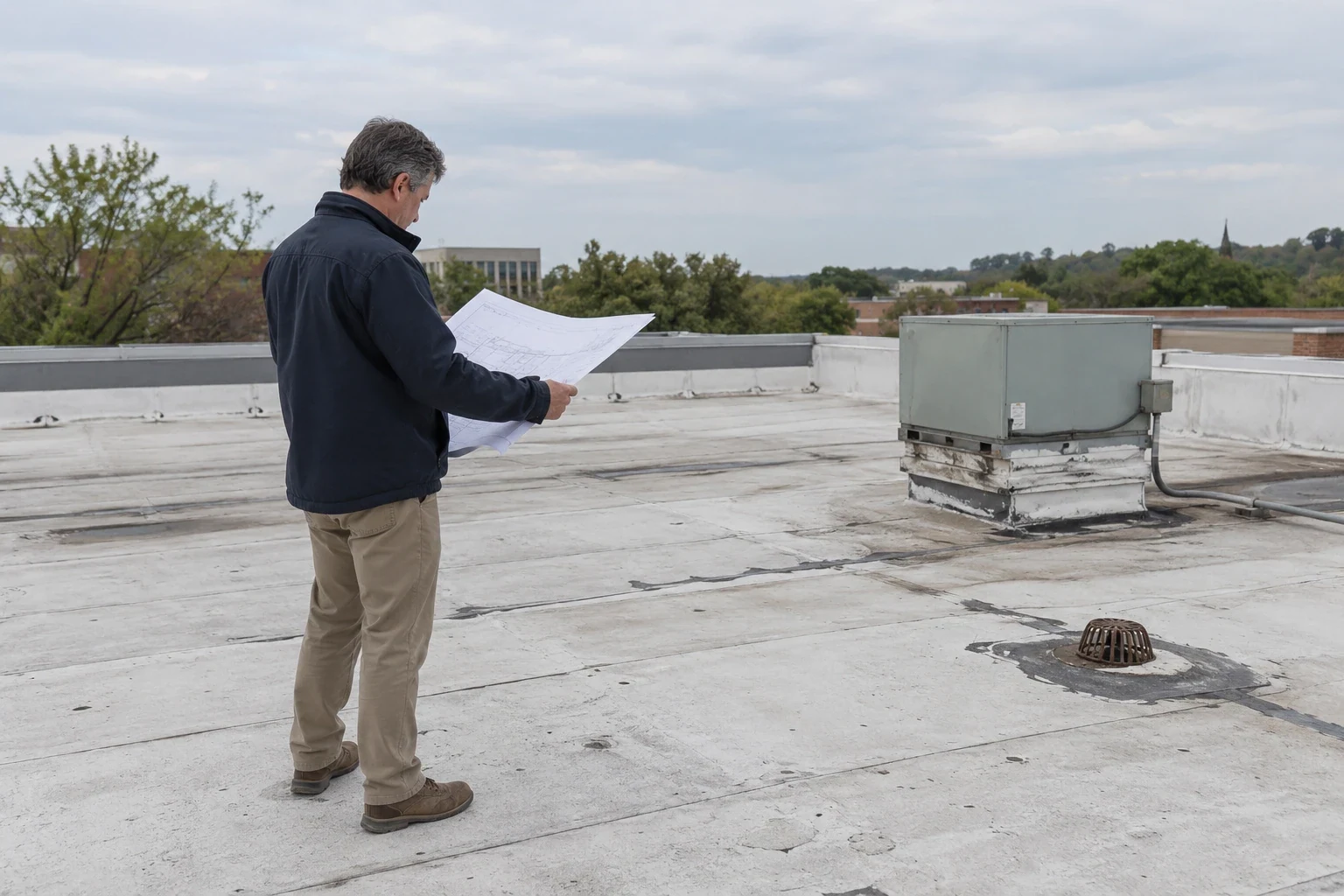
A classroom water report first requires the facilities lead to decide whether the room can remain in use and who can authorize roof access. We protect the affected interior, locate the water path, and identify the roof section that can be examined. Frisco's employment areas and older commercial districts have different access patterns; neither determines a school's roof assembly. District staff provide the building record, access rules, student routes, and the after-hours contact before staging begins. The Rail District's commercial access context differs from school operations; district staff set the room boundary, roof opening, and decision-maker before pricing a broader phase. The school calendar sets the access window, while the roof condition sets the repair boundary.
Protect the Room and Keep the Hallway Clear
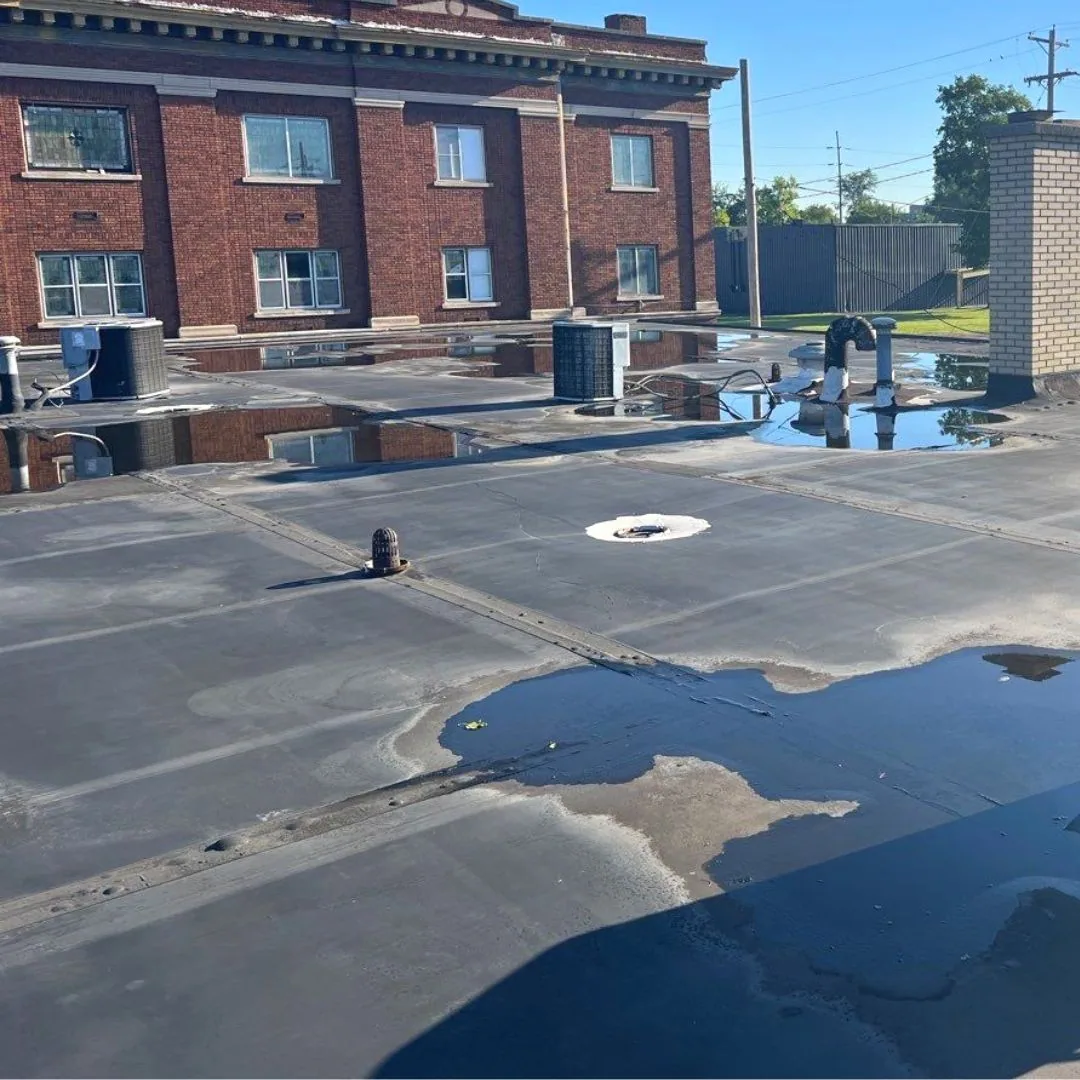
The first call establishes whether water is active, what classroom or office sits below it, and who can authorize entry. We protect desks, technology, records, and the floor area while tracing the leak to a roof seam, curb, drain, or wall transition. Water can travel across framing or insulation before it appears in a ceiling, so we map the path instead of treating the stain as a repair location. Our after-hours roof response can set temporary protection before a school day resumes.
Facilities staff identify areas that must remain open, arrival or dismissal times, and any work that needs a limited access window. We keep ladders, lift movement, materials, and debris inside the approved route. If a roof opening cannot be dried in before students return, the daily boundary identifies the room or route that remains restricted. The leak repair scope then shows the permanent work and the approval contact without expanding the affected area by assumption.
Use the Break without Guessing at the Roof
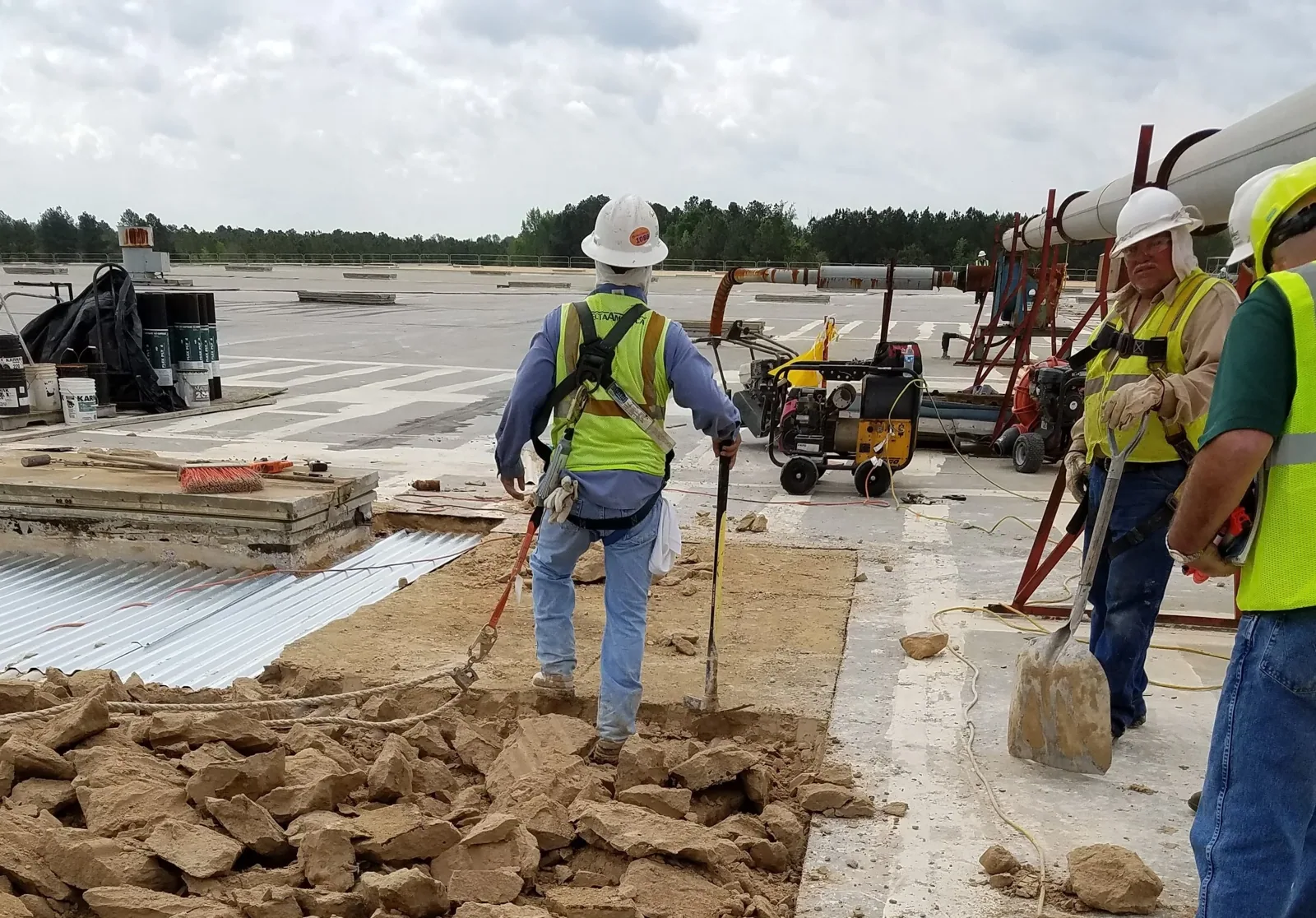
The summer break can create a longer access window, but a district should set the work sequence from roof condition and the school calendar together. DFW normals record average highs of 95.6°F for July and 95.8°F for August. Those values matter when planning exposed installation; the site supervisor still checks the conditions on the workday and defines when each opening must be closed. If removal finds wet insulation or deck deterioration, the crew photographs and measures the area, secures it, and requests approval before adding scope. The facilities contact can also identify testing days, after-hours alarm rules, and summer access cutoffs. Those calendar constraints belong in the mobilization note rather than as assumptions inside the roof scope. Facilities can compare the proposed work area with upcoming room use before approving staging.
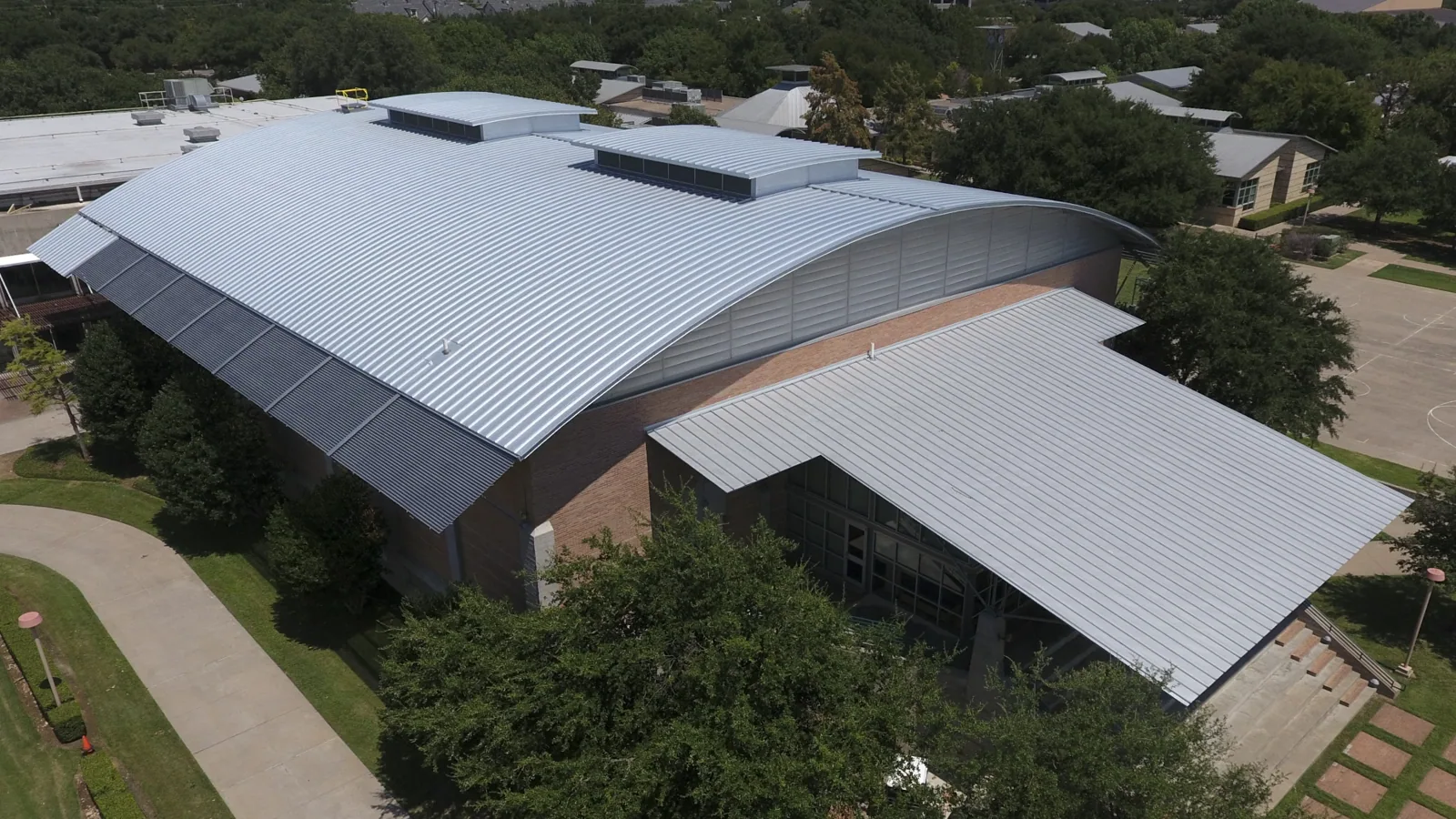
For a phased project, the facilities lead can identify which rooms need to stay available and which roof zones can be completed in each shift. A replacement comparison should separate removal, insulation, attachment, edge metal, flashing, disposal, and concealed-condition allowances. Restoration is a different option only when tests and preparation support it. The district receives the evidence needed to compare those choices at the next budget meeting.
Tie a Weather Report to a Roof Section
Spring is DFW's wettest and most active severe-weather stretch; hail or damaging wind occurs somewhere in the Metroplex in most years. A district may use storm dates to prioritize inspections, but that regional pattern does not show that each campus or building was struck. We inspect the reported roof area and document displaced metal, seam openings, punctures, wet insulation, or interior water paths. The findings determine whether the work is protection, repair, further testing, or an unrelated maintenance item.
Dallas Parkway and US 380 are important Frisco corridors; the property contact and district schedule set school access rules. We confirm which entrance may receive materials and whether a lift can stay clear of buses, food deliveries, and emergency routes. A storm follow-up visit provides dated photographs and scope. The district can retain that record with facility notes without describing a regional event as damage at a school.
Separate Current Repair from the Bond or Budget Line
Facilities teams need a map that distinguishes an active leak from a roof being monitored or considered for replacement. We label the roof area, condition, repair date, access restriction, and unresolved test for each building. That lets a budget committee compare the scope with its decision calendar instead of combining unlike roofs into one allowance. The capital schedule can show the immediate repair, estimated next review, and replacement option separately. A photo-backed condition file keeps the observations available for the next fiscal or bond discussion.
For facilities in the North Platinum area, staging and occupied-use questions may differ from downtown properties near the Rail District. We verify each entrance and roof assembly rather than applying one standard assumption. A property-access record can carry the site contact and tenant notification without replacing the district's own work approvals. Every line has a roof boundary and a next decision date.
Give the Next Facilities Lead a Clear Closeout
At the end of a repair or reroof phase, we return photographs, material notes, completed locations, remaining observations, and maintenance instructions. The file identifies the temporary dry-in point and any area that needs a later test. District staff can match that information with room lists and access records while keeping student or employee information out of the roofing scope. If a later leak appears, the roof map lets the next inspection start near the prior repair rather than reopening every section without reason.
A downtown building and a business-park property can require different access plans, while the school roof itself sets the technical decision. We keep work recommendations tied to visible condition and stated access windows. A capital owner review can use the same repair map for portfolio budgeting. A construction coordination file can also record roof penetrations made by other trades and the date they need follow-up.
Commercial Roofing Questions
When should a district schedule a school roof repair?
We review the active leak, weather window, school calendar, roof section, and access route before proposing dates. A summer break may provide room for noisy or disruptive work, but a localized repair could be safer sooner if water is entering. The scope identifies which rooms and routes stay restricted for each phase.
Can a repair be completed after students leave for the day?
A short window can work when roof access, equipment, staging, and dry-in can be completed before the building opens again. We confirm the ceiling area below and the access contact before setting the shift. If a secure closeout is not possible, the plan identifies a temporary-protection boundary and the alternate work period.
How do you protect classrooms during a roof leak?
We coordinate room entry with facilities, cover the affected interior area, move contents when directed, and trace the water path from above. The daily plan names the route, work zone, and update contact. We keep the roof opening small enough to secure within the approved period and report concealed conditions before adding work.
Does a spring storm require a district-wide inspection?
A report may justify a targeted review, especially where a school reported new water or visible impact. DFW regional weather does not prove that every school was affected. We can document the locations identified by the district and note which roof sections were not included in that visit.
What records should remain after a district reroof?
Keep the roof plan, dated photographs, material and repair notes, closeout details, open conditions, and the next maintenance date together. We identify where each repair occurred and which areas remain outside the scope. That gives facilities staff a useful starting point when a future room report or capital review comes.