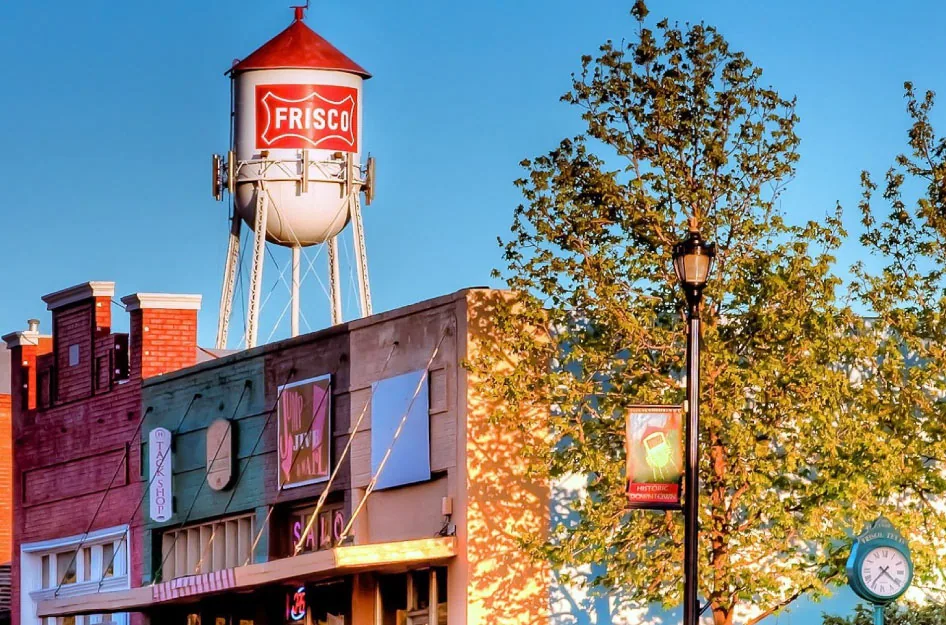
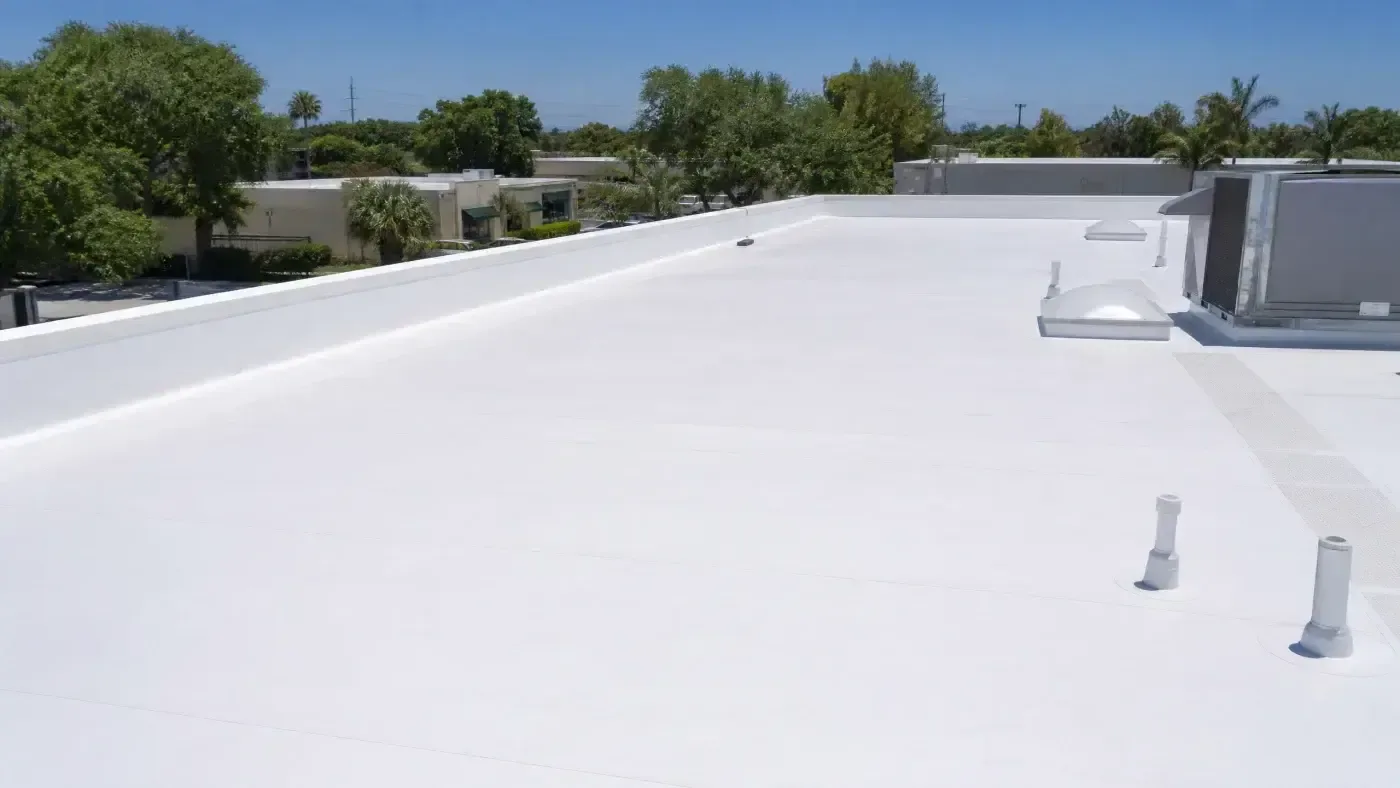
A drain problem can turn a narrow downtown access window into an immediate roof decision. We locate the affected section, check the water path, and note which entrances or businesses need to remain clear. Frisco identifies the Rail District as its historic downtown and offers reinvestment support for owners and businesses improving the district's built environment. That district context does not reveal the age or assembly of an individual roof. We inspect the visible surface and transitions, then set a repair boundary based on the condition found. A roof review in Original Town Commercial still follows the specific building and access conditions.
Frisco's historic downtown program emphasizes walkability, connections, redevelopment, and design standards. For roof work, that makes access, pedestrian protection, and staging part of the early conversation. We confirm the property contact, roof access point, business hours, and route for debris or materials before setting a crew window. The first report identifies what is visible, what needs testing, and what can be repaired without widening the scope. If water is active, we arrange protection first and keep the permanent decision tied to photographs and a dated condition map.
Check the Existing Roof Detail
A downtown roof may include additions, different elevations, parapets, skylights, or transitions built at separate times. We do not assume those details from the district designation. The inspection records the membrane or metal that is visible, seam condition, flashing, curb details, edge metal, penetrations, and prior patches. Inside, we mark the reported stain or drip and compare it with the roof area above. Water may travel before it shows, so the report separates the symptom from the suspected entry point.
Frisco's Rail District plan includes Main Street and Fourth Street within ongoing downtown implementation. A nearby storefront or office may have a different access route and tenant schedule from a property one block away. We identify the roof section and the space below it before choosing a repair method. Where a transition remains concealed, we recommend a test opening and identify its approval point. A commercial roof inspection gives the owner photographs and a record of what could be reached safely.
Follow Water to the Drainage Route
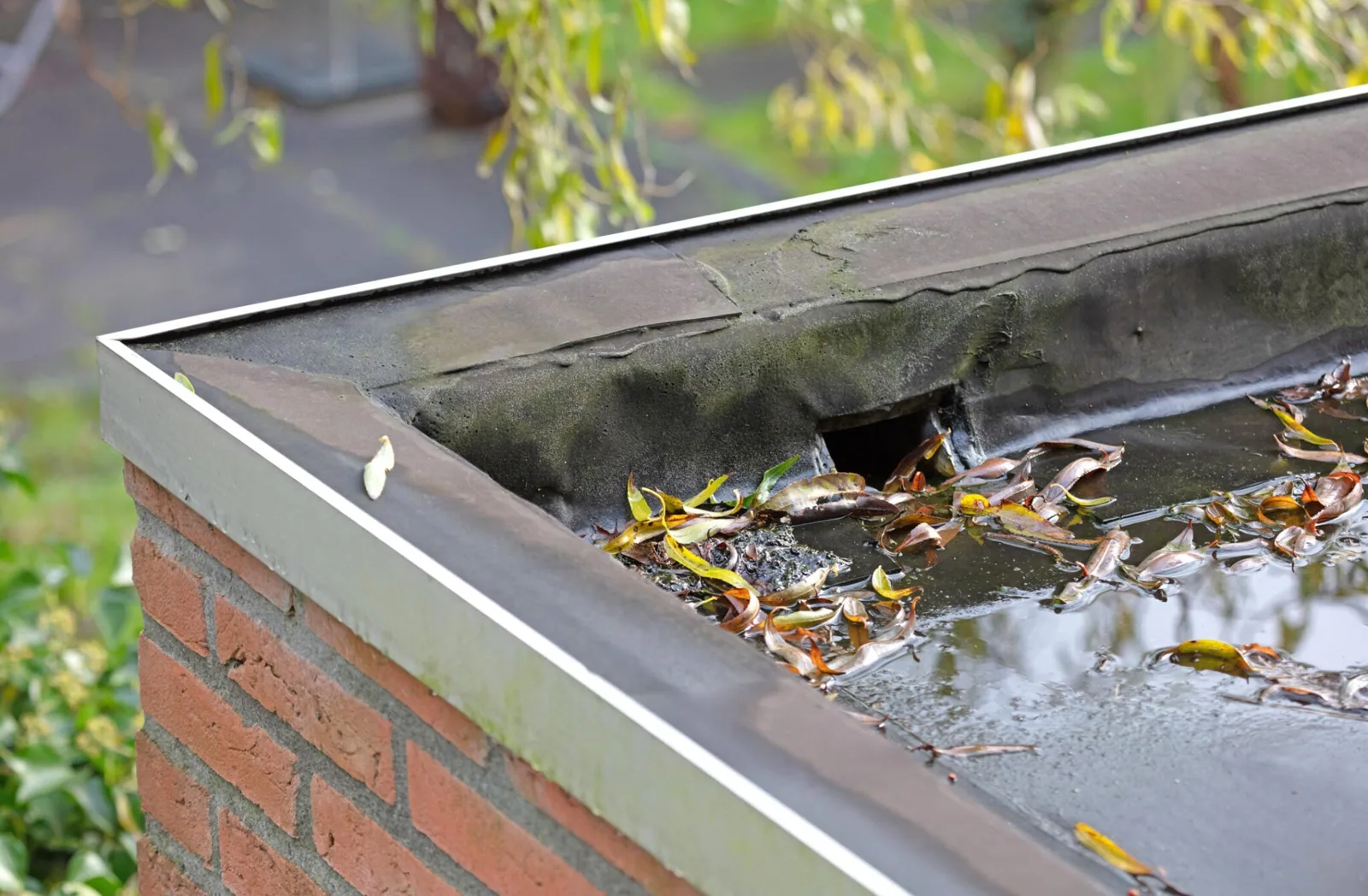
Frisco's summer heat and spring storm exposure make roof transitions worth checking, but regional weather does not establish a defect. We look at the actual drainage route, including low areas, drains, scuppers, overflow points, and the path toward parapet walls. A blocked bowl can leave standing water near a seam, while a damaged flashing termination can allow entry even when the roof field appears intact. We photograph each condition and show whether the repair can remain within one roof section.
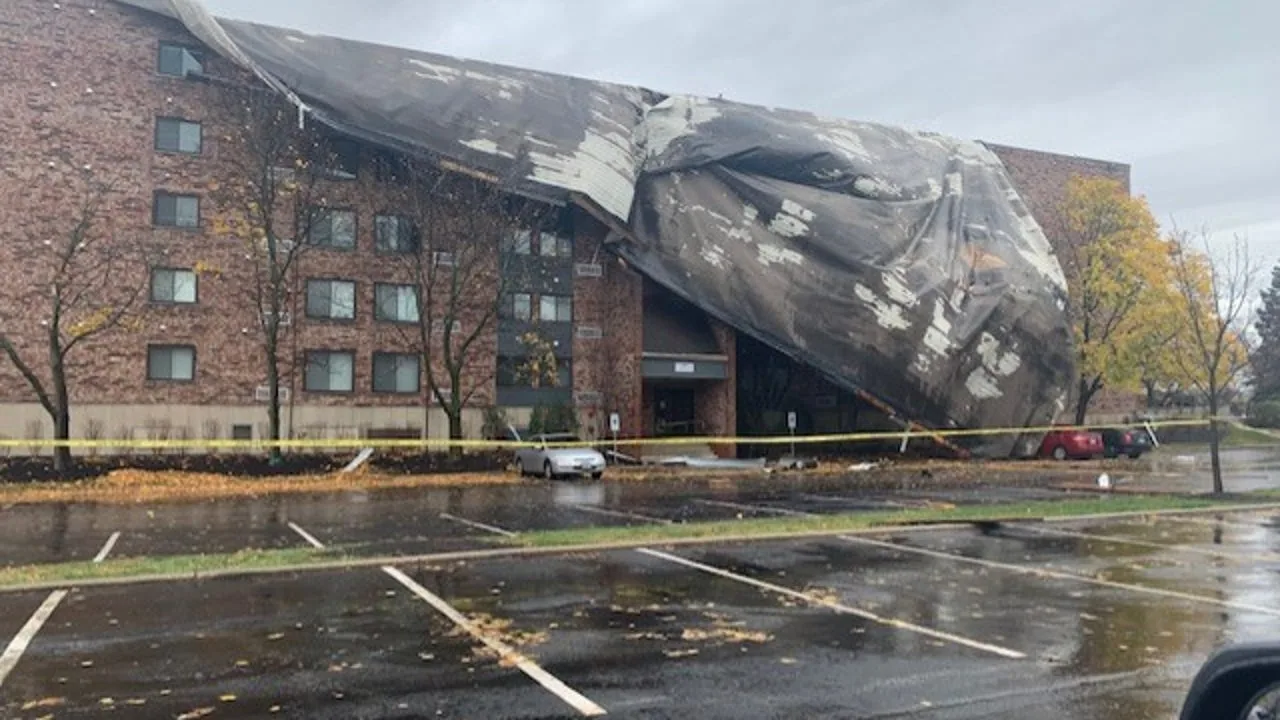
DFW summer normals place July and August average daily highs above 95 degrees. Spring is the peak severe-weather season, when hail or damaging winds may affect locations somewhere in the Metroplex. A regional pattern can guide timing for a post-warning roof review; property observations still determine whether storm damage belongs in the scope. A drain and scupper review can address the water route as its own line item. If the roof shows fresh impact, a hail-condition assessment records the area examined and the next test needed.
For a leak that cannot wait, our around-the-clock emergency response can protect the interior while the owner reviews the permanent scope.
Keep Business Access in the Work Plan
Roofing materials, lifts, and debris routes can affect sidewalks, service doors, customer access, and adjacent tenants. We confirm where a vehicle can stage, which entry remains open, and who may approve a temporary closure. The downtown plan's walkability focus is district-scale context; the field plan identifies the actual pedestrian and delivery routes for the property. When shared access is tight, we set a smaller daily work area and state where the crew stops before leaving the roof.
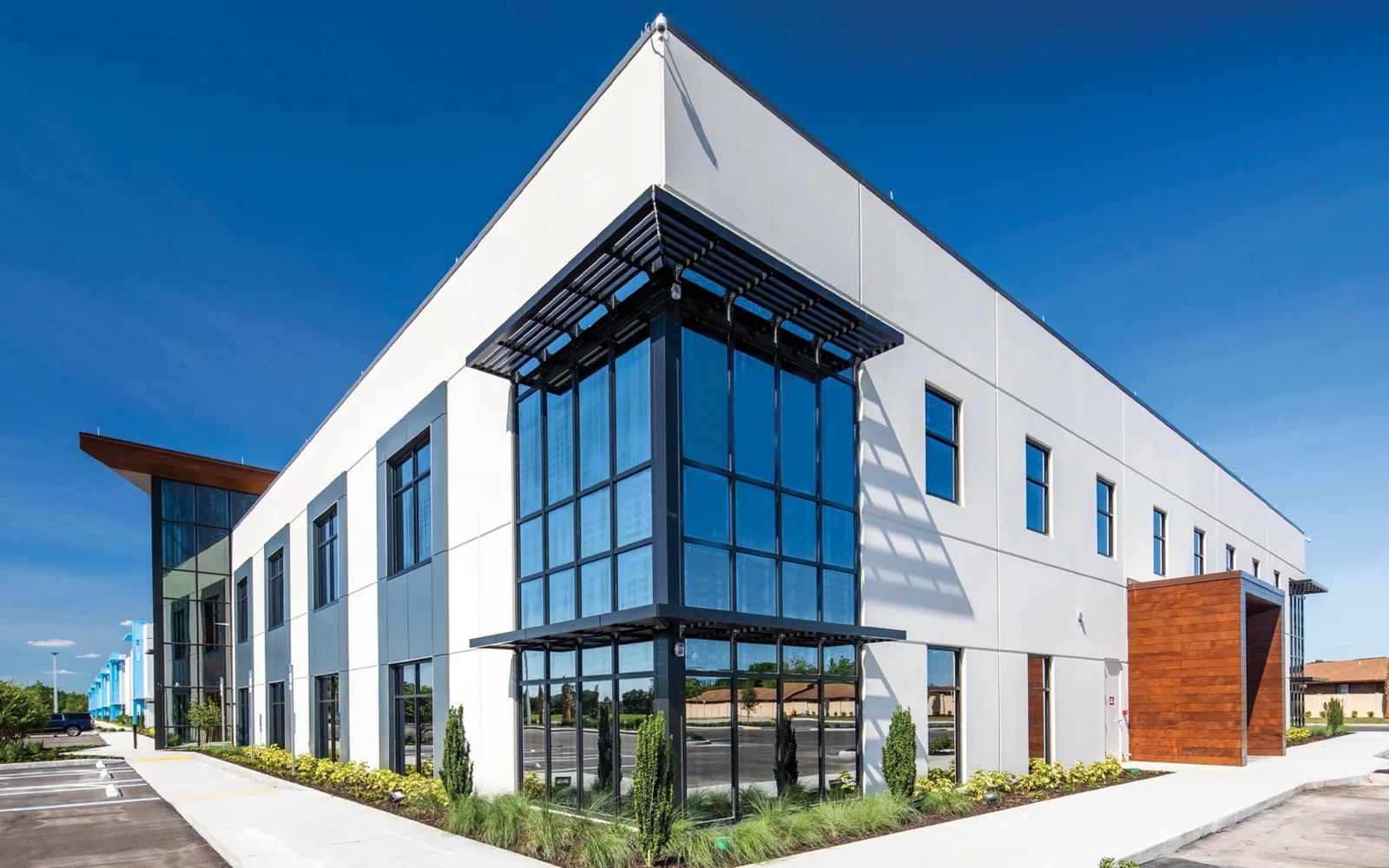
For occupied space, the schedule should show noisy tasks, equipment shutdowns, tenant notices, and the time required to dry in each section. A phased reroof plan can keep those decisions visible before mobilization. If an active leak affects a business below, we coordinate interior protection and explain which rooms may need temporary limits. A commercial office roof scope may require different occupied-hour coordination from a retail or service property, but the site contact confirms the actual requirements.
Keep the Repair Boundary Measurable
A repair proposal should name the roof section, preparation, material, flashing detail, and stopping point. We separate an immediate patch from work that depends on a test or concealed condition. If the opened area reveals wet insulation or deck damage, the crew protects the roof, records the quantity, and asks for written approval before adding work. That gives the owner a chance to review the cost and schedule effect before the boundary expands. A defined roof repair is easier to track when its photographs and closeout record match the same map.
The Rail District reinvestment program supports improvements to the downtown environment, but it does not determine a property's roof scope or approval path. The owner or manager still confirms any project review that applies to the specific building. We document the material and transition proposed, then leave design or permit questions visible for the responsible reviewer. A condition report with photographs can preserve the decision record. If several repairs repeat or testing shows broader moisture, we compare a replacement scope against the bounded repair.
The comparison should show known work, alternates, and the approval needed if concealed conditions change the quantity.
Leave a Usable Downtown Record
At completion, we return dated photographs, roof-section labels, installed materials, repair locations, and remaining open items. The contact can retain that record with the next inspection date. If a later leak appears, the map helps compare it with the earlier repair instead of assuming the source is the same. For recurring maintenance, a scheduled roof review can check drains, edges, sealant transitions, and prior repair lines before they become an urgent work order.
The Rail District is a broad historic downtown area, not a single venue or building. Frisco's North Platinum corridor presents another commercial setting, while the roof plan for each property remains specific to its structure and access. A North Platinum roof assessment uses its own building records, and a Dallas Parkway roof scope confirms the property's delivery plan. We do not transfer a repair conclusion from one district to another.
For the next visit, the owner can share the roof area, leak status, access window, and any records from the last repair. We will identify the first check and the next spend.
Commercial Roofing Questions
Can work be staged without blocking a Rail District entrance?
We review the actual sidewalk, service door, staging area, and delivery path with the property contact before mobilizing. The daily plan identifies any temporary boundary and the person who can approve a change. If the available area is too tight to keep access safe, we schedule a different window rather than leaving the route uncertain.
How do you distinguish a drain issue from a membrane leak?
We trace the interior water path, inspect the drain bowl and overflow route, and compare those points with seams, flashing, and earlier patches. A visible blockage or damaged transition may support a focused repair, while concealed moisture can require a test. The report separates what is confirmed from what remains behind the assembly.
Does the downtown reinvestment program set roofing requirements?
The program supports improvements to the district's built environment, but the property owner must confirm which review or approval applies to a specific project. We document the roof assembly and proposed scope so that the owner can route those details to the appropriate city or design reviewer before work begins.
When is a broader replacement worth comparing with a repair?
We compare the options when repeated failures, widespread moisture, unstable attachment, or multiple failing transitions extend beyond one repair boundary. The recommendation depends on the inspected assembly and any test results. We show the immediate protection, known permanent work, and concealed-condition approval step separately so the owner can set the next budget date.