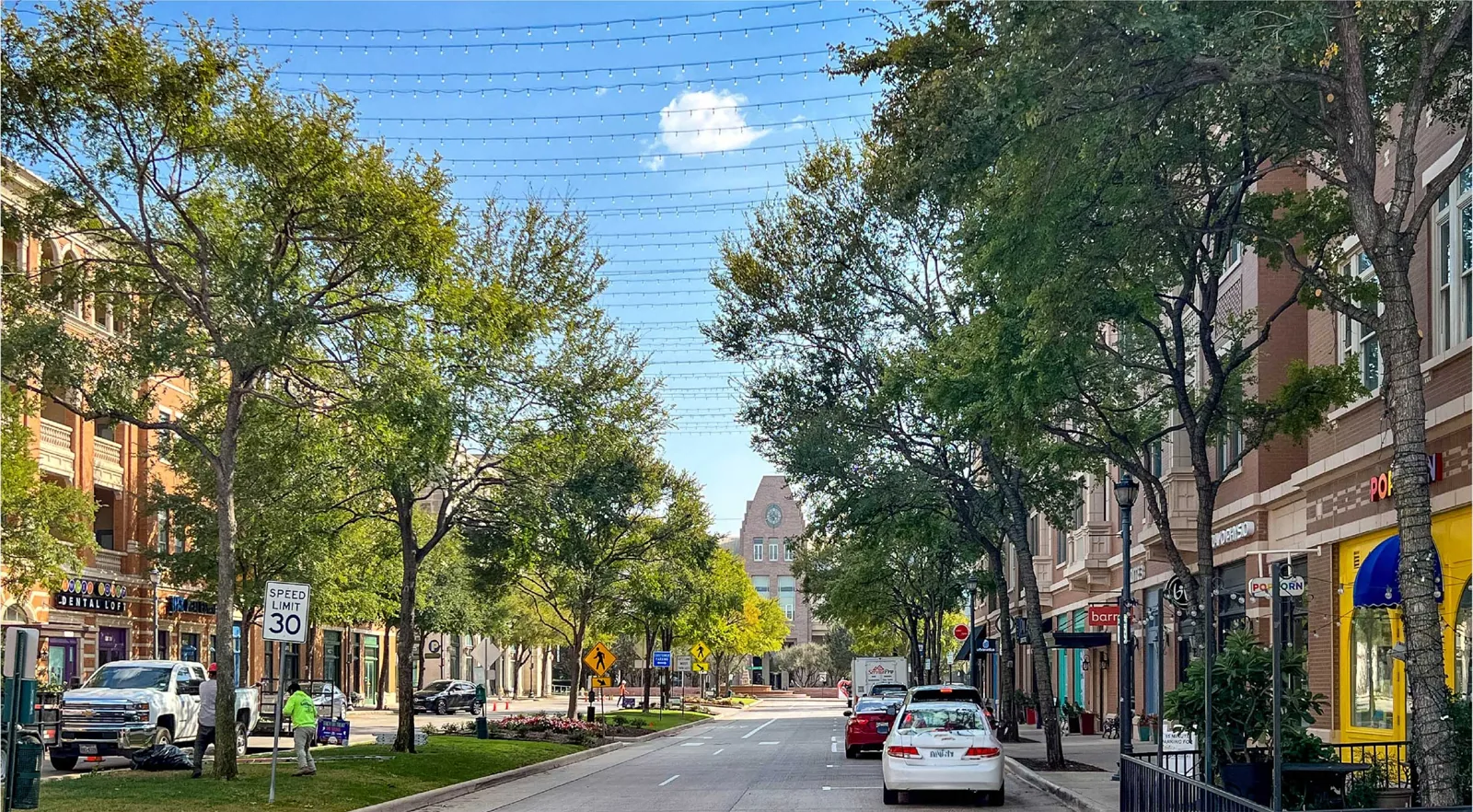
A modified-bitumen leak in Frisco, TX starts at the cap sheet, but the repair decision also turns on flashing, moisture, and the roof section's work window. We inspect the cap sheet, base layers, seams, flashing, drains, and nearby insulation, then map which area can remain in service and what needs to be opened. The Frisco Rail District has historic commercial buildings undergoing reinvestment, while North Platinum contains larger corporate and mixed-use sites. Those building contexts can change access, but the roof assembly must be confirmed on site. For modified bitumen, document the cap sheet, plies, surfacing, and prior patches before a repair or recover boundary is set. A roof inspection records the observed layers, repair history, and water path. We separate temporary protection from permanent scope so the owner can decide whether to patch a contained lap, test below the surface, or set a replacement date.
Read the Layers Before Opening a Blister
Modified bitumen is a reinforced asphalt roofing sheet, commonly installed in one or more plies with surfacing and flashing details. SBS and APP modifiers perform differently, and the installation method may be torch-applied, cold-applied, or self-adhered. We identify visible system clues, check building records, and avoid assuming that the cap sheet alone tells the whole assembly. A blister can hold air or moisture, but cutting it without a reason may enlarge the repair. We inspect its edges, nearby laps, roof slope, and any interior report, then explain whether a test opening is warranted. When the material is confirmed, we select a repair method compatible with the existing sheet and its surface. If a built-up roof is present nearby, it still gets its own diagnosis; the two asphalt systems are not interchangeable simply because both have multiple layers.
Follow the Lap to Sound Material
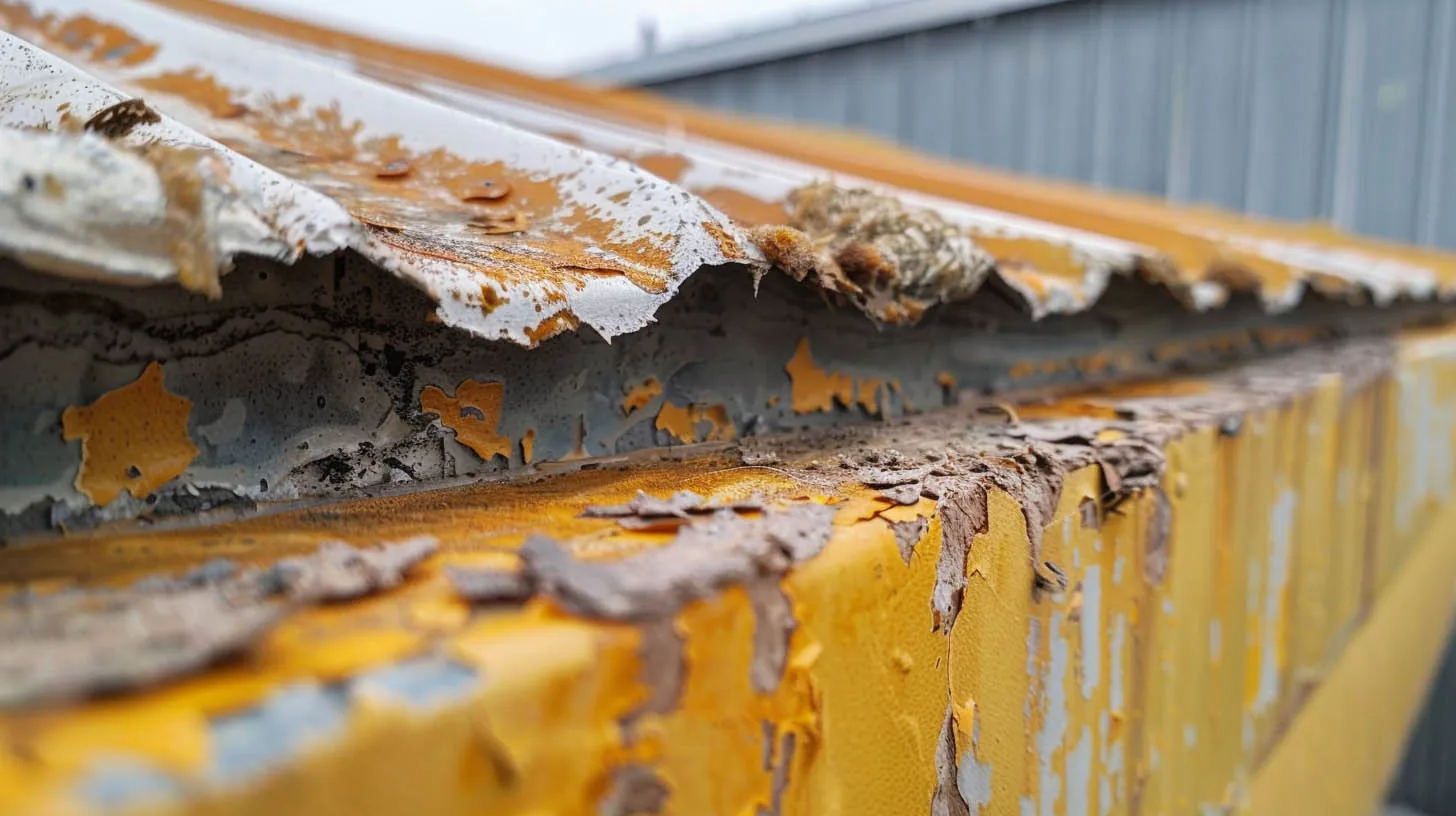
Open laps, fishmouths, wrinkles, and split end joints need different preparation. We check the length of loose bond, the condition of the granulated surface, and whether water can travel under an adjacent sheet. A repair must extend to stable material, not stop at the first edge that looks closed. At penetrations, we inspect the base flashing and counterflashing as separate layers. If water has reached insulation, we mark a boundary for a limited opening and photograph what is found before expanding removal. A seam-failure repair can stay narrow when the adjoining sheets and substrate are sound. Repeated openings across a roof section can make a replacement comparison more useful than serial patches. We show the confirmed repair line and any optional adjacent work so the property team can approve each item without combining separate failures.
Match the Surface Treatment to the Assembly
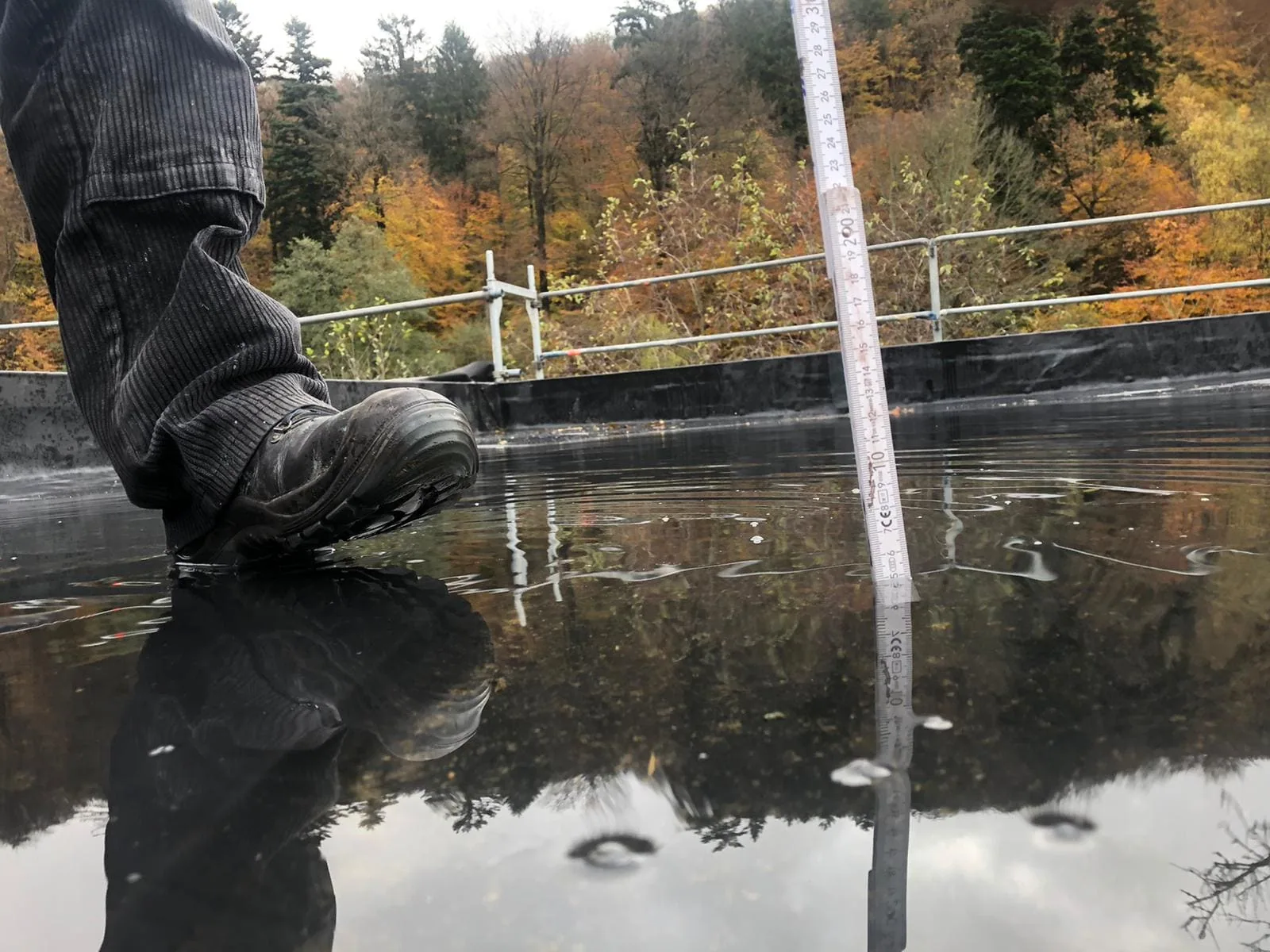
Water at a modified-bitumen roof may be held by a blocked outlet, a low area, or a split lap. Each cause calls for a different repair. We map the path from the wet location to the nearest drain, note the number of plies and surfacing at the transition, and look for a repair that has bridged the original detail. A drainage assessment should distinguish a cleanout from work that changes slope or opens the assembly. Frisco receives 37.01 inches of average annual precipitation, a reason to examine drainage without assuming a particular roof has a leak. The marked sketch shows where water was observed and which area remains unverified. If the lap is deteriorated, we price the membrane repair independently from any drain or insulation correction. This makes the recommendation easier to review before a broad surface treatment is considered.
Coordinate Heat, Weather, and Site Access
Modified bitumen work can involve heat, odor, adhesives, and delivery activity, so a site-specific method statement belongs in the estimate. We establish whether the repair uses a torch, cold adhesive, or another approved approach, then set protection and fire controls for that choice. Frisco's Rail District context includes reinvestment in historic commercial buildings, where storefront activity can affect access planning. A warehouse roof may instead require coordination with loading and ventilation schedules. Neither district nor building category tells us the actual roof assembly; inspection does. The work sequence identifies odor-sensitive operations, material staging, fire watch when applicable, and how the active section will be closed before the crew leaves. The property contact gets a notice window for any disruptive step and a clear route for raising an access concern before work starts.
Set the Repair or Replacement Date
Set a date for the decision, not just the site visit. The field review records surfacing loss, blistering, open laps, wet insulation, and repair history, then sorts each finding by roof section. A TPO alternative may be worth comparing when a replacement scope is under consideration, but the assembly and project constraints must support that change. The capital plan can show the cost and timing of localized repair, a recover where eligible, or tear-off and replacement. We state which estimate assumes occupied hours, which areas need further testing, and what could change the total. If the owner has a funding date, that date becomes the point for resolving open questions. The comparison then gives decision-makers a current repair line and a next spend with defined assumptions, instead of leaving an aging roof in an indefinite review cycle. For SBS and APP assemblies, the estimate also states the surfacing and method used at the repaired edge. A torch-applied detail and a cold-applied repair carry different access and safety steps. We confirm the method with the owner before procurement, then price fire controls or odor-sensitive sequencing as applicable. No installation method is assumed from the membrane name alone. The owner can assign the funding date and approval contact in the same comparison before the work order is released.
Commercial Roofing Questions
How can I tell whether a modified-bitumen blister contains moisture?
A surface blister alone does not confirm what is below it. We inspect the edges, surrounding sheet, interior reports, and drainage, then recommend a limited opening only when it can answer a scope question. The report records the test location and findings before any additional insulation removal is proposed. We close the test opening before leaving and mark it for future inspection.
Can an open modified-bitumen lap be repaired in one visit?
It can when the existing sheet is identified, the surface can be prepared, and the failure ends at stable material. We also check base flashing and nearby end joints so the repair does not stop short of the water path. If the substrate is wet or the lap failure continues, the owner sees that added boundary before the work expands.
Does a coating solve recurring modified-bitumen leaks?
A coating is not a substitute for correcting a failed lap, wet insulation, or a drainage defect. We first identify the membrane condition and repair requirements. If the assembly is suitable for restoration, the proposal names preparation, reinforcement, and transitions. An unresolved water path remains outside a coating-only scope.
What should be included in a replacement comparison?
The comparison should identify removal layers, insulation, deck repairs, flashings, drains, perimeter metal, access, and any occupied-hour restrictions. We show how each item changes cost or schedule and separate concealed conditions from visible work. The owner can then compare a defined repair section with a defined replacement area.
How does Frisco weather affect a modified-bitumen repair date?
The application method, surface temperature, wind, and chance of rain set the usable work window. DFW summer heat and spring storm activity make a same-day check important. We state the method and protection plan before opening the roof, then keep the exposed section small enough to close safely if the forecast changes.