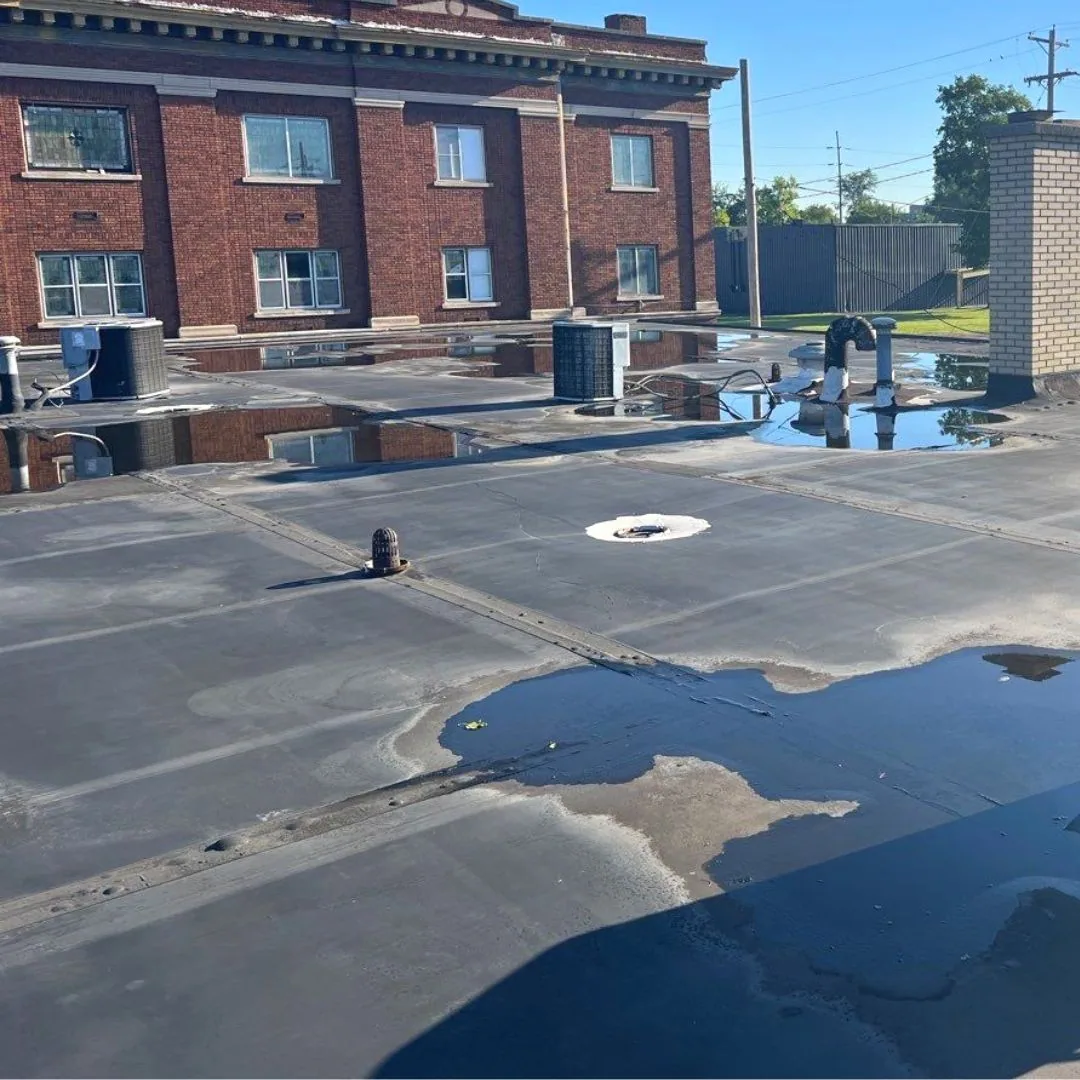
A roof pool is measured at a known point in time, then compared with the drain, overflow, and any interior report. North Platinum's mixed-use development and the older Rail District commercial blocks do not imply the same slope or outlet layout, so the first map follows the actual low point. DFW precipitation normals average 37.01 inches annually and 4.78 inches in May; those regional amounts raise a drainage question without explaining retention at a particular Frisco property. A Dallas Parkway corridor inspection starts at the actual building and roof section, then logs pool footprint, drain elevation, and drying time. A second photo after the surface dries shows whether water remains at that same location. We record rainfall timing and the outlet path too, since one depth reading cannot show how quickly the roof drains.
Map Where Water Should Leave the Roof
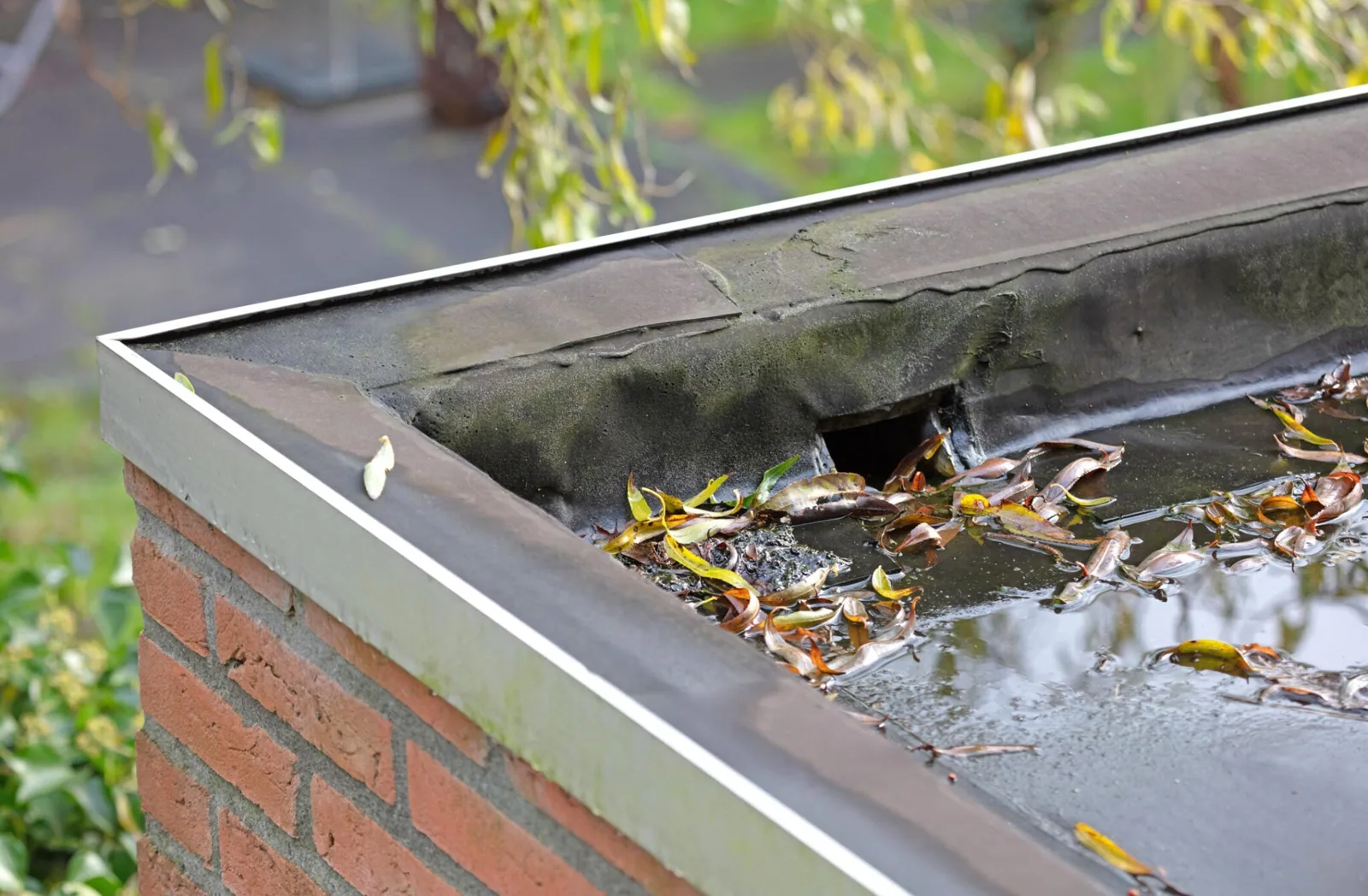
We identify primary drains, overflow scuppers, crickets, roof slopes, and any obstruction at the bowl or leader. A drain blocked by debris calls for a different scope than a low area with no clear route to the outlet. We note standing water after a known rain, surface condition, roof assembly, and any interior stain nearby. The drain and scupper review can separate cleaning from correction to the water path, slope, or outlet transition.
A written map also protects the next repair decision. It shows which low point was observed, which drain was accessible, and whether a test opening or survey is needed. If a leak appears below the water, we check seams, wall transitions, curbs, and prior patches before calling ponding the cause. A roof inspection records the evidence and any limits on the roof walk. We can compare a drain map with the roof plan, note any route blocked by equipment, and identify whether overflow protection is visible. If the outlet is not accessible or the drainage line cannot be confirmed, that limitation stays in the report rather than being treated as a clear path.
Check the Membrane Where Water Collects
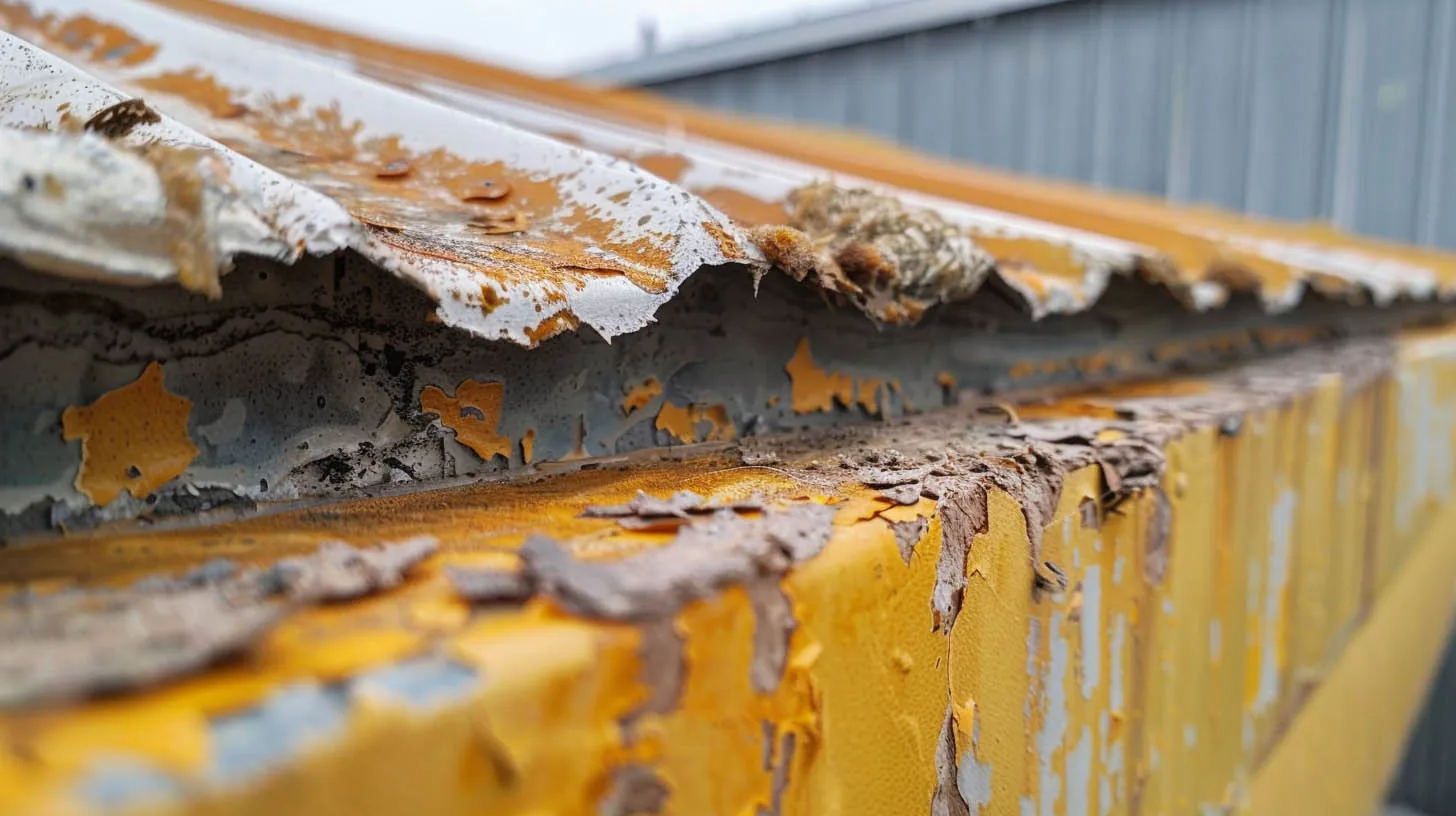
Repeated wetting can make a seam or flashing defect easier to find, but the water mark alone does not identify the failure. We inspect membrane laps, patches, penetration boots, drain bowls, and transitions where a low area meets a slope. The roof material and attachment determine how the repair should be prepared. We do not apply a coating or patch over an unresolved moisture area; the scope states what needs drying, testing, or removal before permanent work begins.
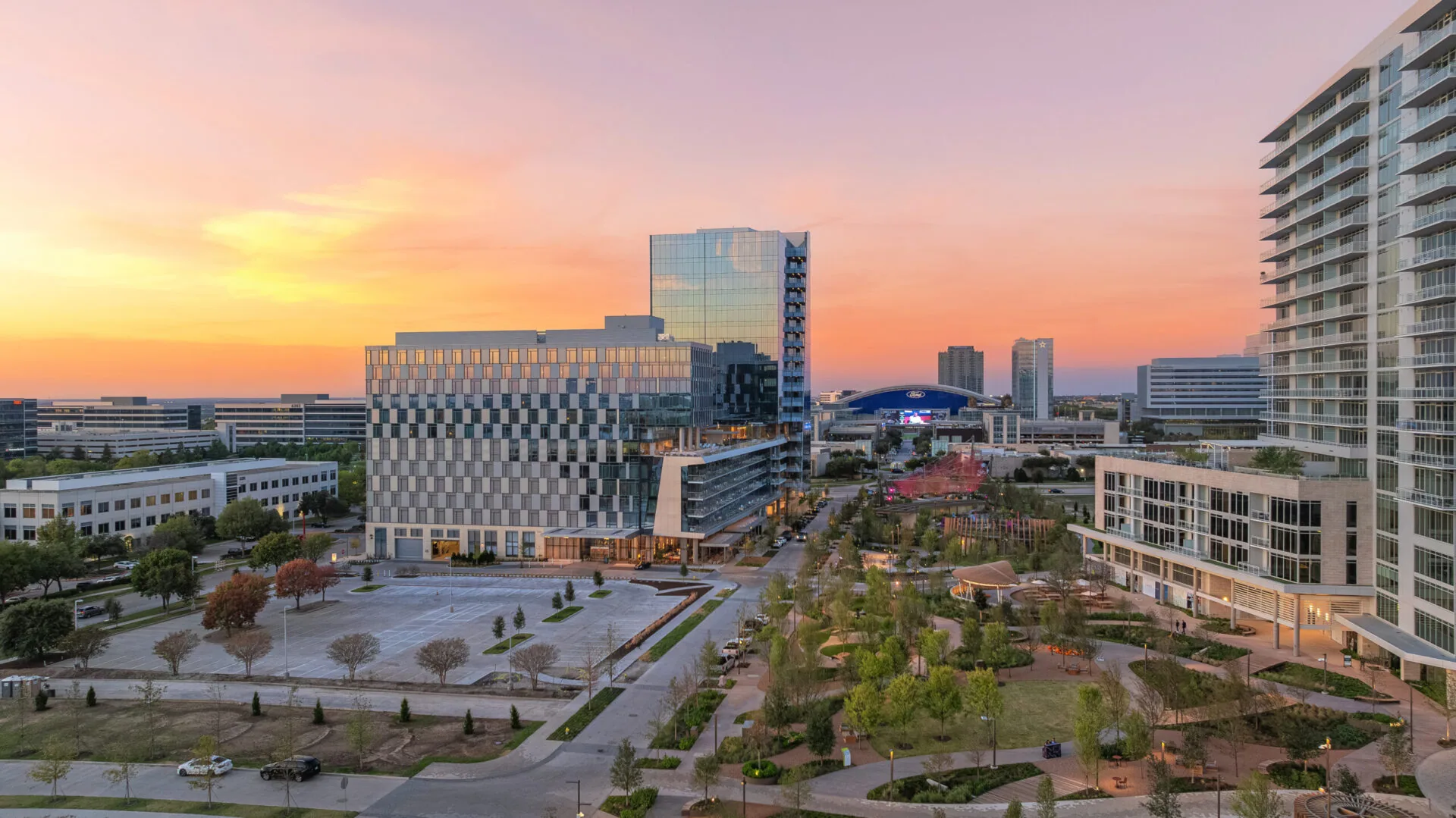
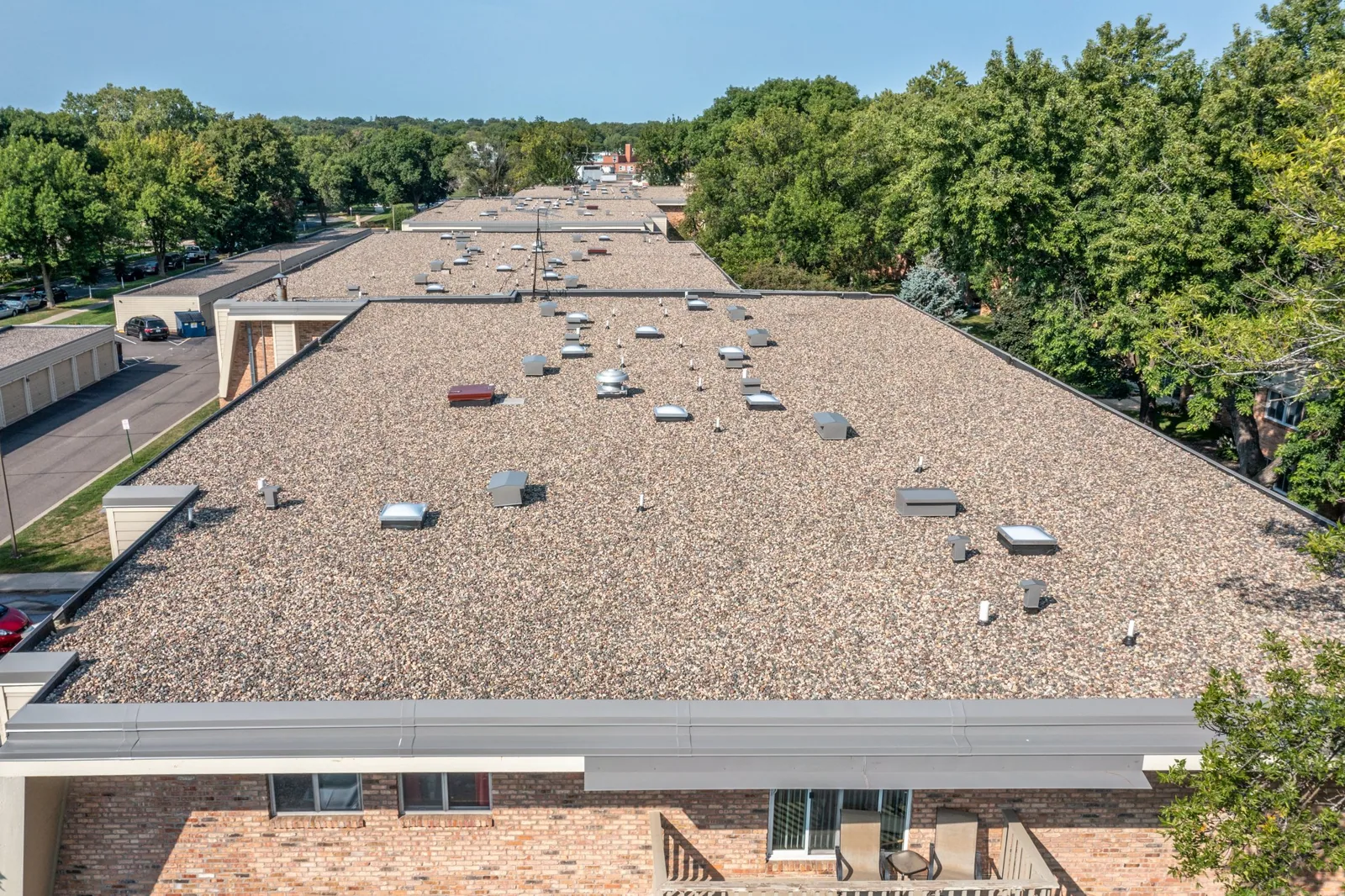
In Frisco, the city's business-park plan permits warehouse, distribution, office, and showroom forms only where zoning and truck-route access support them. Those are planning categories, not proof of roof type. A North Platinum building and a Rail District storefront still require their own details and drainage map. If ponding reaches a seam, a seam condition review can identify the failed lap. If water follows a curb or parapet, a flashing repair scope may address that transition separately.
Match the Low Area to Any Interior Report
Water can travel from a roof low point along insulation joints or deck flutes before it shows in a room. We record the interior mark, nearby equipment, and the roof section above it, then trace the route toward an outlet or opening. If water is active, temporary protection comes first. If the building is dry, dated photographs can compare the same area after another rainfall. A leak response visit can protect the interior while the permanent drainage correction is being priced.
Frisco's downtown includes historic commercial buildings, and North Platinum has larger multi-property development. Those contexts can affect access and staging, but not the diagnosis of an individual water path. We identify the roof opening, if found, and distinguish it from a separate low-slope or outlet question. If insulation or deck condition remains unknown, a test opening is listed as its own approval and repair decision.
Use Rainfall Normals as Context, Not Diagnosis
May averages 4.78 inches of precipitation in the DFW climate record, and annual normals total 37.01 inches. The numbers explain why drainage deserves an inspection after rain; they do not show how much water any individual roof retained. We note when the roof was last wet, whether the ponding changed, and whether a drain or overflow path was blocked. The owner receives observations tied to a section rather than a regional statistic presented as a building condition.
A drainage correction may require a lift or access over active space, so the manager identifies the safe window and the area that can be closed. We record that boundary before clearing an outlet or changing a detail. The phased access plan keeps the drain work, nearby roof activity, and reopening time distinct, allowing the owner to schedule each part without assuming the surrounding section needs replacement.
Price the Water-Path Fix Separately
A repair may include debris removal, drain or scupper work, seam correction, flashing, or a slope detail. We list each item by location and material so the owner can see which part addresses observed standing water and which part resolves a leak. If deck or insulation condition is concealed, we describe the opening and request approval before expanding the scope. Replacement enters the comparison only if roof-wide deterioration or a related assembly issue supports that option.
At closeout, we record the repaired outlet or membrane area, photographs, water-path notes, and the next check after rain. A condition report can keep the map beside the property's maintenance record. In Frisco, a business-park facility and a Rail District building may have different access needs; the next reviewer still sees the same decision boundary. The owner receives a clear account of what was corrected and which observation remains open.
Commercial Roofing Questions
How long should water remain on a commercial roof after rain?
The answer depends on the roof design, drainage, and conditions present at the building. We record the time since rainfall, the size and position of the wet area, and the route to drains or scuppers. The report identifies a cleaning, repair, or further testing question without treating one observation as proof of structural damage.
Can a clogged drain cause a roof leak?
A blocked outlet can change where water collects, but a leak still needs a roof-side check. We inspect the bowl, overflow, membrane, seams, and nearby flashings, then compare those findings with the interior mark. If the outlet is clear and water remains, a separate slope or elevation question may need review.
Does ponding always mean the roof needs replacement?
No. Some cases involve a restricted drain or a localized transition, while others point to a broader assembly issue. We map the water path, inspect the membrane and insulation indicators, and price any test opening separately. Replacement enters the recommendation only when the evidence supports a wider scope.
What information helps identify a ponding problem?
A photograph after rain, the approximate time since rainfall, the drain location, and any interior mark help us plan the inspection. We confirm those details on the roof and record whether water changed or remained. The written report keeps the observed water area separate from assumptions about its cause.
Can you repair ponding without disrupting occupants?
A phased correction may work when the outlet, lift route, and roof section can be isolated. We review interior use and schedule with the site contact before staging. If drainage work needs access above an occupied room or a temporary opening, the proposal identifies the protection and time window needed.