A warehouse leak over stored goods needs a mapped water path and a protected first work area. We inspect the membrane, seams, drains, curbs, wall transitions, and loading access before separating emergency protection from permanent repair. In Frisco, the North Platinum Corridor includes larger corporate and mixed-use sites, while the city’s business-park planning describes office, warehouse, distribution, and showroom possibilities subject to zoning and truck-route access. Those descriptions guide the questions we ask, but the roof itself sets the scope. We identify which bays remain active, where lift and material access fit, and how each section can be dried in before the shift ends. A North Platinum Corridor roof walk still begins with the building's actual assembly and loading pattern.
Trace Water Before Moving Stored Material
Water can travel along a deck flute, insulation joint, conduit, or beam before it reaches a ceiling. We begin inside with the reported stain, active drip, affected inventory, and any recent change in equipment or roof access. On the roof, we map nearby seams, penetrations, drains, wall transitions, and previous patches. That record helps decide whether temporary interior protection is enough for the shift or whether a roof opening needs immediate control. If water is still entering, our around-the-clock response can address the immediate leak while the owner reviews the permanent repair line.
A warehouse may have rack aisles, forklift paths, pick faces, or a receiving lane that cannot be blocked without moving operations. The site contact identifies the critical stock and circulation route before materials arrive. We can set interior protection and coordinate a roof section over a manageable bay, but we do not assume each part of the building is clear. A leak repair review records the observed path and states what remains unconfirmed. If the stain followed a DFW spring storm, the storm record may help the owner organize an inspection, but regional weather does not prove a particular roof was struck.
Check the Roof Assembly and Its Transitions
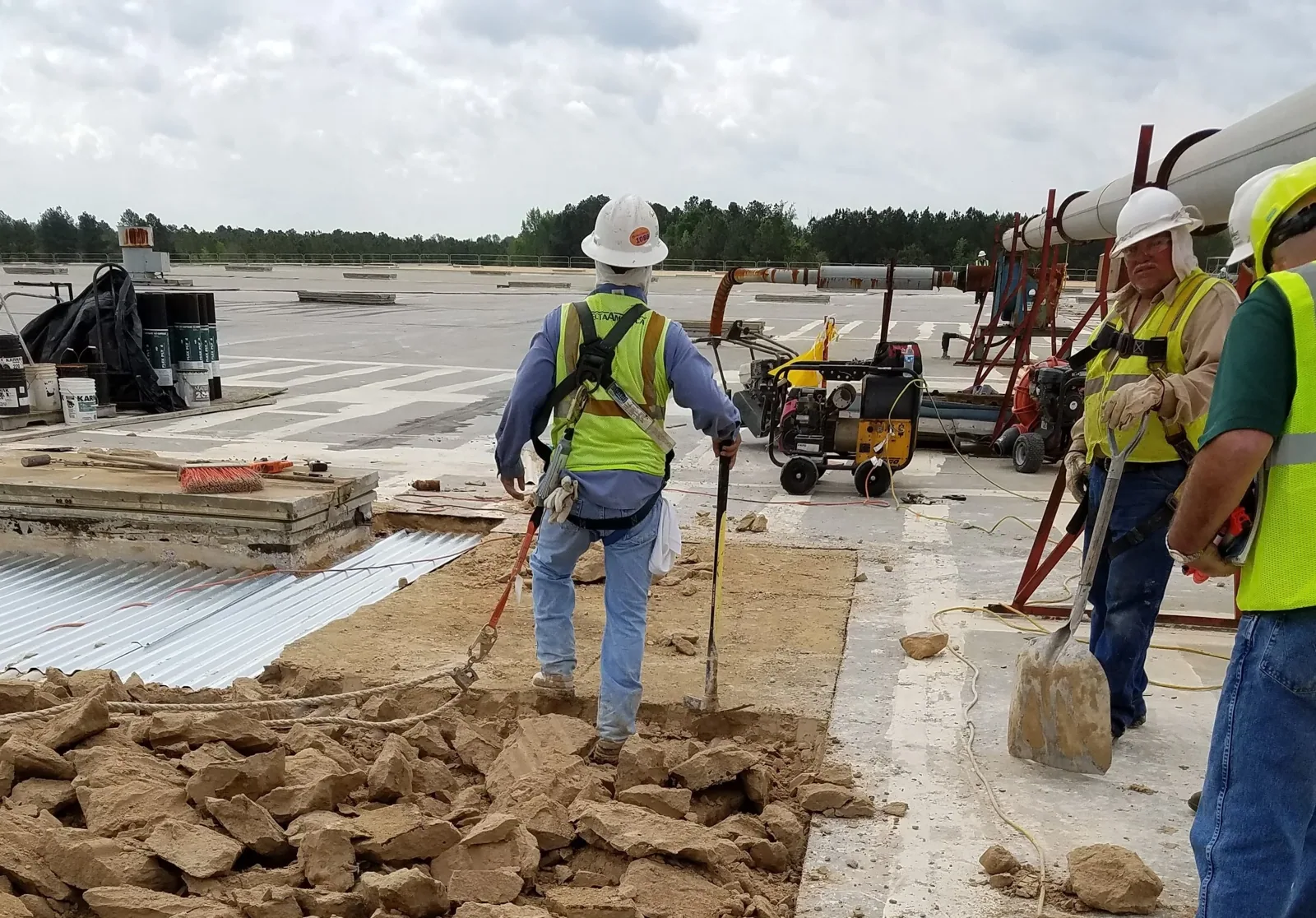
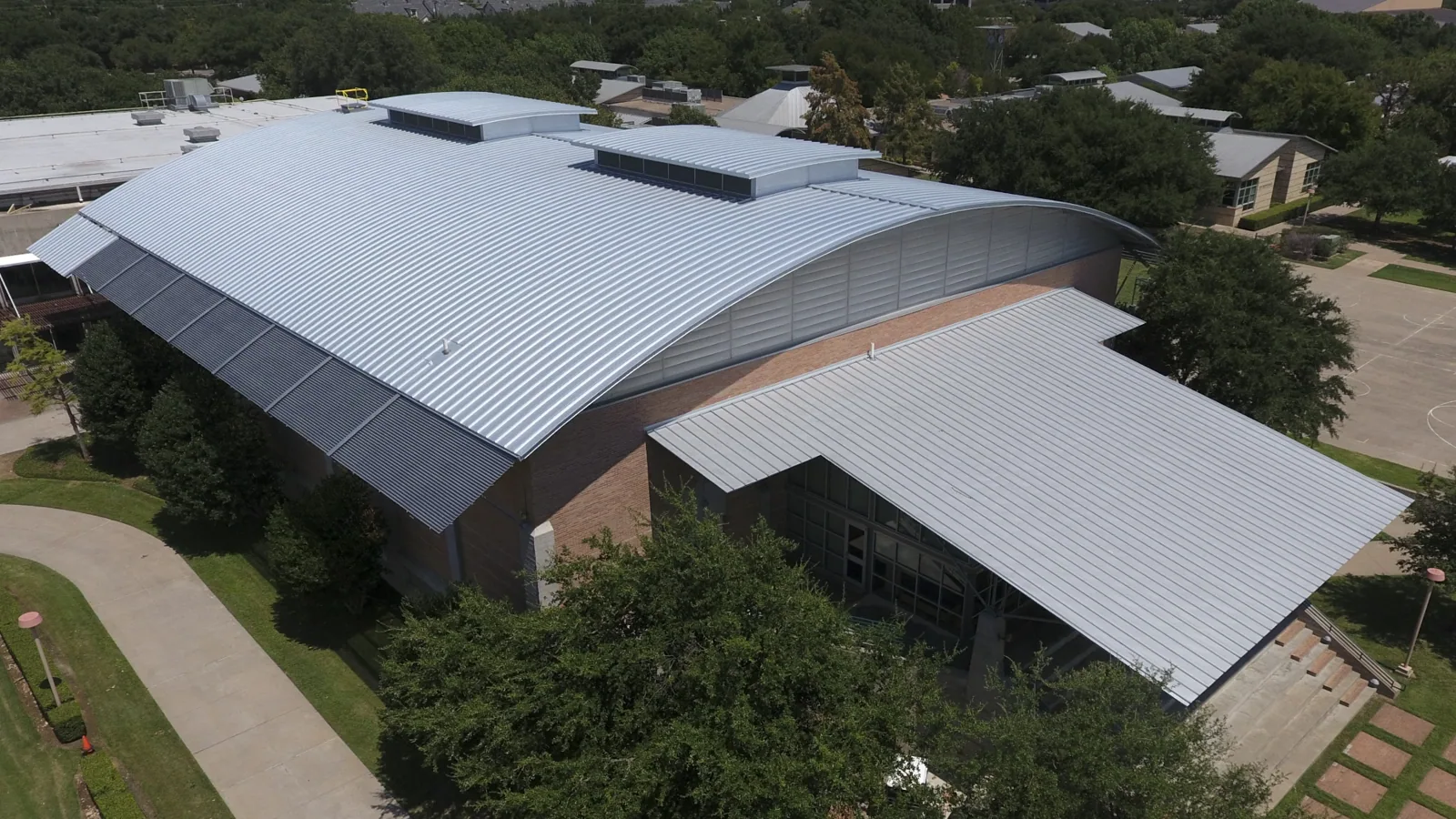
A broad roof field can hide a small failure at a curb, seam, drain bowl, or perimeter. We identify whether the existing surface is membrane, metal, coating, or another assembly from visible evidence and available records. The crew checks seam condition, attachment, exposed fasteners, membrane movement, wet areas, flashing terminations, and earlier repairs. If the system is concealed or the roof history is incomplete, we mark the limits of the visual review and recommend a test opening before pricing a larger recover.
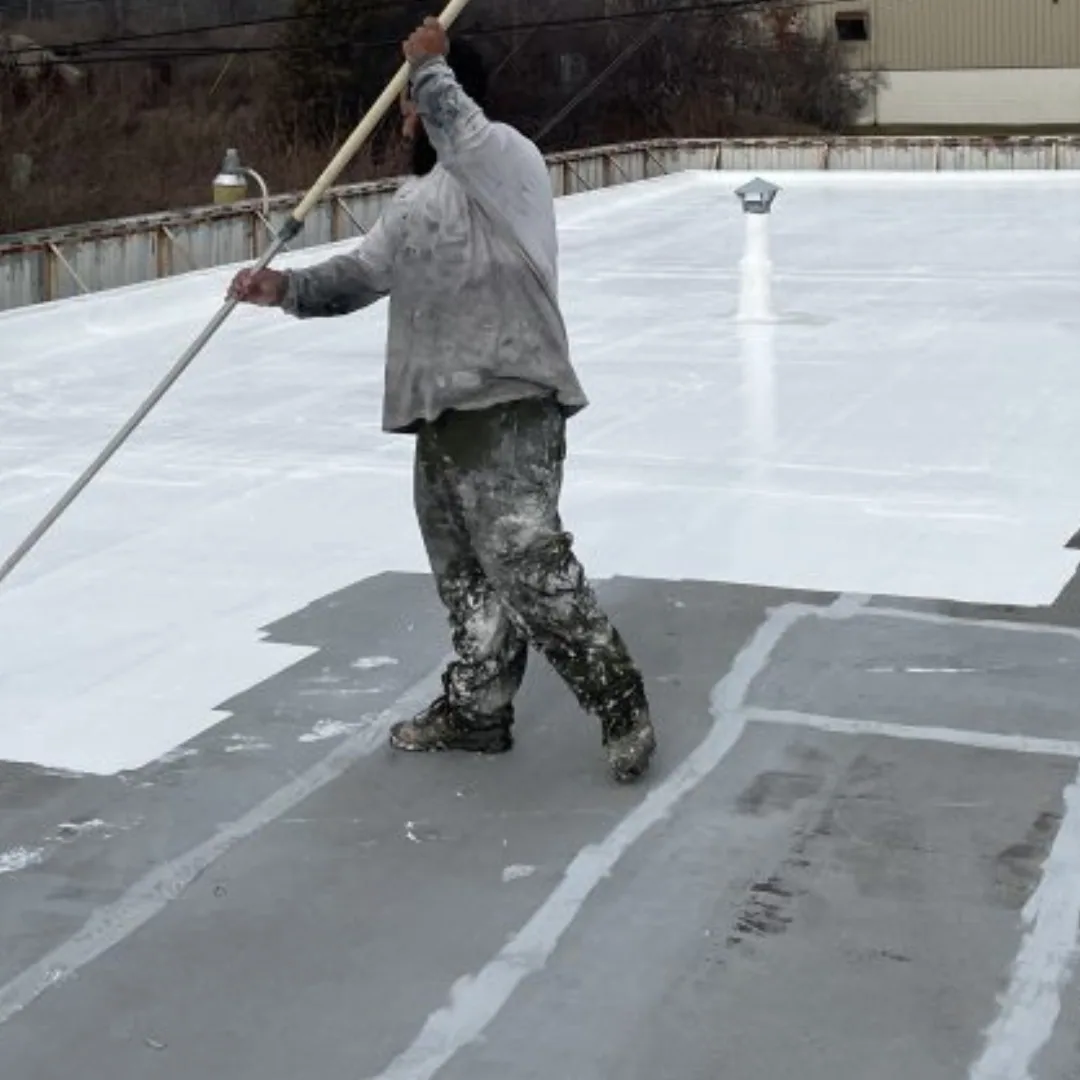
Warehouse equipment also changes how repairs are sequenced. Rooftop units need service clearance, and pipe or conduit supports can interrupt the membrane field. We map those details so the repair boundary does not leave a weak transition behind. A commercial roof inspection can document the roof section and photographs. Where the current assembly remains sound, restoration work may be considered after adhesion and substrate checks. If insulation, deck, or attachment is not suitable, a replacement scope can compare the required layers and edge details without treating a coating as a cure for concealed damage.
Keep Receiving and Roof Access on the Same Plan
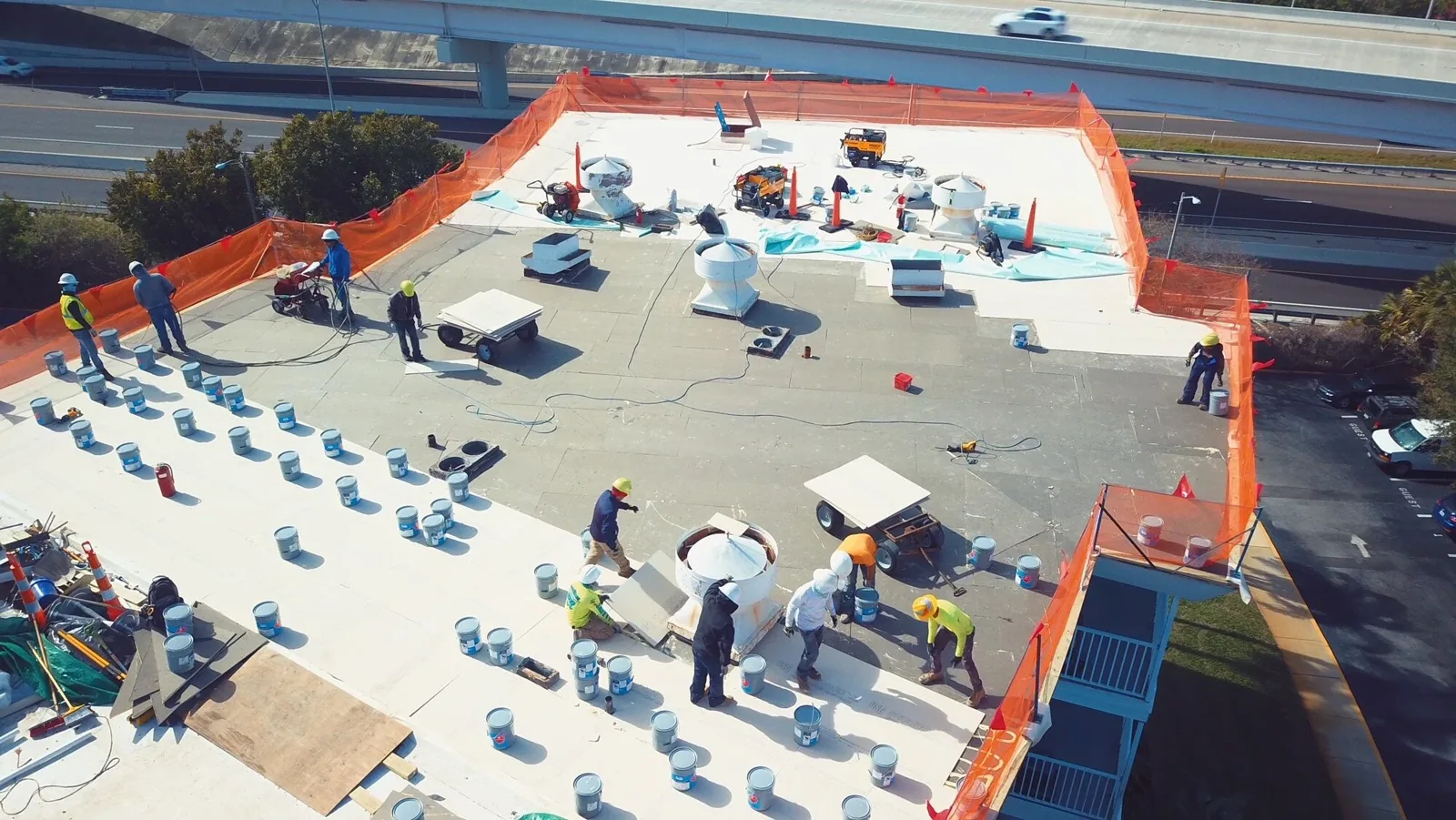
Deliveries, trailers, and roof work compete for the same drive aisles. The Dallas North Tollway project record notes frontage-road, bridge, ramp, and intersection improvements on the SH 121 to US 380 stretch, alongside added capacity. A warehouse delivery plan still uses the property manager’s approved truck route. City planning treats Dallas Parkway and US 380 as major movement links; the receiving manager must still name the gate and dock approach approved for roofing deliveries. We ask where roofing material can be unloaded, whether a lift can be staged without blocking a dock, and which delivery periods should remain clear. Those details affect labor sequence and the work area more than a generic square-foot production assumption.
We place the crane or lift, debris route, and temporary storage area on the work plan. The warehouse manager can protect active loading and emergency access while naming a contact who can approve a move. If a section sits over high-turn inventory, the owner may prefer a smaller daily area and more shifts. That can cost more in mobilization, but it can avoid a broad stock move. A phased reroof plan ties each work zone to operating hours, notices, and the next closure boundary.
Protect the Large Field Through the Weather Window
North Texas heat changes the working surface and the time available for some products. For DFW, the 1991-2020 July average high is 95.6°F and August's is 95.8°F. Before coating or membrane work, we check the roof surface against product limits. We inspect and prepare only the area that can be completed and secured within the planned shift. May contributes 4.78 inches to a 37.01-inch annual DFW precipitation normal (1991 to 2020). Before a warehouse roof is recovered, verify drain bowls and overflow routes against field elevations rather than relying on regional averages. These regional normals support scheduling and drainage review, not a conclusion about a specific leak.
We map low points, drain locations, scuppers, crickets, and places where ponding remains after rainfall. If a drain extension or slope correction is needed, that work should be priced and sequenced separately from surface replacement. The crew maintains a temporary dry-in and keeps loose material secured when weather limits the open area. A drain and scupper review can keep the primary and overflow path in the roof scope. The owner receives a stopping boundary and a note on any condition held for approval before the next section opens.
Separate Known Work from Concealed Conditions
The bid should show the roof area, assembly, removals, insulation, attachment, flashing, perimeter metal, and disposal included in the base scope. Wet insulation or damaged deck found below the membrane may require added work, so the documents should state how the crew protects the opening, measures the condition, and requests authorization. That protects the budget date and gives the owner a record before the repair is installed. We identify alternates separately, such as drain upgrades or additional insulation, rather than mixing them into one total that cannot be reviewed.
At closeout, the manager receives photographs, repair locations, system details, warranty documents, and maintenance instructions. The warehouse team can retain the roof map beside equipment, dock, and inventory records so the next leak report has a useful starting point. An office-building roof plan may emphasize occupied hours and access restrictions; a distribution-center scope can account for sortation or fulfillment activity. We return the water-path finding, the repair-versus-replacement choice, and the next inspection date in language the owner can act.
Commercial Roofing Questions
How do you protect inventory during a warehouse roof repair?
We identify the affected bay, active leak path, stock below the work, and interior access before opening the roof. The property team can relocate sensitive goods or restrict the aisle while we install temporary protection. The daily plan sets a secure roof boundary and identifies the person who receives an update if concealed damage changes the work area.
Can a warehouse roof be repaired while loading continues?
A phased sequence may allow receiving to continue if the lift, delivery route, debris path, and open roof section are separated from active docks. We map those limits with the site manager and state which lanes must remain clear. If the work cannot be safely isolated, the scope should identify the brief closure window needed.
What makes a warehouse reroof cost more than expected?
Access, material staging, roof height, assembly layers, drainage changes, insulation condition, and time spent protecting operations affect the work. Concealed wet insulation or deck damage may add scope after removal. We list known quantities and a written approval process for hidden conditions so added repairs are not installed without direction.
When is a coating appropriate for a warehouse roof?
A coating is considered only when the existing substrate is suitable and the preparation, adhesion, moisture, and detail work support restoration. We map repairs and test areas before presenting that option. If the assembly is unstable or moisture is widespread, replacement or a different repair scope may be the better comparison.