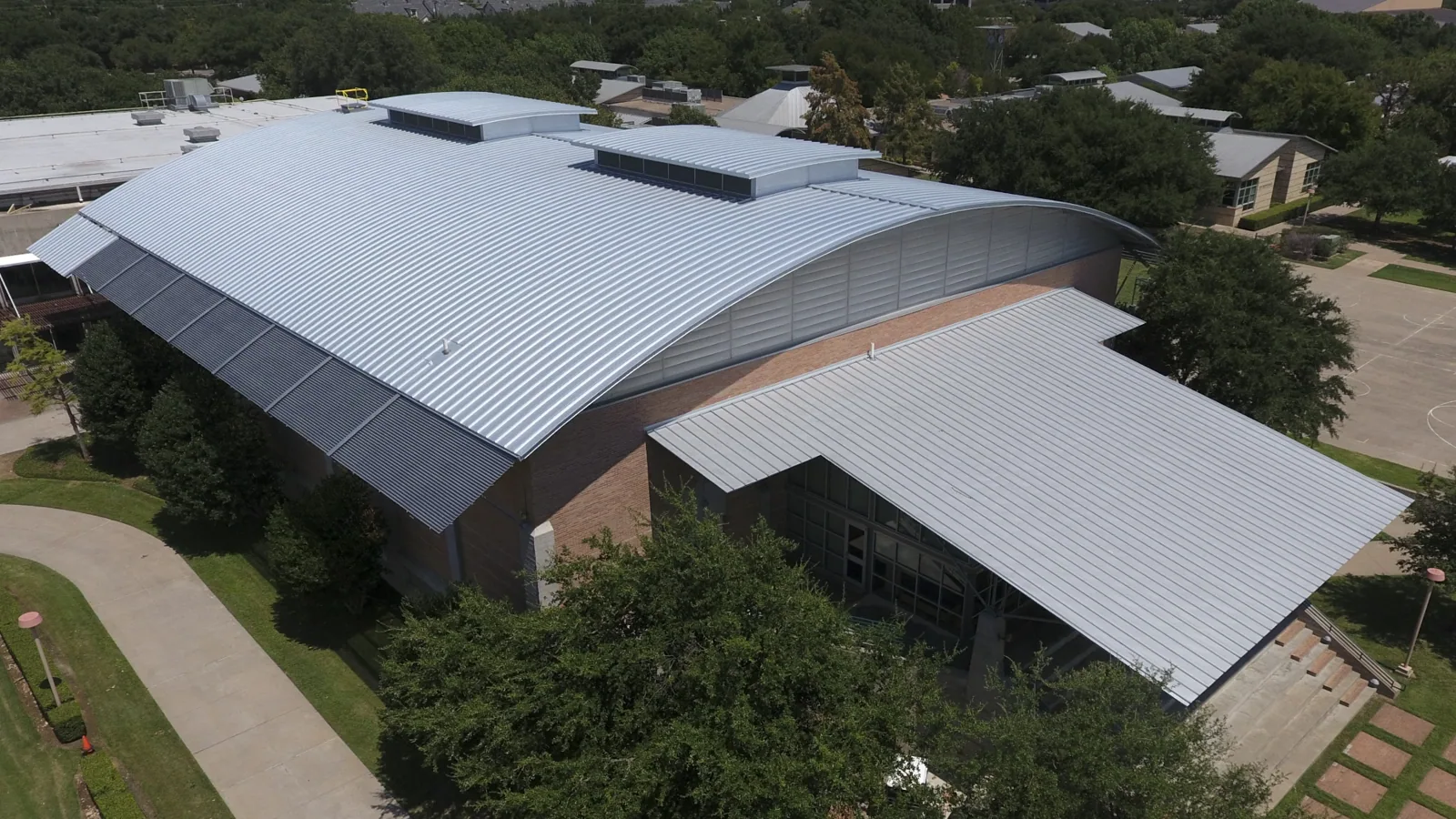
A reroof over active tenants needs a safe stopping point before the first section opens. We divide the work so people, inventory, and equipment remain protected through each agreed shift. In Frisco, a storefront in the Frisco Rail District may have a different delivery and pedestrian plan than an office near the North Platinum Corridor. We verify each site's access, hours, mechanical needs, and roof conditions before setting production areas. The scope then shows daily closure points, temporary protection, notices, and who can approve a change if a hidden condition is found. This gives the property manager a schedule to coordinate instead of a promise that disruption will disappear.
Set Work Zones Around the People Using the Building
A workable plan starts with the building's calendar. We ask the manager to identify occupied suites, loading periods, customer hours, critical rooms, and any dates when noise or roof access is restricted. The crew maps lift placement, material staging, entry routes, and protected pedestrian paths before mobilization. For a multi-tenant property, the manager can issue one notice with the affected area and time window rather than a vague all-day warning. Where the roof is over a sensitive operation, we identify the interior contact and escalation process before the first section is opened.
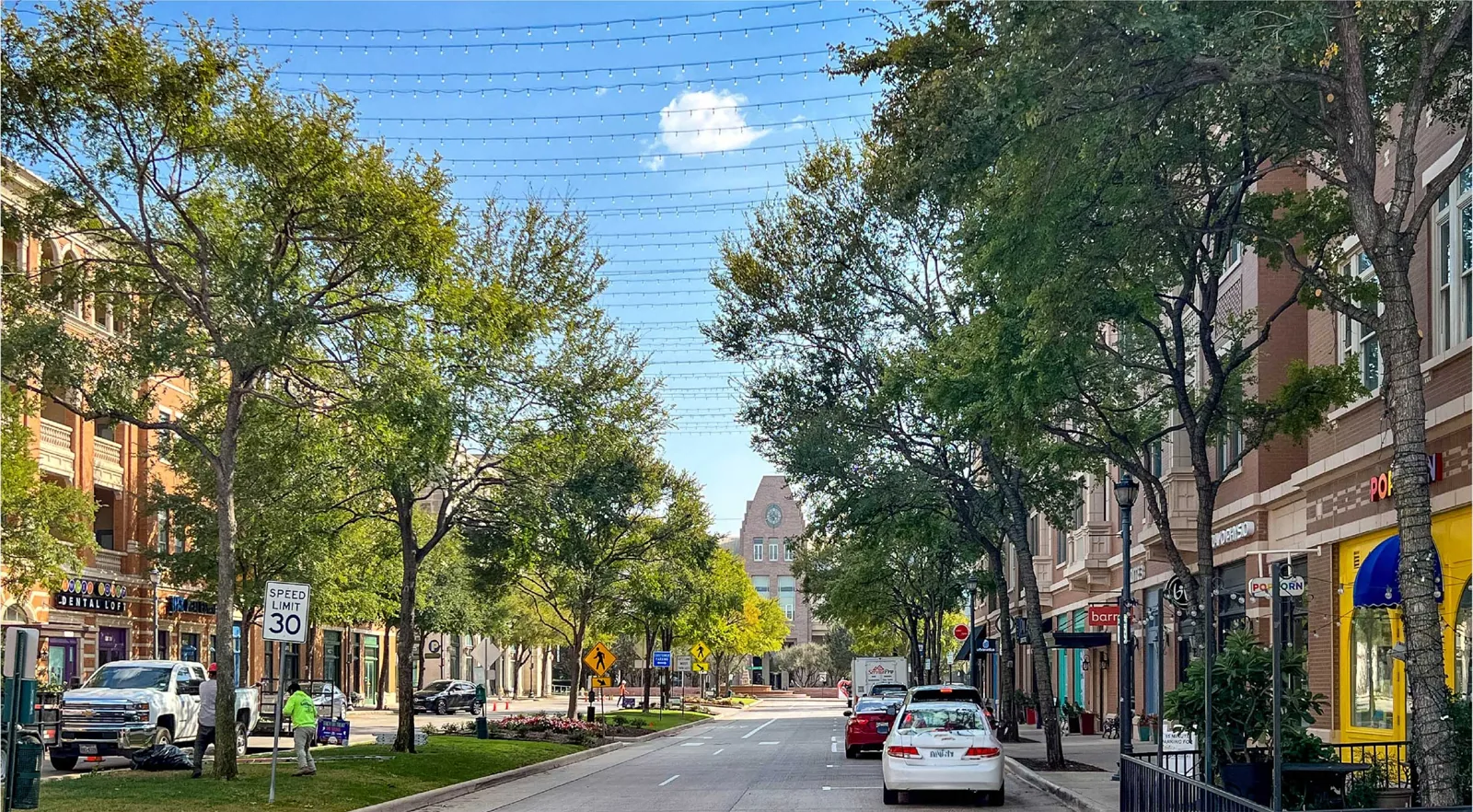
Frisco's downtown planning includes Main Street and Fourth Street implementation, while city transportation materials identify the Dallas Parkway and US 380 network as important mobility routes. Those broad contexts may affect delivery timing and public access, but the exact approach depends on the property and permitted routes. We confirm truck access, delivery hours, and staging with the site manager. A commercial office roof scope may need a different daily boundary than a retail property with active customer entries. The plan records those differences instead of assuming one schedule fits every occupied building.
Close Each Roof Area Before the Shift Ends
Daily dry-in is the control that keeps an active building from inheriting an open roof at night. We mark the area to be removed, the amount of new assembly that can be installed, and the transition that must be secured before the crew leaves. The sequence accounts for tear-off, substrate review, insulation placement, membrane attachment, flashing, and edge details. If rain threatens before a section can be completed, the production limit needs to leave enough time for temporary protection and a secure tie-in.
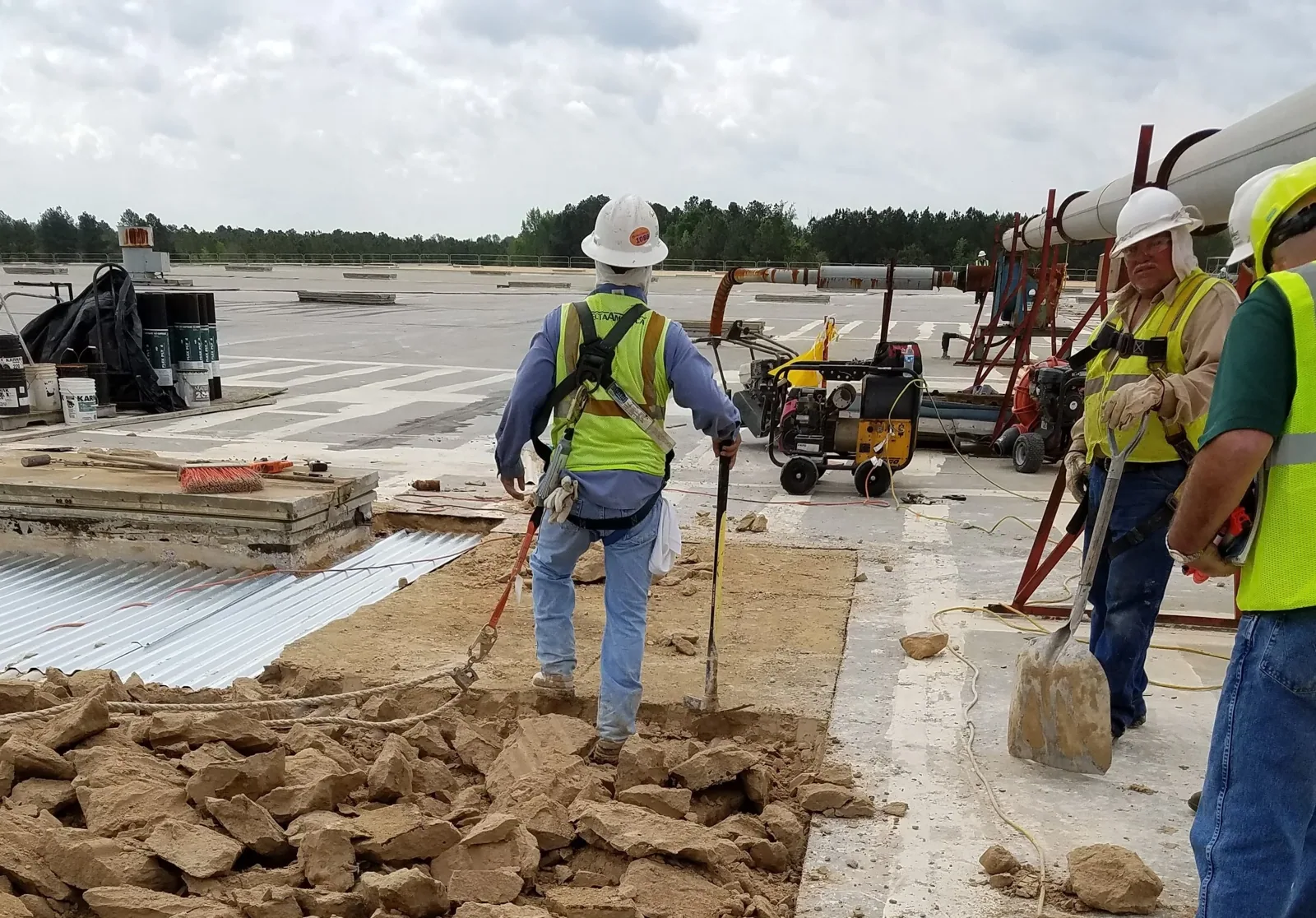
For Frisco reroofs, a spring schedule should preserve a protected stopping point because DFW's heaviest rain and severe-weather activity clusters in that season. That regional pattern is a reason to plan weather checks and backup closure methods, not a prediction that a storm will strike a particular site. We monitor conditions, document the daily stopping point, and keep temporary materials available for the active section. If the deck or insulation differs from the inspection, the crew stops at a protected boundary, photographs the condition, and gets direction before expanding the opening. A replacement scope should specify who can authorize that change and how it affects work area, schedule, and price.
Keep Mechanical Service and Interior Protection in the Plan
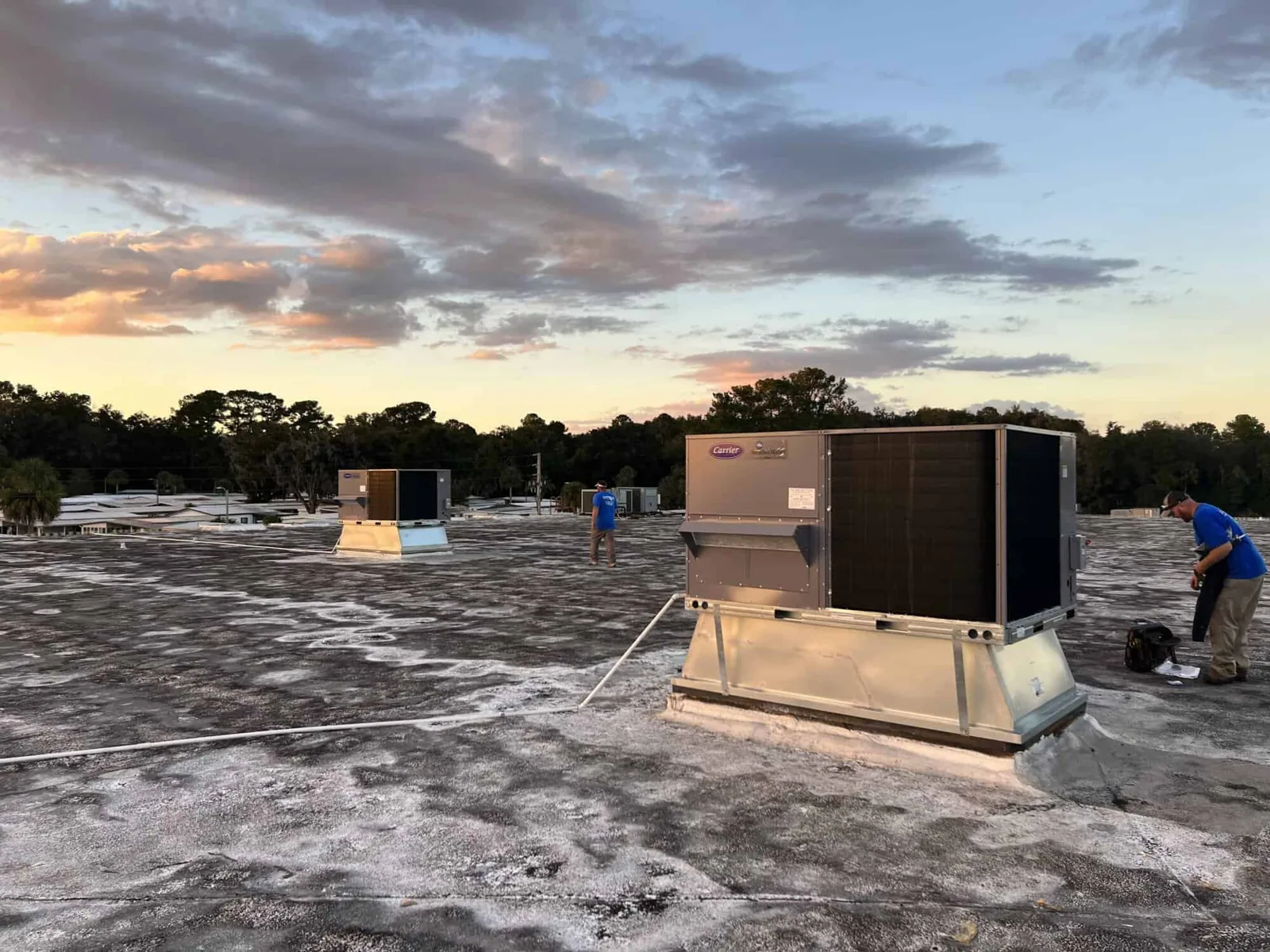
Rooftop units can stay in service only when their supports, clearances, and connections remain protected during the reroof. We map equipment and curbs, identify areas where a mechanical trade must disconnect or lift a unit, and agree on the order of work. The crew should not cover an unresolved curb, pipe support, or conduit condition. Before moving equipment, the owner needs a plan for shutdown notices, restart checks, and who verifies the system is operating after access is restored.
Inside the building, the property team identifies rooms where dust, vibration, odor, or a ceiling leak would interrupt operations. We use the planned section map to set interior checks and notify the right contacts before tear-off begins over those spaces. If an active leak is present, a leak repair review can separate immediate water control from the larger replacement sequence. For equipment transitions, curb and support work belongs on the same coordination drawing as the new roof, not as an afterthought when a unit is ready to return.
Make Schedule Changes Visible Before They Reach Tenants
Occupied work can shift when the roof reveals wet insulation, damaged deck, or flashing that was concealed during the initial survey. The contract should state how the crew protects the area, records the condition, and gets approval for added work. We price known repairs as defined scope and show concealed-condition work as a separate decision when the condition cannot be confirmed beforehand. The manager receives a daily note with the completed area, the next work zone, access restrictions, and any issue requiring a decision. That record helps the owner compare actual progress with the tenant notice.
Frisco's Rail District reinvestment planning recognizes a historic commercial district and ongoing property improvements. On a property in that context, curbside access, neighboring businesses, and pedestrian routing can matter as much as roof production. For a larger office or mixed-use site in the North Platinum Corridor, equipment access and coordination among property teams may be the larger constraint. Neither area determines a building's current condition, so our schedule begins with a site walk and measured work zones. A photo-based condition report helps preserve the pre-work record, while drain and scupper review keeps drainage transitions visible in the completion list.
Return a Clear Roof and Building to the Property Team
At the end of each shift, the crew removes loose material, secures the open edge, restores agreed paths, and reports any area that remains restricted. At final turnover, the owner receives the installed assembly description, repair map, photographs, warranty documents, and maintenance instructions. We identify any item reserved for another trade and note who owns the follow-up. That distinction matters when a mechanical startup, electrical connection, or tenant improvement remains open after the roofing work is complete.
The manager can use the final map to tell future maintenance staff which areas were replaced and where transitions or penetrations were addressed. If the building is one of several properties, a multi-site program can keep records consistent while preserving each roof's own system and service history. The next step is a scope review with the property contact: confirm work hours, daily closure, interior notifications, access routes, and the process for concealed conditions. We can then build the roof sequence around the actual operation, with protected stopping points and clear handoffs for each shift.
Commercial Roofing Questions
How do tenants know which entrances or areas will be affected?
The manager's notice should name the affected zone, expected work window, access change, and contact for questions. We provide the section map and update it when sequencing changes. For a property with several tenants, the site team can send notices before the crew moves to the next area rather than relying on one notice for the entire job.
What happens if tear-off exposes wet insulation?
We stop at a secure, weather-protected boundary, photograph and map the condition, and submit the repair scope for approval. The owner can then decide whether to replace the affected insulation or adjust the work area. Pricing and schedule impacts should be stated before the added area is installed.
Can rooftop equipment stay in operation during the reroof?
Equipment plans depend on curb condition, service access, clearances, and the sequence required by the mechanical trade. We identify units that need a shutdown, lift, or protection before roofing starts. The owner should name who controls the shutdown and who verifies the unit after the work area is closed.
What should the closeout include for an occupied property?
The handoff should include the system description, photos, repair and penetration map, warranty information, maintenance instructions, and a list of work assigned to another trade. We also identify access restrictions that have ended and any follow-up inspection date. The property manager can retain that record with tenant and equipment information for future service calls.