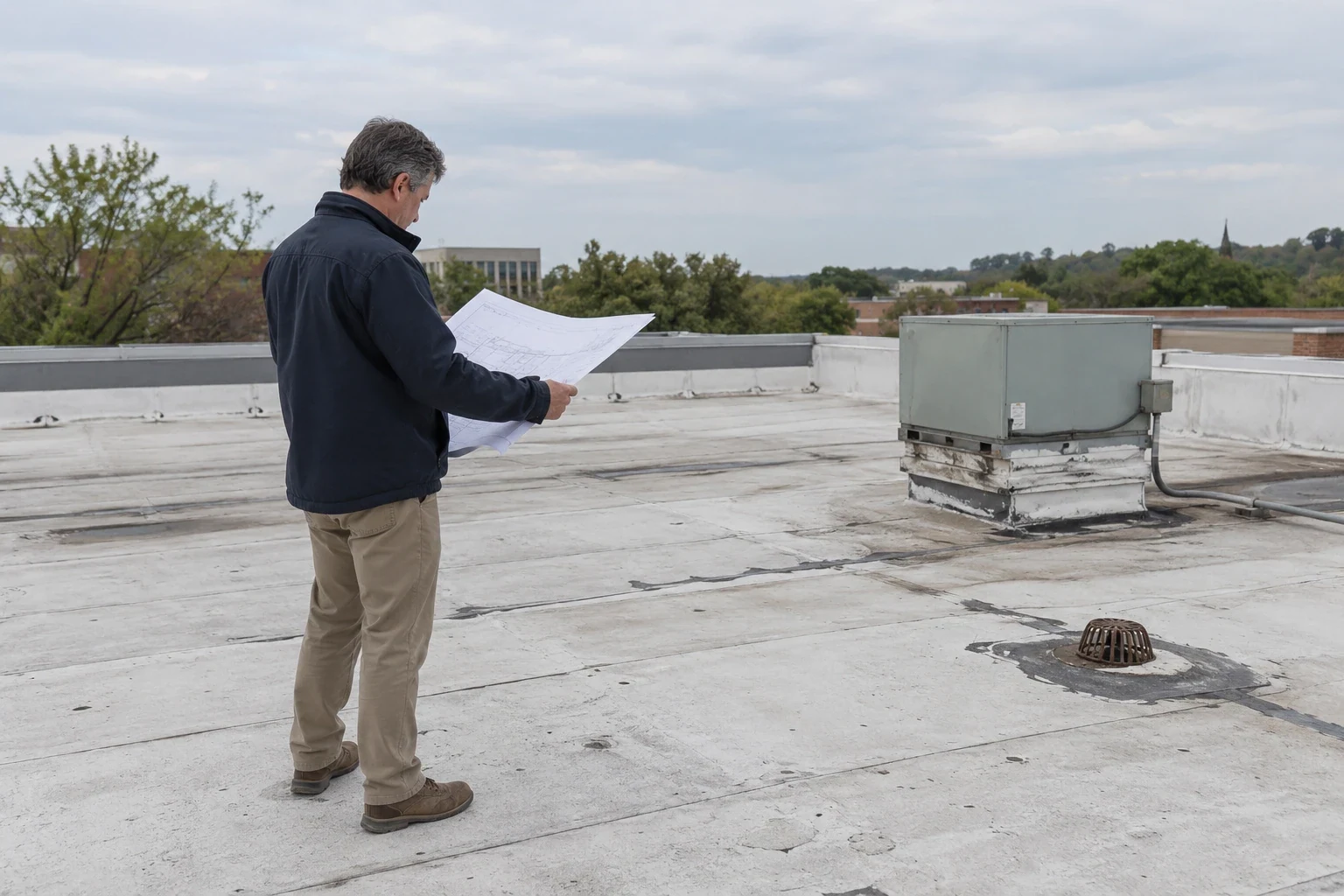
A multi-site roof program needs one record format and a building-specific next step. We inspect each property, map its roof sections, and keep repairs, access limits, and capital dates tied to the correct location. Frisco's corporate offices, mixed-use employment destinations, and business parks are distinct development contexts; Plano lists employment parks including Granite Park, Legacy, and Research/Technology Crossroads. The portfolio may share an owner, but the roofs and schedules remain separate. A roof asset register gives the team a consistent starting point.
Set a Common Record Format
We capture property name, roof-section identifiers, confirmed system features, inspection date, active leaks, repair history, access contact, and next action. Each record distinguishes visible findings from missing documents or concealed conditions. If one site has a verified assembly and another does not, the records show that difference rather than filling both fields with an assumption. The owner can sort by immediate water risk, scheduled repair, or upcoming funding decision without losing the detail behind each status.
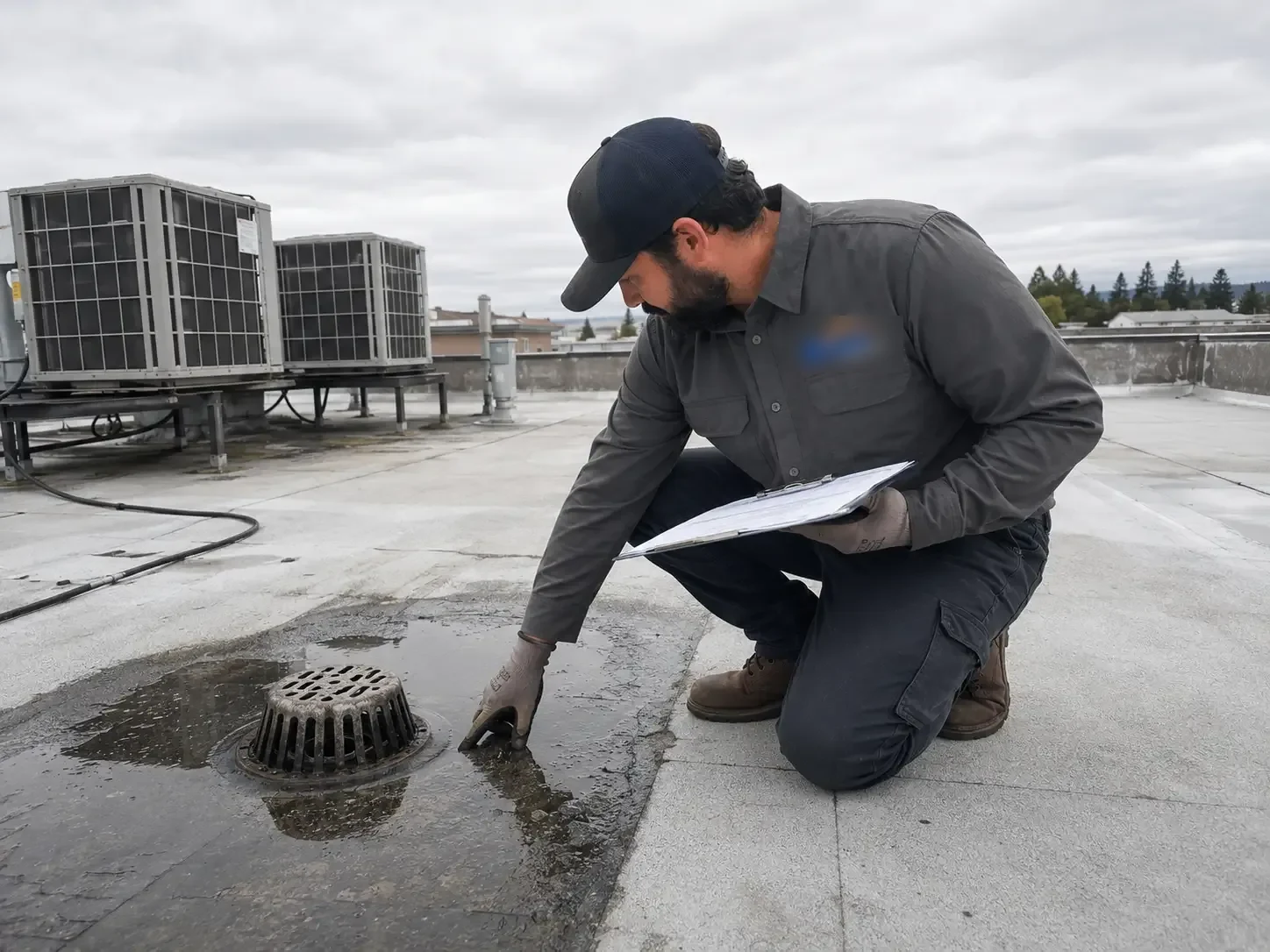
An office campus near northern Frisco and a warehouse beside a freight route call for separate occupied-hours, loading, and escort plans. Plano employment parks are also multiple properties rather than one roof condition. We confirm gate access, occupied hours, staging, and mechanical-service routes at each address. A commercial inspection supplies the observations, while the report keeps the result locatable. The roof-by-roof map keeps those findings separate.
Sequence Leaks and Repairs
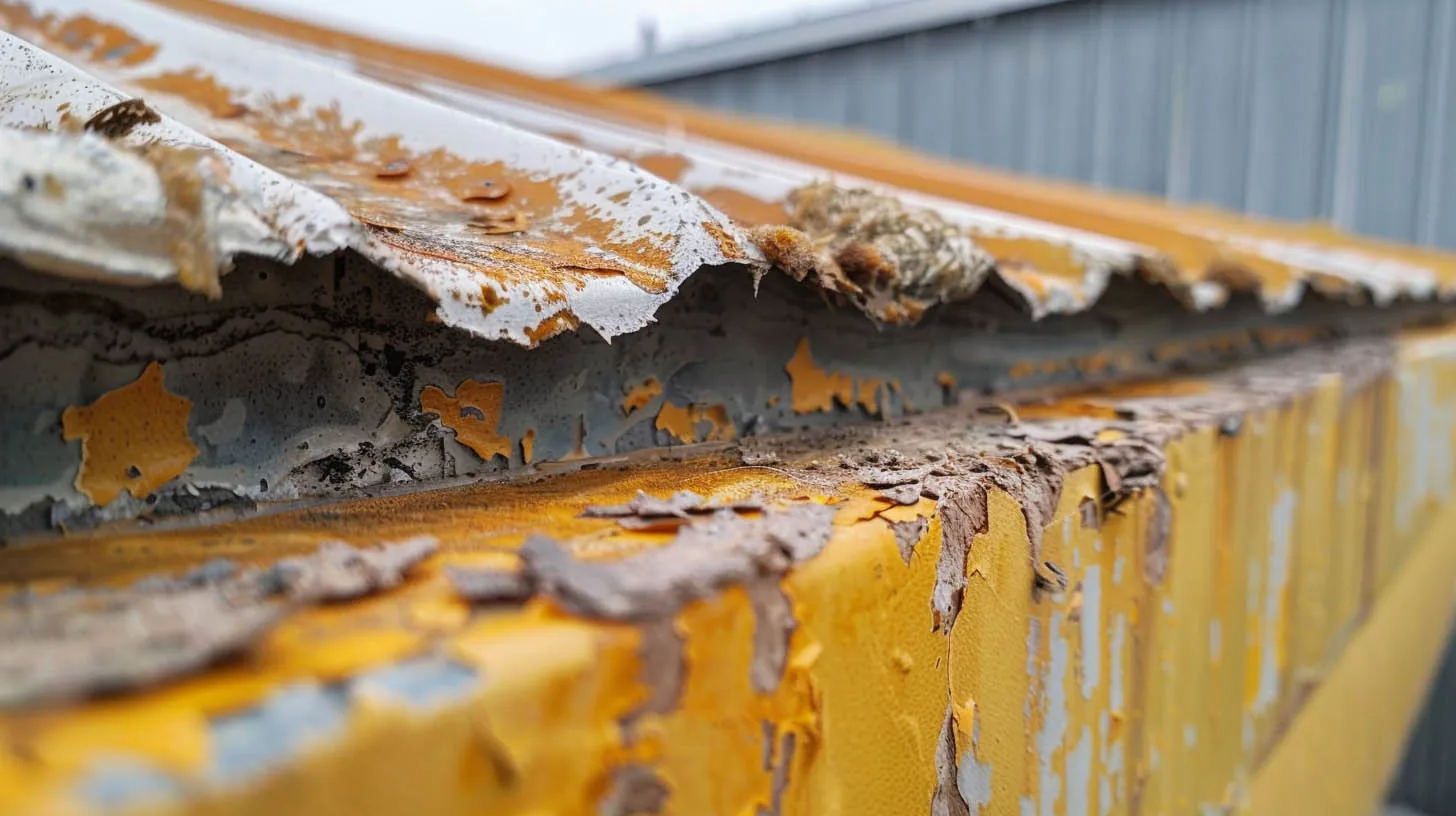
We put active water and immediate protection first, then identify bounded repairs that can fit a planned access window. A leak path, open seam, failed flashing, slow drain, or puncture calls for a different inspection and repair. Each work order lists the building, affected section, material, protection step, and approval boundary. If a test opening shows additional wet material, the crew photographs it and asks the owner before expanding removal. That keeps an urgent response from turning into an unplanned portfolio commitment.
A first-hour response can stabilize an active condition; a seam repair can be scheduled when access and weather permit. For Frisco and Plano sites, we keep the delivery route and building contact in the work record rather than assuming one property team's instructions cover the group. The owner sees which roof is ready for repair and which still needs inspection.
Plan Visits by Building Need
Inspection timing can follow roof condition, occupancy, and the next decision date. A site with recent repair work may need a focused check of the completed area, while another needs a full roof map or moisture investigation. We group nearby visits only when access, scope, and scheduling make that practical. The program records missed visits and locked sections so a portfolio dashboard does not imply coverage that did not occur.
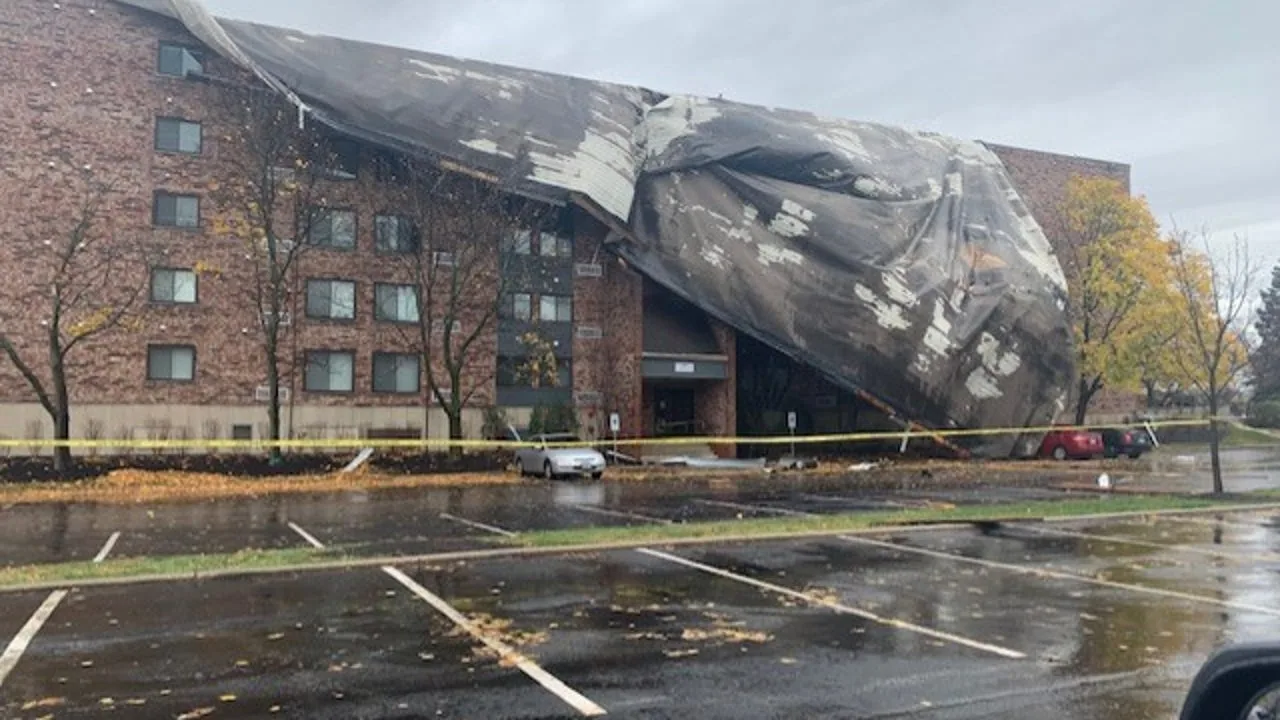
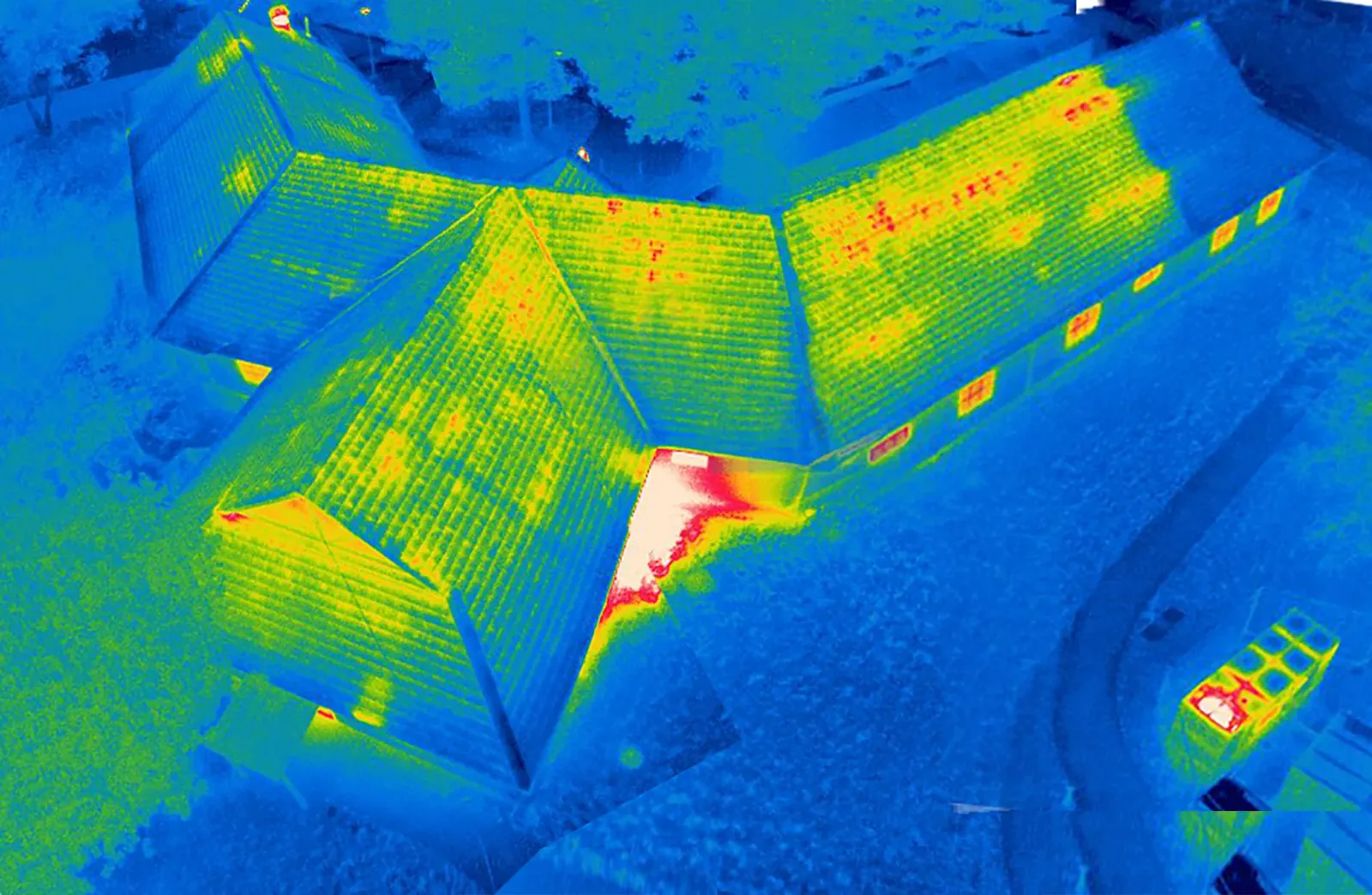
Spring brings the region's most active severe-weather period, followed by months of persistent heat. We use that seasonal pattern to arrange portfolio reviews, then use each building's inspection record to set its own priority. After a storm, we document each accessible site separately. A hail review or moisture survey can be assigned where the roof evidence supports it, with the findings stored against that property's map.
Compare Capital Dates Across the Portfolio
We give each roof a repair line, any larger alternative supported by inspection, and a date for review. Cost drivers include system type, roof height, tear-off depth, access equipment, interior protection, and operating restrictions. If ownership needs a replacement reserve, we separate a measured scope from a planning allowance that still depends on concealed conditions or permit review. That lets finance compare priorities without treating every roof as equally urgent.
A portfolio may span older storefronts near downtown and newer offices in the city's northern growth area, so access and tenant coordination require separate plans. Frisco's adopted-code schedule records a locally amended 2024 building code taking effect March 1, 2026; teams should confirm the edition and permit conditions that govern the project. We note the specific permit question for a proposed project and keep it distinct from a condition rating. A capital schedule can carry the approval date and open work into the next budget cycle. The replacement option stays linked to its own roof map and assumptions.
Keep Site Access With the Site Record
A shared program cannot use a single access plan for every building. We store roof entry instructions, escort needs, lift placement, delivery timing, tenant notices, and protected interior areas with the corresponding property. The field lead confirms those items before mobilizing and reports any change that affects work. This is especially useful when ownership, property management, and facility operations use different contacts.
Dallas Parkway and US 380 are important parts of Frisco's mobility network, but the site's own gate and truck route govern staging. In Plano, a business park may involve multiple buildings and property contacts. We verify each assignment before consolidating visits or materials. A phased occupied-building plan can set work areas and notice dates without interrupting unrelated sites in the same portfolio. The record names the person who approved each scope and the next update date.
Report Progress Without Blurring Findings
The program summary shows completed inspections, open repairs, inaccessible sections, pending approvals, and upcoming review dates. We preserve photographs and condition notes at the property level. A finding at one Frisco building does not migrate to a Plano roof because both share ownership. When a repair is complete, the closeout records the material, section, date, and any follow-up recommendation so the portfolio can distinguish a repaired defect from a broader system decision.
Ownership receives a consolidated view and the individual records needed to check each line. The next inspection can start with the prior map and compare the same details. If new water, seam movement, or a storm observation changes the condition, we update only the affected property and identify its next action. That keeps the portfolio useful for operations and budgeting without reducing the roof work to a spreadsheet label.
Commercial Roofing Questions
Can one roof program cover Frisco and Plano properties?
Yes. We can use common record fields and reporting while keeping each building's system, access, photographs, and scope separate. Nearby sites may share a visit window when logistics allow, but no roof inherits another property's condition or repair history.
How are active leaks prioritized across several buildings?
We first identify whether water is active, what space is affected, and whether temporary protection or a safe roof inspection is available. Each site receives its own repair boundary and approval point. The portfolio summary then shows the next action without hiding the building-level evidence.
What if a building cannot be accessed during the scheduled visit?
We record the missed section, reason, contact needed, and proposed return window. That visit is not counted as a completed roof inspection. The portfolio status remains open until the crew can reach the area or the owner accepts a narrower inspection scope.
How do you compare repair and replacement budgets?
We tie each number to inspected roof sections, defined work, access, and known material conditions. A replacement alternative is listed separately when repeated defects or wider deterioration support it. Hidden conditions, testing, and permit questions stay visible as assumptions rather than being folded into a single total.
What does management receive at program closeout?
We provide a consolidated status and the records behind it: maps, photographs, completed scopes, open approvals, inaccessible areas, and review dates. Each entry identifies its property and roof section, so operations can hand off an action without carrying a finding to the wrong building.