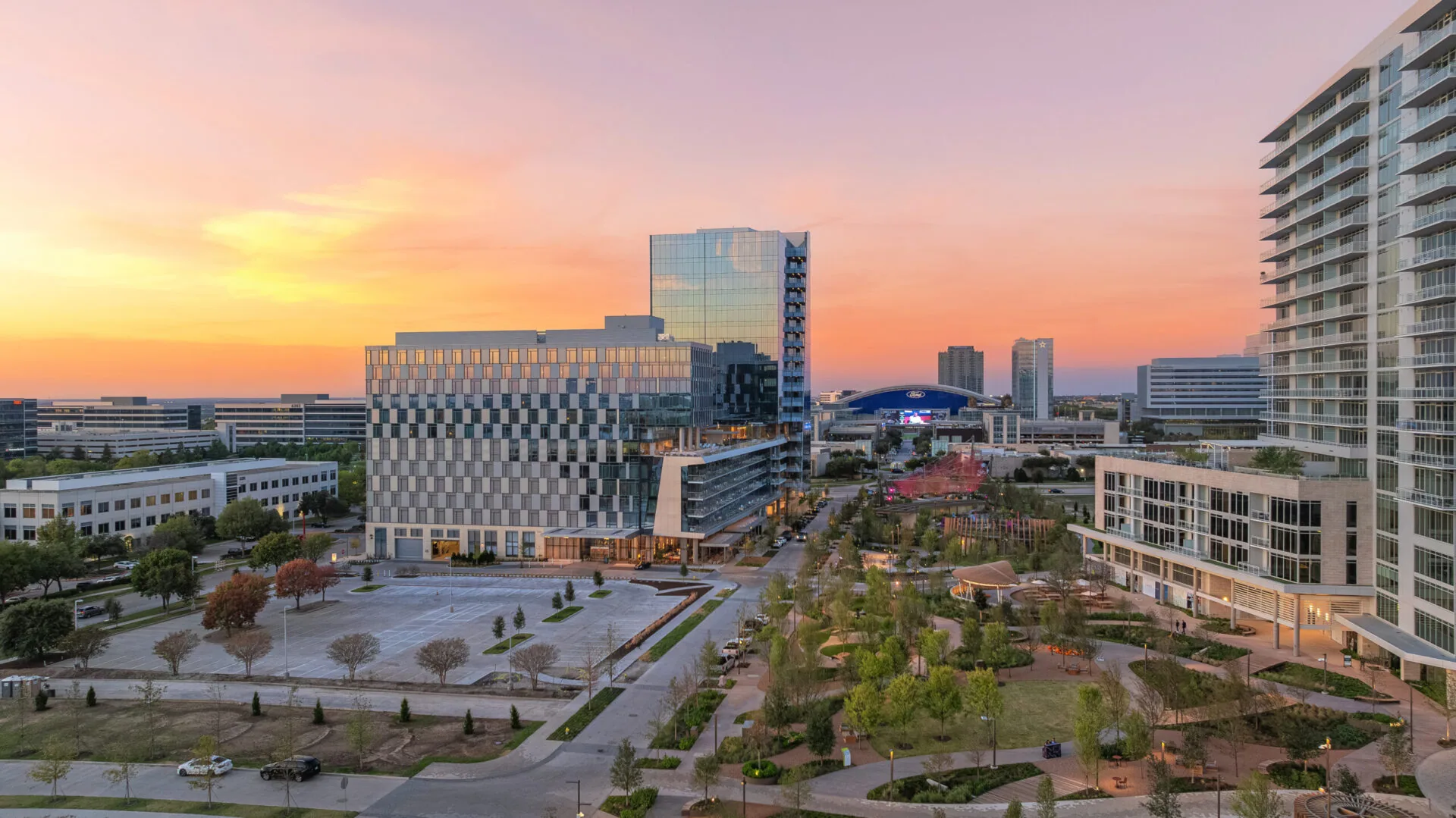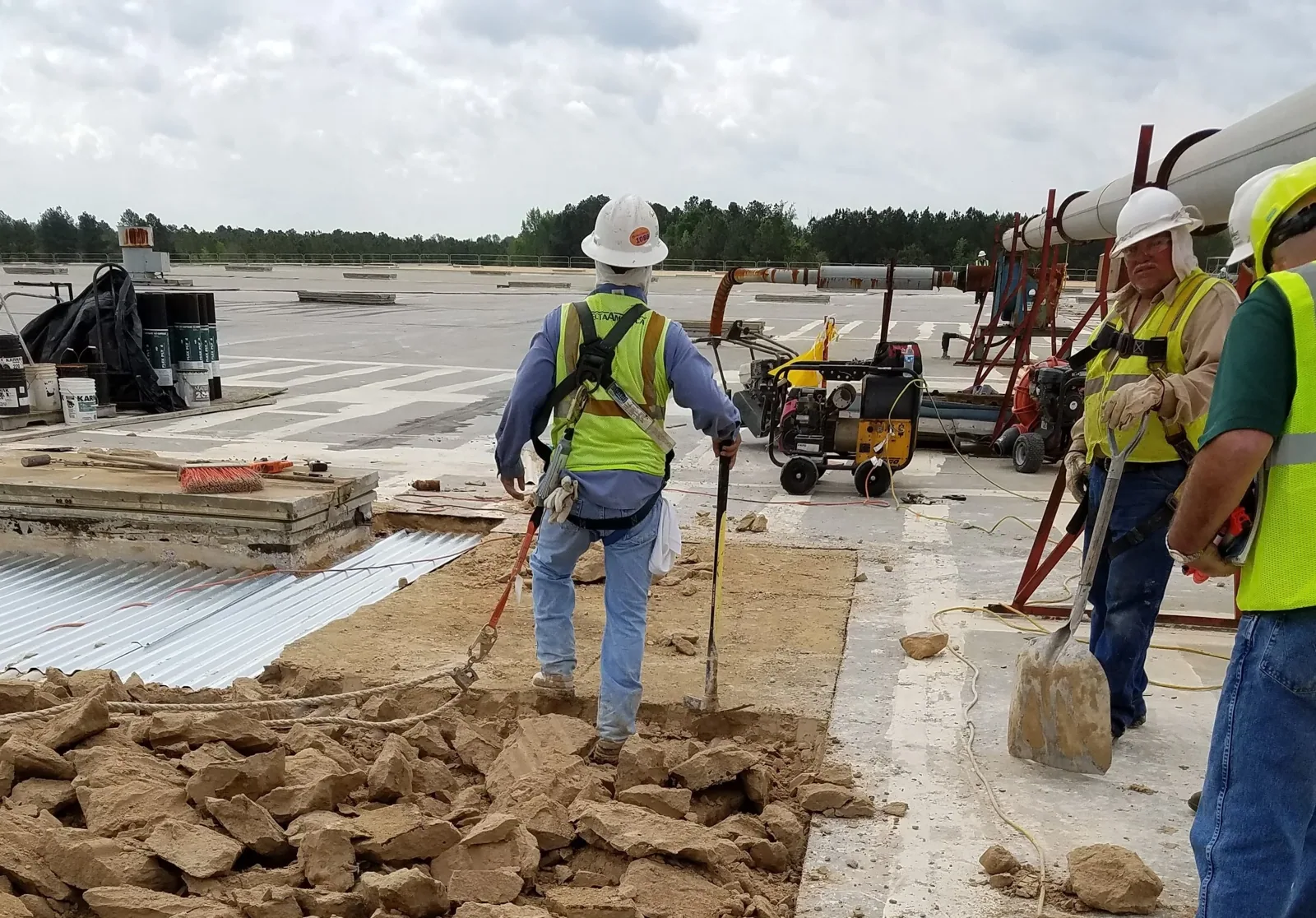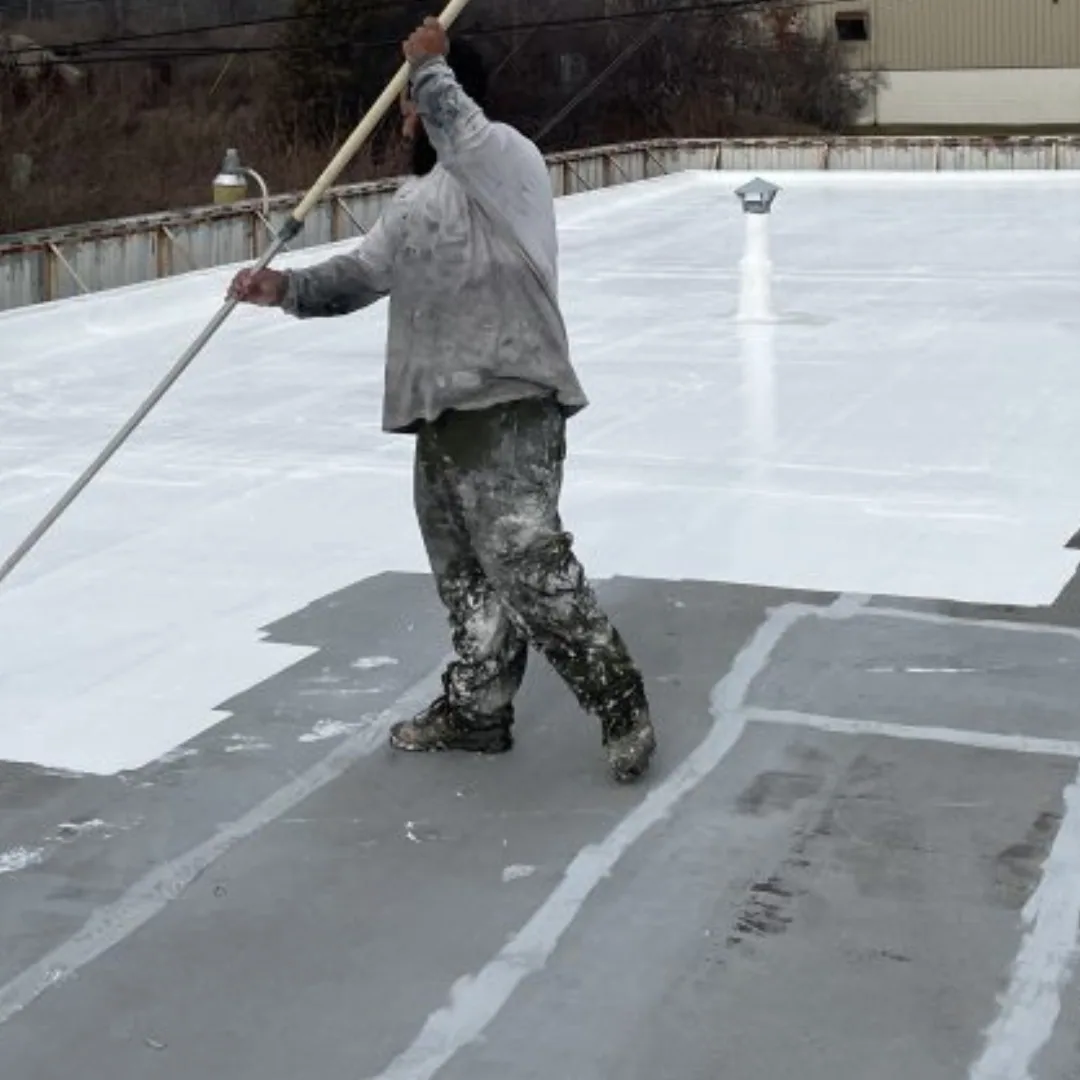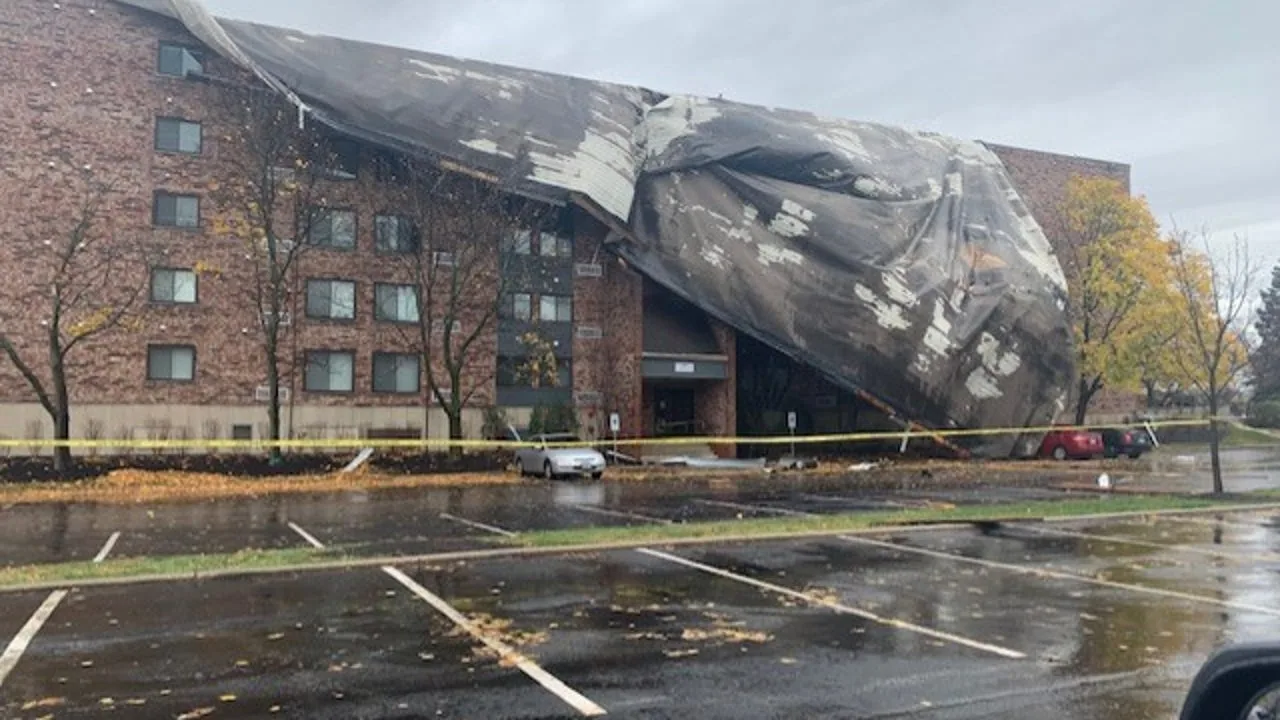
A leak report from North Platinum starts with a roof-section check and a limit for the first work. We identify the affected section, trace the water path, and record what must be protected during the first response. The corridor contains several multi-building commercial developments, so property entry, rooftop access, and occupied hours must be confirmed at each address. The roof assembly and building schedule set the repair line. We separate temporary protection from permanent work, then give the owner photographs and the next decision tied to the condition found. A Dallas Parkway corridor roof inspection can also account for delivery and approach constraints without treating a regional road as a property entrance.
Business-park planning in Frisco allows office, warehouse, distribution, and showroom forms where zoning and truck routes support them. That range makes a generic scope unreliable. We first ask which building and roof section are involved, who can approve an opening, and when occupants or deliveries need the area clear. Those answers shape staging and the stopping point for each shift. We do not assume a roof type from a district label. The condition map records visible seams, penetrations, edges, drains, and areas that need a closer test before repair or replacement is priced.
Set the First Work Boundary
At the first walk, we compare the reported leak location with the roof area above it. Water may travel from a seam, curb, edge, or drain before appearing inside. We mark the interior effect, nearby equipment, and any earlier patch, then follow the likely route on the roof. A condition that stays at one transition may support a bounded repair. A wet area that crosses several details may require testing before the owner selects a broader scope. The written record separates what we saw from what remains concealed.
In a corporate or mixed-use property, a repair zone may sit beside an occupied office, retail tenant, or shared service area. The contact identifies doors, loading paths, and hours that cannot be interrupted. We set temporary protection inside and establish where the crew can stage outside. If the active leak needs immediate attention, our emergency response remains available at any hour, then the permanent repair decision follows the documented condition. A leak-path review can keep the urgent action separate from the next spend.
Match the Assembly to the Building
Frisco's corporate sites combine office space with retail, dining, health, and other amenities. Those uses can bring different access windows even when properties share a district. We identify the membrane or metal assembly from visible material and available records, then inspect seams, flashing, fasteners, curbs, and previous repairs. A visual review has limits where layers conceal the deck or insulation. If that uncertainty could change the repair-versus-replacement call, we identify a test opening and its approval point before assigning quantities.
The downtown commercial area and North Platinum Corridor present different building contexts. A historic commercial roof may have a constrained perimeter or a sequence of additions, while a newer mixed-use property may have rooftop equipment and multiple tenants below. We confirm the actual detail rather than infer it from age or land use. A documented roof inspection records the section, observations, and access limits. Where the assembly supports restoration, a coating option can be reviewed after surface preparation and adhesion checks. Coating is not a substitute for correcting movement or concealed moisture.
Plan the Weather Window
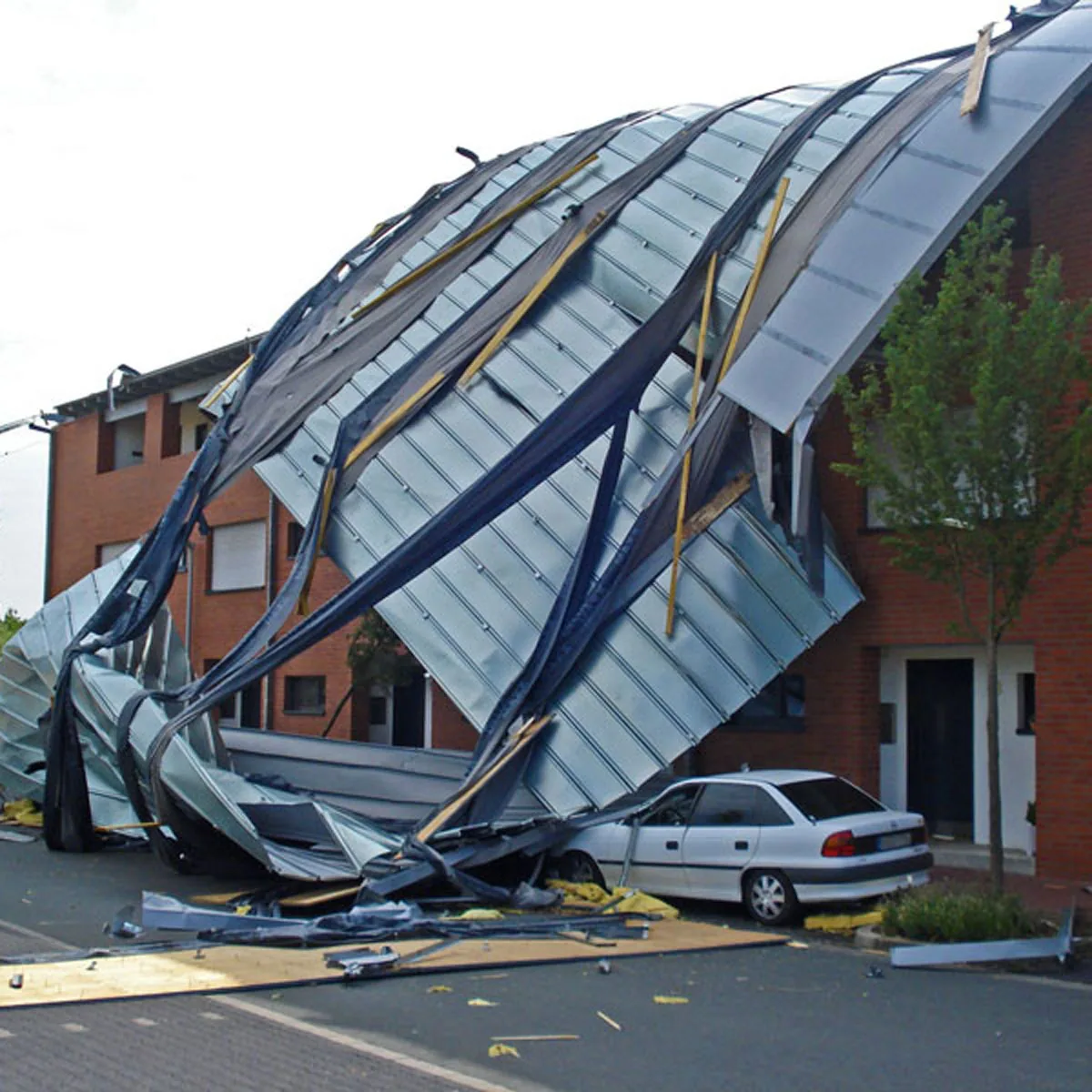
Regional records identify spring as the North Texas severe-weather peak; a storm somewhere in the Metroplex still cannot establish what happened on this roof. That regional pattern gives an owner a reason to schedule a post-storm review, not evidence that a particular roof has been struck. We inspect the edge condition, penetrations, loose metal, membrane seams, and drainage route, then note any impact that can be seen. If the roof is dry and intact, the record should say that plainly. If water entry is active, we prioritize interior protection and a repair boundary.
July and August in the DFW area bring average daily highs above 95 degrees. Heat and sun exposure can affect material handling, roof-surface movement, and the work period. We select an area that can be prepared and secured within the approved shift, and account for access to shared spaces. The owner sees where the crew will stop if weather changes. A hail-condition assessment or a wind-damage inspection records visible findings without assigning damage to a storm based on timing alone.
Coordinate Access and Staging
North Platinum is not one building with one gate. We confirm the property contact, roof access point, lift location, laydown area, delivery window, and any route reserved for tenants or emergency vehicles. Frisco's business-park planning permits several forms only where zoning and truck access allow them, so the site plan must be checked at the property. The Dallas Parkway and US 380 network helps frame regional mobility, but does not determine the approved entrance or truck route for a project.
For a repair, the crew protects the open area and keeps debris or material out of active circulation. For a replacement, the plan names the daily work zone and how each section will be dried in before shift end. A phased reroof sequence can show where tenants remain, when equipment needs shutdown, and who receives a daily update. If rooftop units or supports need work, equipment curbs and supports belong in the sequence before new membrane closes that transition.
Separate Repair from Capital Work
The proposal should identify the roof section, preparation, membrane or metal work, flashing, edge details, drainage, and disposal included. We list known quantities and call out concealed conditions that could change the work after removal. If insulation or deck damage appears, the crew protects the opening, records the area, and requests approval before extending the boundary. The owner can then compare a focused repair with a larger replacement using the same map. A roof capital plan can carry that decision into a budget date without combining unrelated areas.
Carrollton's multiple business parks and manufacturing and distribution space, along with Plano's employment parks, are nearby examples of the region's varied commercial context. Each still requires a Frisco-specific access and scope review. A property record from another municipality should not be borrowed for a North Platinum scope. A Rail District roof review starts with that property's actual assembly and access needs.
Commercial Roofing Questions
What should I send before a North Platinum roof inspection?
Start with the building name, reported leak area, any roof plans or repair records, and the access window. We use those details to identify the first section, the contact who can authorize testing, and areas that need interior protection. If a storm has just passed, photographs and the date help organize the visit, but the roof findings determine the scope.
How do you decide whether to repair or replace a commercial roof?
The decision follows the condition map, assembly, extent of wet material, repair history, and the details that can be reached. A bounded failure may support repair when adjacent seams and transitions remain sound. Widespread moisture, unstable attachment, or repeated failures may justify a replacement comparison. We identify testing and concealed conditions that could change the recommendation before pricing a broader boundary.
Can roof work continue while office or retail tenants are open?
The schedule can be divided by roof section, access point, and occupied hours when the work can be isolated safely. We coordinate staging, entrances, noise-sensitive periods, rooftop equipment, and daily dry-in limits with the property contact. If a lift or delivery route would block an essential path, the work plan identifies another window before mobilization.
What changes the timing of a roof repair in Frisco?
Access approvals, weather, roof height, assembly layers, staging, and the time needed to protect occupied areas all affect timing. A test opening or concealed deck condition can add a decision step. We show the first work area, the stop point for each shift, and the approval needed to expand the repair so the owner can plan around an operating building.