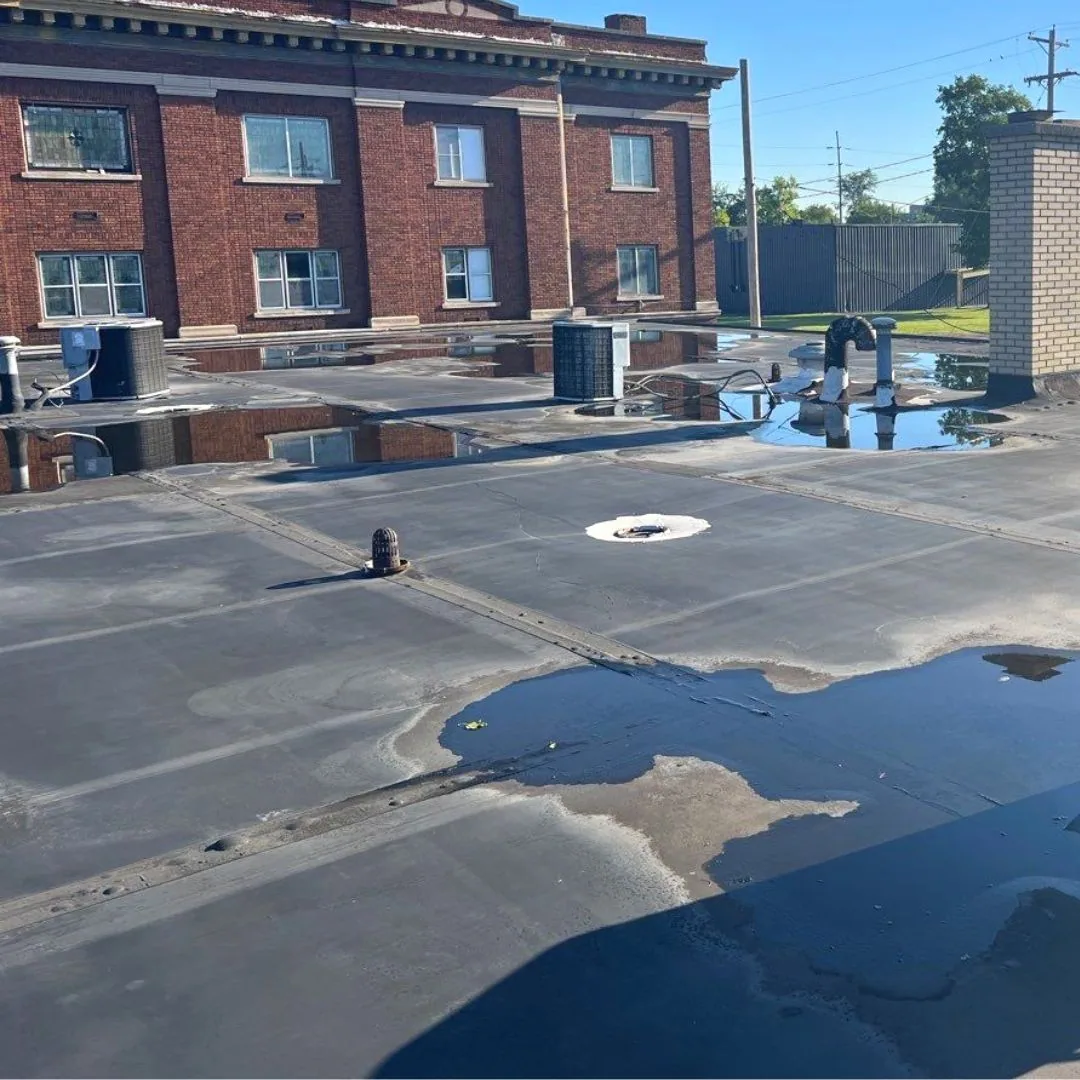
A wind report needs a roof-side check before an owner authorizes a broad replacement. We secure active openings, protect the interior, and record the section where metal, membrane, or flashing moved. DFW spring is the region's wettest severe-weather season, and damaging wind occurs somewhere in the Metroplex nearly every year, but the regional pattern does not show what happened at a Frisco property. A building in the North Platinum Corridor and a storefront in the Rail District can have different edge details and access routes. We inspect those conditions at the building, not from the event label. A North Platinum roof review starts with the reported edge, rooftop equipment, and safe access window.
Secure Openings before Measuring the Repair
If water is entering, we cover the interior area and set a temporary dry-in before moving to permanent materials. The crew identifies loose coping, lifted edge metal, displaced flashing, split membrane, and any opening around a curb or penetration. We photograph each item beside a roof-section reference so the owner can compare the field condition with the repair line. Our around-the-clock response can address active water entry while the property team arranges access and approval.
Wind can loosen debris or shift nearby equipment without creating the same repair at every roof edge. We inspect the reported side and adjacent transitions, then mark what was checked and what remains inaccessible. If rain follows, the open section needs a secure stop point and a call contact. A targeted roof repair lists preparation, attachment, flashing, and closeout separately from temporary cover. The status note names who accepted that protection and which repair decision remains pending.
Trace the Perimeter and Nearby Details
Wind exposure can test a roof edge, but the attachment and condition determine whether a repair is needed. We check perimeter metal, fasteners, terminations, corners, parapet transitions, and the membrane field close to the reported movement. A loose edge may be isolated, or the condition may extend beyond one section. We do not use a visual impression of the storm to select replacement; the scope follows the material and fastening evidence present on the roof. At corners and perimeter transitions, we check the attachment pattern and look for movement that could lift adjacent flashing. If wind displaced a rooftop panel or accessory, we document the condition and ask the owner to coordinate its service before repair closes the area.
Frisco's mobility network includes Dallas Parkway and US 380, while the property determines the gate, lift position, and hatch the crew may use. We mark those points beside the observed edge movement and specify which tenant path must remain clear. The inspection record ties access to the roof map; a phased work plan identifies when that section can reopen after the repair is checked.
Follow Water to the Roof Opening
A ceiling stain after wind may come from a displaced flashing transition, a split seam, an open curb, or a separate drainage issue. We inspect the interior mark and the roof above it, then trace nearby water paths before pricing a permanent correction. Water can travel along deck flutes or insulation joints, so the visible drip does not automatically identify the entry point. The report states what was observed, where moisture was found, and whether a test opening is needed to decide the repair boundary.
Frisco's Rail District has older downtown commercial buildings, while North Platinum includes larger multi-property development. Those contexts can change roof access and occupied hours, not the cause of a leak. A flashing failure review can focus on a curb, wall, or edge transition. If seams are open, the seam repair scope names the affected lap and the method used to restore it.
Set the Return Visit around Weather and Access
In the DFW climate record, July and August daily highs average 95.6°F and 95.8°F, and spring is the region's wettest severe-weather stretch. The seasonal facts influence when exposed work can be prepared and closed, but they do not tell us which edge a wind event affected. We compare the reported date with fastener movement, lifted metal, a displaced termination, or an open lap. The return visit records the same roof coordinates and conditions after drying, making any change visible without reading a regional pattern as a diagnosis.
The site contact helps set the lift route, delivery time, and open hours. A business near US 380 may have a different truck approach than a Rail District storefront, and a service entrance still needs confirmation. If the owner reports hail with wind, a hail condition check can be recorded separately from wind-related perimeter work. This keeps each observed condition tied to a roof section and approval line.
Compare a Confirmed Repair with Capital Work
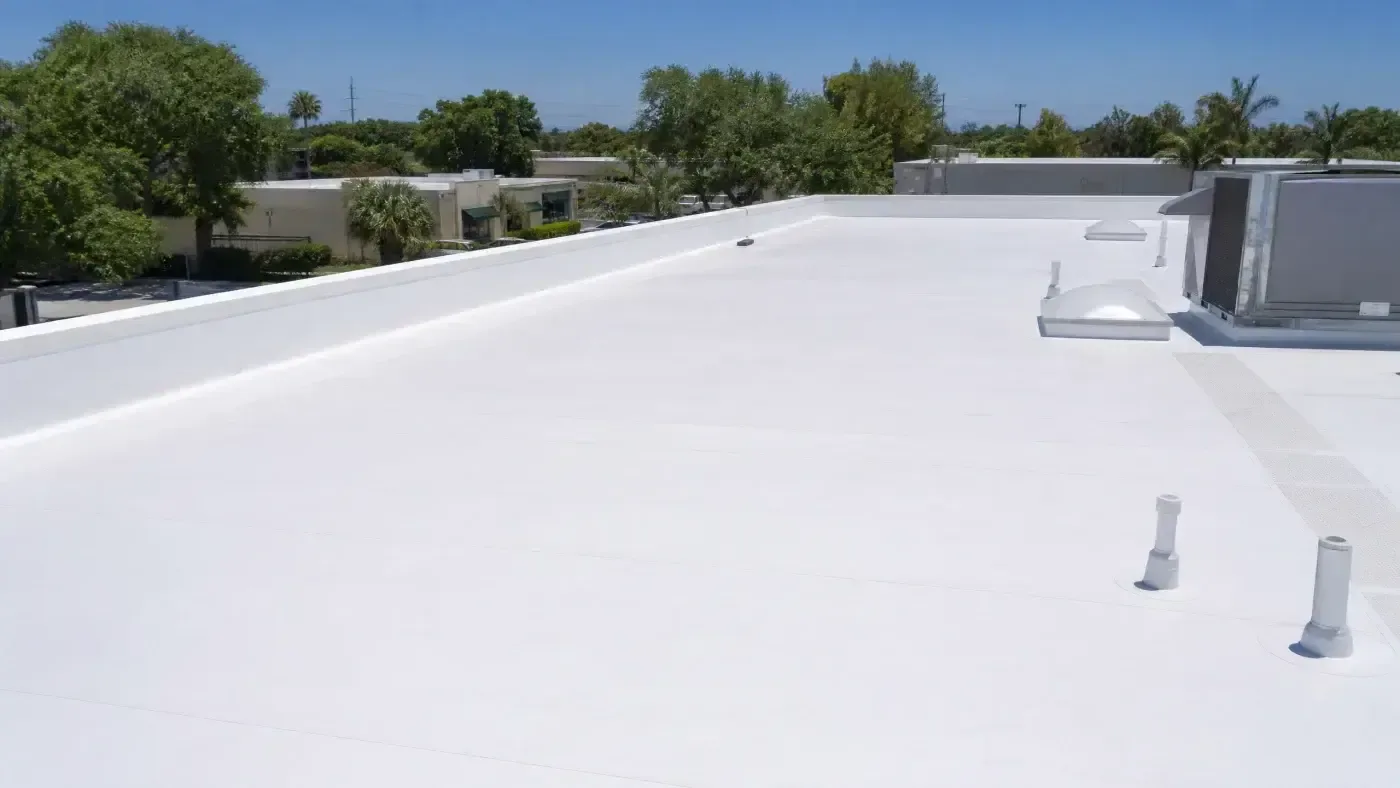
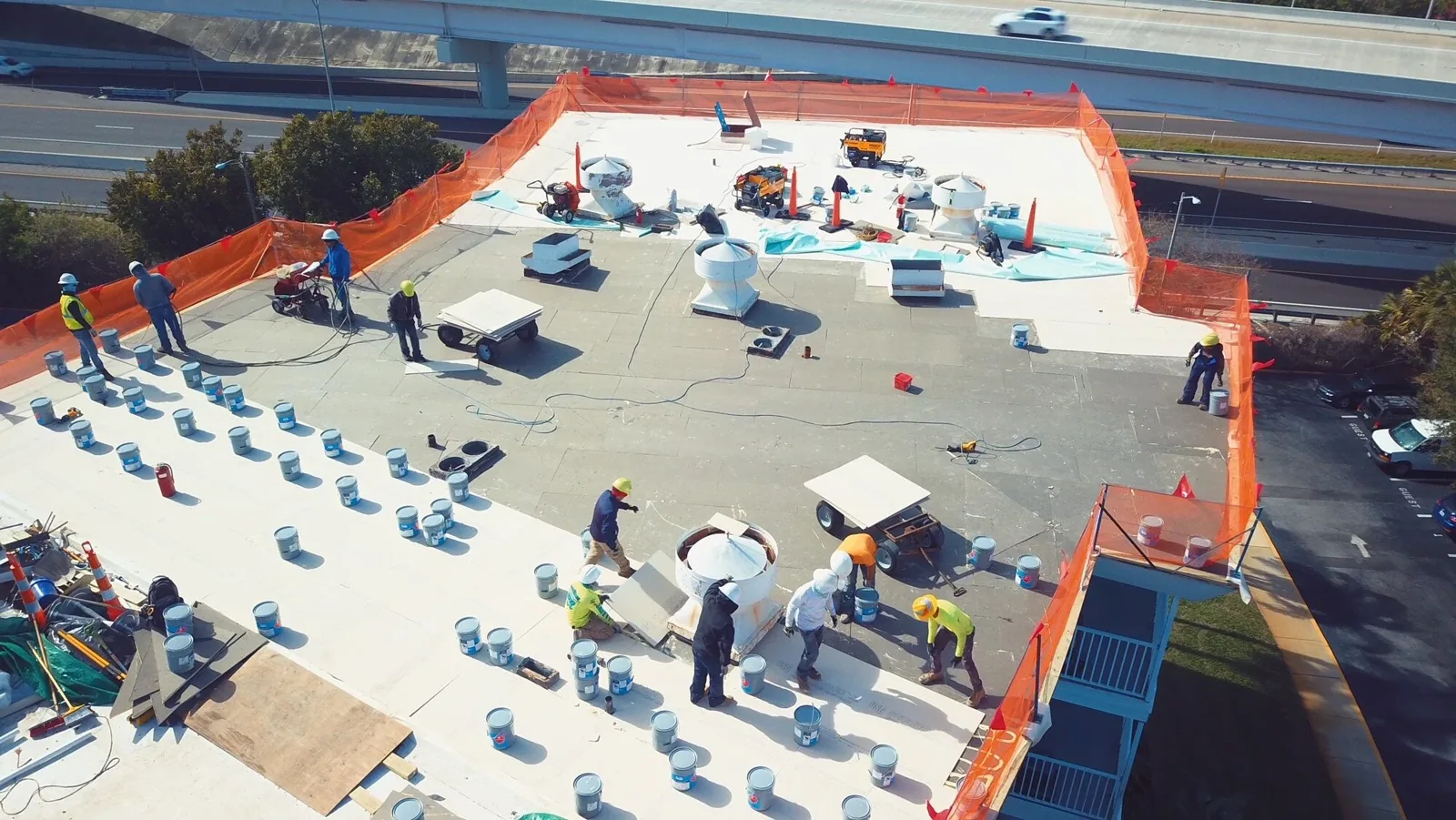
A contained edge repair may be appropriate when attachment and surrounding membrane remain sound. If the field, insulation, or deck shows broader deterioration, we identify the additional test or removal that could support a larger scope. The estimate separates temporary protection, permanent repair, and replacement so the owner can see what each cost addresses. A coating or recover option should follow an assembly and moisture review rather than serve as a shortcut around wind damage.
At closeout, we provide photographs, materials, repaired locations, remaining questions, and the next recommended check. A condition report can carry the map into the next capital meeting. The Frisco corridor context explains access and building use, but the decision stays tied to the roof itself. The owner receives a repair boundary, approval request for concealed conditions, and a date for any needed follow-up. If the budget review requires alternatives, we show which section is ready for repair, which one needs additional testing, and what access or weather window each option assumes. That keeps an inspection finding from becoming an unbounded capital allowance.
Commercial Roofing Questions
What should we do first if wind pulls roof material loose?
Keep people away from the area below, report active water, and provide the site contact who can arrange roof access. We can protect an opening, photograph displaced material, and check adjacent transitions. The first note separates temporary dry-in from permanent work and identifies any area that remains unsafe or unverified.
Does a severe-weather warning prove the roof was damaged?
No. Regional reports help establish timing, not the condition of an individual building. We inspect the reported roof section, document metal or membrane movement, and compare interior water paths with roof-side findings. The repair recommendation follows visible evidence and any approved test rather than the warning alone.
Can only one roof edge need repair after wind?
Yes. Damage can be limited to one section, but the nearby corners, fasteners, terminations, and membrane field still need a check. We record the boundary inspected and identify any adjacent area that was inaccessible. A localized repair remains separate from replacement unless the surrounding assembly supports a broader scope.
How quickly can you stop an active leak after a wind event?
We respond around the clock to active water entry and can set temporary protection once access and safe conditions are confirmed. The permanent repair may need a dry work window or an approval for concealed conditions. We tell the property contact what is secured and when the next roof-side decision is due.
What does a wind damage report include?
It can include dated photographs, roof-section labels, the reported event date, observed openings or movement, temporary protection, and recommended repair steps. We separate confirmed conditions from items that need testing. That gives the owner a scope to review and a record for a later inspection or claim discussion.