A roof opening above critical equipment needs a shutdown boundary before tear-off begins. We map the affected zone, interior access, rooftop units, drains, and required work window with the facility contact, then decide how much roof can be opened and secured in one shift. Frisco has a technology and entrepreneurship cluster. North Platinum includes corporate and mixed-use projects across several properties; that broader context does not establish this facility's equipment or security procedures. We verify the building's own access rules and roof records before preparing a scope. The owner receives the inspection map, temporary protection line, and open questions that need approval before the crew reaches a controlled roof area. That first map also separates roof work from controls, cooling, and power systems the roofing crew does not operate.
Define the Critical Zone Before the First Opening
The facility team identifies rooms and systems that cannot accept water, debris, noise, or an unplanned access change. We compare that map with roof drains, penetrations, seams, equipment curbs, and the reported leak path. If the roof area sits over a sensitive room, the owner may ask for a smaller section, an interior watch, or a particular shift. The scope states the stopping point and who can authorize additional work if removal reveals wet insulation or damaged deck.
Data-center operations often rely on restricted access procedures, so the project contact confirms which employees, escorts, vehicles, tools, and photographs are allowed. We submit the requested worker and delivery details through the approved channel, confirm where material can be staged, and keep the roof route separate from building security controls. A commercial roof inspection records the existing condition and work boundary. If a leak is active, temporary leak protection can be scoped before the permanent repair or replacement decision.
Keep Units, Supports, and Service Clearances Visible
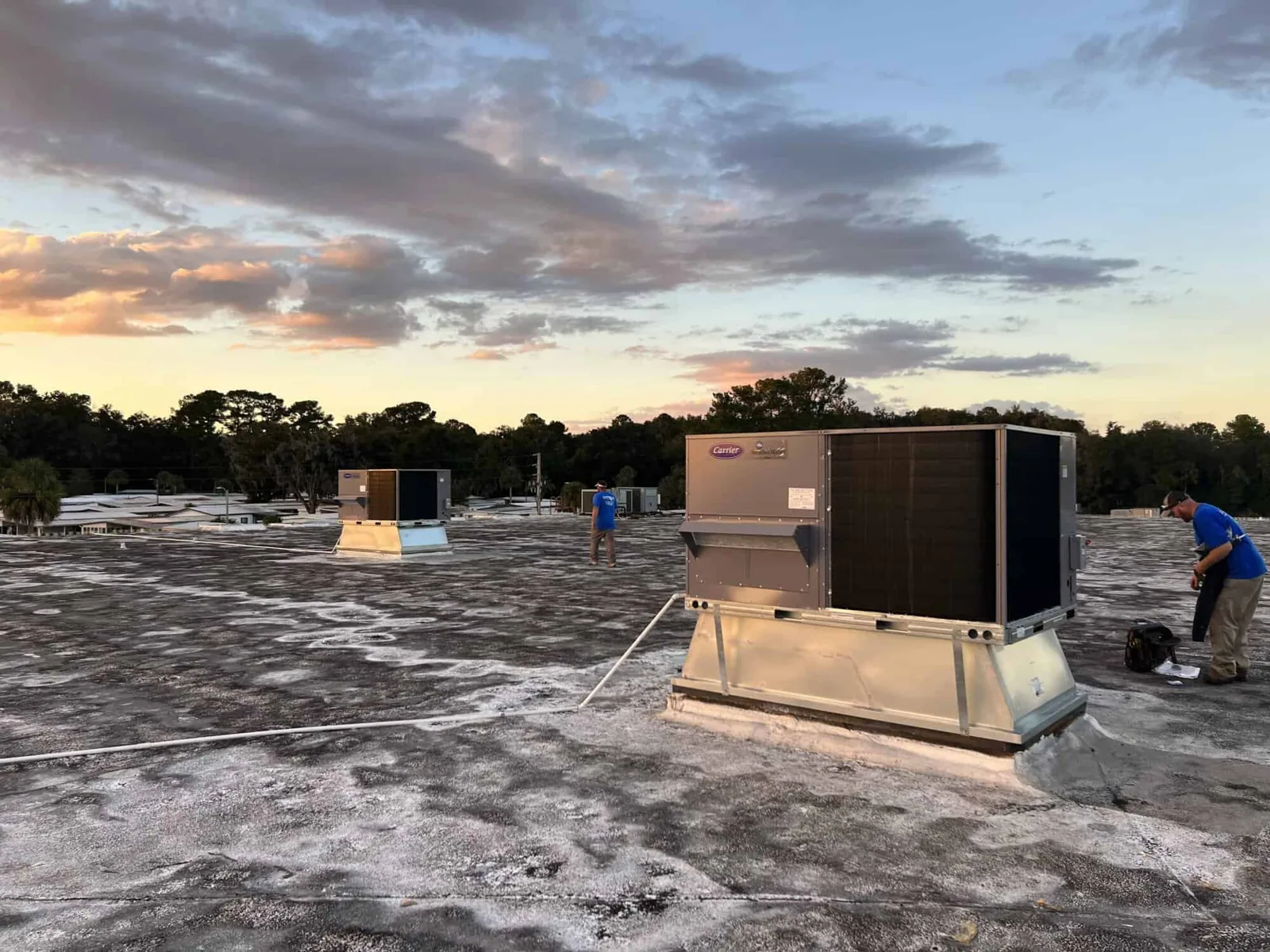
Cooling equipment, electrical supports, conduit, and pipe stands interrupt the roof field. We identify each curb and penetration, inspect the flashing and nearby membrane, and mark service clearances that must remain available after work. The engineer or mechanical contractor confirms whether a unit can be isolated or must stay in operation. The roofing documents name who handles lifting, disconnecting, support changes, and restart checks. A curb detail should not be covered until the trade boundary and final flashing inspection are clear.
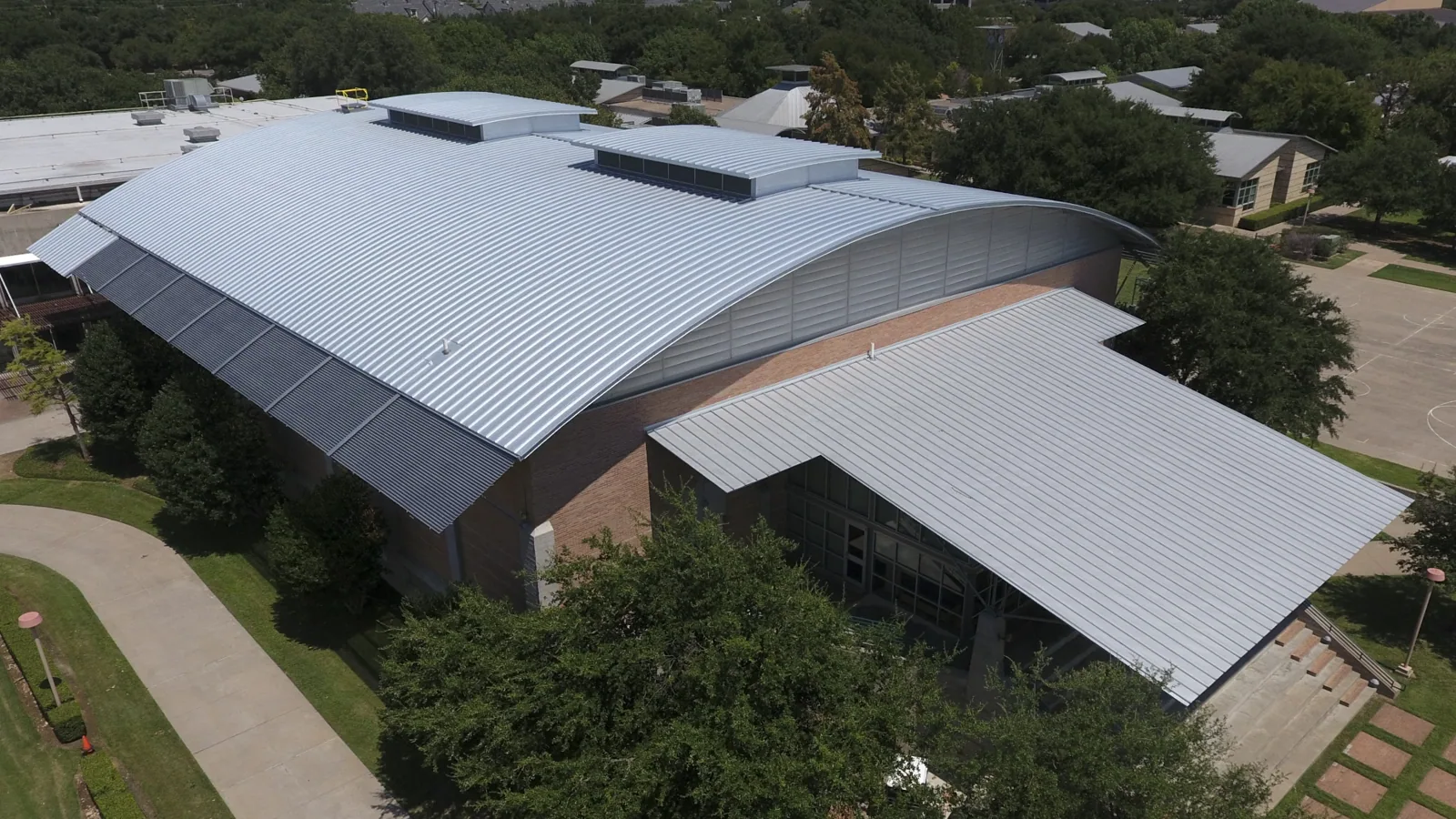
We also check whether a proposed recover changes curb height, drain extensions, or access around rooftop equipment. A curb and support review can identify the transition work. If a replacement is planned, the assembly scope lists layers, attachment, edge metal, and details at equipment zones. If one owner also manages a medical-office roof, we keep that site's uptime and access decision in a separate file.
Plan Deliveries for the Approved Frisco Route
Dallas Parkway and US 380 connect Frisco's mobility network; Dallas North Tollway work has included frontage roads, bridges, ramps, and intersections between SH 121 and US 380. Those city corridors help frame a delivery conversation, but they do not identify the gate, loading area, or permitted truck route for a specific data center. The facility contact provides the approved approach, escort instructions, staging area, and any delivery window. We confirm those details before a crane, membrane, or tear-off container is scheduled.
North Platinum includes multiple corporate and mixed-use properties; for this roof project, the facility team still designates the approved gate, escort, and staging point. At a facility in that broader area, multiple tenants or property contacts can affect access; we still work from the assigned project sponsor and the roof map. We set delivery and debris routes that avoid controlled entrances and keep emergency access clear. A North Platinum commercial-area plan can provide context for the local service area while the building team controls all site permissions. We record route changes before mobilization so dispatch does not assume a prior visit or clearance.
Protect the Roof Through Heat and Storm Changes
DFW records 95.6°F and 95.8°F as the normal July and August highs; server cooling does not remove direct heat from the roof surface or determine a safe repair window. Product application limits and roof-surface conditions can shorten the safe installation window, so we size the open area to the available shift and secure it before equipment service or operations resume. In DFW, spring is the wettest and most active severe-weather season; confirm the roof condition before attributing a raised moisture alarm to storm exposure. Those regional conditions make a dry-in and weather check part of the sequence; they do not establish a strike or leak at a particular facility.
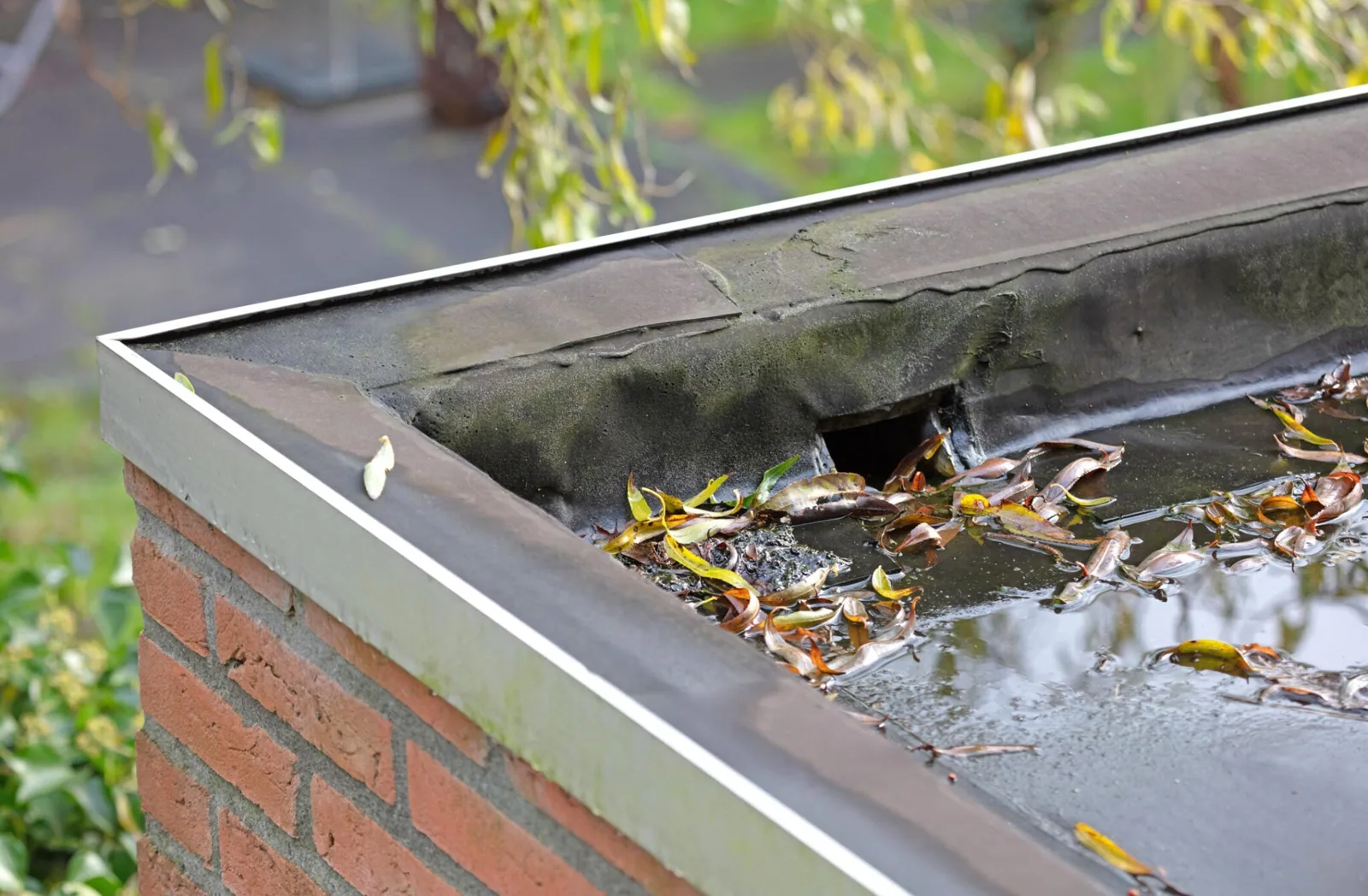
We locate the drain bowls, overflow paths, and seams around each section before adding new material. The crew stages temporary protection, records the stopping point, and leaves the roof secure if weather or access rules change. If an inspection follows a regional warning, the facility can use dated photographs and maintenance logs to identify where to look; the roof condition itself must be confirmed. A drainage review can separate outlet changes from the roof-field scope. For an occupied critical site, a phased reroof sequence assigns each daily work zone and the sign-off needed before the next section opens.
Preserve the Roof Record for the Next Change Window
The owner should retain the roof assembly, photos, repair map, penetration details, warranty information, and maintenance recommendations with facility records. We identify any test still needed and any work assigned to a mechanical or electrical trade. If a concealed condition changes the price or schedule, the change request ties it to the affected roof section and approved work window. That record supports later maintenance without claiming that unrelated equipment or building systems were inspected. The handoff can also list the crew's last secured boundary and the person who accepted that condition.
Frisco's corporate and technology context includes a range of employment settings, and North Platinum describes multi-building development. Neither gives a roof type or operational standard for a particular property. We base closeout on the installed assembly and agreed acceptance checklist. A photo condition report can preserve the repair boundary; warranty records can keep obligations and service history organized. For a separate warehouse roof, the record may focus on different interior risks and access windows. The decision package returns the next spend, open item, and inspection date to the facility owner.
Commercial Roofing Questions
Can roof work happen without interrupting data-center operations?
A phased scope may keep operations running when the facility can isolate the work zone, maintain approved access, and accept the planned noise and weather protection. The operator sets critical limits. We map the roof section and daily closure point, then confirm any shutdown or escort window before tear-off starts.
How is rooftop cooling equipment handled during reroofing?
The mechanical lead identifies units that must stay active, be isolated, or be lifted. We mark curbs and flashing on the roof plan and assign each connection to a trade. The facility contact approves the shutdown and restart process so equipment is not moved under an assumed sequence.
What happens if the roof needs work outside an approved window?
We secure the section, document the condition, and send the issue to the project contact for a decision. The change request states the added work, access requirement, and schedule effect. No new roof area is opened until the owner confirms a workable window and scope.
Which records belong in a data-center roof handoff?
Retain the assembly description, photos, drains and penetration map, repair record, warranty documents, and the agreed inspection checklist. We note any item reserved for another trade and any open observation. The facility team can connect those records to its access and maintenance procedures.