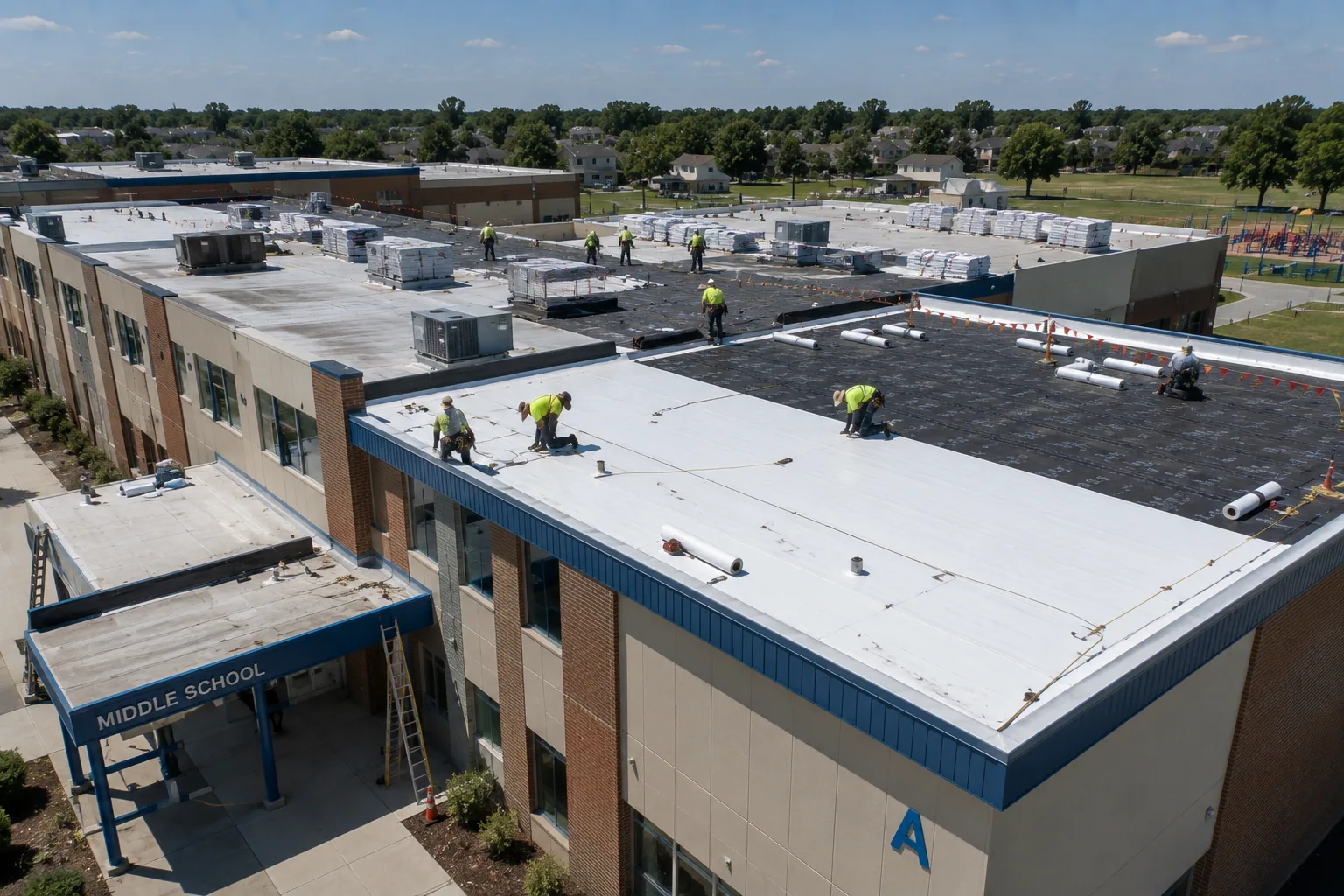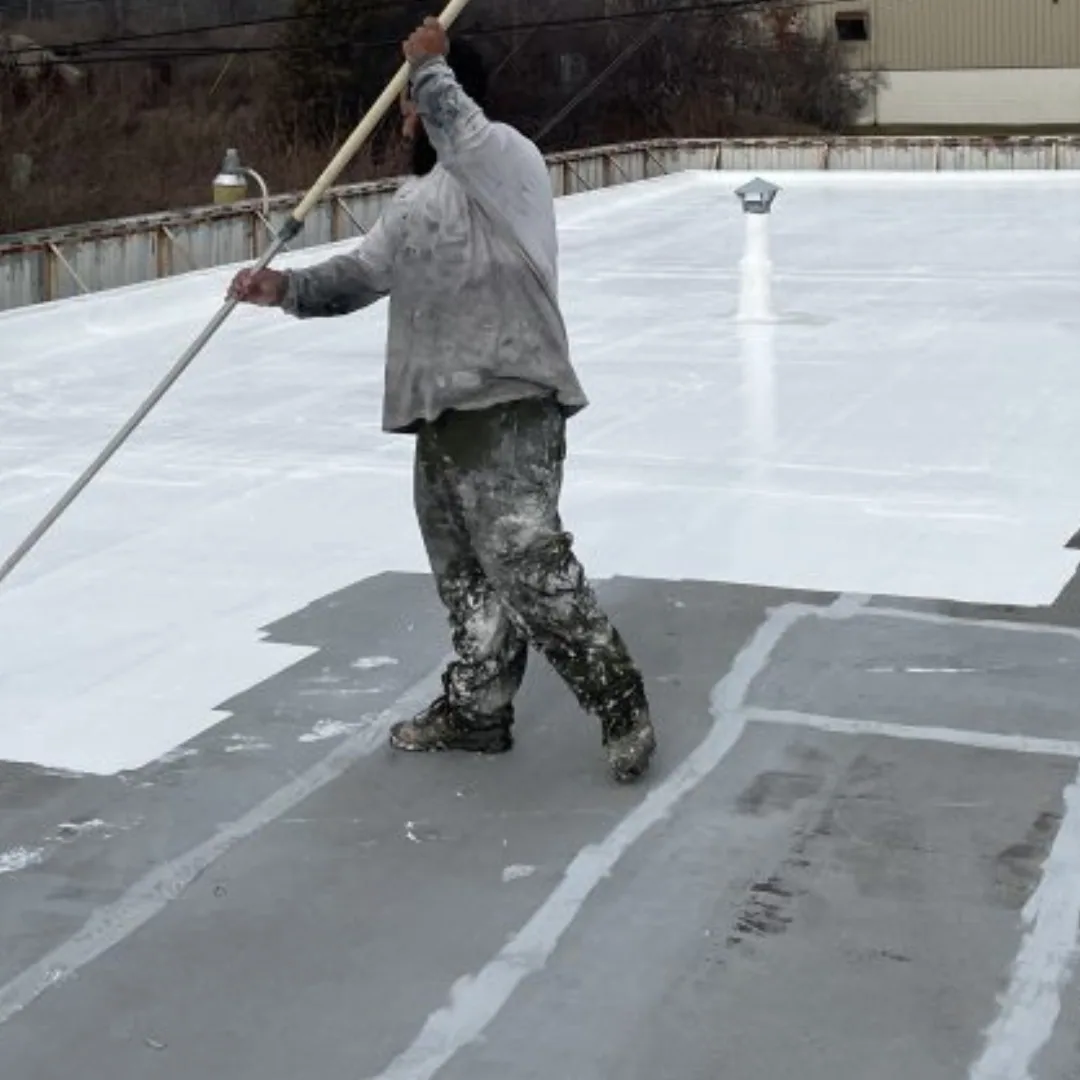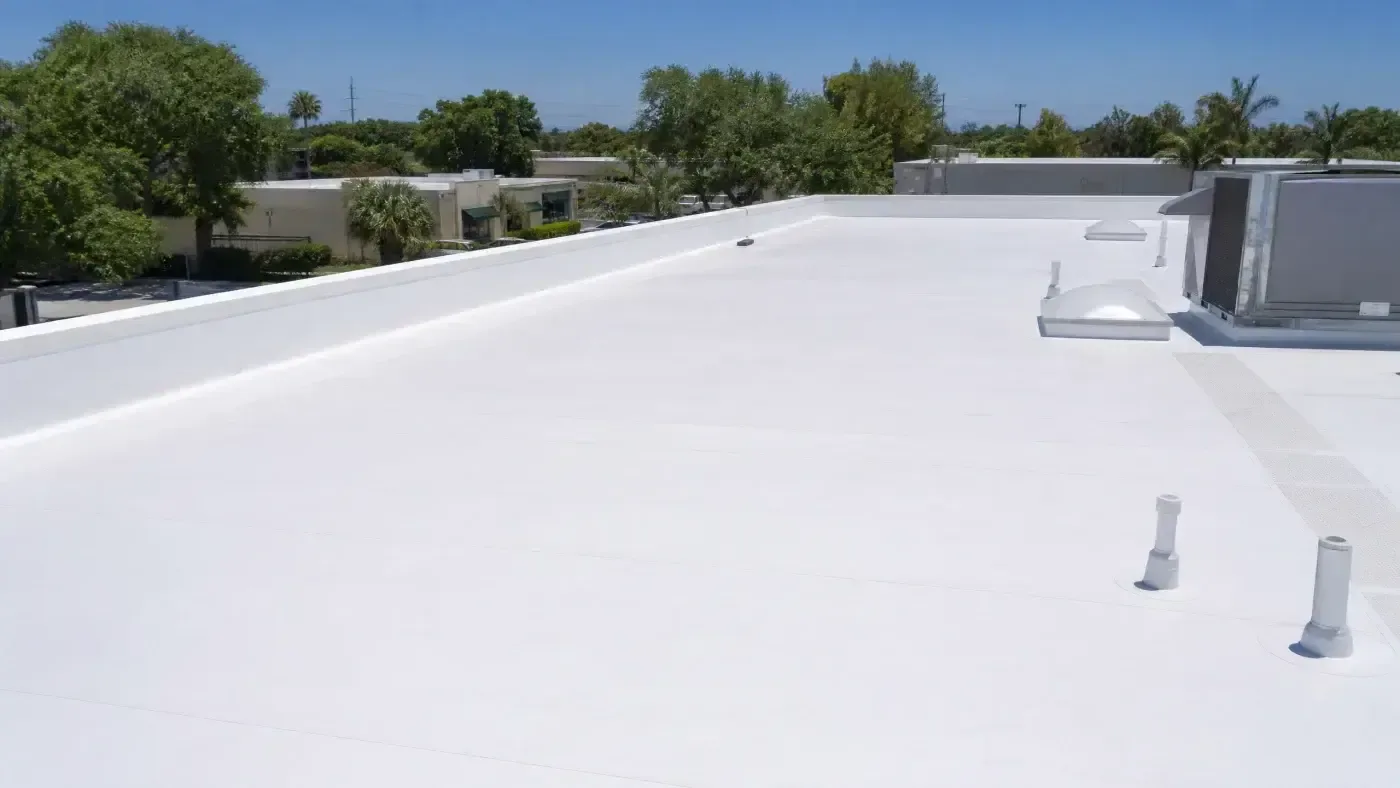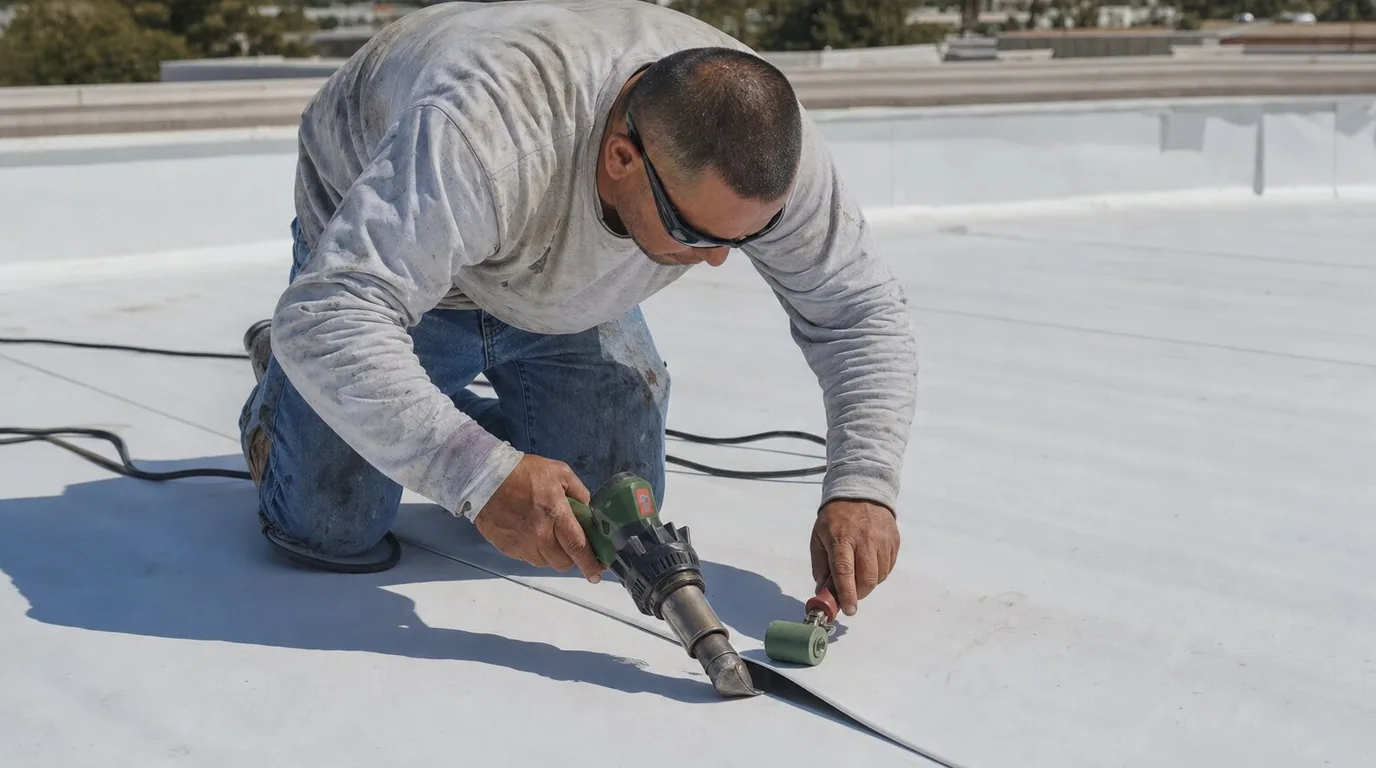
Water remaining on a roof needs a traced path before anyone changes the drain. In Frisco, TX, we check the bowl, strainer, overflow, scupper, cricket, and surrounding membrane, then mark where water slows or turns away. The 1991 to 2020 DFW precipitation normal is 37.01 inches per year; the May average is 4.78 inches. These regional values provide context, while the measured slope and outlet condition determine a roof's drainage performance. That regional measure supports a practical drainage review, but the roof elevation and outlet condition decide the work. The Rail District's storefront roofs and a North Platinum office may have different access constraints. We sketch the path, identify whether the issue is debris, a raised drain, or low slope, and separate the repair line from larger roof work. A roof inspection helps connect the outlet to the surrounding assembly.
Inspect the Outlet Before Changing Elevation
We clear accessible debris within scope, inspect the strainer and bowl, and check how the membrane meets the drain. A loose clamping ring, cracked flange, or restricted outlet calls for different work than an undersized slope area. We also inspect the overflow path so it remains available if the primary drain slows. The notes identify what was visible and whether a test or opening is needed to assess concealed conditions. A drain replacement should not proceed until the owner sees how the new connection will tie into the existing membrane and roof deck.
Frisco's downtown plan recognizes the Rail District as historic downtown and a focus of reinvestment. On a storefront roof, interior use and access may limit where a crew can stage tools or open a drain connection. The Original Town commercial district adds another district-scale reference for planning, not a substitute for examining each building. We confirm the roof's actual drain locations, overflow points, and access route before pricing labor or material.
Trace Where the Roof Sends Runoff
A drain can be open while water still misses it. We follow the roof plane from high points to the outlet and note depressions, counter-slopes, blocked channels, and areas where a cricket may help. A tapered system can improve flow when the deck and perimeter elevations support the change. If the low point is structural or a deck deflection is present, surface material alone may not solve it. Our sketch shows the water path and identifies any area that requires another measurement before the scope is approved.
Frisco's city network identifies Dallas Parkway and US 380 as important mobility and development corridors. That local context can shape staging and material delivery, while drainage design remains tied to the measured roof. A warehouse or office-warehouse property may have a wide field and several outlets; a smaller commercial building may concentrate the flow at a few scuppers. We link each outlet to the adjacent membrane and edge condition. If the review shows a wider surface failure, a recover evaluation or coating scope remains separate from correcting the water path.
Keep Scuppers and Overflow Routes Clear
Scuppers need an unobstructed route through the parapet, a sound membrane connection, and enough clearance for discharge. We inspect the opening, metal lining, exterior discharge, and nearby wall transitions. If a scupper is blocked by debris, the correction differs from a split lining or a low parapet opening. Primary drains and secondary overflow routes are recorded separately so maintenance staff know which path handles routine flow and which serves as backup. Where the outlet crosses a wall or edge, we coordinate the flashing detail rather than seal only the visible opening.
The North Platinum Corridor contains varied corporate and mixed-use properties, and the building's roof details must be confirmed on site. Frisco's business-park plan permits office, distribution, showroom, and office-warehouse forms only where land use and truck access support them. That variation can affect rooftop equipment and loading schedules during repair. Our work map shows which drains are included and what remains outside the approved area. A repair proposal lists any membrane, flashing, or metal correction as its own line so an owner can approve the needed detail.
Price the Drainage Correction in Pieces
The estimate identifies bowl or strainer work, scupper repair, membrane tie-in, metal, tapered insulation, and deck review separately. If the correction changes roof elevation, we show the transition at curbs, doors, penetrations, and adjacent drains. Those details can affect material quantities and access. The owner also sees which areas need water testing or a later observation. A broad drainage line can conceal a repair that belongs at the deck or perimeter, so we keep the boundary visible.
Rainfall records describe a region, not a particular roof's capacity. We use the map, outlet condition, and measured slope to explain what the proposed work will change. If ponding remains after the outlet is cleared, we show the next investigation rather than claim the drain work has solved it. For a property along the Dallas Parkway corridor, material movement may use a different entrance from a Rail District storefront, and that route is confirmed with the site contact. The condition report can retain the drain sketch and photographs for a later budget review.
Check the Flow After the Detail Is Closed
After repair, we verify the strainer, membrane tie-in, scupper opening, and overflow path are clear of construction debris. Where conditions allow, we review the outlet and adjacent roof plane for an unobstructed flow route. We photograph the completed detail and record any ponding area that still needs a separate correction. That avoids turning a repair at one outlet into an unsupported claim about the whole roof.
The next maintenance visit should repeat the same check points. We note which drains were repaired, which require cleaning by the owner, and which need a follow-up after suitable rainfall. If water entry continues, the earlier map shows whether the path leads to another detail or a different roof section. An owner with repeated leakage can add a leak-path review rather than re-open a sound drain repair. The record keeps the corrected outlet and remaining roof decisions distinct.
Commercial Roofing Questions
Why does water remain when the drain is open?
The roof may have a low area, counter-slope, blocked channel, or an outlet set above the surrounding surface. We trace the flow path and measure the relevant elevations before recommending a correction. Clearing the bowl addresses obstruction; slope work addresses the route water takes across the roof.
Should the overflow scupper be treated like a primary drain?
We inspect both, but record their roles separately. The primary outlet handles normal drainage, while the overflow route needs to remain available if that outlet slows or blocks. We check opening height, membrane and metal connections, and exterior discharge before closing the repair scope.
Can tapered insulation fix ponding around a drain?
Tapered insulation can redirect water when the existing deck and perimeter elevations permit the needed transition. We map the low area, measure drain height, and check nearby curbs and edges before specifying it. If the deck condition or outlet elevation prevents a workable slope, another repair plan may be required.
How does a drain repair affect the membrane warranty?
The assembly, manufacturer requirements, existing warranty, and repair method all matter. We identify the membrane and review the available project documents before selecting materials or cutting into the system. The proposal states the repair boundary and notes any coordination required before the work proceeds.
What photographs belong in the drain closeout?
We record the outlet before and after work, its membrane connection, the nearby roof plane, and any overflow route included in scope. The closeout also identifies the drain location and any remaining ponding or access item. Those views give maintenance staff a reference for the next check.