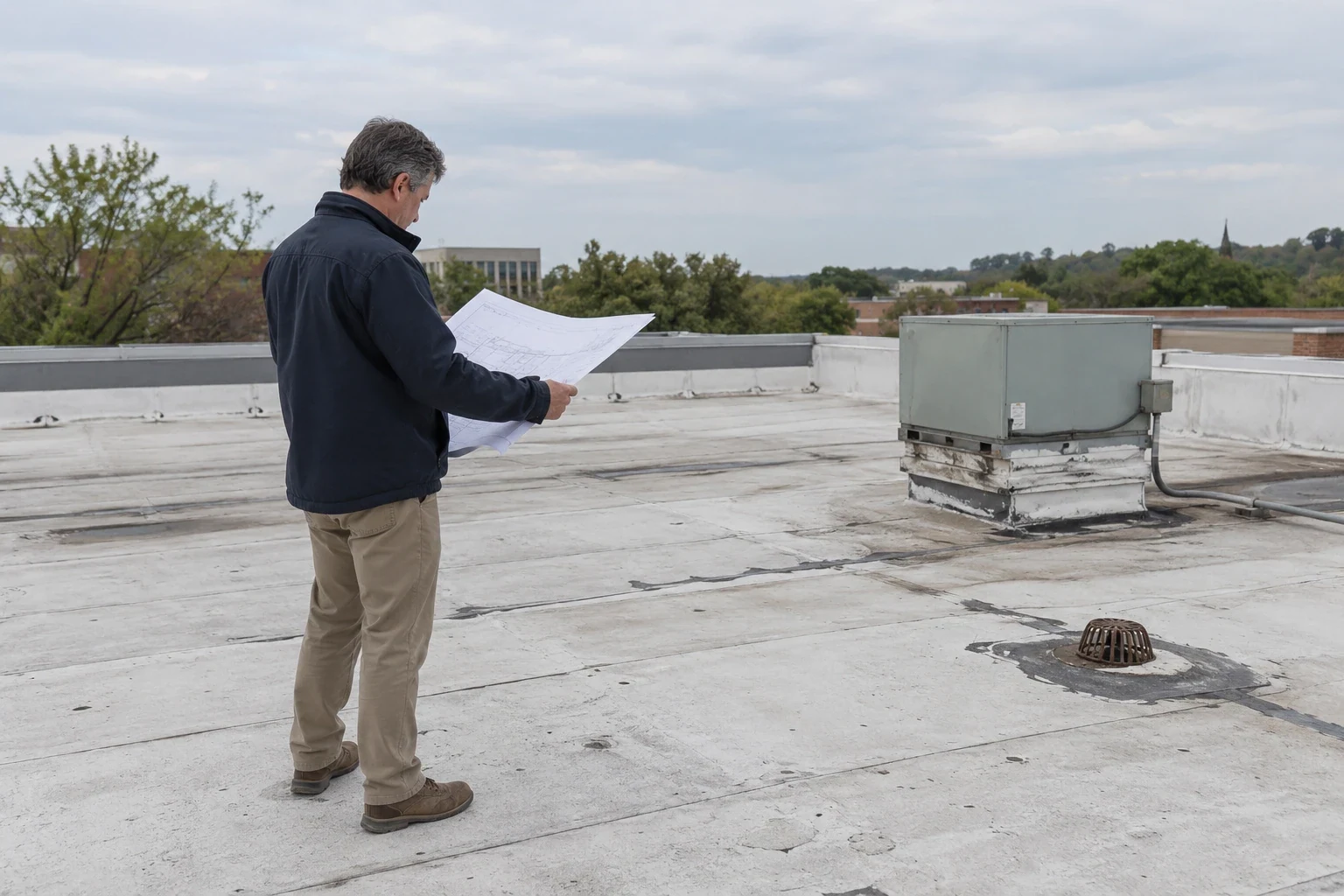
A useful roof report lets an owner find the same defect after the crew leaves. In Frisco, we tie each photograph to a roof section, observed condition, and recommended next action. The report distinguishes active water, past staining, surface wear, and conditions that still need testing. The locally amended 2024 International Energy Conservation Code took effect in Frisco on June 2, 2026. A report flags any design question for the permit team rather than treating an inspection as code approval. Our commercial roof inspection supplies the field observations behind the report.
Map the Walk Before the First Photo
We confirm roof access, building contacts, known leak areas, and the sections included in the visit. A large roof is divided into identifiable areas so photographs and notes can be repeated on the next inspection. The report records the route, visible system features, drainage points, penetrations, edges, and prior repairs where they can be found. If a section is unsafe or blocked, it is listed as not inspected rather than folded into a building-wide conclusion.
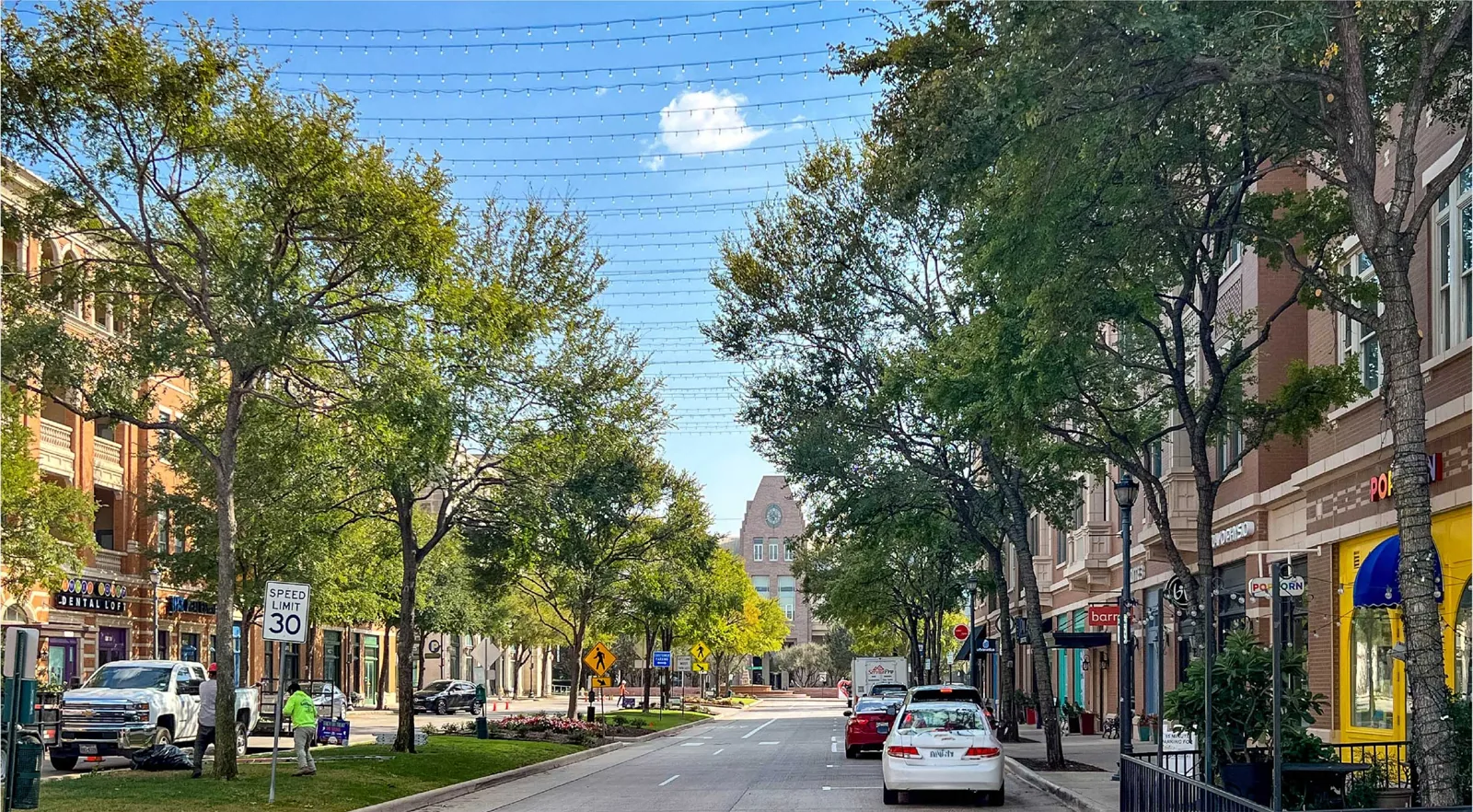
Frisco's older Rail District storefronts and its newer northern office properties present different access and occupancy conditions, so reports document each building's observed constraints. Those locations do not establish the age, assembly, or condition of any particular roof. They do make a building-specific map important: an owner may need to coordinate access around occupied office hours at one property and storefront activity at another. A Rail District roof walk still starts with the named building and its actual access plan.
Make Each Photograph Answer a Question
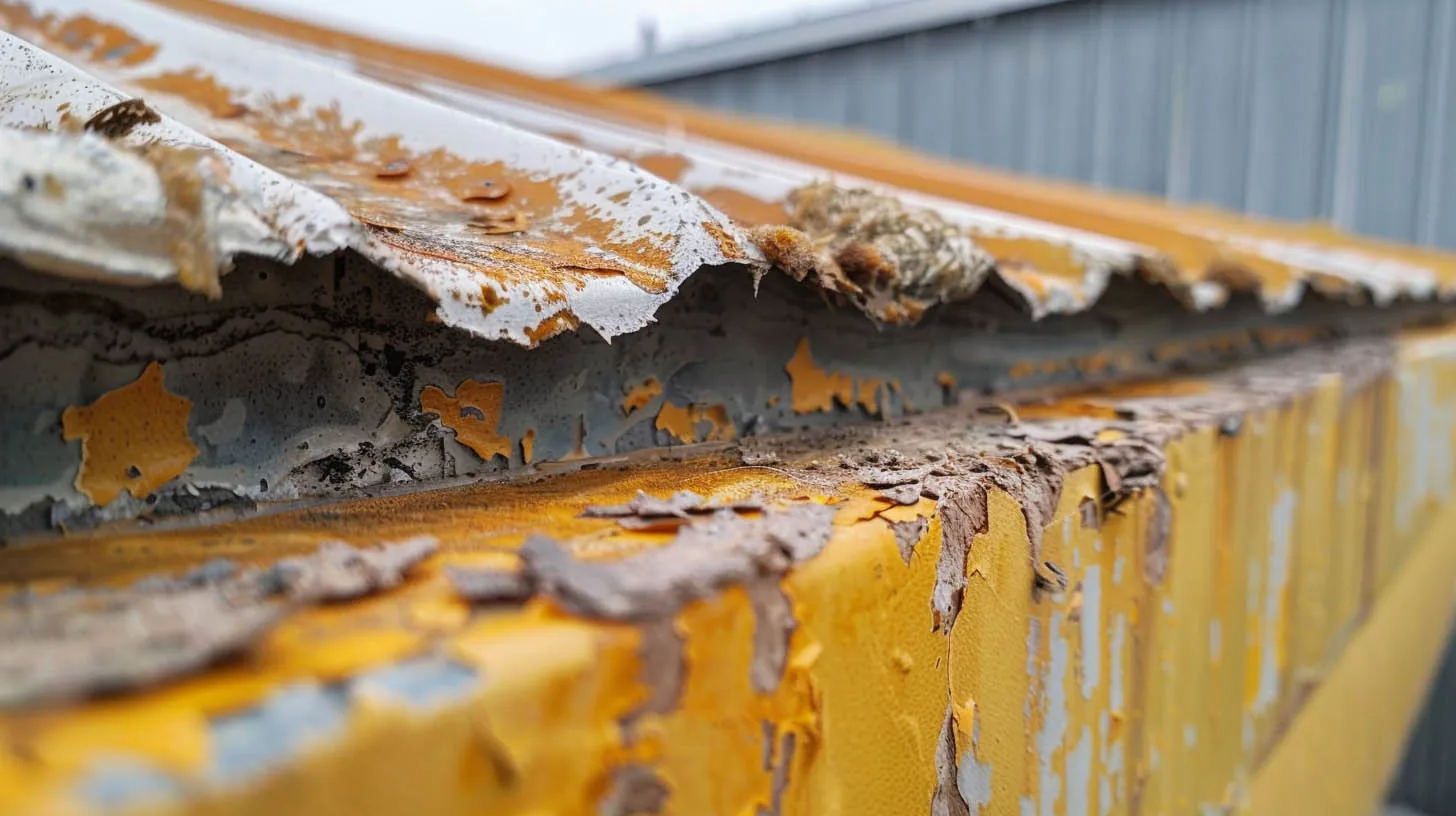
A close image should show the seam, flashing, drain, puncture, or metal termination that supports the finding. A wider image locates that detail on the roof map. We use both when the condition could be hard to find during follow-up. Captions state what is visible and what action is proposed. A photograph of a stain does not establish where water entered, and a picture of an old patch does not show who installed it or when.
The report pairs each observation with a repair boundary, nearby condition, and any limit on the inspection. Where a seam appears open, we note its location, length, and adjacent transitions. A seam repair assessment can then be compared with the photographed condition instead of an unlocated work description. We keep the image sequence consistent across visits, so a manager can tell whether a defect moved, remained stable, or needs a different test.
Show What the Inspection Could Confirm
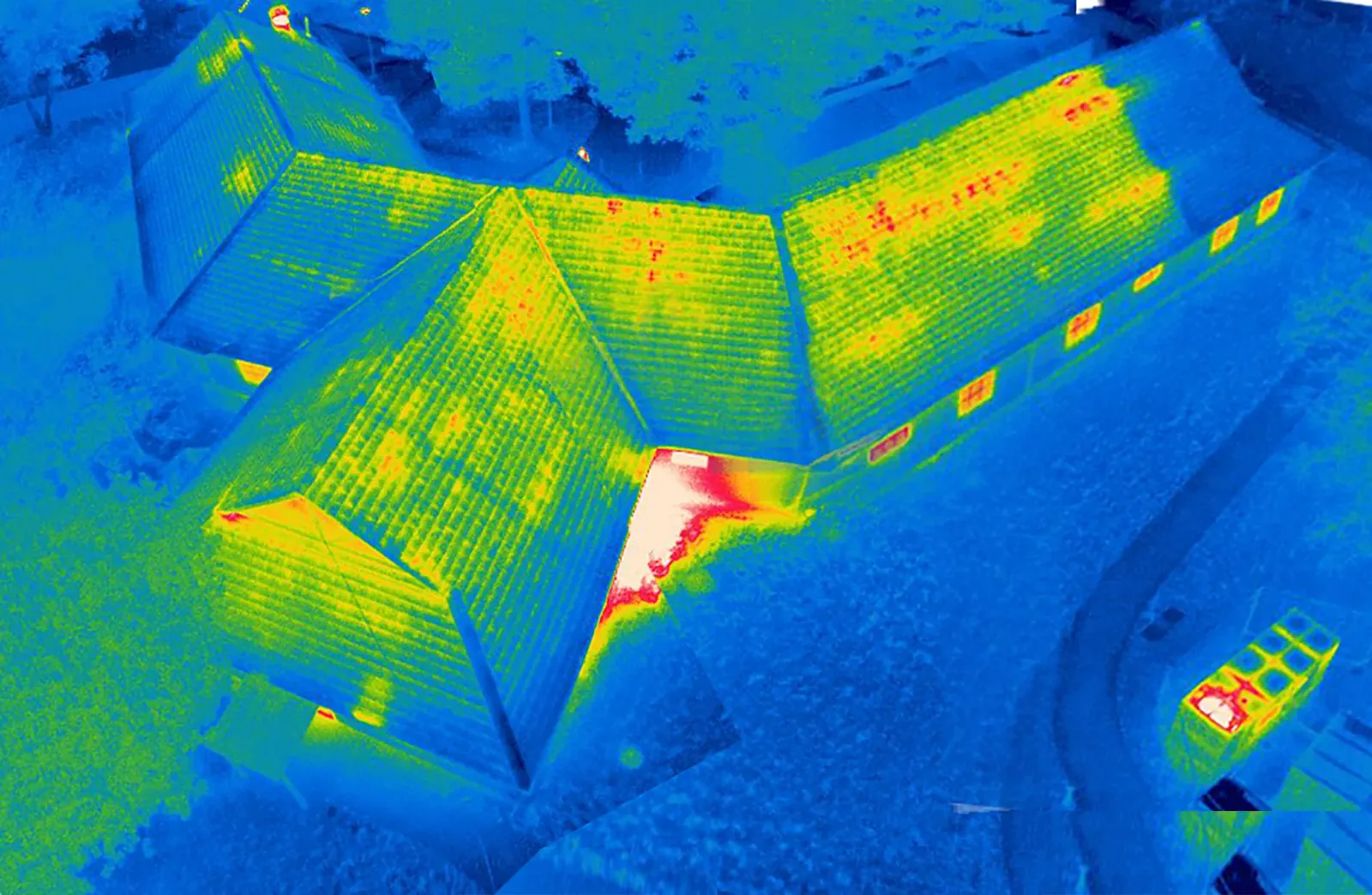
A roof walk can identify visible wear and details that need closer review. It cannot reveal every concealed layer. If moisture is suspected, we state which indicator prompted further investigation and what method could help narrow the area. Infrared readings depend on surface, weather, and assembly conditions; a test opening may still be required before removal quantities are set. The report preserves that distinction so an owner does not treat a preliminary indication as a measured replacement scope.
Where the visible assembly is confirmed, the report names its system features and records the repair material compatibility question. A targeted moisture survey can support a bounded investigation, while a membrane-specific review follows the seams and terminations present on that section. We mark inaccessible or untested areas plainly and recommend the next safe step, whether that is a new access window, a small opening, or observation after suitable weather.
Separate Urgent Work From Planned Work
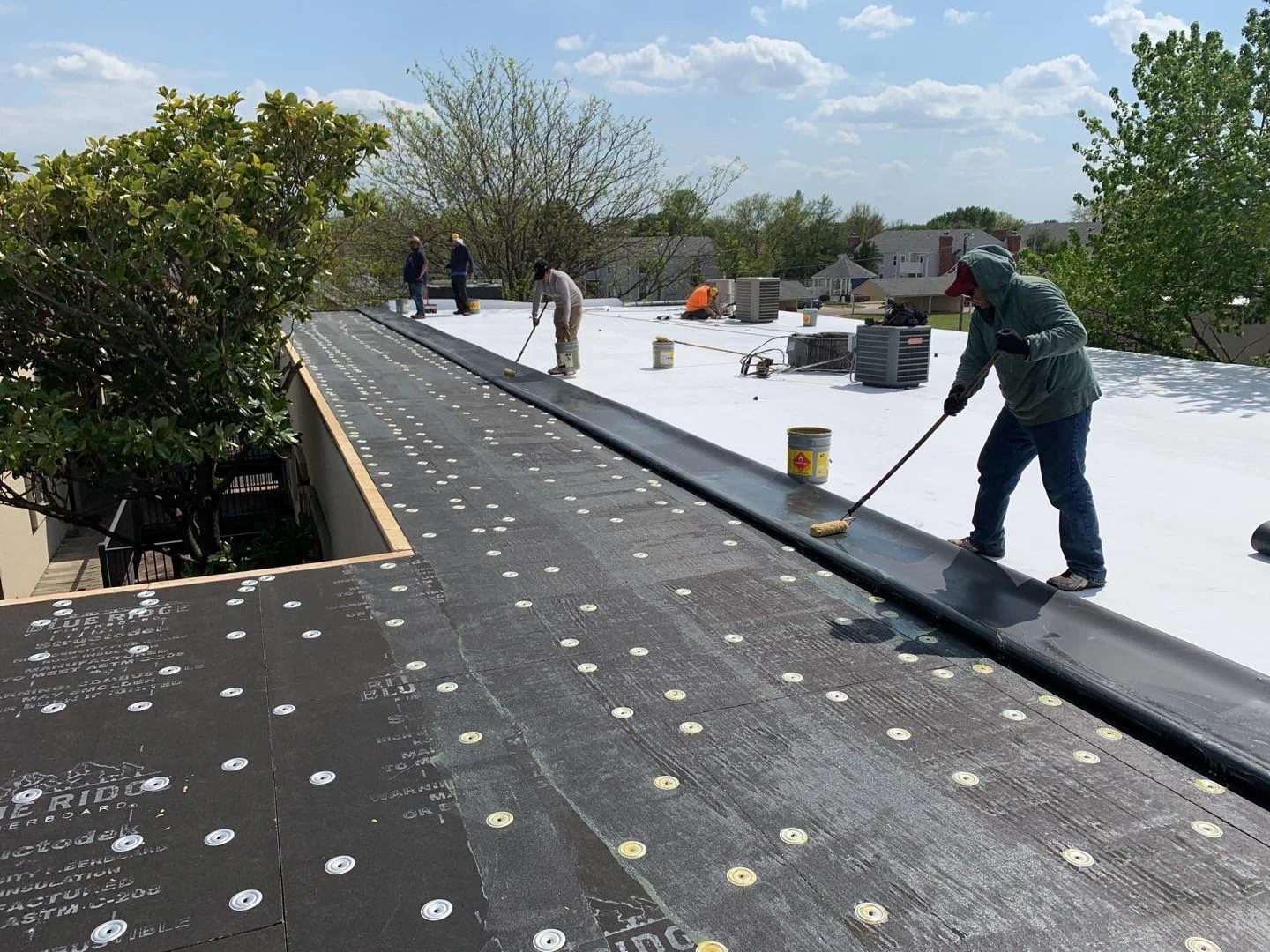
Recommendations are grouped by water risk, repair need, and time sensitivity. An active leak may require temporary protection before a permanent material repair can be scheduled. A dry seam defect may fit a planned maintenance window, while widespread deterioration can support a replacement comparison. We explain what evidence supports each line and identify when a decision can wait safely. If an added opening reveals wet insulation or a weak deck, the owner sees that as a scope change requiring approval.
The report can direct one confirmed repair into a capital review without presenting the full roof as failed. It can also add the finding to a building asset record with a review date. That separation matters for a portfolio where a roof over a corporate office and a roof in a warehouse have different operating constraints. We keep temporary work, permanent repair, and future replacement options distinct in the summary and estimate.
Write for the Building That Has to Stay Open
Report details should help a facility contact arrange the work. We note occupied hours, tenant-sensitive areas, mechanical access, delivery routes, and staging limits that changed the inspection or could affect repair. Regional road connections do not establish the final approach to an individual roof. Our Diligence Notes identify that site's gate, service drive, staging location, and safe ladder access before recommending a repair.
For a Frisco Rail District storefront, the survey records the building's actual ladder and staging point; a property beside SH 121 receives its own gate, escort, and service-route note.
Downtown storefront work may require tight staging and tenant coordination; office campuses in northern Frisco can have different escort and scheduling needs. We do not infer a roof layout from either planning context. Instead, the report names the building sections inspected and gives the owner a route for returning to the exact finding. A drone-assisted roof review may help document broad surfaces where approved and suitable, but close inspection still determines the repair detail. The final record stays tied to observed conditions and the agreed access window.
Carry Findings Into the Next Visit
At closeout, we deliver dated images, the roof map, condition notes, recommended work, and items that remain unresolved. When a repair is approved, we add the completed scope and a photograph of the finished detail to the file. The next inspector can compare the new condition with the earlier record instead of searching an email thread. A changed leak path or new storm finding gets its own entry, preserving the sequence for ownership and building operations.
The report also records when a section could not be reached or when weather limited testing. That limit gives the owner a clear follow-up action and prevents an inspection from being treated as broader than it was. For a building with capital planning or warranty documentation needs, we connect the report to those records while keeping each conclusion tied to evidence. The owner receives a concise repair line and a named review date, not a general statement to watch the roof.
Commercial Roofing Questions
What should a commercial roof condition report include?
We include the inspected sections, a roof map, dated photographs, observed details, repair boundaries, access limits, and recommended next actions. Suspected conditions and tested conditions are labeled separately. The owner can then locate the finding, authorize a repair, or schedule the additional investigation that the report identifies.
Does a roof photograph prove the cause of an interior leak?
A photograph records a visible roof condition at a location and time. Water can travel before it reaches an interior stain, so we compare the image with the roof detail, moisture evidence, and other transitions. The report states whether the source was confirmed or whether another test is needed.
How do you document an area that was not accessible?
We name the section, explain the access or safety limit, and exclude it from conclusions about the inspected area. The report identifies a suitable return window or access support needed to complete the walk. That gives ownership a defined next step instead of a blank space in the record.
Can the report support a Frisco permit review?
It can document existing roof conditions and the proposed repair or replacement scope. The applicable code edition, local amendments, and permit requirements depend on the project. We flag the question and coordinate review rather than treating an inspection report as a code approval.
How do the photographs help with future budgeting?
A dated image tied to a roof section lets an owner compare the condition after a repair or at the next inspection. The written recommendation separates immediate work from a capital alternative and notes evidence still needed. That helps the budget record stay connected to the actual roof rather than a broad condition label.