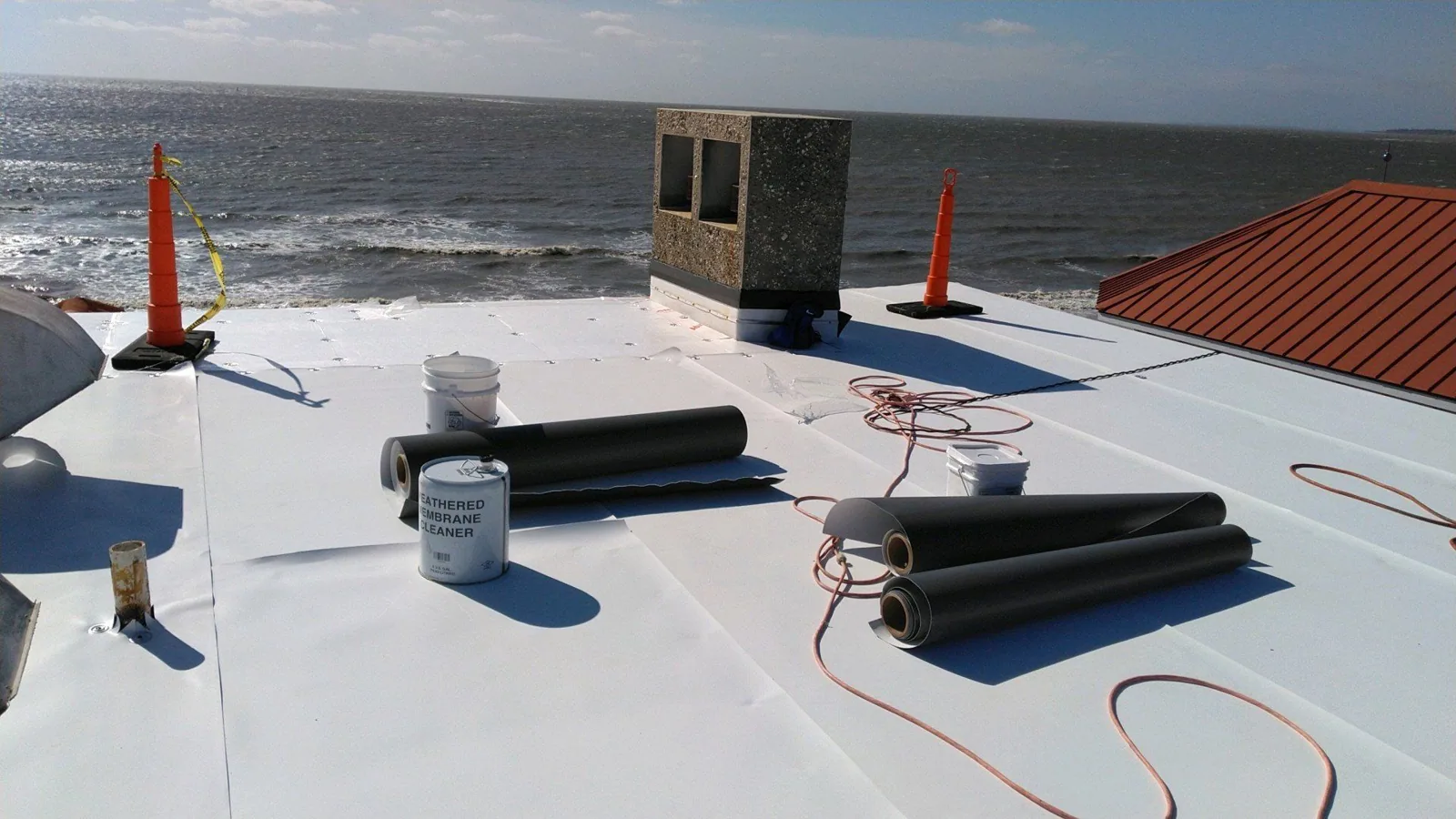
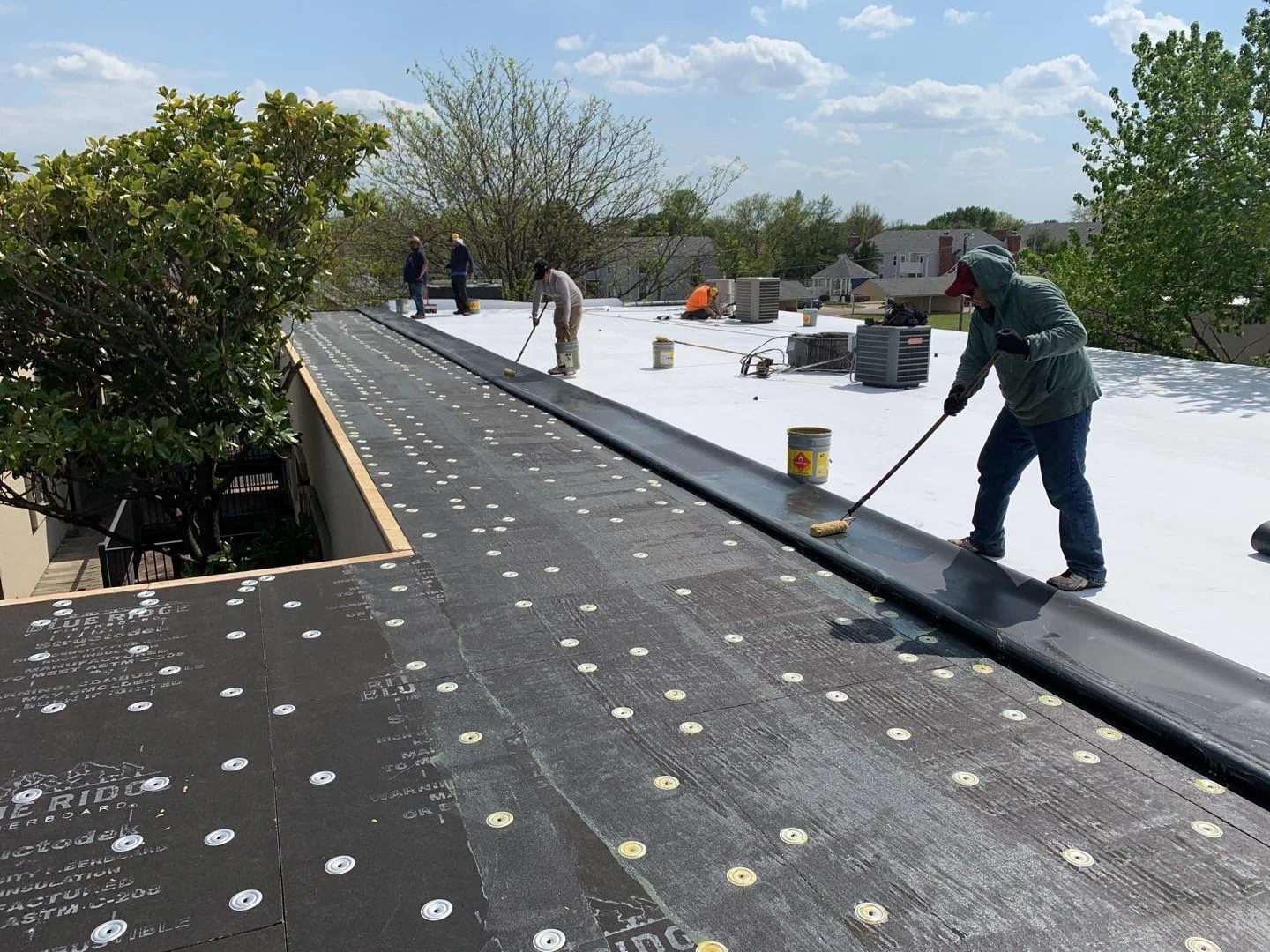
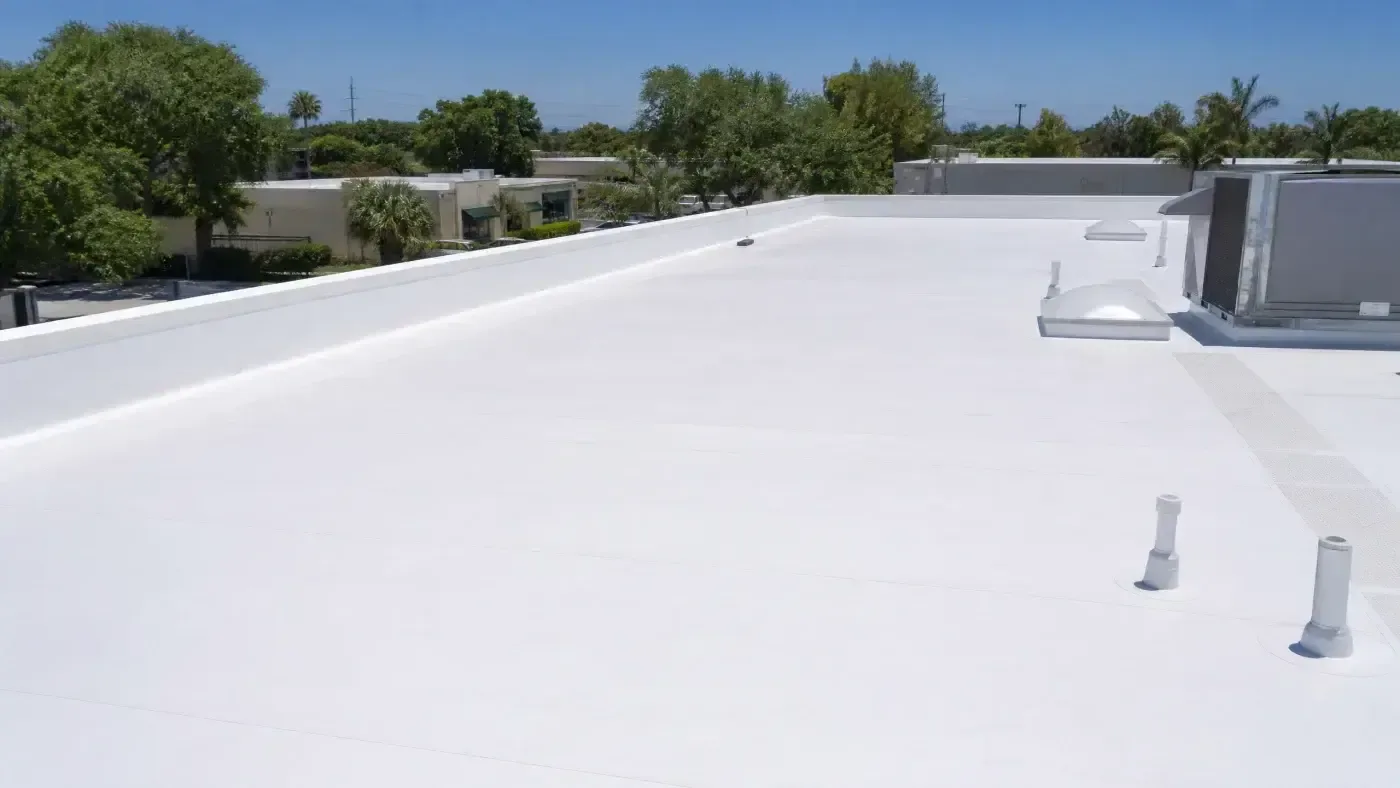
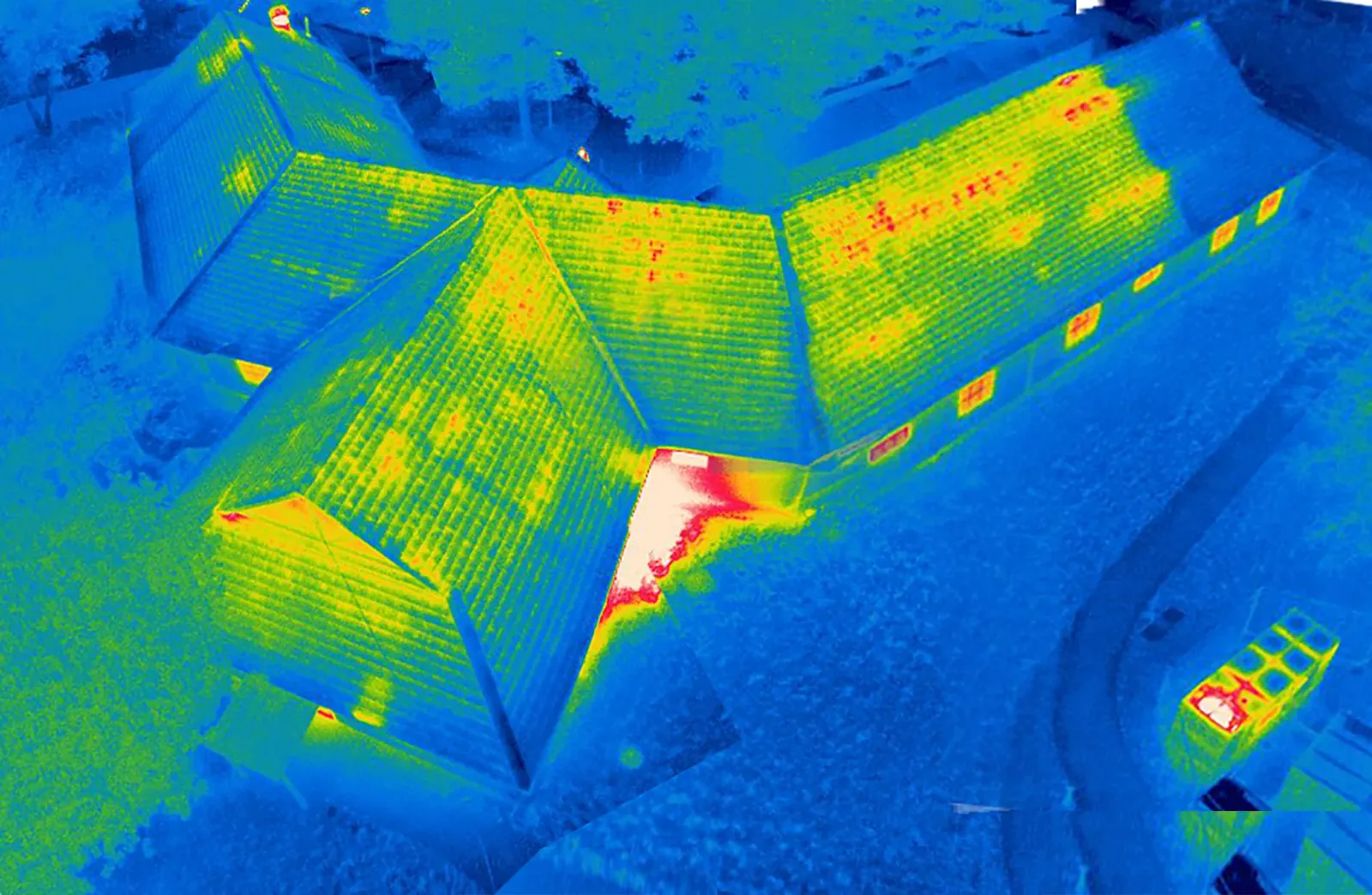
A split PVC seam creates a choice: close one defect now or investigate a system that is losing bond in several places. In Frisco, TX, we inspect the weld, membrane condition, flashing transitions, and insulation before setting that boundary. PVC is a flexible thermoplastic sheet, but heat-weldability alone does not tell us its age, formulation, or compatibility with a proposed repair. We identify the existing assembly before selecting material. The North Platinum Corridor includes corporate and mixed-use development, while Frisco's Rail District has historic commercial buildings and reinvestment planning. Those contexts can affect access and occupied hours, not the roof type on a specific property. Our roof inspection records the section, photographs the detail, and separates immediate protection from permanent work so the owner can choose a repair date or a larger capital window.
Identify the PVC Before Repair
White color is not a reliable way to identify a membrane. We look at exposed sheet edges, seams, flashing material, prior repair patches, and any building records that name the system. PVC and TPO may both use heat-welded laps, yet their formulations, accessories, and repair procedures are not interchangeable. A solvent, primer, or patch chosen for the wrong sheet can create a weak repair line. We document what is visible and flag any uncertainty that changes material selection. Then we test or consult available system information before ordering. A TPO roof has a different polymer formulation, and a field label should not be guessed from appearance. An EPDM sheet uses a different seam and patch approach again. For a Frisco office or warehouse, the owner receives the exact section and detail under review, not a broad claim that every white roof needs the same fix. The next step follows the assembly actually on the deck.
Trace the Weld Beyond the Opening
A seam separation can begin at a corner, wrinkle, contaminated lap, or change in plane. We probe accessible welds, inspect the sheet on both sides, and check whether the split continues beneath a flashing or equipment curb. A sound patch needs clean, compatible membrane and enough stable material around the defect. If the surface is chalked, brittle, or layered with older repairs, preparation can take longer than the weld itself. We show those conditions before pricing the work. Where the failure is limited, a seam repair may close the opening without disturbing sound field sheet. If several areas fail along different transitions, we compare the existing assembly, moisture findings, and attachment before another layer is proposed. We keep those options distinct so the owner can approve a repair boundary with known limits. The written scope states what stays in service and where a larger review would begin.
Check the Exposure at Every Transition
PVC is often selected where a building needs a thermoplastic membrane with chemical resistance, but the roof still depends on correct detailing and compatible accessories. We inspect around exhausts, vents, drains, pipe supports, and equipment where residue, movement, or service traffic can affect the sheet. The visit notes the material source if it is known; we do not infer a chemical problem from a nearby business use. A curb can need new flashing even when the open field remains intact. A drain connection may fail independently of the seam. We map each detail and identify whether access by a mechanical contractor needs coordination before the roofing repair. If the property has a broad roof area, a moisture survey can help locate suspected wet insulation for follow-up, but the survey does not replace opening and confirming a questionable assembly. The owner can then compare the repair cost with the risk of leaving wet material in place.
Schedule Around Surface Conditions
A PVC repair can be technically sound and still disrupt the building if the work area is chosen poorly. Before staging rolls or a welder, we map entrances, tenant hours, delivery paths, and the roof access point. Frisco's downtown plan includes historic commercial buildings and continuing reinvestment; the Frisco Rail District is a practical reference for storefront coordination, not a statement about a specific property. For an office building, we mark occupied areas below the active seam and schedule noisy or access-sensitive work with the site contact. The route plan distinguishes materials arriving by lift from materials carried through an interior path. A TPO or EPDM transition is checked before work begins because each membrane has its own welding and adhesive requirements. The sequence states which finished edge can be protected at the end of the shift and what condition would delay the next section.
Set the Repair Limit and Next Spend
Repair cost follows the length of open seam, membrane preparation, flashing complexity, insulation condition, roof height, and access. We separate the confirmed PVC work from optional adjacent corrections. If the inspection finds widespread sheet deterioration or moisture beyond the first opening, the estimate names the added test or removal boundary before the scope expands. When replacement is under consideration, we compare the current assembly, deck, drainage, perimeter details, and operating schedule. Frisco’s downtown work includes Main Street and Fourth Street, while larger corporate and mixed-use development extends along North Platinum. That variety makes site planning worth confirming, but it does not establish the condition of any roof. A condition map helps the owner track open items by section and put a later capital date against the evidence. A separate flashing repair can be priced alongside the membrane seam when both are confirmed, keeping each repair line visible.
Commercial Roofing Questions
How do you confirm that an existing roof is PVC?
We compare exposed sheet edges, seam behavior, accessories, repair materials, and available building records. Color by itself is not enough. If the identification remains uncertain and changes the repair method, we verify the assembly before ordering a patch or welding rod. The scope notes any material assumption that still needs confirmation.
Can a small PVC seam opening be repaired by itself?
A localized opening can stay a repair when the adjoining sheet is stable and the weld can be made to clean, compatible material. We inspect beyond the visible split and check nearby transitions first. If several laps are failing or the sheet is brittle, we map the broader section before pricing a patch that may not hold the scope boundary.
Does chemical resistance prevent damage near rooftop exhaust?
No membrane should be assumed immune to every exposure. We inspect the actual sheet, residue, flashing, and equipment discharge, then use product compatibility information for the proposed work. If the source or material is unknown, we identify that as an open question rather than naming a cause. The repair method follows the verified assembly and exposure.
What information changes a PVC replacement estimate?
Removal depth, wet insulation, deck condition, edge metal, drain work, penetrations, staging, and the amount of sound membrane remaining all affect the scope. We separate visible work from conditions that can only be checked after opening the roof. That lets the owner approve a base scope and know what evidence would trigger additional work.
Can PVC work be staged while the building stays occupied?
Often, when the work area, delivery route, and interior protection are planned before mobilization. We divide the roof into sections that can be opened and closed within a suitable weather window. The owner identifies tenant hours, sensitive rooms, and service access. If a task requires a temporary restriction, we name it in the schedule before the crew arrives.