A ceiling leak during a tenant workday puts two decisions on the same clock: protect the interior now, then choose the roof scope. We identify the affected suite, trace the water path, and mark the roof section before recommending a repair or a broader project. Frisco's commercial portfolio includes corporate offices and business parks, while the Rail District retains a different downtown building context. Those settings can call for different access windows and phasing. We confirm the building's own assembly, operating schedule, and roof records before pricing anything. The first-hour plan keeps temporary protection separate from permanent work, so an owner can act on the active leak without approving a roof replacement by default.
Set the Work Window Around the Building
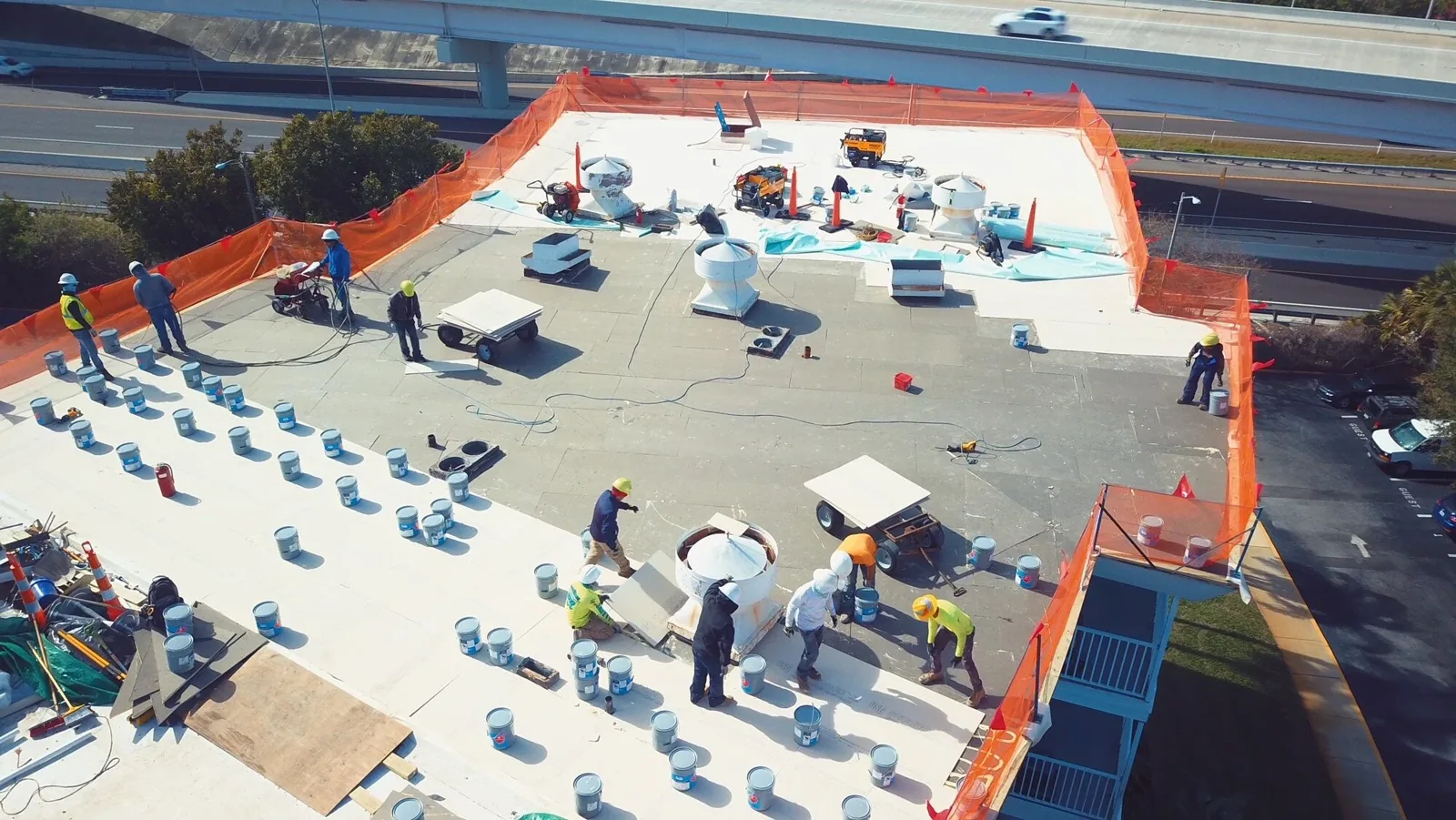
Office work often crosses tenant entrances, conference areas, mechanical rooms, and shared parking. We ask which suites need quiet hours, which entrances must stay open, and who can approve a temporary closure. That information shapes material delivery, hoisting, debris handling, and the size of each daily work zone. A phased occupied-building sequence can keep those decisions visible in the schedule. If active water needs attention before the larger plan is ready, a leak repair scope identifies the temporary protection and the permanent repair boundary separately.
Each office has its own tenant mix and roof-access rules. The property contact confirms lift, ladder, hatch, loading, and escort requirements for that address. If a tenant reports a stain, we record its room and timing, then compare it with roof seams, penetrations, drains, and transitions above. An interior observation helps locate the investigation; it does not substitute for a roof inspection. The report names the area checked, photographs the relevant detail, and lists any access the owner still needs to arrange.
Read the Assembly Before Selecting a Repair
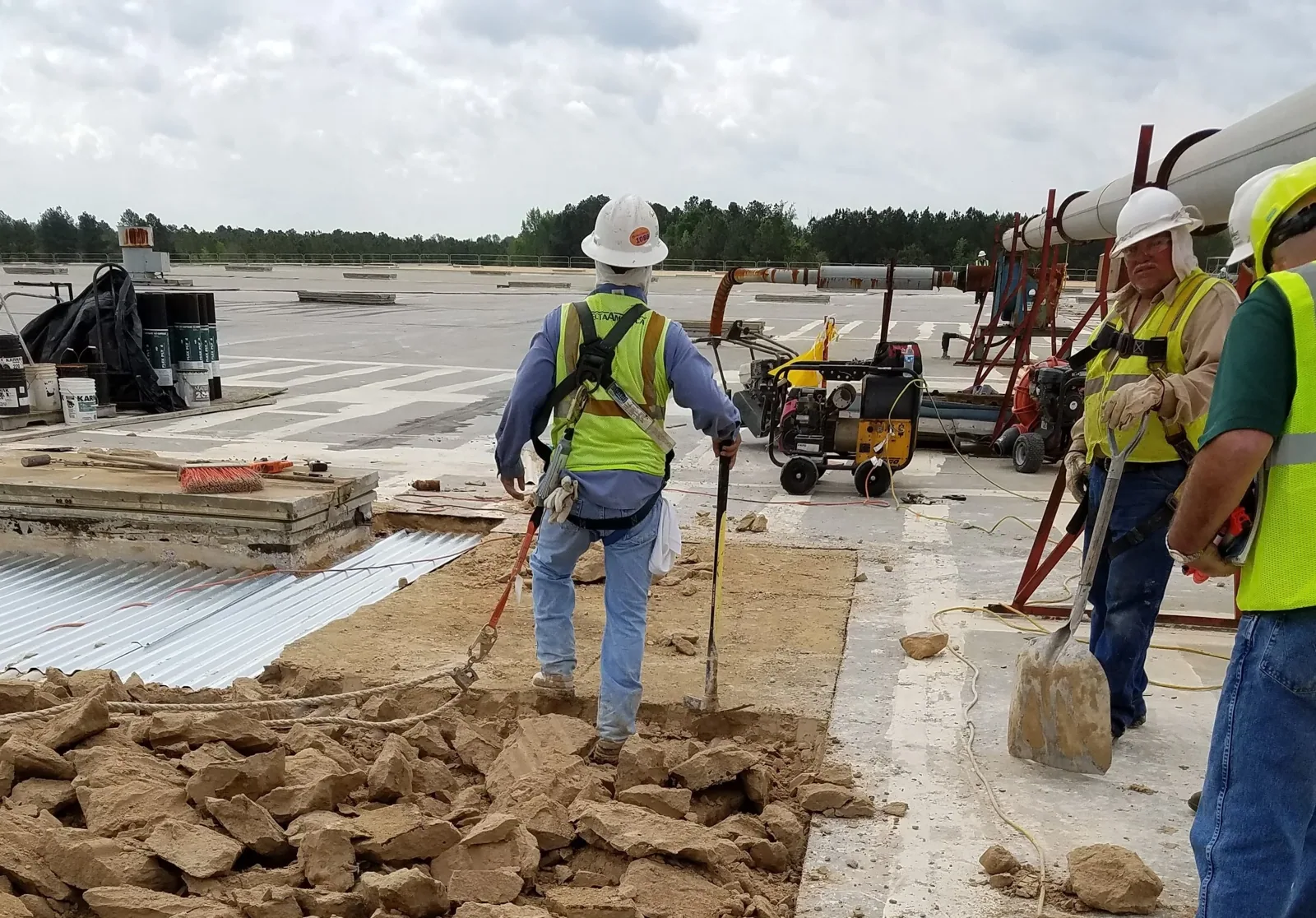
Office roofs may have different membranes, insulation layers, attachment methods, and prior repairs across separate additions. We document visible seams, flashings, edge metal, penetrations, drains, and transitions, then note where records or limited access leave an open question. A commercial roof inspection gives the owner a condition map for the roof sections actually examined. If several layers or wet insulation change the repair decision, the scope explains whether a localized fix, recover, coating, or tear-off deserves further review.
Rooftop units create extra details around curbs, pipe supports, and service clearances. We record their locations and flashing conditions, then identify the mechanical work that needs another trade's direction. The project scope should state who disconnects or lifts equipment, who restores it, and which party confirms operation afterward. That boundary helps prevent an apparently small roof repair from becoming an unpriced mechanical change. In a mixed-use park, an office attached to a warehouse building can require a different work route and debris plan.
Connect Frisco Conditions to Inspection Timing
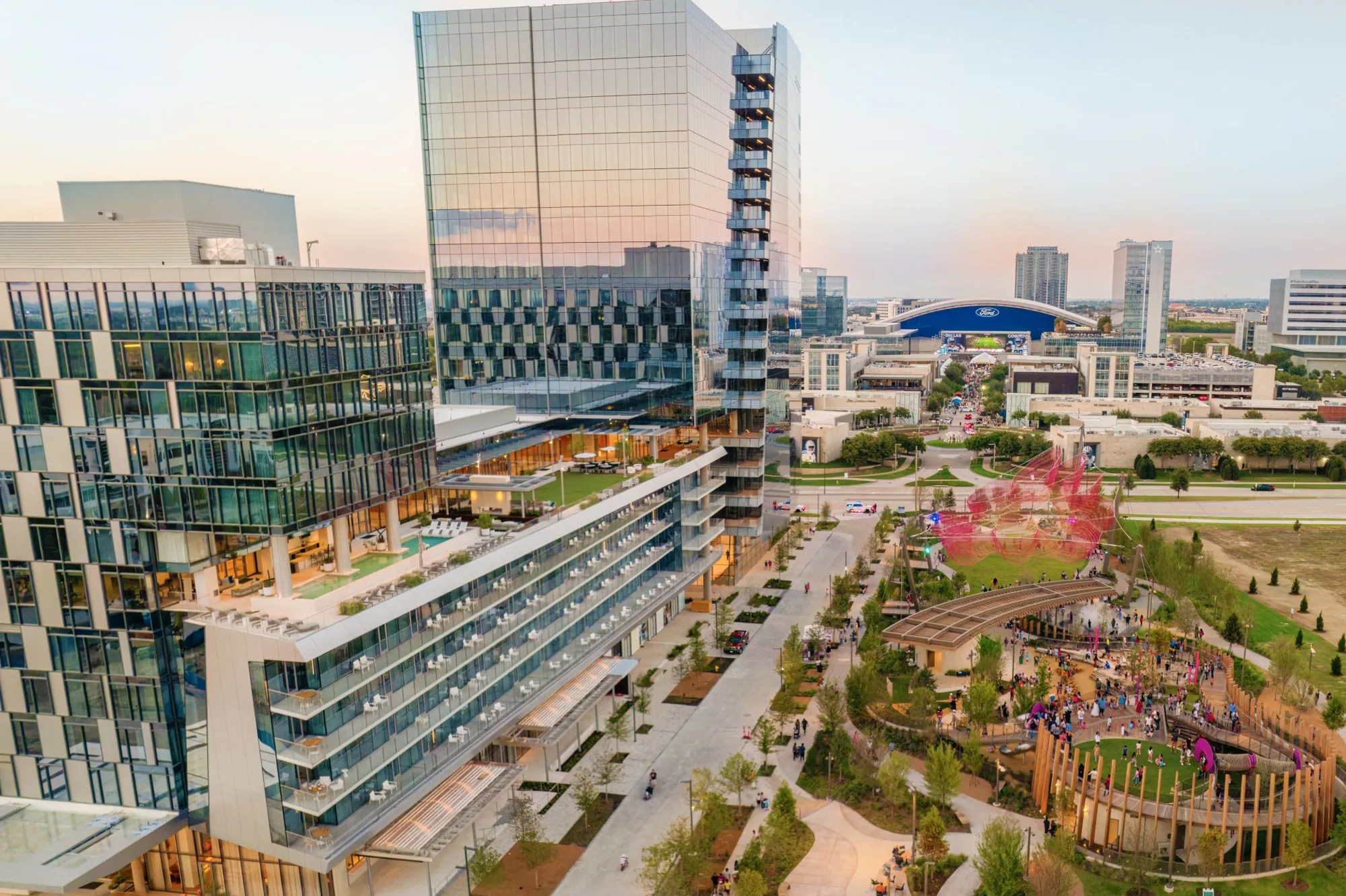
The normal DFW high reaches 95.6°F in July and 95.8°F in August, making surface conditions part of an office roof coating or adhesive decision. Heat can affect membrane movement, surface conditions, and the hours available for certain applications, so we inspect the assembly and product requirements before setting a work window. Frisco's downtown planning identifies the Frisco Rail District and Original Town Commercial District, while its larger corporate and mixed-use settings extend beyond one district. We use that building context to ask about roof access and occupancy, not to infer a system or condition.
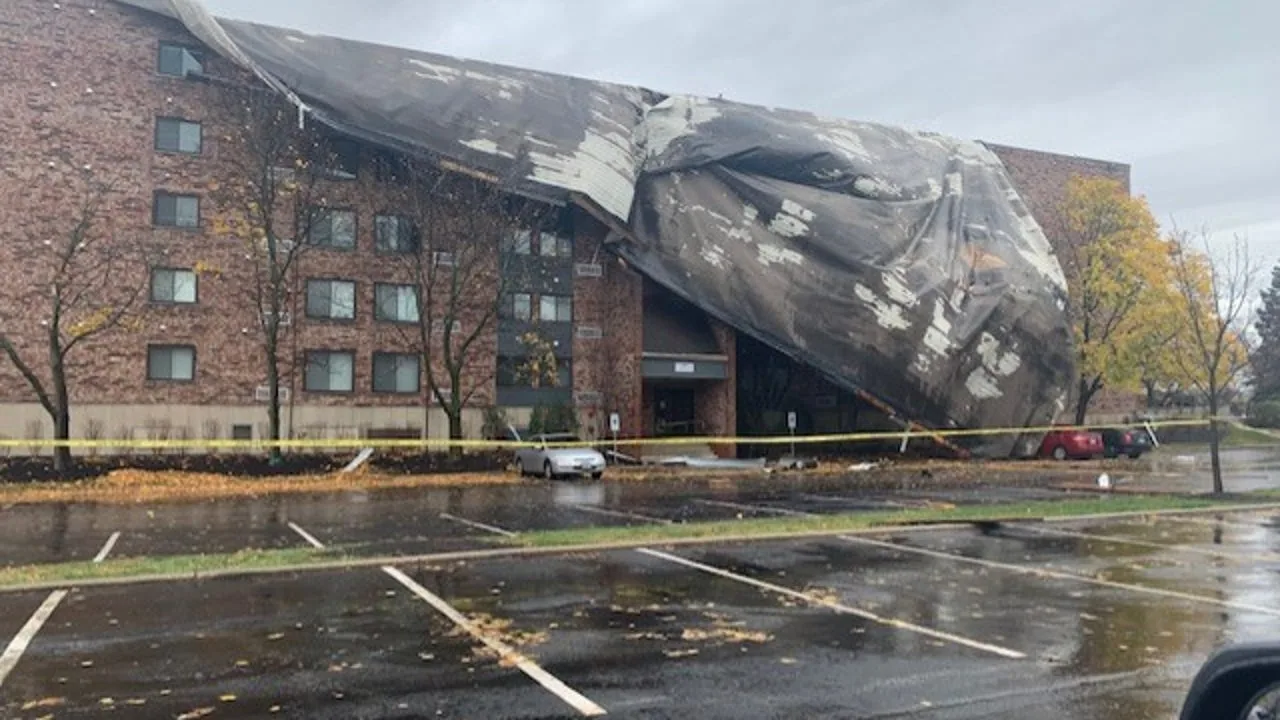
In the Metroplex, spring pairs the wettest rainfall period with recurring severe weather; dated tenant reports are more useful than a calendar-based damage assumption. A regional storm record can help set an inspection date after a report, but it cannot establish impact at a particular office. We check the roof field and perimeter for displaced flashing, punctures, open seams, and drainage changes, then match each finding to a photo and roof section. A storm inspection and repair scope keeps immediate protection and claim documentation tied to observed conditions. For broader follow-up, scheduled maintenance can record drains, transitions, and repairs before the next budget review.
Separate the Repair Line From the Next Spend
A useful office proposal shows what the building needs now, what can wait safely, and what condition could change that recommendation. We price the repair area, access needs, disposal, edge or flashing work, and any insulation or deck condition that remains concealed. When records support a larger plan, a replacement scope describes the proposed assembly and sequencing. If the existing roof is a candidate for a coating, restoration still depends on adhesion, moisture, substrate, and detail checks. No coating should be treated as a shortcut around an unresolved leak path.
Frisco's 2025 business-park category emphasizes office and modern-industry uses, with office/warehouse forms subject to zoning and truck access. That planning context can help a manager frame delivery questions for a campus-style office property, but the property's own route and permits still control. We record the expected access window and decision date alongside the repair line. A capital plan can keep near-term stabilization separate from longer-term replacement funding. For a local context at North Platinum, the roof assessment remains specific to each building and sponsor. Where the property includes light industrial operations, a flex-industrial roof can need a different loading and equipment handoff.
Leave a Record the Property Team Can Use
At closeout, the owner receives dated photographs, the work area, materials installed, repairs completed, and any condition that remains open. We identify the next inspection point and records to retain with the building file. A condition report can help compare observations across roof sections and separate completed work from future recommendations. Warranty coordination is limited to the applicable documents and system requirements; it does not replace maintenance or prove that an unrelated roof area was inspected.
If water returns, the team can compare the new report with the original leak map, recent weather, and completed repair. We revisit the water path rather than automatically extending the prior patch. A drain and overflow check may be needed when backup or ponding appears, while a seam or penetration issue calls for a different repair detail. The closeout should leave a clear repair line, an assigned follow-up, and a budget date. Those items let the property manager respond without confusing temporary protection with a permanent roof decision.
Commercial Roofing Questions
Can office reroofing be phased by tenant or floor?
We can divide roof work into sections when the assembly, weather protection, and access allow a safe stopping point. The property team identifies tenant hours, critical rooms, and any required notice. We then set daily opening and closure boundaries, document changes, and price each phase so the owner can compare the schedule with lease and capital dates.
How do you handle a leak when the stain is away from the roof opening?
Water can travel along a deck, insulation joint, or framing before appearing indoors. We record the interior location and compare it with roof details above and around it, including drains and penetrations. The inspection identifies the confirmed entry point or the additional access needed; a stain alone is not a final repair scope.
What changes the cost of an office roof repair?
The repair area, membrane and flashing detail, access, occupied-hour limits, tear-off depth, and any wet insulation or deck work all affect the scope. We separate the known repair from concealed conditions that require owner approval. The estimate lists the work boundary and schedule assumptions, so the next spend is tied to an identified roof section.
Should we coat an older office roof instead of replacing it?
A coating may be appropriate when the existing assembly is suitable, dry enough, and compatible with the proposed system. We inspect adhesion, seams, penetrations, drainage, and moisture conditions before presenting that option. If defects or saturation extend beyond a repairable area, the report explains why restoration may not solve the underlying problem.
What should the property file include after roof work?
Keep the inspection map, dated photos, scope, material records, change approvals, closeout notes, and any maintenance recommendations together. We note open items and the next review date. If another trade handled equipment, the handoff identifies that boundary and the confirmation still due from the responsible contact.