A leak crossing an office-to-shop partition needs a roof map before tenants are told to move equipment. We record the reported room, trace the likely water path, and set a protected work boundary with the property contact. Frisco's business-park category focuses on nonresidential uses, including office and modern-industry forms where zoning and truck access permit them. A flex or industrial use does not, by itself, establish a particular building's roof assembly. We verify the structure, tenant use, loading route, and rooftop details. The North Platinum Corridor is one larger corporate and mixed-use context; the actual flex property may have different access and shift requirements. The first-hour plan separates temporary protection from the lasting repair choice.
Map the Office, Shop, and Loading Zones
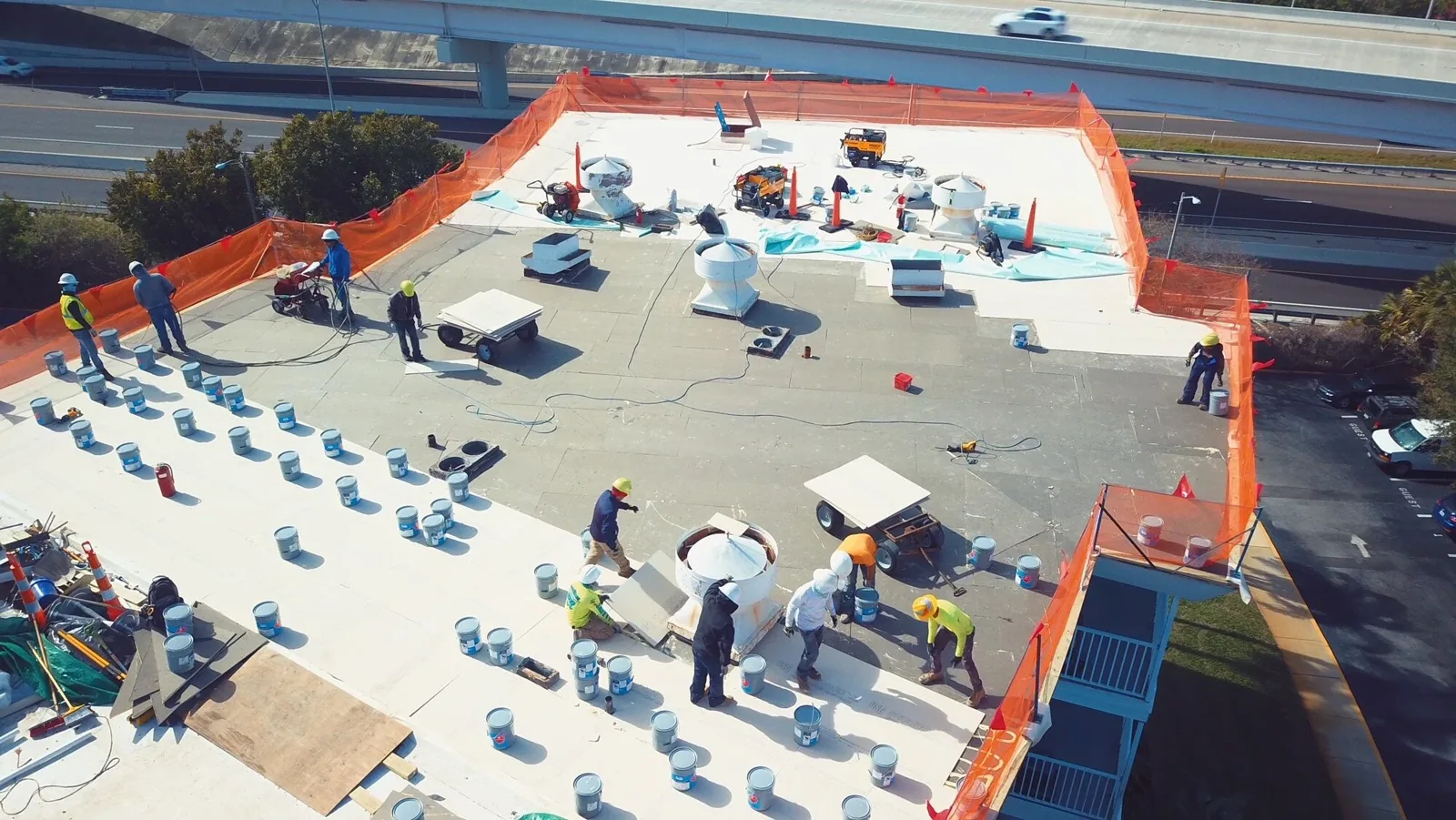
Flex buildings often combine office suites, light production, storage, and receiving under one roof. The property manager marks tenant boundaries, work hours, restricted equipment, and areas that cannot lose access. We plan roof entry, staging, lift placement, and debris removal around those limits. A phased occupied-building sequence states which roof section opens each shift and who receives the change notice. If water is active, a leak response can protect the affected suite while the owner reviews the permanent repair scope.
Dallas Parkway and US 380 shape Frisco’s north-south and east-west mobility framework; a tenant’s actual loading permission still comes from its property manager. The manager confirms the access route and any time limits for a lift or dumpster. We include that route, tenant notice, and daily secure point in the schedule. If the work must move around a production shift, the proposal shows the effect on crew size and duration rather than hiding it in a general allowance. We identify whether the tenant can pause a line, redirect a forklift route, or keep a receiving door open while the roof section is active. The building manager owns tenant notices; the roofer supplies the area, time, noise, and access details they need. This divides communication responsibility before a change is required.
Inspect the Roof Across Every Tenant Bay
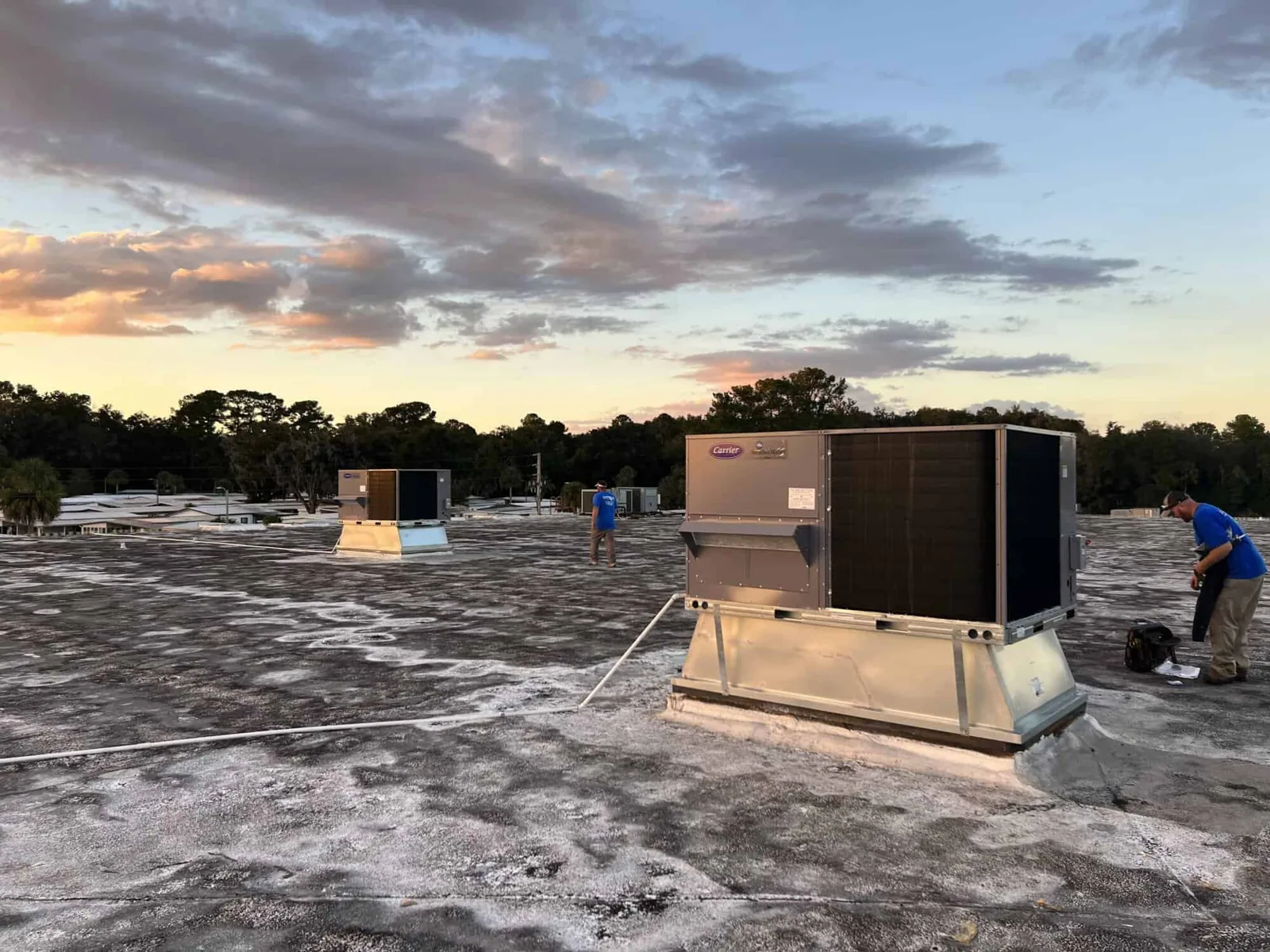
A low-slope field may serve several suites, with separate rooftop units, curbs, vents, or additions interrupting the membrane. We identify the assembly from visible evidence, inspect seams and penetrations, and map drains and transitions. A commercial roof inspection notes what is confirmed, what cannot be accessed, and which test is needed before a larger recover is priced. If one tenant reports water, we check whether nearby bays share the same detail or whether the roof map points to an isolated condition.
Downtown’s Main Street and Fourth Street work is one setting; North Platinum’s corporate and mixed-use clusters are another. Neither identifies the roof type on a flex building. Those contexts differ from the business-park land-use category, and none proves the condition of an individual roof. We document the inspected property rather than infer from the neighborhood. A curb and support review can identify a specific penetration boundary, while an open-seam inspection addresses a different failure mode.
Separate Drainage Work from Tenant Interior Reports
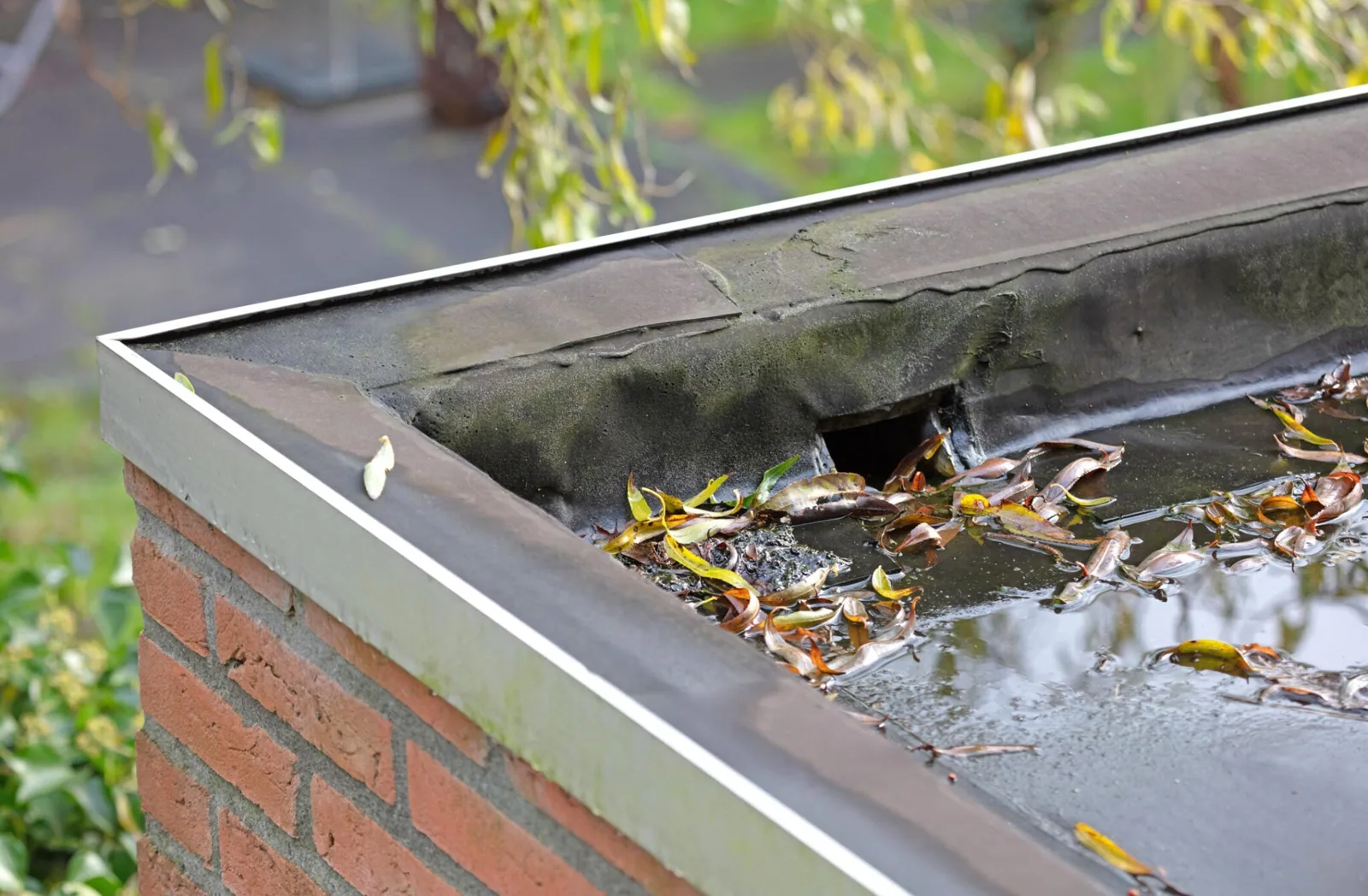
Water can collect at a low point, overflow a blocked outlet, or travel beneath a roof layer before it appears in a suite. DFW climate normals show 37.01 inches of annual precipitation and a May average of 4.78 inches. Those regional measures support a drainage check, not an assumption that a particular building's drain has failed. We map bowls, scuppers, overflow points, and nearby roof transitions. A drainage scope can be priced independently when outlets need attention apart from the membrane.
For DFW roof crews, a typical July maximum is 95.6°F and August reaches 95.8°F. The work leader checks the selected assembly instructions and the roof surface before releasing a section. We choose an open section that can be dried in before the crew leaves. If a spring storm preceded a tenant report, the timeline can guide the inspection; regional weather history does not confirm damage at this address. Photographs and measured conditions support the repair decision.
Write the Repair Boundary and Change Process
A flex-building proposal should list the roof section, assembly, repair quantity, tenant access, equipment clearances, staging, and expected work hours. If tear-off exposes moisture or a different deck condition, the foreman logs its dimensions and photos, then sends a priced change request to the manager before proceeding. A replacement scope can be compared with local repair when the roof evidence supports both paths. We itemize optional insulation or drainage work so the owner can decide what belongs in the current project.
Frisco's 2024 International Building Code with local amendments took effect March 1, 2026. The applicable permit and review control requirements for the proposed work, so the building team should confirm that step before pricing compliance as settled. The estimate describes the assembly and repair method for review. A warehouse roof plan may have more receiving and inventory constraints, while a commercial office roof scope may emphasize suite access. The flex project gets its own tenant matrix, work boundary, and schedule. We mark where a roof crew must pass between office and production areas, whether escorts are needed, and which doors stay reserved for freight. If two suites share a roof but have different contacts, the plan gives each representative the same dated map while limiting access to the areas approved for that tenant.
Return a Building-Wide Record to the Manager
Closeout includes a roof map, dated photos, completed repairs, materials, warranty documents, and unresolved observations. We record which tenant zones were protected and when access returned to normal. A condition report lets the property team retain the history beside suite, maintenance, and budget records. We mark the next inspection date and any drainage or equipment handoff that remains open.
If another tenant reports water, the manager can compare the bay and time with prior repair locations. That helps distinguish a recurring path from a separate roof condition. We identify the person who can approve access, the area requiring inspection, and the next decision date. The final handoff should help a new facilities contact understand what is known without relying on a verbal summary from the tenant who first saw the leak.
Commercial Roofing Questions
How do you handle roof work across multiple flex tenants?
The manager identifies suite boundaries, operating shifts, deliveries, and any equipment that cannot be interrupted. We map access and staging against those needs, then publish the roof section and notice required for each shift. A named contact approves a changed boundary before the crew moves.
Can one tenant leak require a roof-wide replacement?
Not by itself. We trace the reported water path, inspect related details, and map any additional areas that support a broader scope. The recommendation distinguishes a local repair from testing or replacement and states the evidence needed for the next step.
What details are important on a flex building roof?
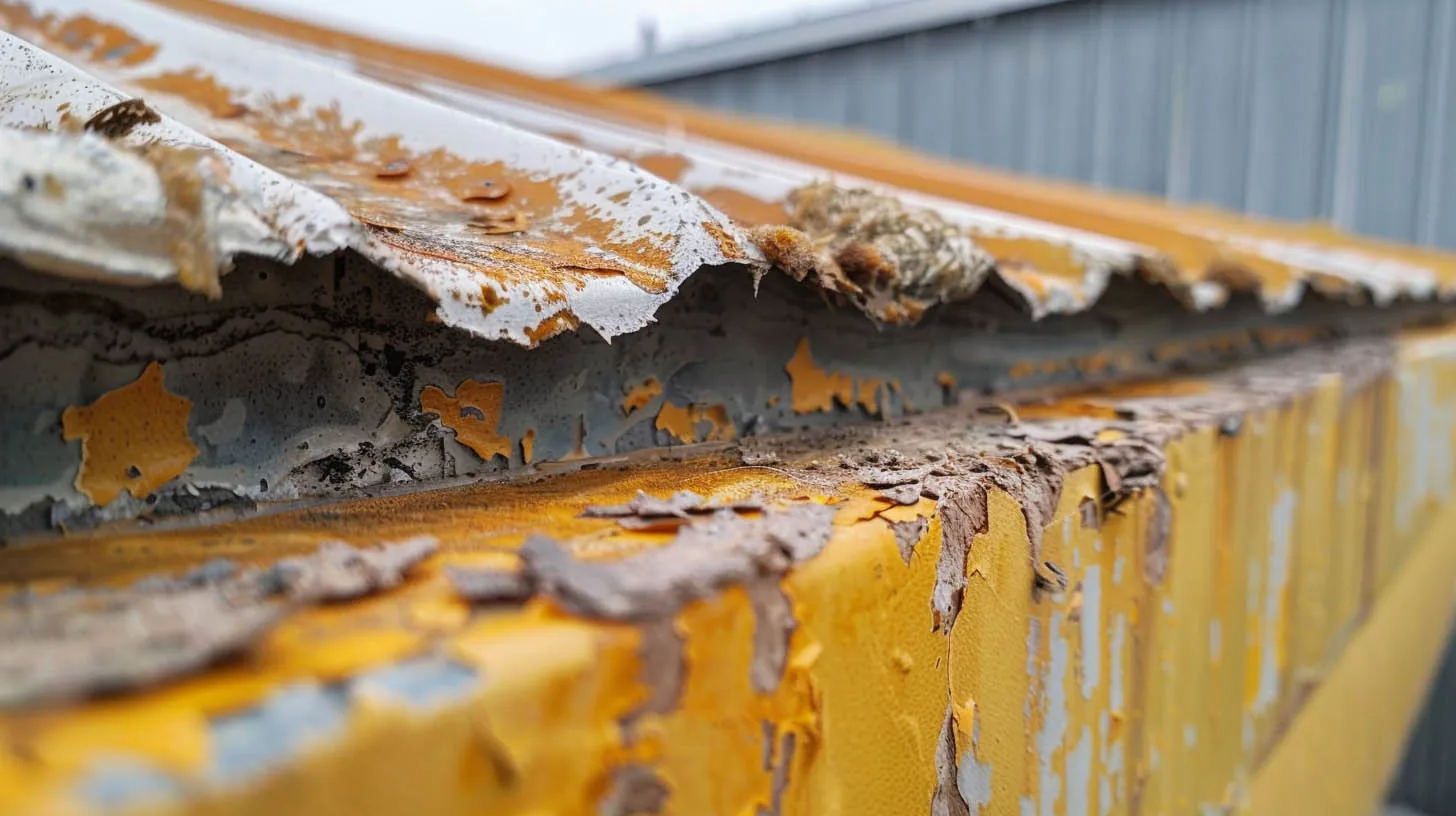
We check the roof assembly, tenant demising lines, drains, curbs, equipment clearances, seams, penetrations, and loading access. The report notes which findings affect the repair boundary and which require another trade or a separate test.
How do you price concealed roof damage?
The proposal sets a stop-and-document process for wet insulation, damaged deck, or unexpected layers. We photograph and measure the exposed condition, submit the added work and price, and wait for the authorized representative's decision before expanding the scope.
What should be saved after a flex roof repair?
Keep the roof map, dated photos, approved scope, changes, materials installed, tenant notices, and next inspection date. We identify the section and contact tied to any remaining drainage, equipment, or access item.