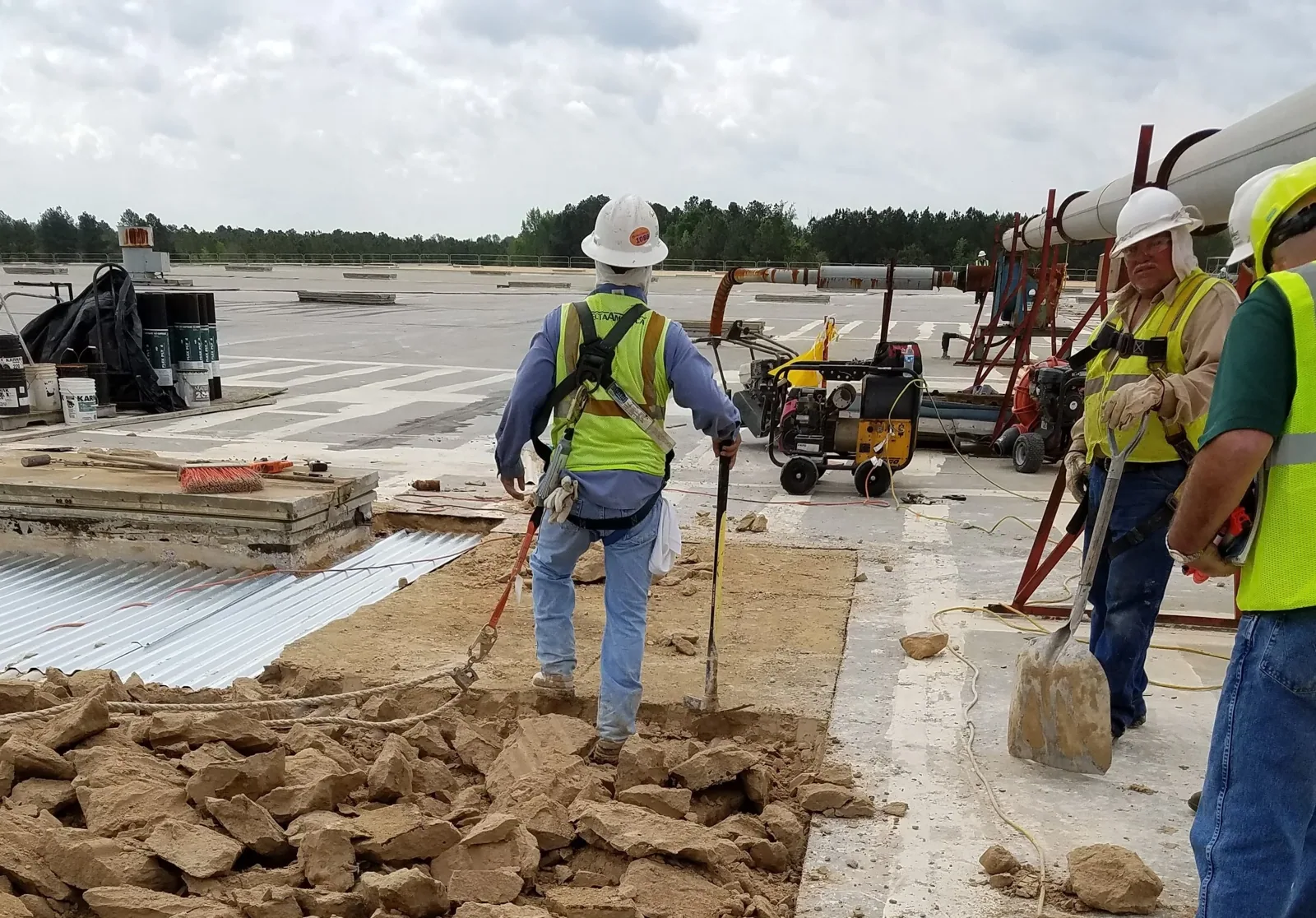
A wet ceiling near a McKinney work area needs a roof section, an access window, and a decision deadline. We protect the interior first, trace the likely water path, and record what the surface shows before pricing a permanent repair. McKinney describes office and industrial parks across the city, with access to US 75, SH 121, and US 380; its business districts include the 121 District and highway nodes. Those are broad development contexts, not proof of a building's use or roof assembly. We confirm each property with the owner and map the condition we actually inspect.
Our first visit connects the reported leak to seams, drains, curbs, edge metal, and prior repair areas. If water is active, emergency response remains available day and night while we set temporary protection. A water-path assessment separates that immediate action from permanent work. For owners with a nearby Frisco asset, a Dallas Parkway roof review receives a separate map and approval trail. The next spend follows the assembly, access, and roof condition at each building, not a highway node or district label.
Map the Roof Section First
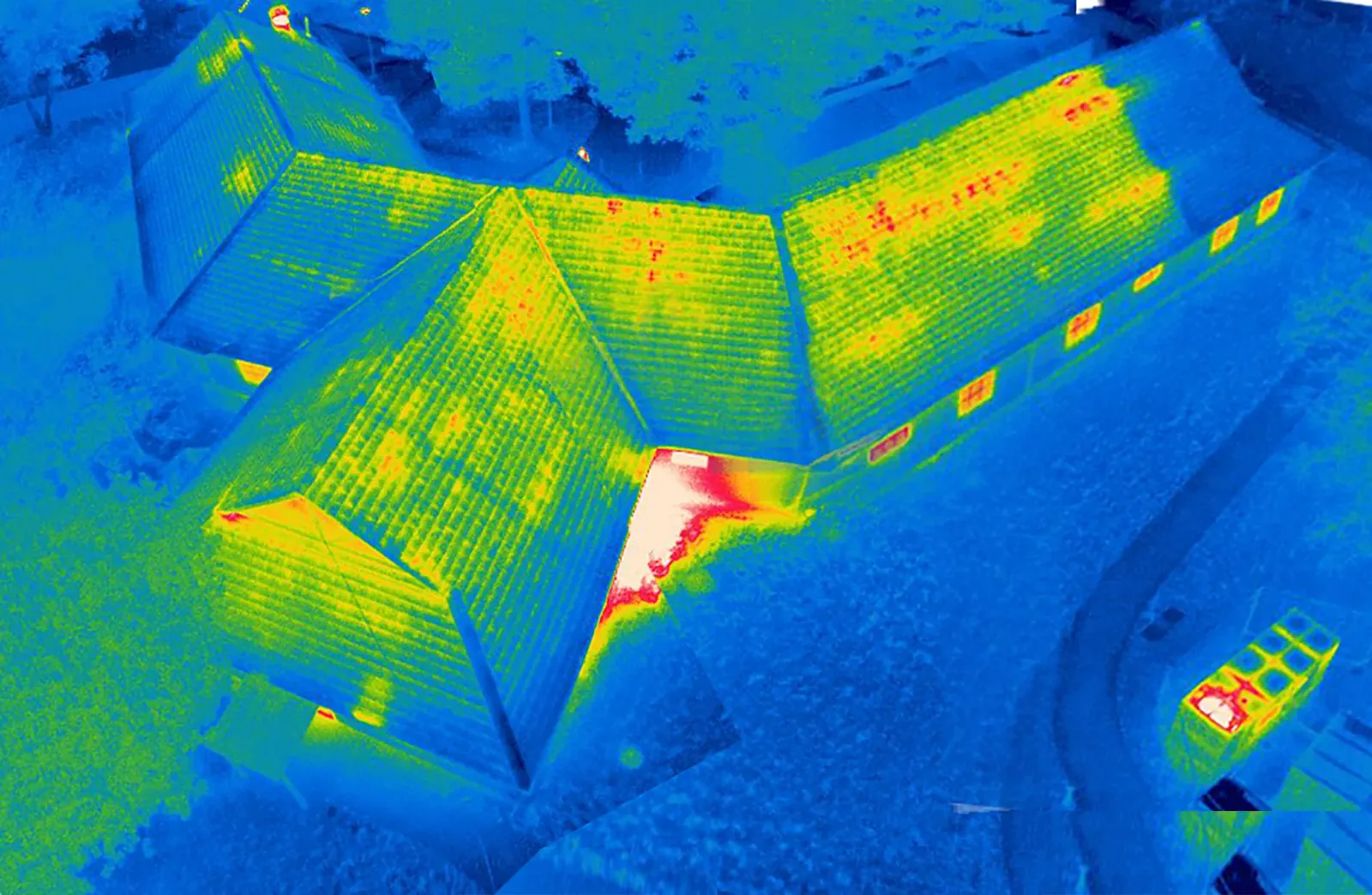
Water can travel beneath a membrane or along a deck before reaching the room where it appears. We record the affected interior area, ask when the change began, and inspect the surface above and around it. Seams, wall terminations, pipe penetrations, curbs, drains, and edge conditions can all change the likely path. The report separates visible evidence from concealed conditions and identifies what a test opening could confirm before the owner authorizes more work.
McKinney's office and industrial park context does not tell us whether a specific site is occupied, has loading activity, or runs sensitive equipment. We ask the property contact about actual hours, deliveries, and shutdown authority. If a work zone crosses a tenant entrance or route, the plan states where the crew can stage and what must stay clear. A section-by-section inspection leaves the manager with photographs tied to named roof areas, while a moisture survey is considered only when the assembly supports that method.
Separate Corridor Context from Site Facts
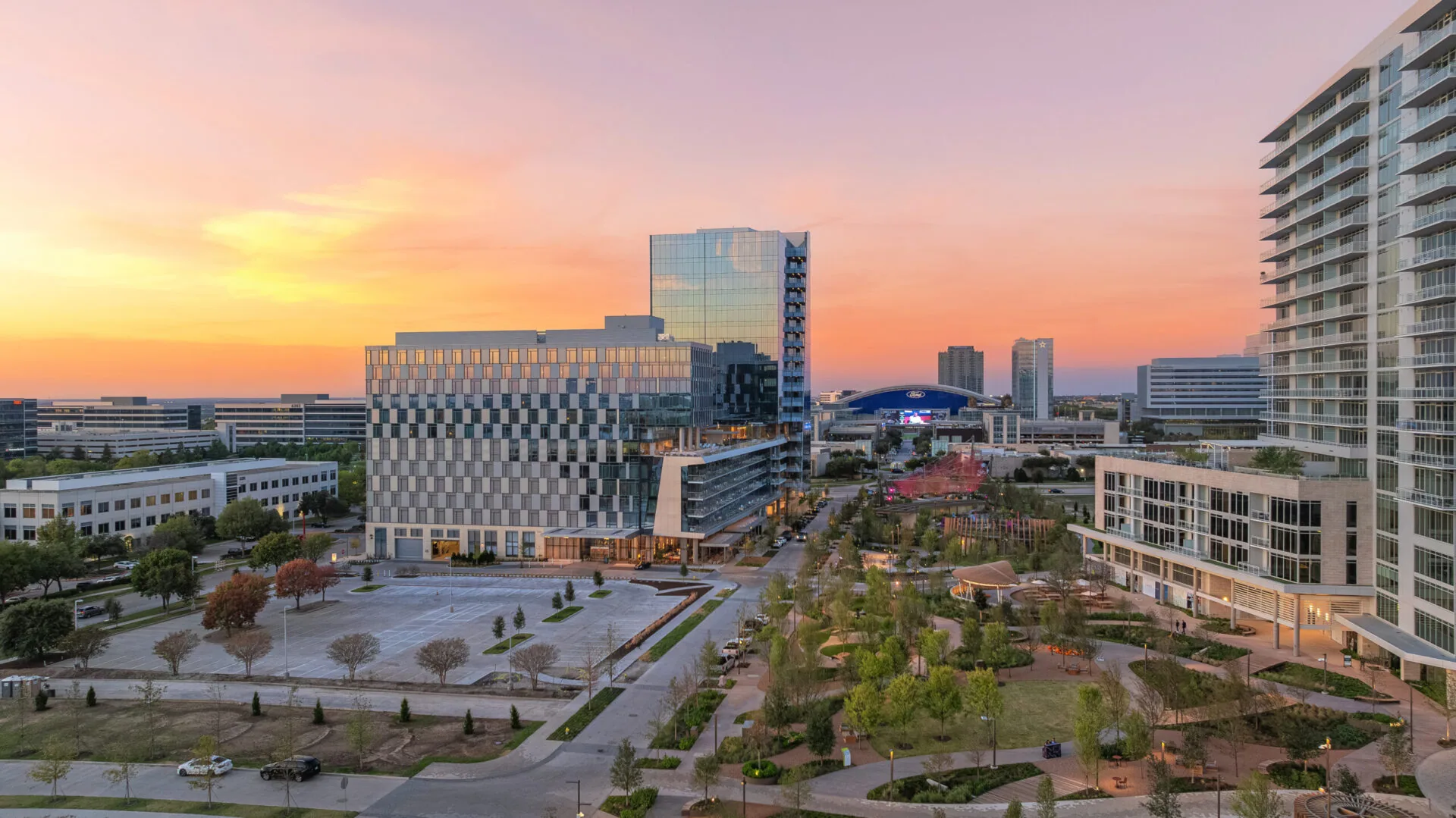
The 121 District and highway nodes give McKinney a commercial planning context, and US 75, SH 121, and US 380 help describe the city's access network. None of those facts identifies a roof's construction or condition. At the property, we confirm the actual entrance, loading path, roof access, and any permits or records that affect staging. If the owner manages several addresses, we label each asset separately so a repair on one building does not become a recommendation for the next.
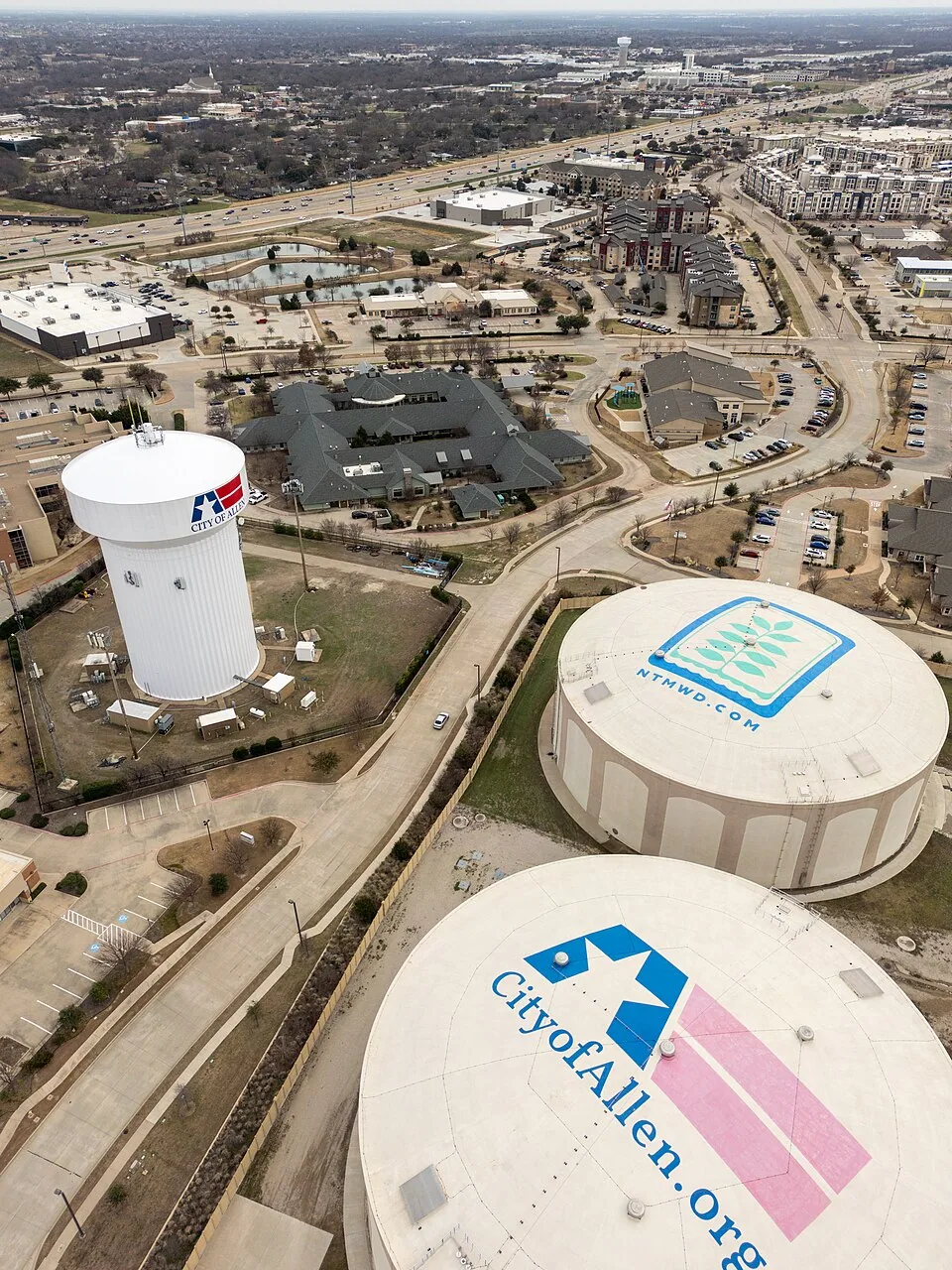
Frisco's North Platinum Corridor and downtown present different development settings in the same regional market. A McKinney roof may call for another sequence based on height, tenant hours, and drainage layout. We keep the condition map specific to the site, then list a first repair line, any test, and the approval needed if removal uncovers a wider condition. A multi-property roof record can keep those distinctions visible across an owner's portfolio. A nearby Allen roof assessment is still inspected and documented on its own.
Read Heat, Rain, and Storm Evidence
In regional normals, July's mean daily high is 95.6 degrees, rising to 95.8 in August. Those readings help us schedule heat-sensitive work; on a McKinney roof, we inspect the actual membrane and substrate before setting the installation window. We inspect the assembly, note visible surface changes, and schedule heat-sensitive steps with the actual work conditions in mind. May averages 4.78 inches of rain in the regional normals, so a secure end-of-day boundary and functioning drainage are practical planning checks.
The National Weather Service marks spring as the busiest severe-storm period for DFW. Hail and damaging winds recur somewhere across the Metroplex in most years, while any claim on a McKinney building rests on its own inspection record. We record what is visible before assigning storm work. A hail condition inspection can distinguish documented impact from ordinary aging, while a wind condition review can focus on edges and attachment. The owner can also request a drain and overflow check when water routing is part of the report.
Price a Repair and a Replacement Separately
A repair should identify the detail, preparation, material, and stopping point. When seams or flashings are isolated and the surrounding system remains serviceable, that boundary may be more useful than replacing a broader section. Repeated leaks, widespread moisture, or unstable attachment can support a replacement comparison. We map those findings and keep the base quantity separate from concealed work that can only be measured after removal or testing.
Cost and duration move with roof height, layers, staging, insulation, edge metal, drainage, disposal, and the hours available for work. A proposal identifies what is known, what could change, and who approves the next line. A bounded repair estimate should not blur into the replacement alternative. If a coating or recover is under consideration, we first verify that the existing assembly and its condition allow that option; a restoration review is not a substitute for correcting wet insulation or failed attachment. A capital plan can place the alternatives against the owner's budget date.
Set the Work Window and Closeout Point
Before mobilization, the owner and our crew confirm roof access, delivery route, staging, occupied hours, equipment shutdowns, and the end-of-shift secure point. If another trade must move a line or disconnect equipment, that approval is part of the schedule. We state which roof area can be opened and closed during the available window. The plan also identifies who receives photographs and who can authorize a change if hidden moisture or deck damage appears.
At completion, we provide dated images, repair locations, material details, approved changes, and items that remain open. The map makes a later leak report easier to compare with completed work. Frisco and McKinney are separate property contexts, even for one ownership group, and the record should preserve each building's decisions. A photo-linked condition report can support the next inspection or budget discussion. Send the affected room, current leak status, roof history, and available access hours. We will identify the first check and return a repair-versus-replacement scope tied to the section. The owner can review that map at the next budget meeting.
Commercial Roofing Questions
Does the 121 District tell you what kind of roof is on a property?
No. It is a business district in McKinney's development context, not an inventory of roof systems. We verify the building's assembly through records and inspection, then connect the recommendation to visible seams, transitions, drainage, and attachment.
Can a leak repair be scoped before the roof is dry?
We can document active water and set temporary protection while the owner decides on permanent work. The report labels the affected area and any safe inspection limit. If conditions prevent confirmation, we state the test or follow-up needed before widening the repair boundary.
What should a portfolio manager receive at closeout?
Keep dated photographs, locations, installed materials, approvals, and unresolved conditions with the property record. We label roof sections so a later report can be compared with the work completed. A second building receives its own map and closeout record.
When is a replacement comparison useful?
It helps when repeated failures, broad moisture, or compromised attachment extend beyond a single detail. We show the observed condition, test limits, base quantity, and approval point for concealed work. The owner can compare that path with a bounded repair before setting the capital date.