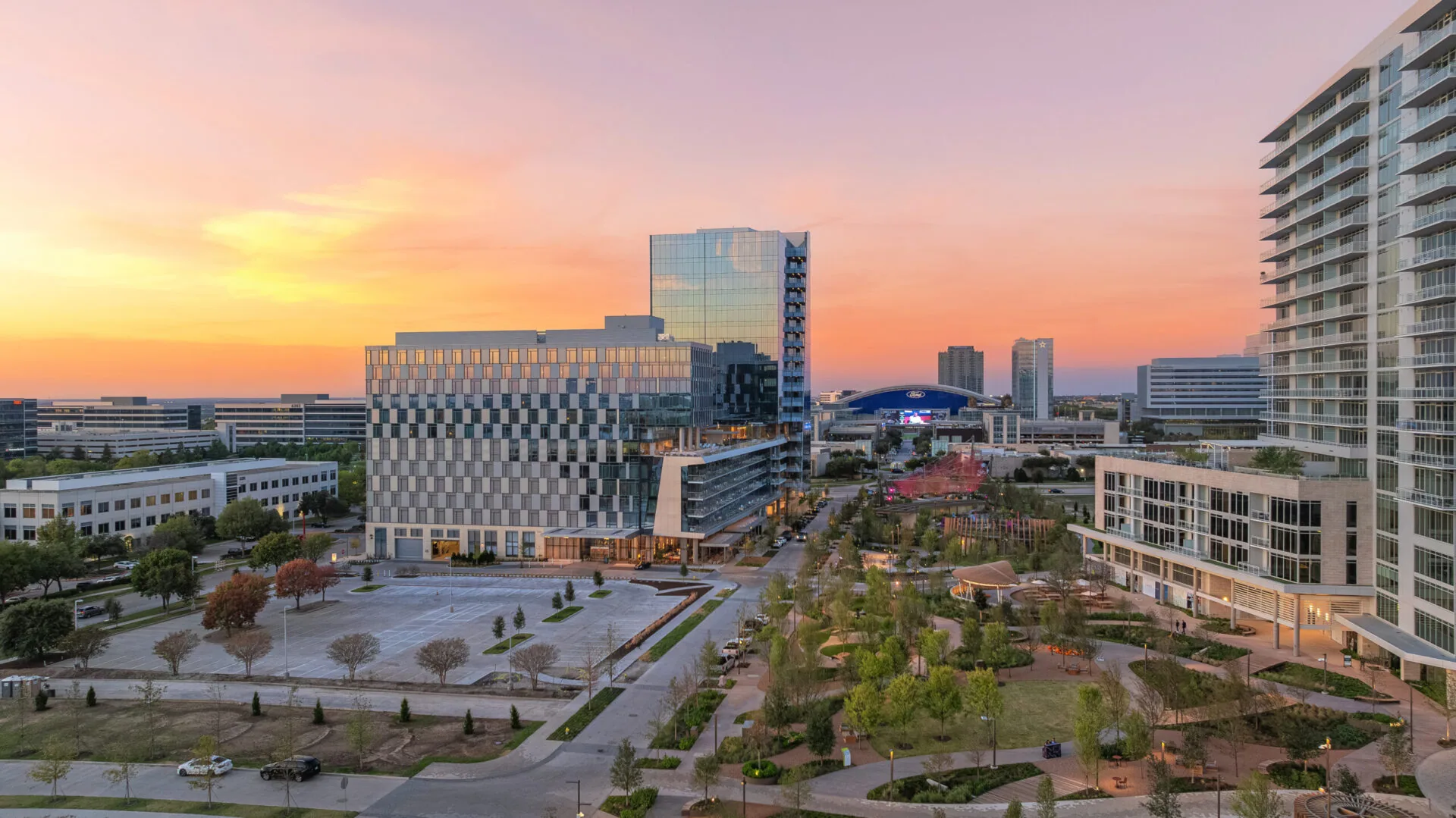
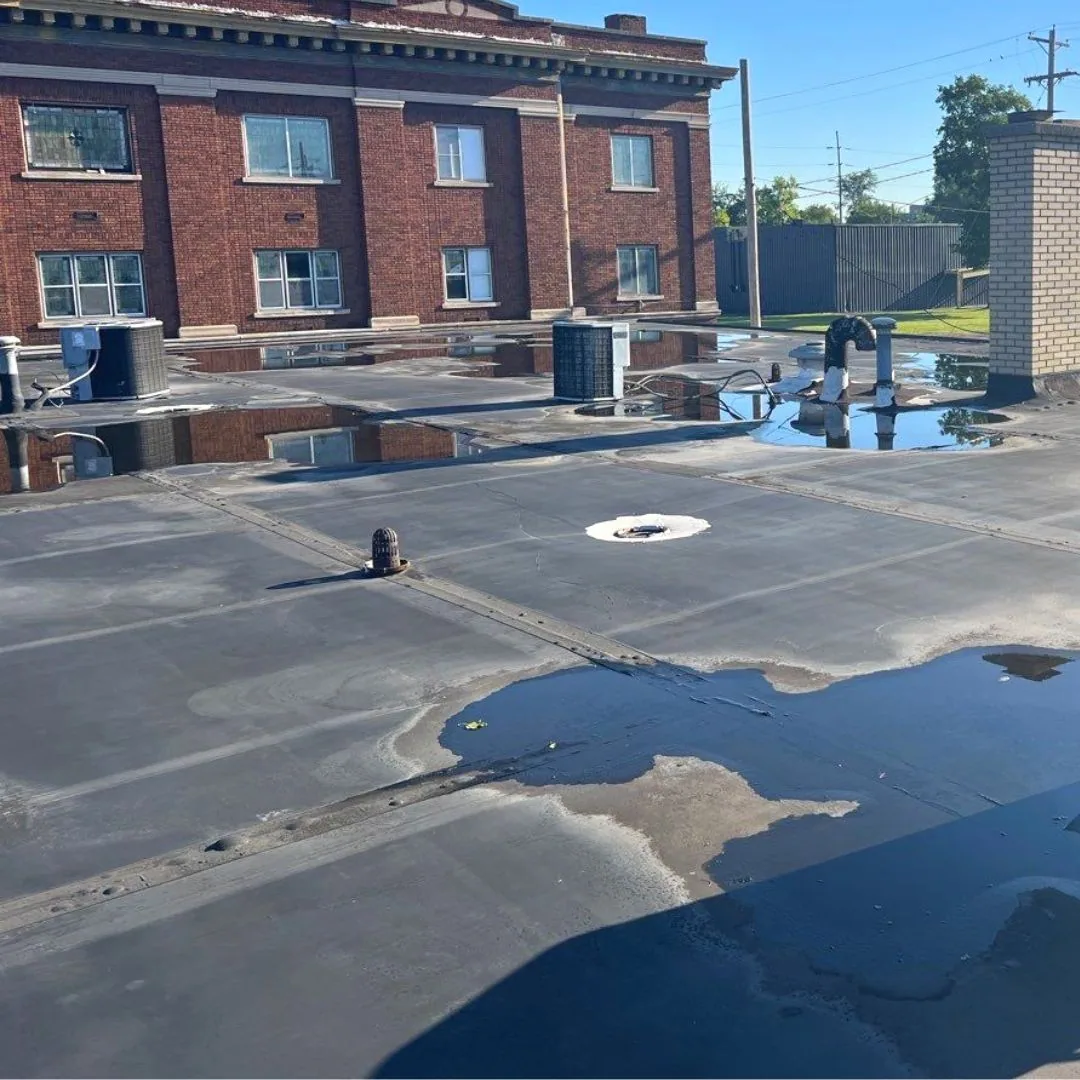
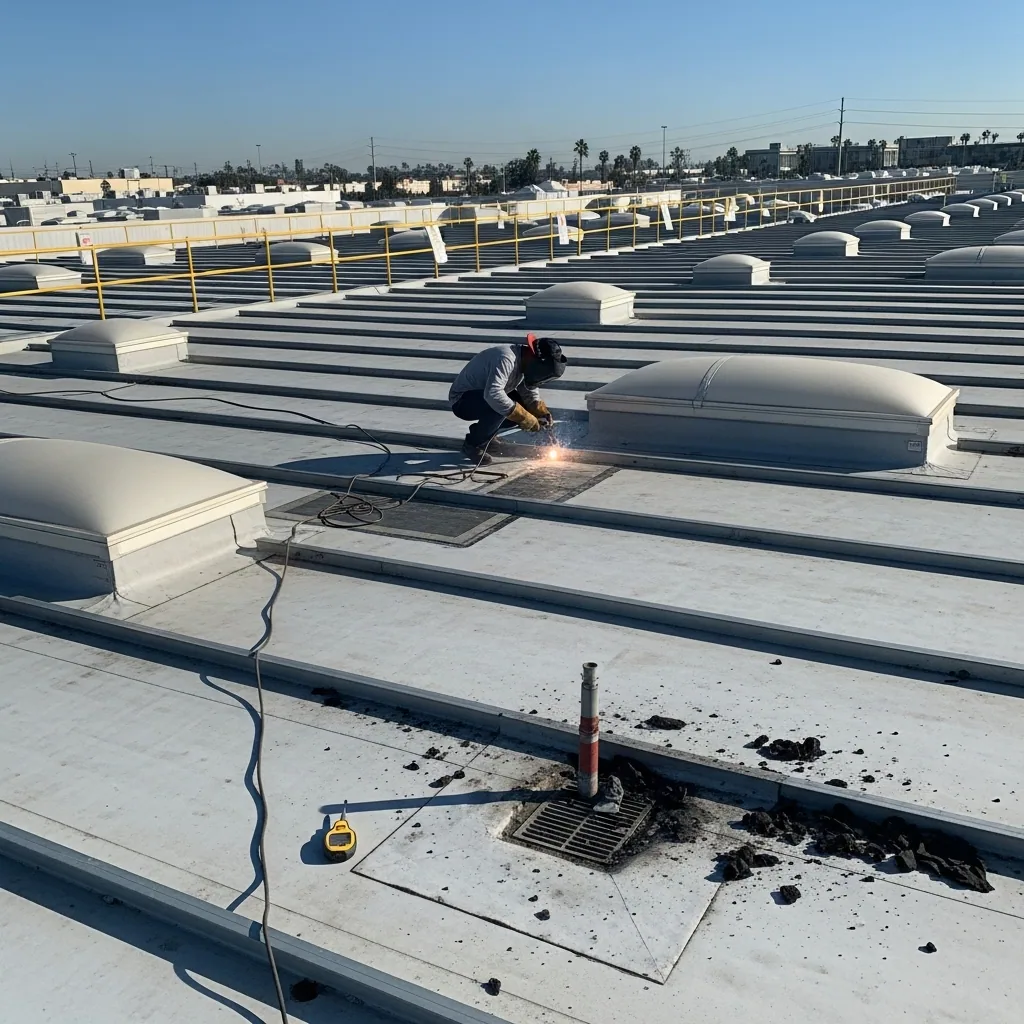
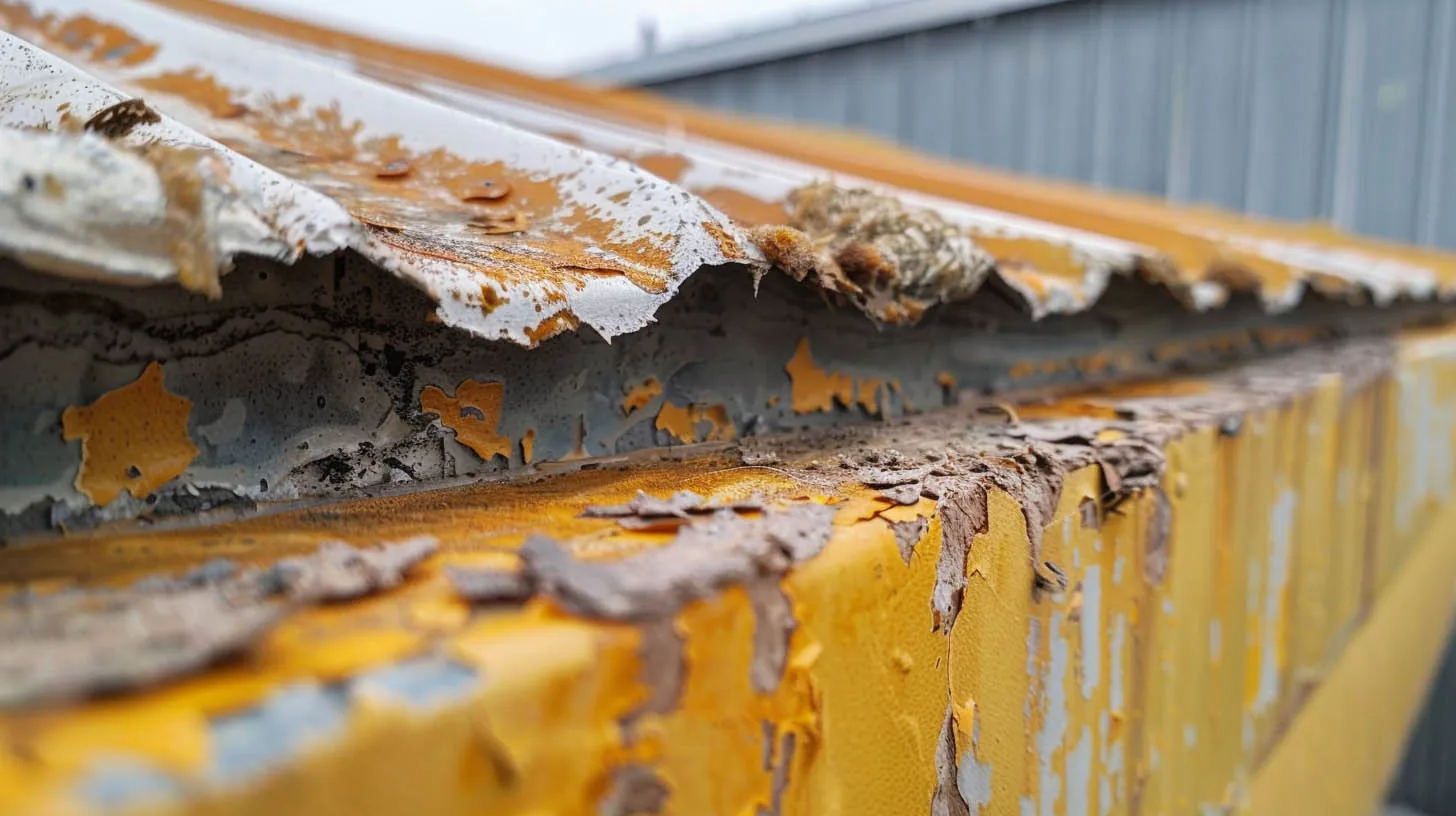
A hail review documents what the roof shows rather than extending a storm report into a damage conclusion. We walk the membrane or metal in sections, checking seams, edges, curbs, drains, rooftop supports, and any interior report that may align with an opening. Spring is DFW's wettest and most active severe-weather season. Large hail, damaging wind, flooding, and tornadoes occur somewhere in the Metroplex nearly every year, though any one property may avoid those hazards in a given year. That pattern never confirms a strike at a Frisco property. North Platinum's corporate and mixed-use sites differ from the older commercial stock in the Downtown Rail District, so the owner sets the access window and inspection boundary. A storm review in the Dallas Parkway corridor still ties each finding to the building section, date, and observed condition. A shallow metal mark can remain separate from an opening that admits water, so each roof finding receives its own photo and repair decision.
Set a Safe Inspection Window after the Storm
Before climbing, we confirm the roof entrance, fall protection, weather conditions, and whether another response team has restricted access. Loose rooftop items, wet surfaces, and damaged edge metal can change the safe route. The site contact identifies sensitive equipment and occupied areas below, while the crew sets a walking path that avoids unnecessary loading. If the roof is unsafe, we document the access limitation and arrange a later inspection rather than forcing a conclusion from the ground.
When water is entering, interior protection and temporary control can proceed as separate priorities. We photograph the reported area and then relate it to roof features instead of assuming the nearest hail mark caused the leak. Our emergency roof repair service can stabilize an active opening when conditions allow. A hail survey remains a measured review of roof components; it does not promise that every impact requires replacement. The owner receives a clear distinction between immediate protection, diagnostic work, and permanent repair. If weather interrupts the inspection, the report identifies which sections were observed and which need another pass.
Record Membrane, Metal, and Accessory Conditions
We divide the roof into practical sections and inspect membrane surfaces, laps, flashing, edge metal, drains, skylights, and exposed equipment supports. On metal systems, we note visible deformation, coating disturbance, and affected seams without treating a dent as proof of water entry. On single-ply or asphaltic roofs, we look for punctures, splits, displaced surfacing, or changes at details. Photographs include enough surrounding context to locate a mark later. Where an impact is only cosmetic or the evidence is uncertain, the report says so.
Storm work can uncover more than one condition. An open lap is mapped separately from impact marks, and an equipment or foot-traffic puncture is not labeled hail damage without supporting evidence. Our membrane puncture repair review addresses a confirmed opening; a seam failure assessment covers a split lap. The North Platinum Corridor has multiple large corporate and mixed-use projects, while downtown includes historic commercial buildings and ongoing reinvestment planning. Those place contexts help coordinate a property visit, but the roof's actual assembly and condition come from inspection.
Connect Roof Findings to Interior Reports
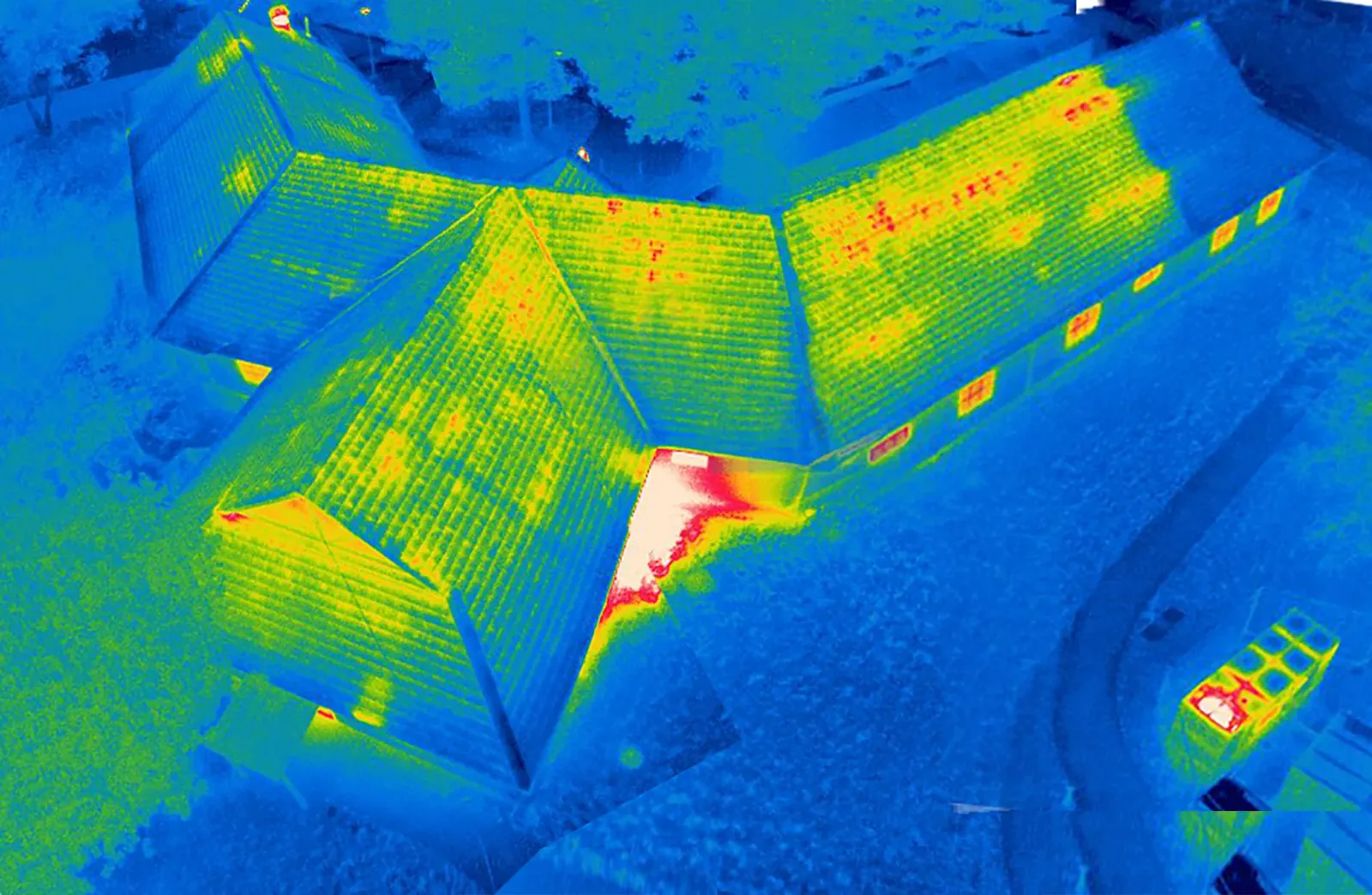
Hail damage and interior leakage do not always share the same location. We compare ceiling reports with roof drains, penetrations, transitions, and any confirmed opening. Water may move before it reaches a room, and a stain can predate the latest storm. If broader moisture mapping could affect the repair limit, we explain a survey's purpose and conditions. An infrared moisture survey may identify areas for follow-up when the assembly and temperature conditions support useful results; a test opening may still be required.
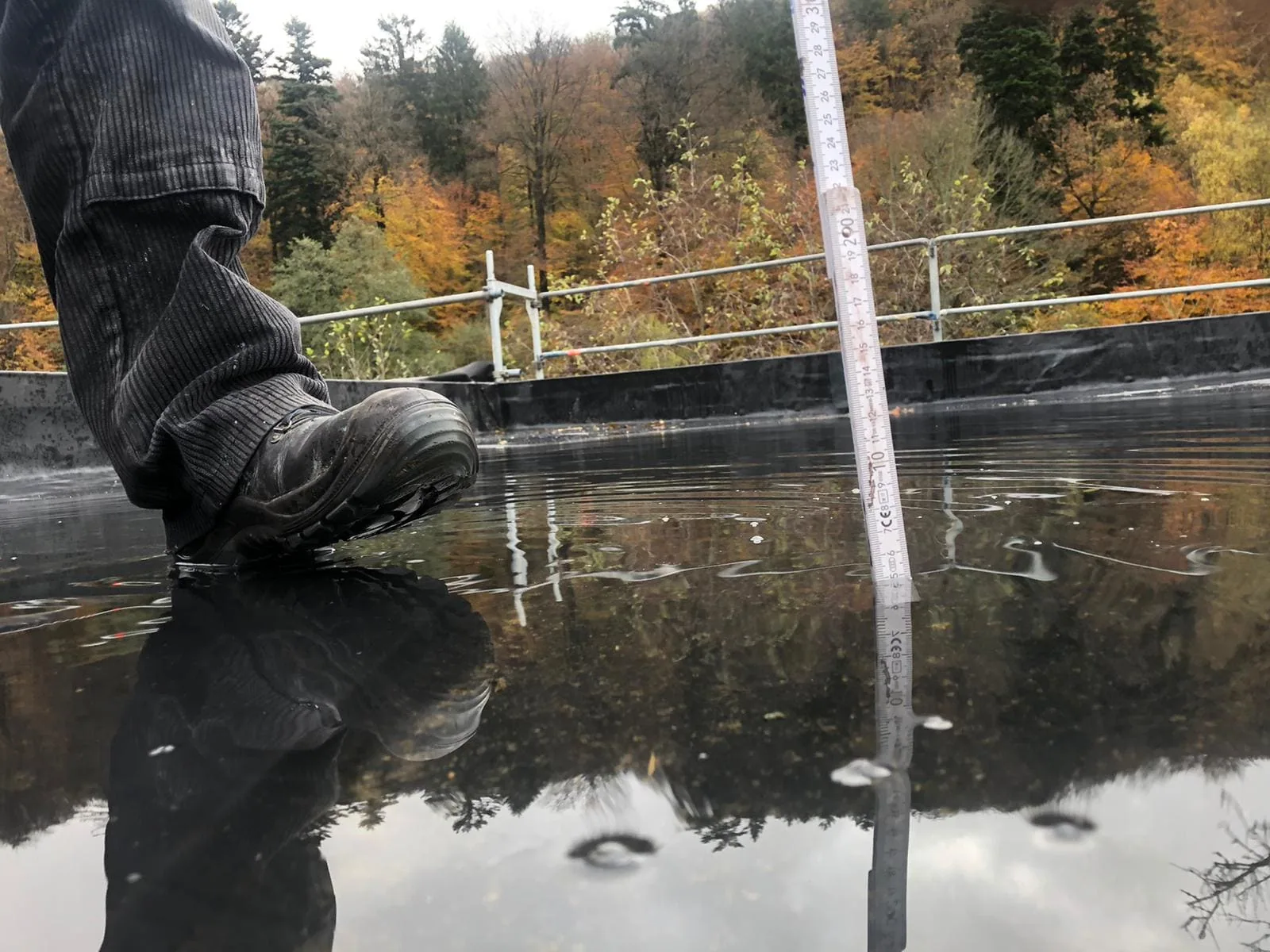
DFW's 1991-2020 precipitation normal is 37.01 inches annually, with 4.78 inches in May. Those measurements make a post-storm water-path check relevant, but they do not identify the source of moisture inside a specific building. We mark confirmed wet material and show the proposed removal limit before expanding the scope. A low spot may retain water for drainage reasons apart from impact, so a ponding-water review is priced independently. The closeout separates visible hail effects, water movement, and any condition that still needs a test opening.
Price Confirmed Repairs apart from Broad Restoration
A repair recommendation follows the affected material and the manufacturer's applicable details. We describe preparation, patch or metal work, tie-ins, access, and any test needed before installing new material. If multiple roof sections show repeated failure or moisture, we can price a broader restoration or replacement comparison separately. The presence of hail marks by itself does not set a roof-wide scope. The owner reviews observed quantities, unresolved conditions, and exclusions before approving work beyond a localized repair.
The Rail District's storefront hours and a North Platinum site's delivery controls may set different visit windows. Frisco frames business parks as nonresidential, with office and modern industry leading a conceptual mix. Zoning and truck routes govern warehouse, distribution, or showroom proposals. That land-use context does not describe a roof or its security. We confirm the actual staging area with the property contact. An occupied-building work plan can sequence notices and roof access while operations continue. If the field evidence supports a larger scope, the replacement comparison remains distinct from documented hail repairs and temporary measures.
Keep a Useful Storm Record for the Property Team
The closeout includes a roof sketch, dated photos, inspected sections, visible conditions, completed repairs, and recommendations for follow-up. We identify the inspection limits, including areas not accessed or openings not tested. A record can help the owner compare a post-storm review with future maintenance without suggesting that the inspection establishes coverage or settlement. If another professional needs to assess structural, electrical, or interior conditions, that work is identified outside the roofing scope.
Dallas Parkway and US 380 are part of Frisco's mobility network, yet neither establishes the route to a roof hatch or staging point. We add the property's approved entrance and delivery limits to the condition file, then connect dated storm photos to the roof sections inspected. A roof condition report gives the owner a clear sequence: observed impact, confirmed repair, and any area that needs a second visit. That record supports budget timing without turning a regional weather figure into a building-level diagnosis.
Commercial Roofing Questions
Does every hail mark mean the commercial roof needs replacement?
No. We document the affected materials and distinguish cosmetic marks, confirmed openings, and conditions that need testing. A recommendation follows the assembly and observed performance, not a count of visible marks alone.
Can hail impact cause a leak far from the impact point?
Water may travel along a roof layer, deck, or transition before appearing inside. We compare the interior report with drains, seams, and penetrations, then identify any survey or test opening needed to confirm the path.
Will your inspection decide an insurance claim?
Our scope documents roofing conditions and repair work. We do not determine coverage or settlement. The owner can share the dated photos and roof findings with the appropriate claim representative or other professional.
What if a roof section is unsafe to access after hail?
We record the limitation and coordinate a later visit after the owner or responding authority confirms access. A ground view is not substituted for an inspection of an area that could not be reached safely.
What should the closeout show?
It should identify the inspected sections, dated photos, confirmed damage, completed repair, and any area that was not accessed or tested. That makes the record useful for maintenance and future review without implying the entire roof was evaluated.