A small opening can admit water long before it looks serious from the roof. We locate the puncture, identify the membrane and underlying assembly, and learn how the area is used. We ask whether service activity, construction, or a recurring rooftop route preceded the leak, then compare that account with the surface and interior report. Water can travel beneath a membrane or insulation layer, so we document the opening and any supported path before choosing a repair. A property near Frisco's North Platinum Corridor may have different access and operating hours from a storefront in the Downtown Rail District. These broad areas include varied buildings; we inspect each roof rather than assume its construction. A North Platinum roof visit still checks the actual building; a commercial roof inspection records the puncture, nearby seams, drains, and penetrations.
Control Water before Opening the Repair Area
If water is entering, we coordinate interior protection and a temporary roof-side control for the surface and weather window. The crew photographs the opening, marks it against roof features, and notes whether the membrane is wet, contaminated, or under tension. A temporary measure is not a permanent repair. The owner receives a clear description of what is protected, what remains exposed, and when the condition will be checked. Our emergency roof repair team can stabilize active water while the permanent scope is reviewed.
Building staff can note when a drip began, whether it changes during rain, and which equipment or inventory needs protection. We compare those details with the roof map but do not infer the puncture from a stain alone. Water can move along a deck, insulation joint, or conduit before appearing below. A commercial leak repair review connects the report to the opening and any second condition nearby. The approval request separates protection from testing, removal, and the final patch.
Match the Repair to the Installed Membrane
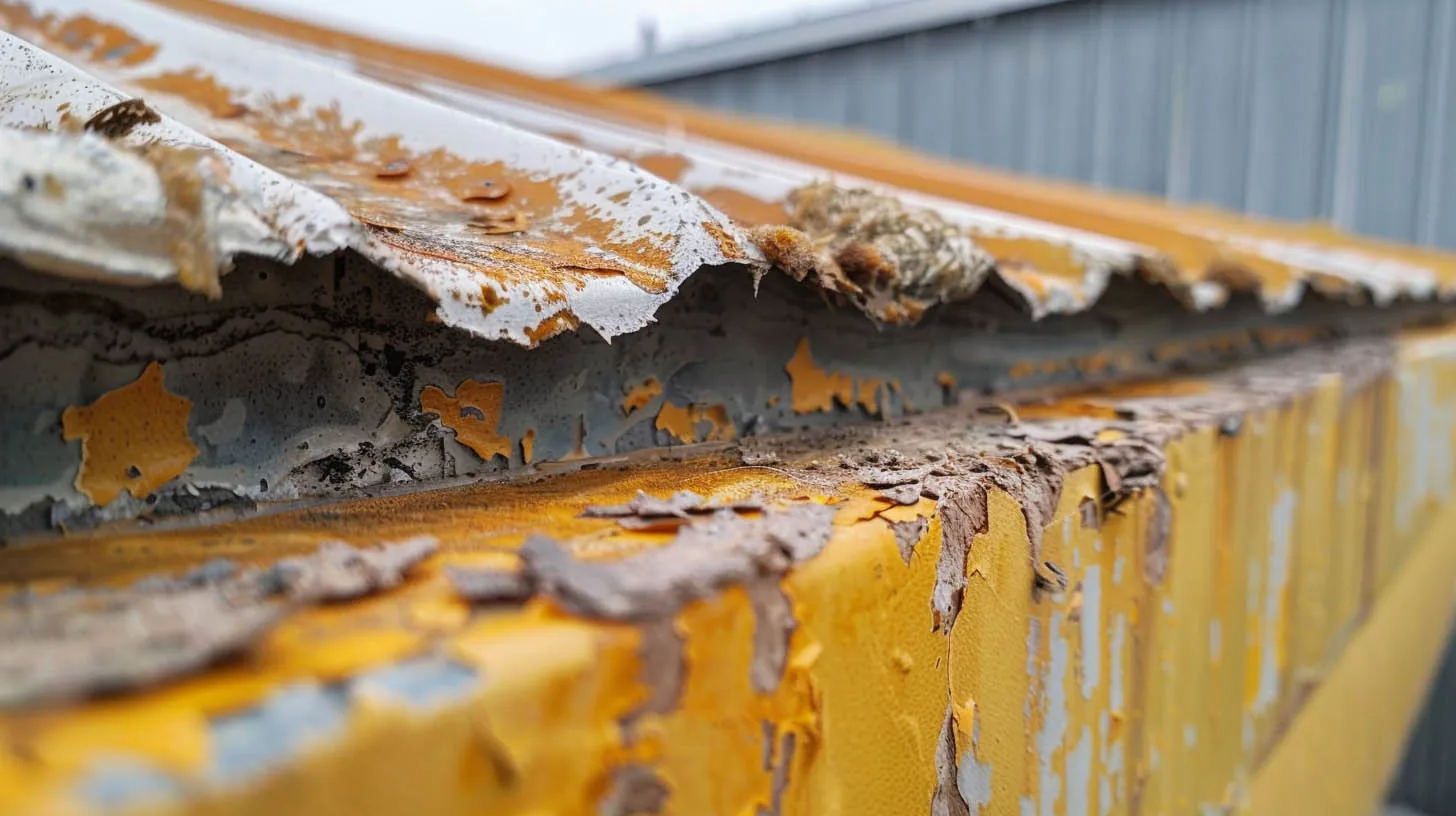
Before selecting material, we identify whether the roof is thermoplastic, EPDM, modified bitumen, metal, or another assembly. We inspect the puncture edge, reinforcement if visible, attachment, prior patches, and receiving substrate. A thermoplastic patch may be welded; EPDM and coated assemblies need different preparation and compatible products. We follow the applicable system instructions and confirm the surface is suitable. If the membrane is concealed or unclear, we propose a test before naming a product.
For an industrial parcel, zoning and approved truck routes determine whether office/warehouse, distribution, or showroom use fits. That land-use context can shape delivery planning but does not tell us which membrane was punctured. We inspect the material at the actual North Platinum or downtown property, identify the patch edge and any reinforcement, and then select a compatible repair. If the puncture touches an open lap, the seam failure assessment measures that defect separately instead of treating both conditions as one patch.
Map the Water Path and Set a Removal Boundary
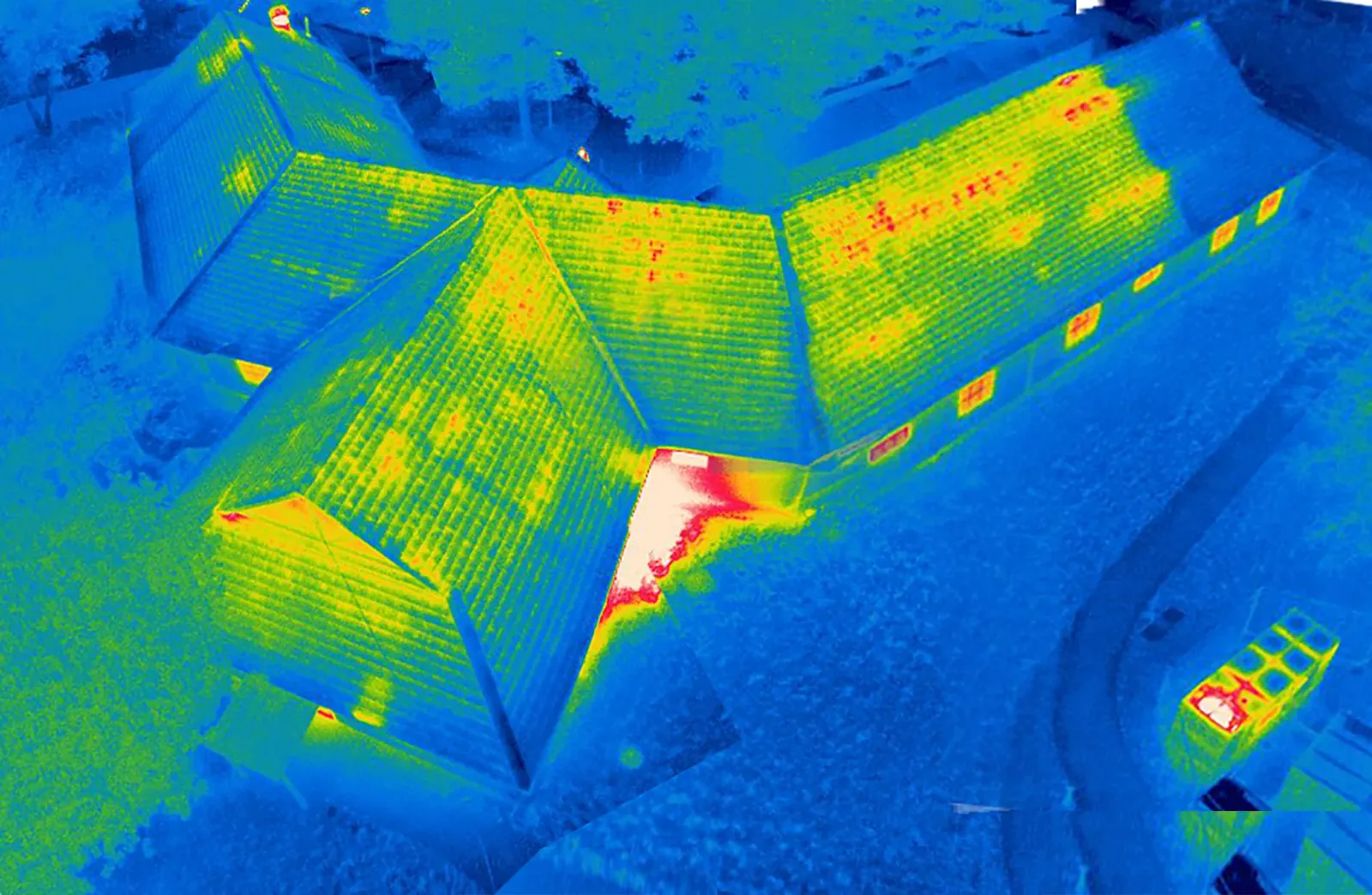
We check whether water reached insulation, deck, or interior finishes by reviewing accessible underside conditions, nearby seams, penetrations, and staining direction. When a broader survey could change the repair boundary, we explain its limits first. An infrared moisture survey may locate areas for follow-up when roof construction and conditions support meaningful results; it does not replace a test opening needed to confirm the assembly.
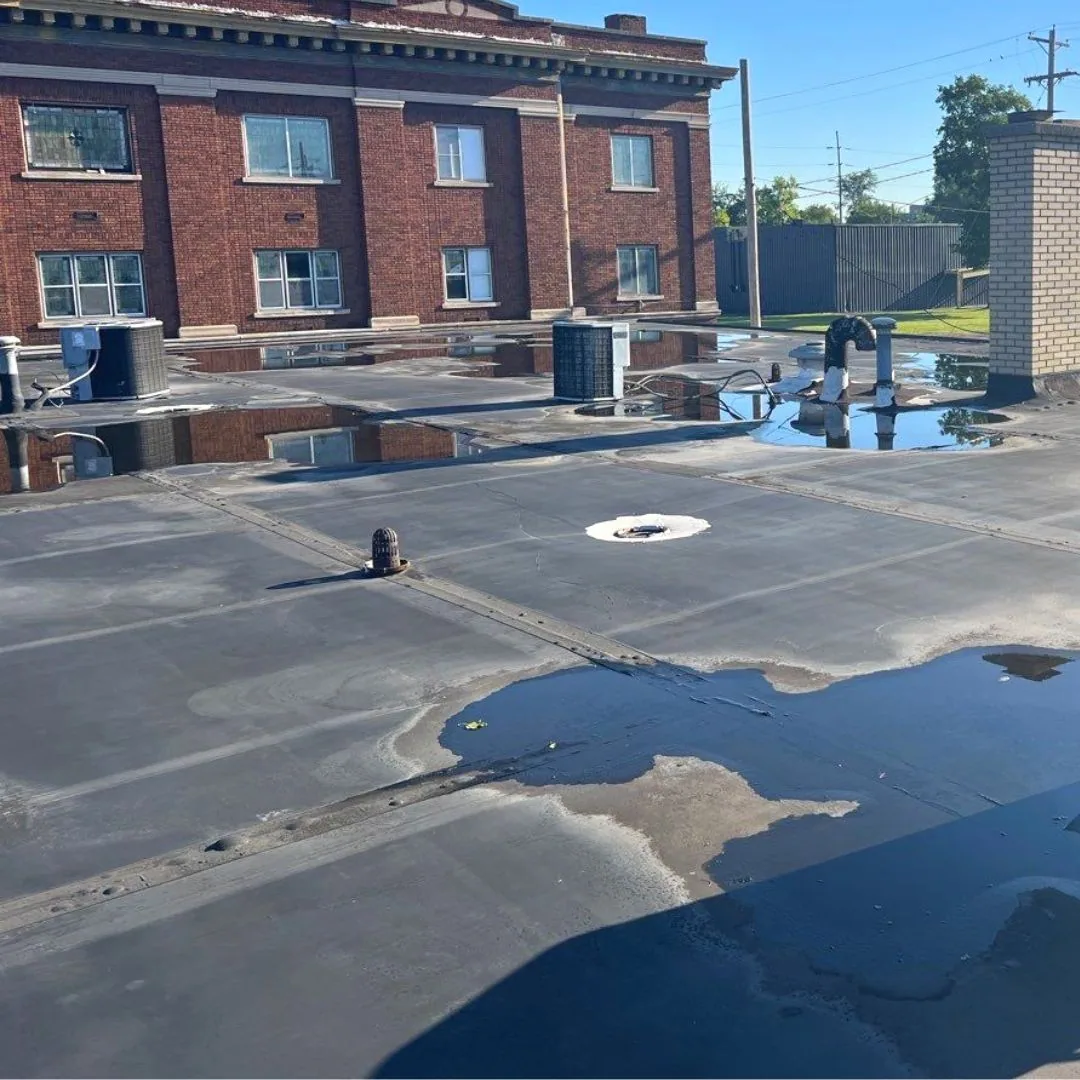
DFW averages 37.01 inches of annual precipitation, including a 4.78-inch May average. That regional record supports post-rain checks but does not prove this puncture caused a report or that insulation is wet. We sketch any confirmed affected material and proposed boundary. If wet insulation or damaged deck is found, the owner sees the added quantity, protection, and cost before removal goes beyond approval. A low area is evaluated separately through our ponding-water review.
Coordinate Safe Roof Access and Occupied Operations
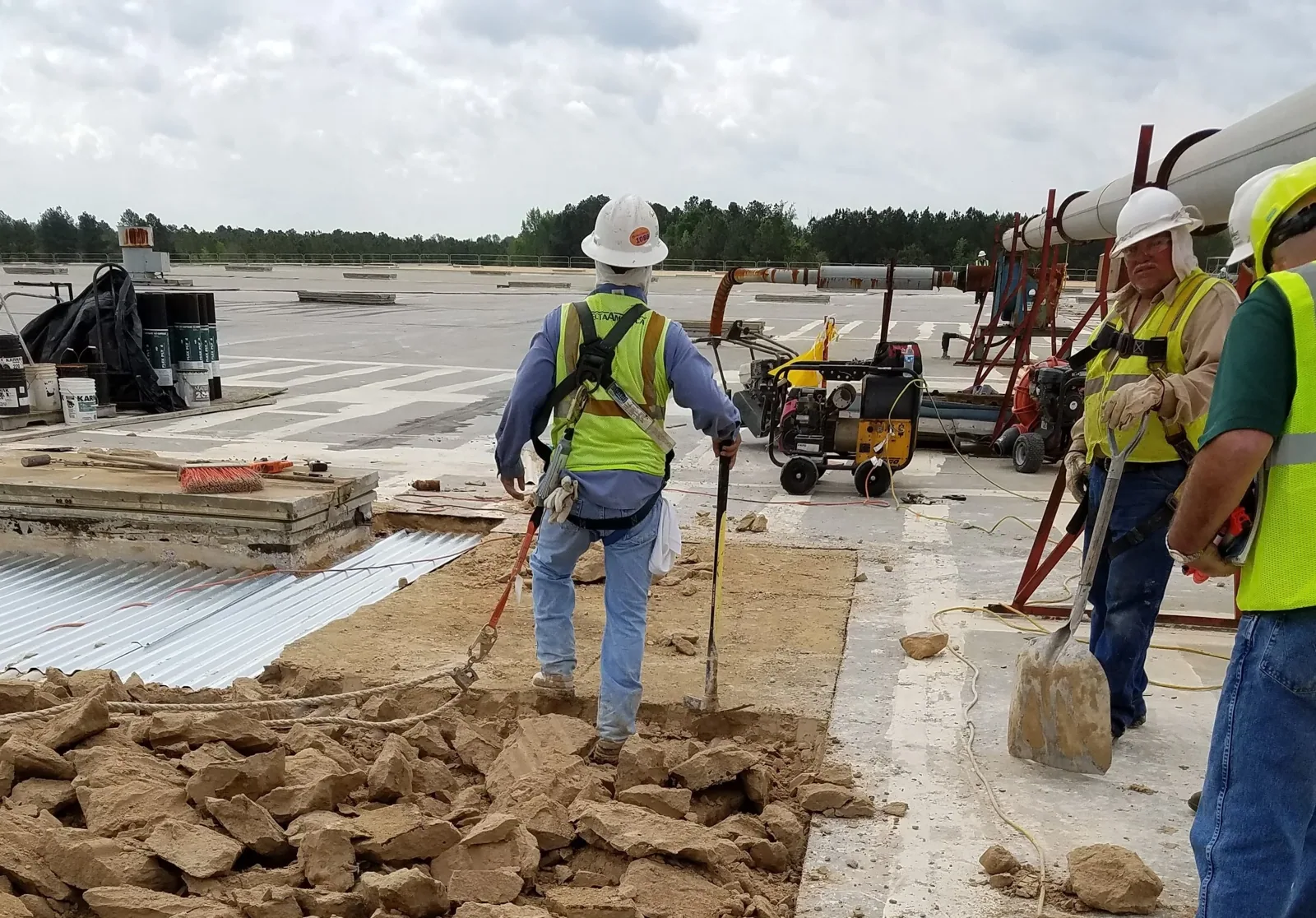
We confirm the roof entrance, fall-protection needs, ladder or lift approach, escorts, and rules near rooftop equipment. The property manager can identify keys and alarm procedures; the facility contact can mark sensitive areas below. We agree on staging, debris removal, and who can approve a changed boundary. Downtown Rail District curbside access and business hours may affect staging; North Platinum loading and security steps may differ. The site contact verifies actual conditions.
Dallas Parkway and US 380 form part of Frisco's mobility network; the building contact still directs the crew to its approved gate and roof entrance. We confirm lift placement, truck limits, and access below before opening the puncture. The inspection record names the area to be exposed and the condition that would stop work, such as unexpected wet insulation or unstable substrate. A phased work plan then ties notices and interior protection to that roof section rather than to a generic schedule.
Verify the Patch and Record What Remains
We install a patch sized for the opening and identified membrane. The crew checks adhesion or weld quality, examines the perimeter, and photographs the completed work. If an authorized test or substrate correction was needed, the closeout identifies its location and result. The report separates this puncture from nearby conditions that were observed but not included. Where the repair edge meets a curb, drain, or existing patch, the photos show that interface so the owner can distinguish the new work from adjacent roof details.
Owners receive the roof section, repair dimensions, material, preparation notes, photos, and follow-up recommendation. If rooftop activity contributed to damage, we can note a practical access or protection measure for maintenance staff. A roof condition report preserves the sketch and repair history. Repeated punctures may justify a separately priced survey, but a localized patch is not a full roof assessment. The record states what was opened, confirmed, and left outside the approved boundary. A maintenance contact can use the marked section to keep later service work clear of the finished patch and report any new opening against the same roof map. This makes subsequent inspection notes easier to compare.
Commercial Roofing Questions
Can you patch a puncture without replacing the roof section?
A localized patch may be suitable when the membrane, bond, and substrate are sound around the opening. We identify the assembly, check for moisture or movement, and set a measured repair boundary. If the surrounding material is wet or unstable, we show the additional removal or testing before expanding the scope.
How do you find the source when the ceiling stain is away from the puncture?
We compare the interior report with roof features, seams, penetrations, and accessible underside conditions. Water can travel before it appears indoors, so the stain alone does not locate the opening. We document the route we can support and identify any test needed to confirm concealed conditions.
Does a thermal survey confirm water beneath every membrane?
No. Survey usefulness depends on the assembly, surface, and conditions during the scan. We explain candidate areas and confirm them with an appropriate follow-up when required. A test opening may be needed to establish what material is wet and where the repair boundary belongs.
Can a puncture repair be completed while the building is occupied?
Often, if roof access, staging, interior activity, and the work window are coordinated. We confirm escorts, safety rules, delivery routes, and any areas requiring notice. The plan also defines how the crew will protect the opening if weather or an unexpected substrate condition stops the work.
What will the closeout include?
The record identifies the roof section, approximate repair dimensions, preparation and material, quality check, and finished photos. It also lists any additional condition that was found but not approved for repair. That gives the owner a useful maintenance record without suggesting the whole roof was evaluated.