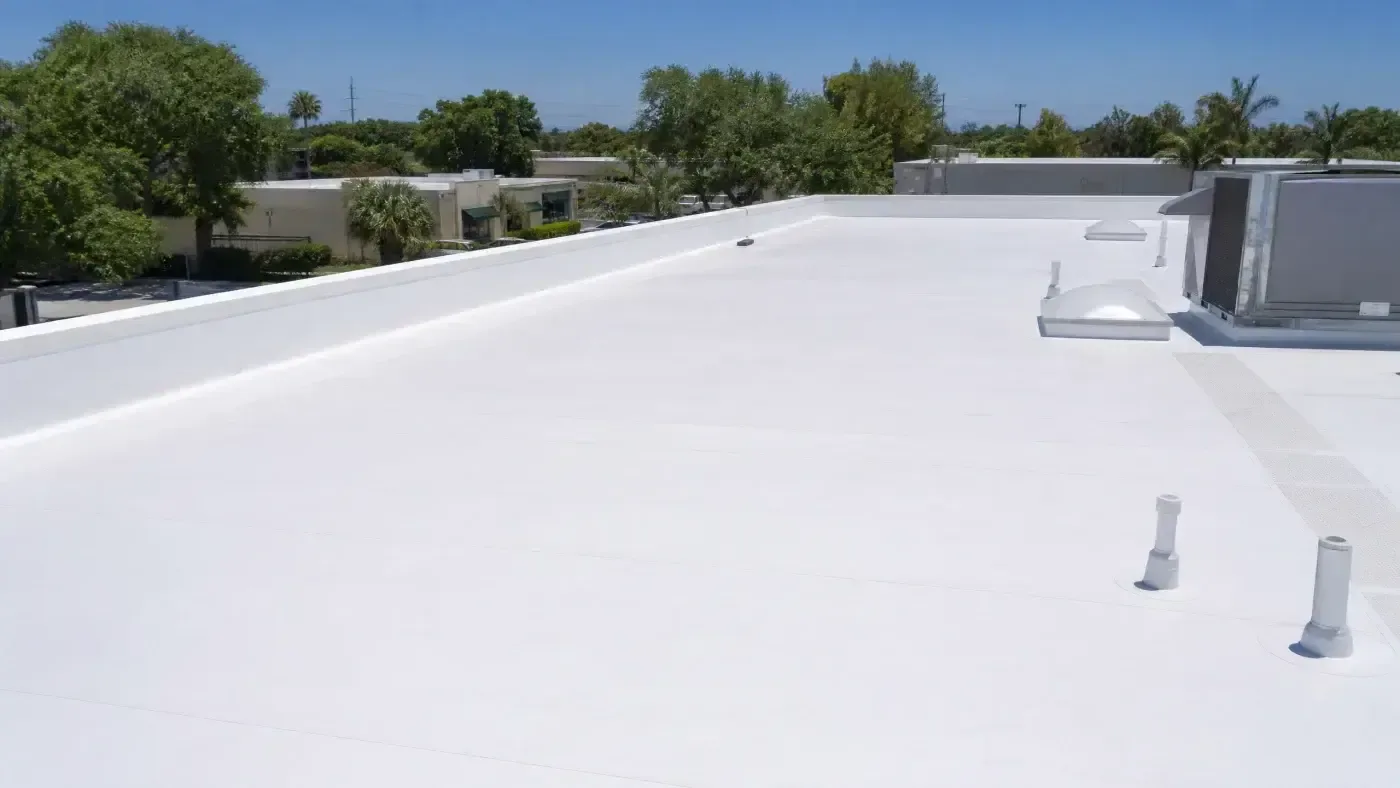
A maintenance visit has value when it changes the next roof decision. In Frisco, TX, we map open seams, drain conditions, flashing movement, and previous repairs before setting a recurring schedule. DFW summers bring prolonged heat, while spring is the region's wettest and most active severe-weather season. Those conditions shape the inspection calendar, but they do not tell us what a particular roof needs. A business park, the Rail District, and a mixed-use office property can have different access windows and detail counts. We record the roof section, condition, repair line, and date for the next check. A commercial roof inspection establishes the starting map; maintenance keeps later findings tied to the same areas.
Put Roof Checks on the Operating Calendar
The schedule follows roof exposure, drainage, repair history, and the consequences of a leak inside the building. We set visits before seasonal weather changes and after reported events that may have affected a roof section. A single annual visit may not suit a property with recurring drain debris, active rooftop trades, or a documented seam issue. The DFW climate record puts average daily highs near 96 degrees in July and August. Heat makes surface conditions and product handling worth checking, while the spring storm season may call for a separate post-event review. We schedule dates around those seasonal patterns, then inspect the roof itself before recommending work.
Each visit has a defined purpose. The first check may establish baseline photographs and a drain map. Later visits compare those same locations, note movement, and separate a new defect from a condition already being monitored. If a Frisco office building closes early or a distribution operation limits truck access, we schedule roof entry around those constraints. The Rail District's commercial blocks can call for a different material route than a broad business park. The owner sees the timing assumption before approving the next visit.
Keep Findings Tied to Roof Sections
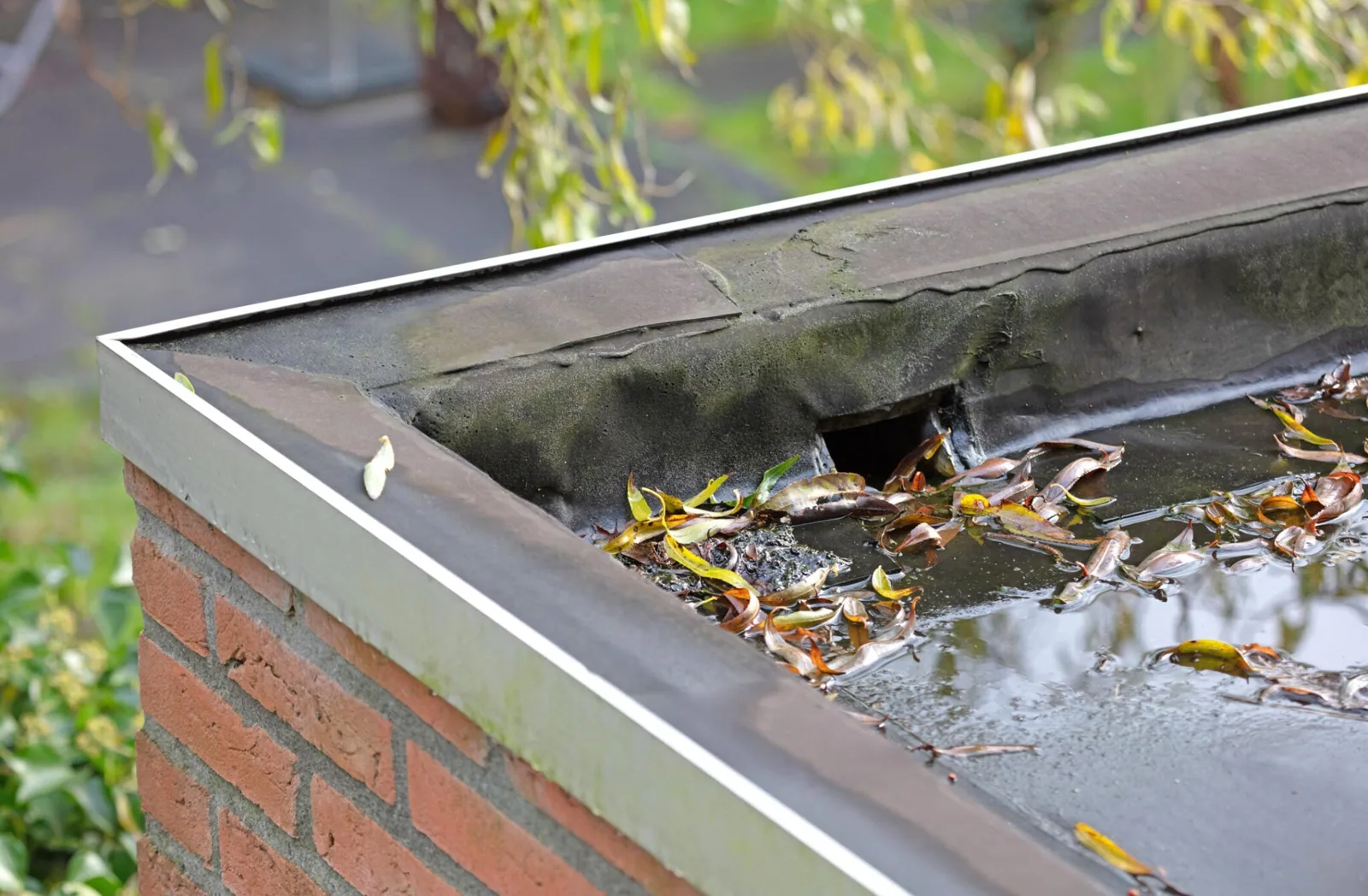
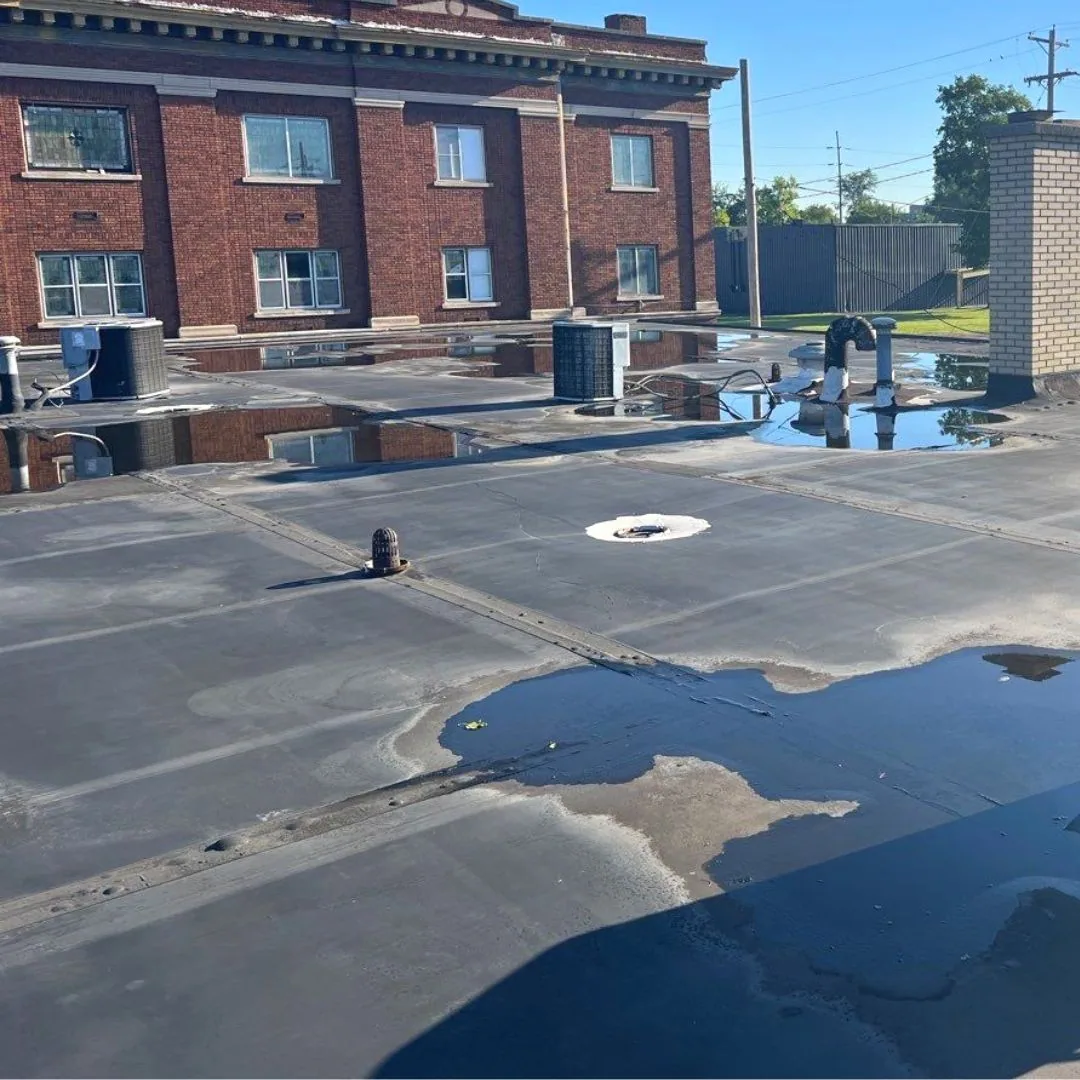
A maintenance note should point to a place on the roof, not just label an entire building as good or poor. We divide the plan into practical sections and record seams, penetrations, edges, drains, curbs, and past repairs by location. Photographs show the visible condition and the relationship between nearby details. A drain with debris is different from a low area that lacks a clear path to the bowl. A loose termination also needs a different repair line from a split membrane lap. The map lets the property team compare work from one visit to the next without treating every item as a new discovery.
Frisco's 2025 land-use framework centers business parks on offices and modern industries. Office/warehouse, distribution, and showroom proposals are conditional on applicable zoning and truck-route access. That is useful context for scheduling, but it does not establish the roof assembly at any individual property. We confirm membrane type and edge construction on the roof before naming materials. When a finding needs a closer test, we mark it as an open decision rather than burying it in a general maintenance allowance. A roof condition report can carry the section map into a capital review or a later repair approval.
Separate the Repair Line from Observation
Maintenance should distinguish active defects from items that deserve another look. We identify whether a seam has separated, flashing has opened, a drain is restricted, or a prior patch has changed. If water is entering, temporary protection comes before a long-range plan. If the roof is dry and the detail remains stable, the owner may choose a dated follow-up rather than immediate work. The scope lists each repair with its location, preparation, compatible material, and closeout check. That boundary makes the next spend easier to review and prevents a minor repair from becoming an open-ended roof allowance.
Our repair recommendation also notes access, weather, and operating limits. A lift, rooftop equipment service, loading window, or occupied room can affect how a small repair is staged. The drain and scupper work may need a separate line if the water path points to slope or elevation rather than debris. For isolated membrane damage, a targeted commercial roof repair keeps the correction tied to a confirmed defect. The owner can then compare the repair cost with a planned replacement date without confusing the two decisions.
Make Access Part of the Scope
Roof access is not a footnote when the building stays in use. We confirm who can open the roof hatch, where ladders or lifts may stand, which areas are sensitive, and whether other trades need the same route. A retail or office tenant may need notice before work above occupied rooms. A warehouse schedule can depend on keeping loading lanes clear. In the North Platinum Corridor, Frisco's mix of corporate and mixed-use development makes property-level access review more useful than assuming one standard plan. We record the hours, protection, and contact path that govern each visit.
Materials and debris stay inside the approved work area. Before a crew moves equipment, the owner and site contact know where it will travel and what will remain open to tenants, deliveries, or mechanical service. If weather changes the plan, we identify which roof section can remain closed and which needs temporary protection. The daily note records the areas inspected, work completed, and items still outside the approved scope. A first-hour response plan remains available for active water entry between scheduled visits; routine maintenance does not replace that response.
Use the Record to Set the Next Spend
The annual plan should tell an owner what has changed and what decision comes next. We summarize completed repairs, observed movement, new water paths, and sections that remain stable. If a repair is repeated, the record shows its dates and boundaries so the owner can compare recurring spend with a larger correction. We do not label a roof as suitable for another year without checking the actual materials and details. The budget date belongs beside each unresolved item, not in a general note that loses the reason for waiting.
For a portfolio with several Frisco buildings, a consistent section map helps finance compare condition without assuming that every roof has the same assembly. A replacement evaluation can be added when findings show broader deterioration, while a stable area stays on its maintenance schedule. The file also preserves photographs, access notes, and material information for the next team. In the Rail District, storefront hours and constrained staging may shape timing; along Dallas Parkway, truck approach and property access still need confirmation. We keep each scope grounded in the building under review.
Commercial Roofing Questions
What should a maintenance visit leave behind?
We provide dated photographs, a roof-section map, the condition of drains and details, and a list of repairs or follow-up checks. Each item has a location and a reason for its priority. The owner can compare the next visit against the same reference points instead of starting from a general roof label.
Can the schedule change after a storm or new leak?
Yes. A new water entry or visible impact changes the next action, so we review the affected area promptly and distinguish it from prior maintenance items. The regional weather record helps set seasonal attention, but site findings determine whether protection, repair, or a later inspection is appropriate.
How do you decide whether an item needs repair now?
We compare active water, movement at the detail, material condition, and the consequence of waiting. The written scope separates a confirmed repair from an item that can be dated for another check. If the evidence is incomplete, we describe the test that would resolve it before assigning a larger repair boundary.
Will maintenance prevent every leak?
No inspection schedule can remove weather exposure or concealed conditions. A maintenance plan helps identify visible defects, clear drains within scope, and document work before a small issue spreads. We state what was checked and what remains unknown so the record supports a practical next step.
What details affect the cost of recurring service?
Roof access, number of sections, drain and penetration count, existing repair history, and the time available above occupied space affect the work. We show the visit frequency and included tasks separately from corrective repairs. That lets an owner review the planned service and approve additional work by its own boundary.