A roof portfolio becomes harder to fund when records stop at the last invoice. In Frisco, we build an asset record around each roof section, its observed condition, completed repair, and next decision date. A business park, office property, and older downtown building can carry different access limits and capital needs. Frisco business parks are designated for nonresidential uses, but parcel zoning and truck access still control what can operate there. That mix makes one spreadsheet status such as good or fair too broad to guide a roof budget. Our commercial roof inspection creates the field observations that make a portfolio record useful.
Start With a Roof Register
We identify each building, roof section, approximate system type, known installation or repair records, access contact, and current operating constraints. Where records do not establish a material or date, the register marks the item unknown instead of filling the gap with an assumption. We record the property's actual use and service route; a business-park label does not establish either one.
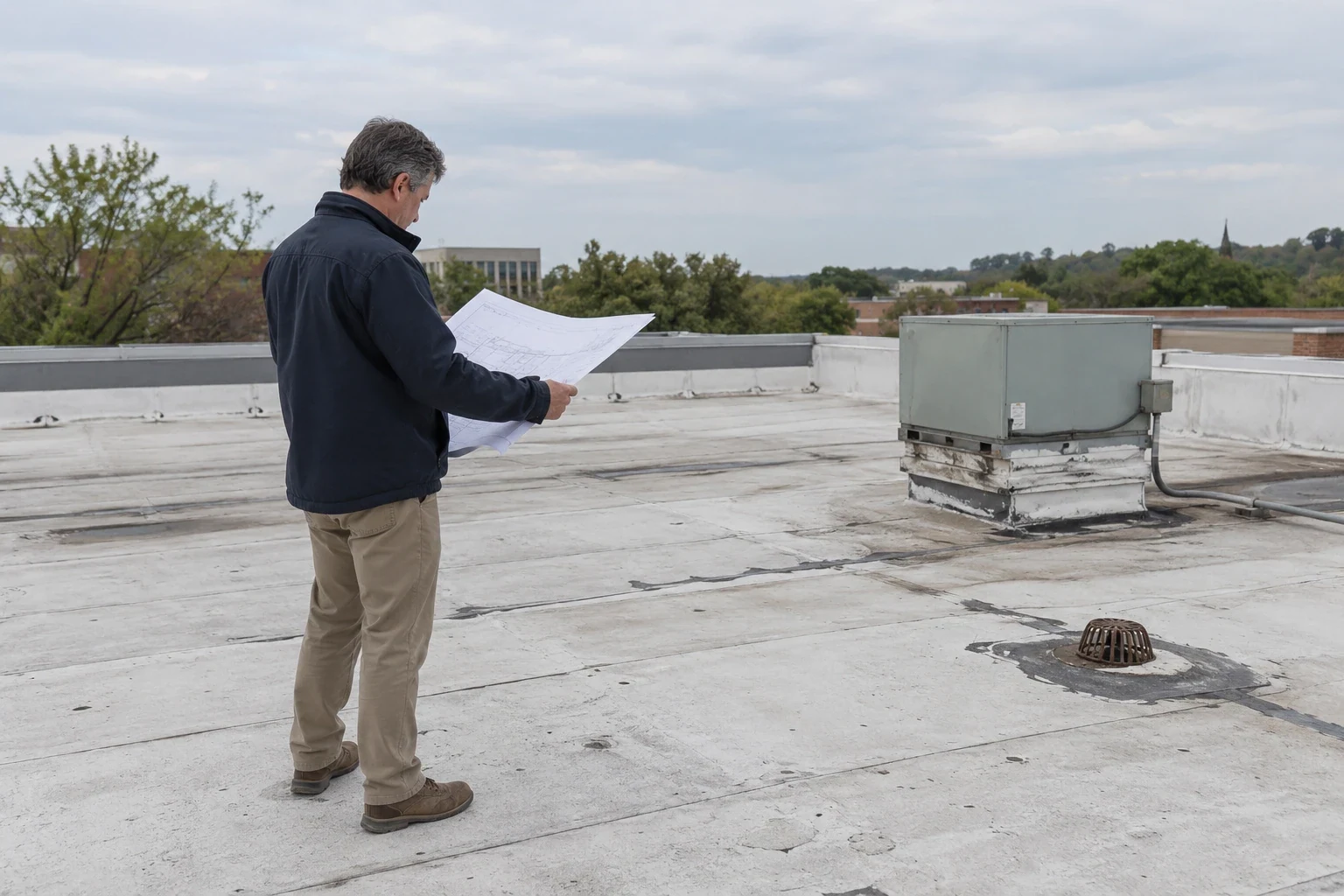
For a multi-building portfolio, we connect each observation to a location on a roof map and a dated photograph. A membrane seam, drain, curb, metal edge, or previous patch can then be found during the next visit. We tie those observations to a condition report with photographs, rather than burying them in a general work order. The record stays useful when a facility manager changes.
Separate Findings From Assumptions
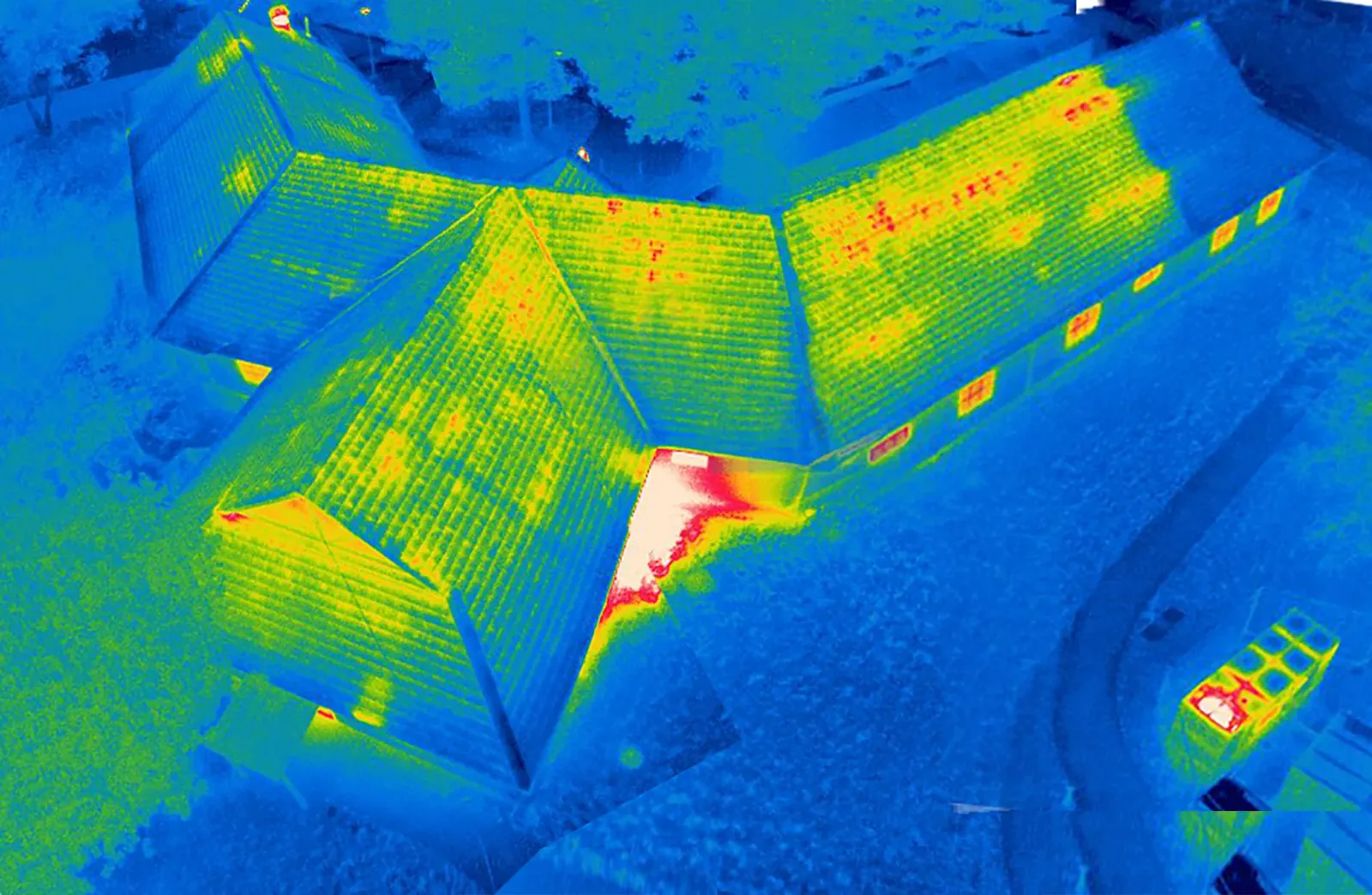
A portfolio view should show what the crew saw, what the owner approved, and what remains to be checked. We record active leakage separately from old staining, note whether insulation was opened, and mark a repair as complete only after the finished detail is inspected. If a scan suggests moisture but no test opening confirms its extent, the record calls for a defined next step. A moisture survey can help target that investigation when roof conditions suit the method.
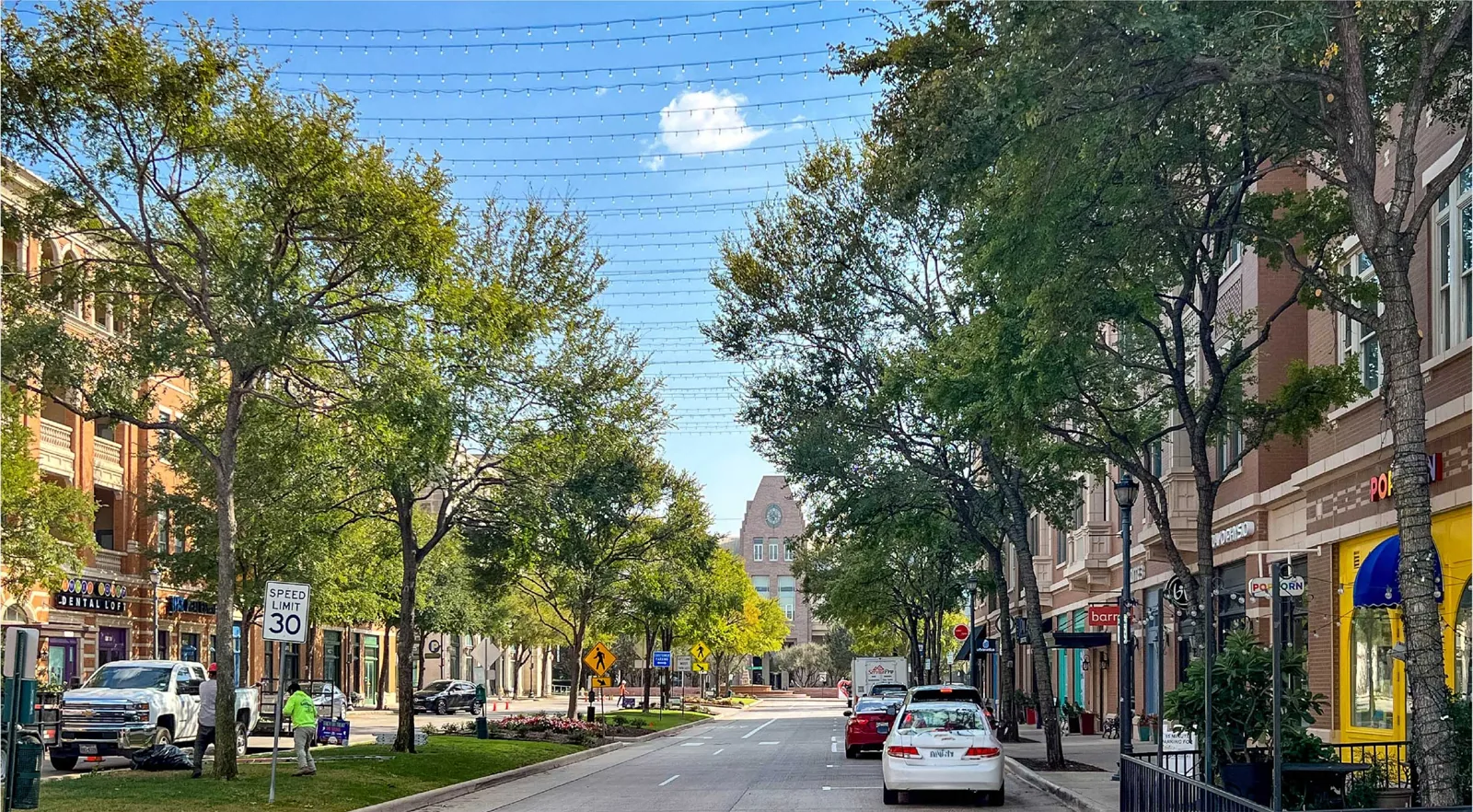
Frisco's Rail District is the city's historic downtown, where owners and businesses can use a reinvestment grant program for built-environment improvements. We store that district context separately from a roof's observed system, access, and occupied-hour details. A section near the Rail District still needs a property-specific loading route, which we verify before setting the work sequence.
Put Weather Events on the Record
In the DFW record for 1991 to 2020, July's average daily high is 95.6°F and August's is 95.8°F. Those climate figures are not roof readings, so a portfolio file should preserve the inspection date and actual surface observations. Sun exposure can affect membrane movement, sealants, and coating condition. Spring is the region's peak for severe thunderstorms; hail and damaging wind occur somewhere in the Metroplex in most years, not at every property. A regional report does not prove damage at a specific building.
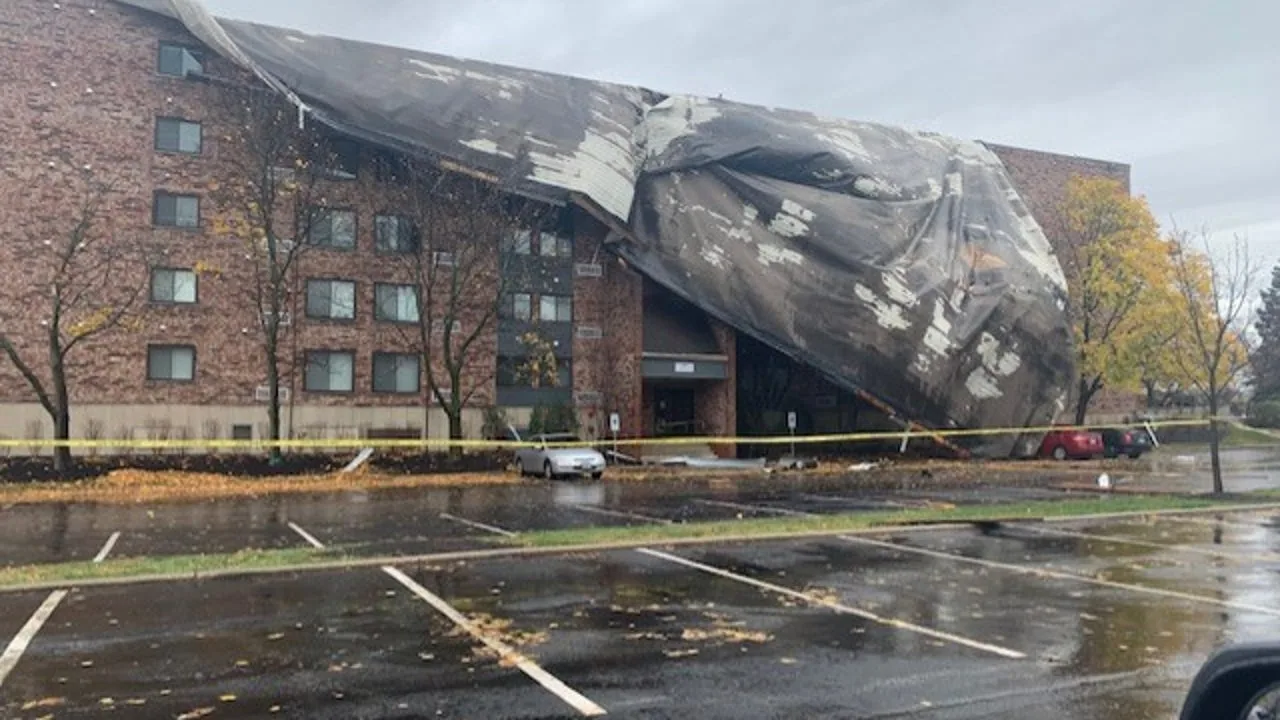
After a storm, we compare the roof map with observed punctures, displaced edge details, open seams, and drainage concerns. We note which areas were accessible and whether water was present during the visit. A hail condition review can add a dated inspection record without converting a weather alert into a claim conclusion. If new findings change the condition rating, we preserve both the earlier and current observations so the owner can see what changed.
Rank the Next Spend
Condition alone does not set the capital order. We group each roof by current water risk, repair scope, access needs, operating impact, and the time available before a larger project must be authorized. A small flashing repair may protect an otherwise serviceable section. Repeated seam failures or wet insulation across several areas may support a broader evaluation. The owner can compare the repair line with a capital replacement schedule that identifies decision dates and records still needed.
We do not assign a useful remaining-life number when the inspection cannot support one. Instead, the record names what the crew observed, which test or opening could reduce uncertainty, and when the next review should occur. Dallas Parkway and US 380 are part of Frisco's mobility network, but traffic access and staging still depend on the actual property. We capture delivery restrictions, lift locations, tenant hours, and shutdown limits before a cost or timing comparison. That gives an asset manager a reasoned order for the next spend, not just a color-coded condition label.
Keep System Details Attached
Different roof assemblies need different inspection notes. A thermoplastic seam, modified-bitumen lap, coating, and metal panel joint do not respond to the same repair material or preparation. We store the system when it has been confirmed, photograph representative details, and track prior work against the roof area where it occurred. If original records are missing, a field review can identify visible assembly features without guessing at concealed layers. A TPO system inspection follows the membrane's actual seams, terminations, and penetrations, while another assembly requires its own detail checklist.
Warranty documents, closeout photographs, and manufacturer instructions can be attached to the relevant building record. We note the document date and the scope it applies to, then flag missing approvals or maintenance evidence for the owner to obtain. Our warranty file review checks the available paperwork and observed maintenance history without promising an outcome from a manufacturer. This keeps an asset list from treating every building as the same system merely because the roofs appear alike from the ground.
Give Each Building a Next Step
Each register entry ends with an assigned action, a responsible contact, and a date for review. That may be a roof walk after the next suitable weather window, an approved repair, a drain check before the wet season, or a replacement evaluation for a section with broader deterioration. Where a follow-up depends on tenant turnover, a maintenance outage, or a budget approval, we attach that trigger to the responsible contact and review date.
We can provide a consolidated portfolio view while keeping photographs and findings tied to the correct property. A new leak does not overwrite the prior condition; the new visit is added with its date and scope boundary. For buildings with multiple roof sections, we show which areas were inspected and which could not be reached. That record gives the next estimator or facility contact a concrete starting point. It also lets ownership compare completed work with the approved repair line before moving the budget to another building.
Commercial Roofing Questions
What belongs in a commercial roof asset register?
We record the building and roof-section identity, confirmed system details, inspection observations, photographs, repairs, known documents, access limits, and next action. Unknown dates or concealed materials stay marked as unknown. That way a portfolio comparison does not turn an estimate into a fact or combine unrelated roof conditions into one rating.
How does a roof condition change the capital priority?
The priority follows the evidence and the consequence of delay. Active water, repeated detail failures, wet materials, access restrictions, and the time needed for approval can move a building ahead of another. We show the repair option, the larger evaluation if warranted, and the decision date separately so the owner can set funding without hiding uncertainty.
Can one portfolio record cover different roof systems?
Yes, with system-specific fields for each building and section. We do not apply a TPO seam checklist to a metal panel roof or assume that a coating sits over a sound base. The record links each repair and document to its location, and flags a system as unconfirmed until the available evidence supports it.
What changes after a storm inspection?
New photographs and findings are added with the inspection date, accessible areas, and observed conditions. A regional storm report provides context, while roof-level evidence records what was found at the property. If additional testing is needed, the register lists that action instead of presenting a suspected condition as a completed diagnosis.
How often should the asset register be updated?
We update it after an inspection, repair, roof opening, replacement decision, or document review that changes the building record. The next review date follows the roof's condition and the owner's operating calendar. A new leak or visible change should be added promptly rather than waiting for a portfolio-wide annual meeting.