A warranty file helps only when its terms can be matched to the roof and the work performed. In Frisco, we gather the available document, identify the building and section it covers, and compare the recorded maintenance with visible conditions. The manufacturer or document issuer decides how its written terms apply. The DFW normal highs exceed 95°F in July and August, while spring brings the region's most active severe-weather season. Those conditions make dated inspection and repair records useful, but the roof and the written terms determine what applies. A commercial roof inspection gives the owner current observations to place beside the file.
Match the Document to the Roof
We record the property, roof section, system type when confirmed, document date, coverage language, and any stated inspection or maintenance requirement. If the original closeout package is incomplete, the file lists what is missing instead of assuming a term or coverage period. A building may have different roof systems or replacement dates across separate wings, so a single property address is not enough to identify the correct record. We connect each available document to a roof map and photographs.
Frisco's corporate sites and business parks are distinct from downtown reinvestment areas, and roof work can happen in phases as a property changes. We record which section a document covers and whether later work altered that area. A roof asset register can keep the warranty record beside inspection dates and repair history, allowing the next reviewer to locate the relevant section rather than search a portfolio folder by address alone.
Keep Maintenance Evidence Dated
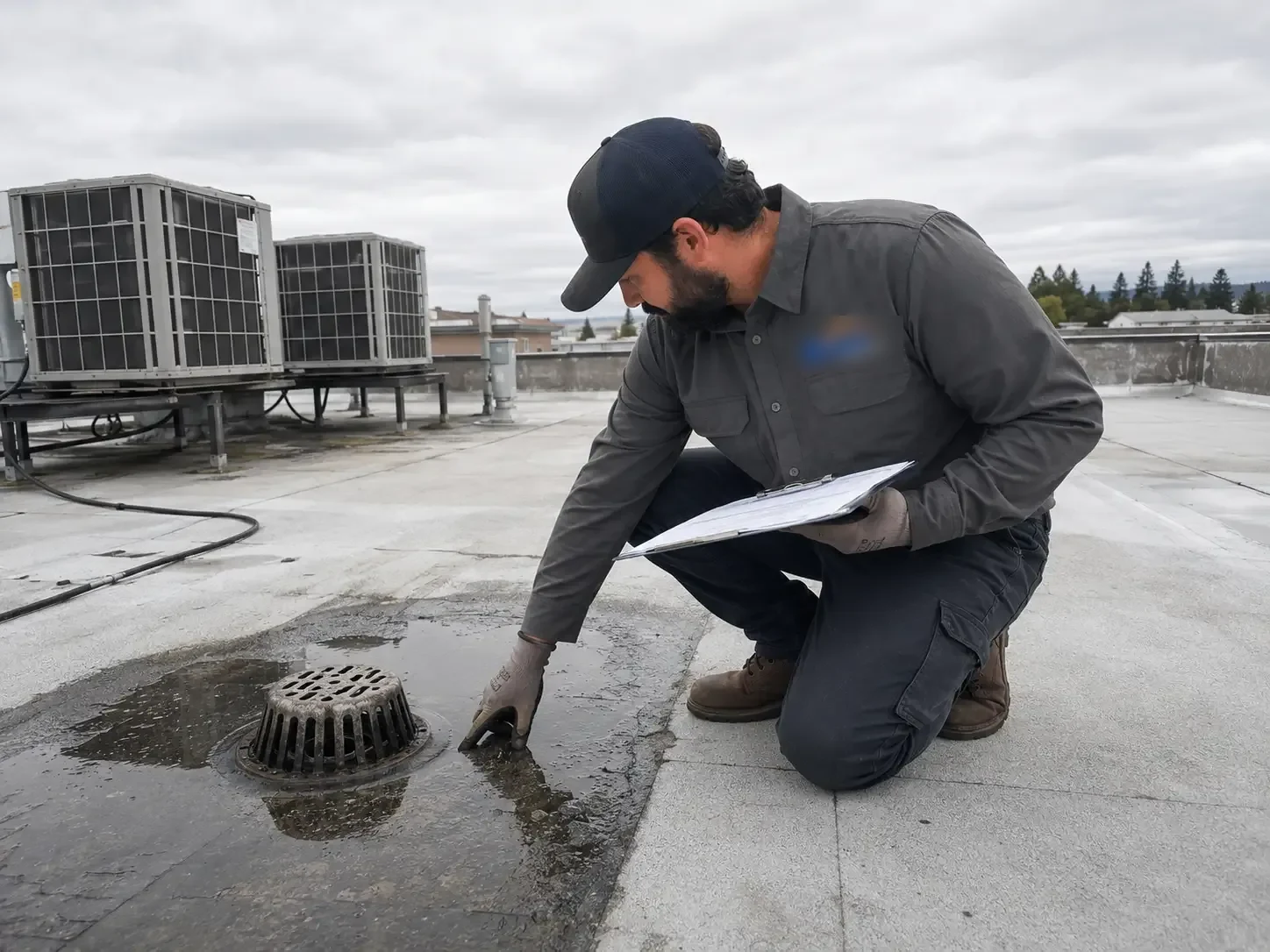
We log drain clearing, seam or flashing repairs, coating work, and follow-up inspections with dates and locations. Photographs show what the crew found before work, what was repaired, and what remained outside the approved scope. If a maintenance interval appears in a supplied document, the record notes its wording and the evidence available to show whether the visit occurred. A contractor recommendation remains repair advice unless the supplied document states it as a requirement.
Frisco's downtown plan identifies ongoing reinvestment around Main Street and Fourth Street, while its North Platinum area includes larger corporate and mixed-use projects. A reroof phase or tenant improvement in either context may affect which maintenance records apply. We add the project scope to the file and tie it to the affected section. A preventive maintenance visit can then create a dated record that supports the owner's review without claiming that a visit changes coverage.
Review a Repair Before It Expands
When a leak or visible defect appears, we first identify the water path, roof detail, and condition that needs attention. The proposed repair is compared with the available document and prior work notes. If the repair needs a test opening, different material, or broader removal, the owner receives that change for approval before the crew expands the scope. This keeps the work record tied to what was observed and authorized.
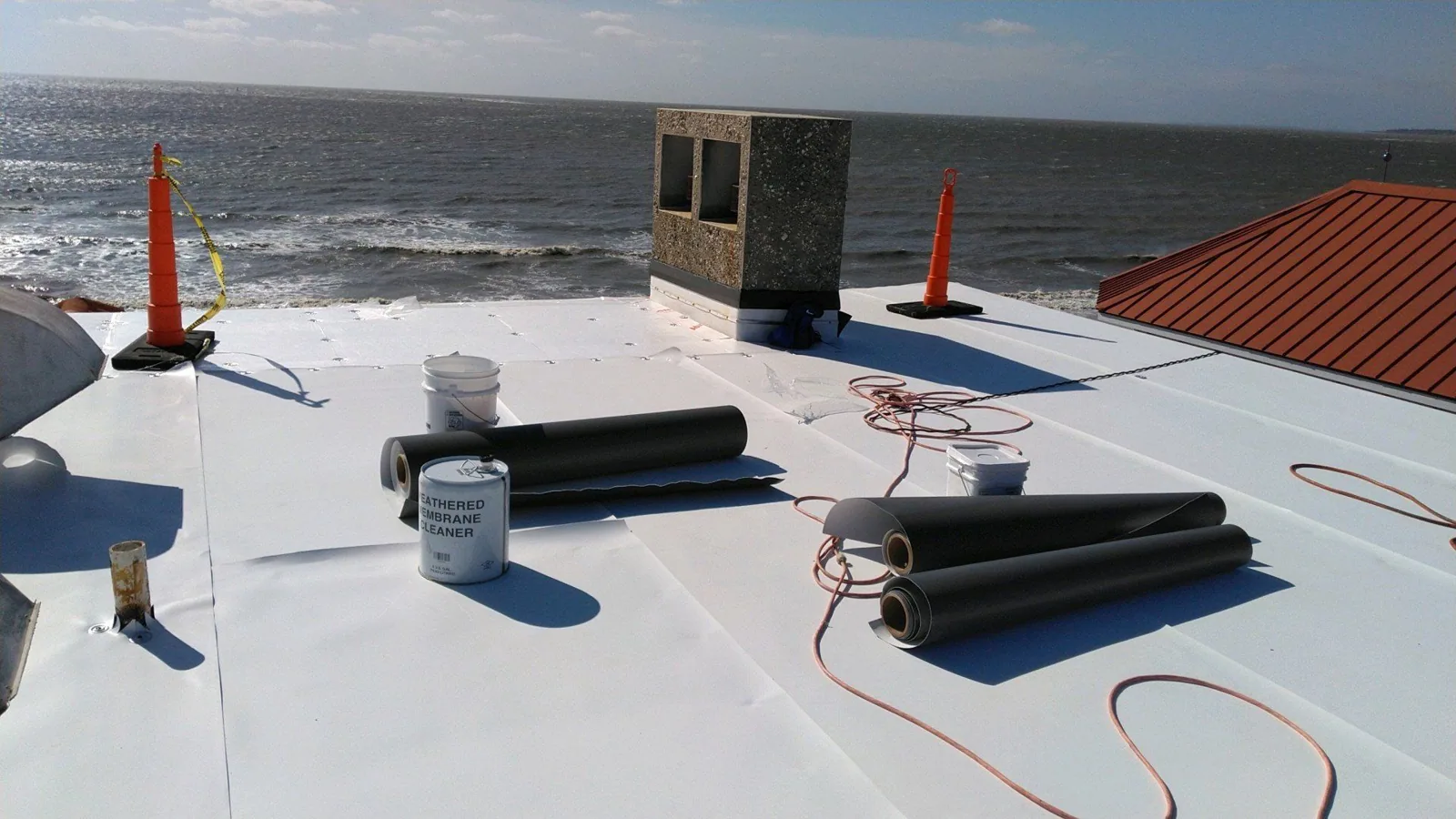
After the repair, we photograph the closed seam or flashing and note any limitation that remains. A condition report can preserve the observation and completed work together. For membrane systems, compatibility and surface preparation matter; a TPO detail review examines the actual seam and termination rather than assuming an old product label settles the repair method. The file stays factual about our work and the documents supplied by ownership.
Separate Storm Evidence From Regional Context
Severe thunderstorms peak in spring across North Texas, with large hail and damaging wind somewhere in the Metroplex nearly every year. That context can help set inspection timing after a storm, but it does not establish that a particular roof was struck. We record the date of the visit, accessible sections, visible impacts, and any conditions that may predate the reported event. If the roof has a documented maintenance requirement, the owner can compare that record with the file's actual terms.
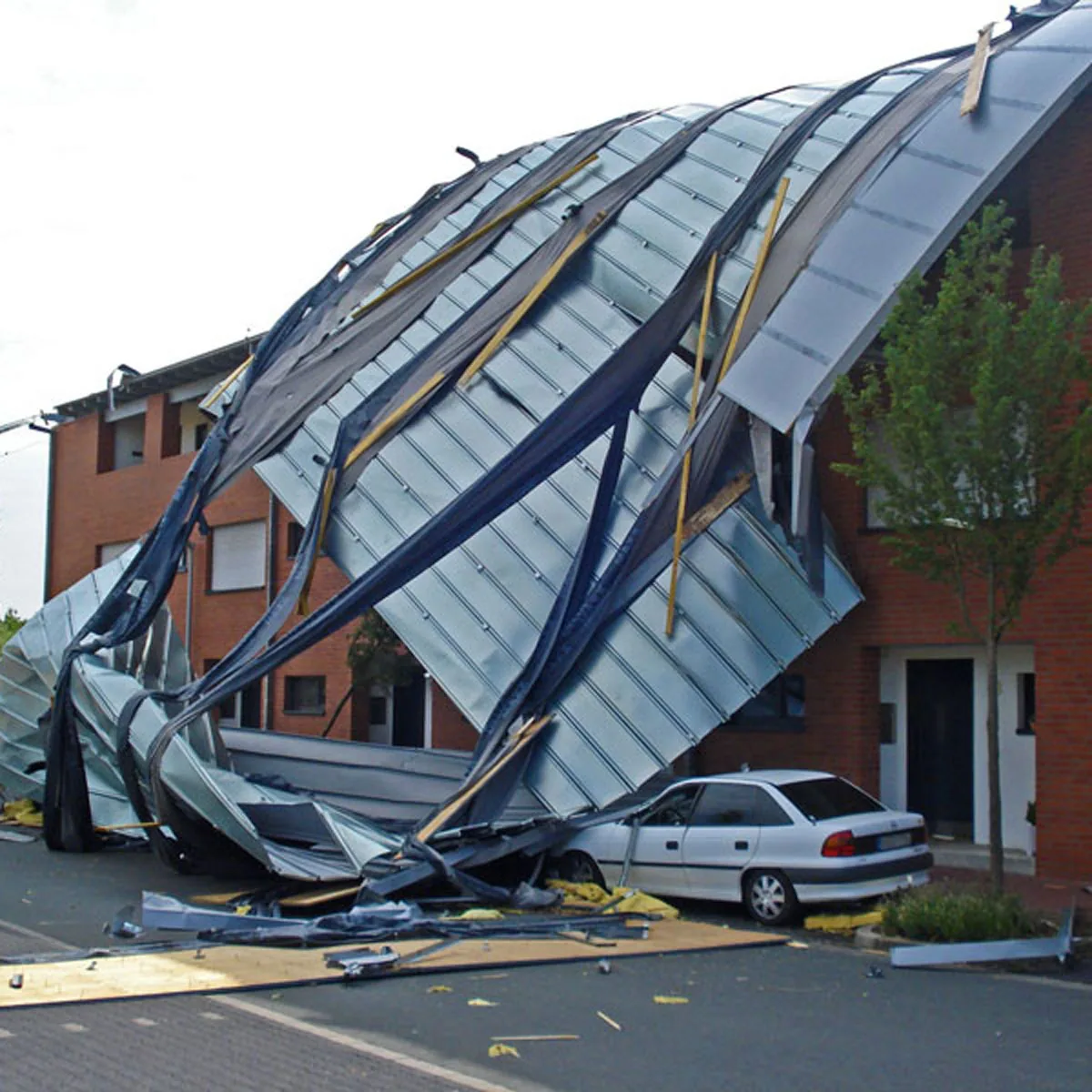
Prolonged summer heat can also change how a surface, sealant, or coating presents during an inspection. We note roof-level conditions and avoid treating the regional normal as a diagnosis. For visible storm concerns, a wind condition assessment can document displaced edges and opened details. A separate hail inspection can record impact evidence. The owner decides whether to submit a claim, and the report distinguishes observed facts from that decision.
Assign the Next File Action
Each open item receives a responsible contact and a due date. That may be finding a missing closeout document, confirming which roof section a term covers, arranging access for a maintenance visit, or obtaining a written response from the manufacturer. We can organize available records and technical observations; the document issuer makes its own coverage determination. Where an owner is planning a replacement, we identify the documents, approvals, and closeout records needed for the new assembly.
Frisco lists local amendments to the 2024 International Building Code as effective March 1, 2026. The permit and code path for a roof project still needs project-specific review. We add that approval step to the work timeline when it applies, alongside the warranty file, rather than assume that a replacement follows the old document's conditions. For properties near the Dallas Parkway Corridor, we confirm the actual building access and staging plan before setting the return date.
Make the Handoff Easy to Verify
The organized file contains the available warranty or system documents, the roof-section map, dated inspection notes, approved repair scopes, photographs, and open questions. We identify which document is original, which item is a later work record, and which condition still needs inspection. That structure helps ownership review what was completed before requesting a technical decision from the document issuer.
When one property has several roofs, we keep the entries separated by system and section. A report for a business near the Plano service area may involve a different building and document set than one in central Frisco. In either case, the handoff names the next action, the contact who owns it, and the date that matters. That gives the facility team a usable record without promising how a third party will interpret the file.
Commercial Roofing Questions
Can a roofer confirm that a warranty claim will be approved?
No. We can inspect the roof, document visible conditions, organize the available records, and prepare a repair scope. The manufacturer or document issuer makes its own decision under the written terms. Our report keeps observations separate from any coverage conclusion that we cannot make.
Which records should an owner keep after roof work?
Keep the approved scope, system and product information supplied at closeout, dated photographs, inspection notes, repair location, and any document issued for the assembly. We tie those records to the roof section and work date. If an item is missing, the file identifies the gap for follow-up.
What should be documented after a Frisco storm?
We record the inspection date, roof areas reached, visible impact or displacement, active leakage, and any repair completed. A regional weather report provides context, not proof of damage at one building. The owner can use the dated record when deciding whether to request another inspection or contact an insurer.
Does a maintenance visit extend a roof warranty?
The supplied document and issuer's terms determine that result. We can perform the agreed maintenance, photograph the work, and retain a dated record. We do not state that the visit changes a term unless the supplied documentation establishes that result.
How do you handle a roof with multiple replacement dates?
We map the sections and attach each available document and work record to its matching area. If the boundaries are unclear, we mark that as an open item and inspect the visible transitions before assigning coverage details. One property address should not merge distinct roof histories.