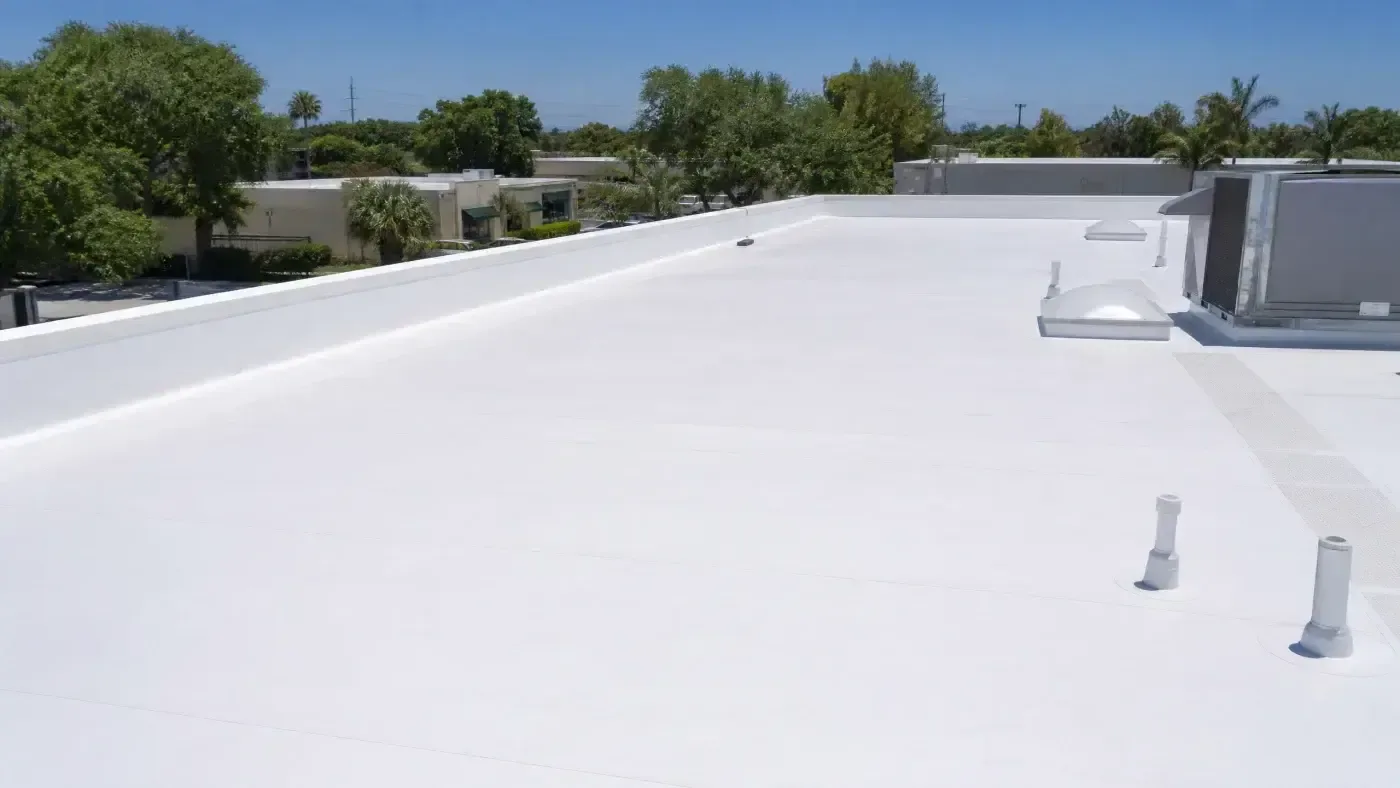
A coating can renew a sound roof surface, but it cannot make wet insulation or a loose seam disappear. In Frisco, TX, we first map the roof sections, check adhesion, and mark repairs before discussing a restoration layer. DFW summer heat makes surface exposure a real maintenance consideration; spring storms can add hail, wind, or water to the review. Neither regional pattern proves the condition of an individual roof. We test the actual substrate and confirm that drains, penetrations, and edge details can accept the proposed system. A North Platinum Corridor office or a Rail District storefront may have different access and phasing limits. The inspection record shows where a coating is plausible and where repair or replacement deserves its own scope.
Confirm the Surface Can Carry a Restoration
We start with the existing membrane, not the color or reflectivity of a coating sample. The walk checks blistering, open seams, loose flashings, exposed reinforcement, ponding, and areas where water may be trapped below the surface. Adhesion tests or small openings can resolve questions that a visual walk cannot. If the substrate is unstable, wet, or too deteriorated to prepare, coating is not the right next spend for that section. A recover evaluation may fit a different condition, while extensive failure can require selective removal. The report states which areas passed the review and which findings still need investigation.
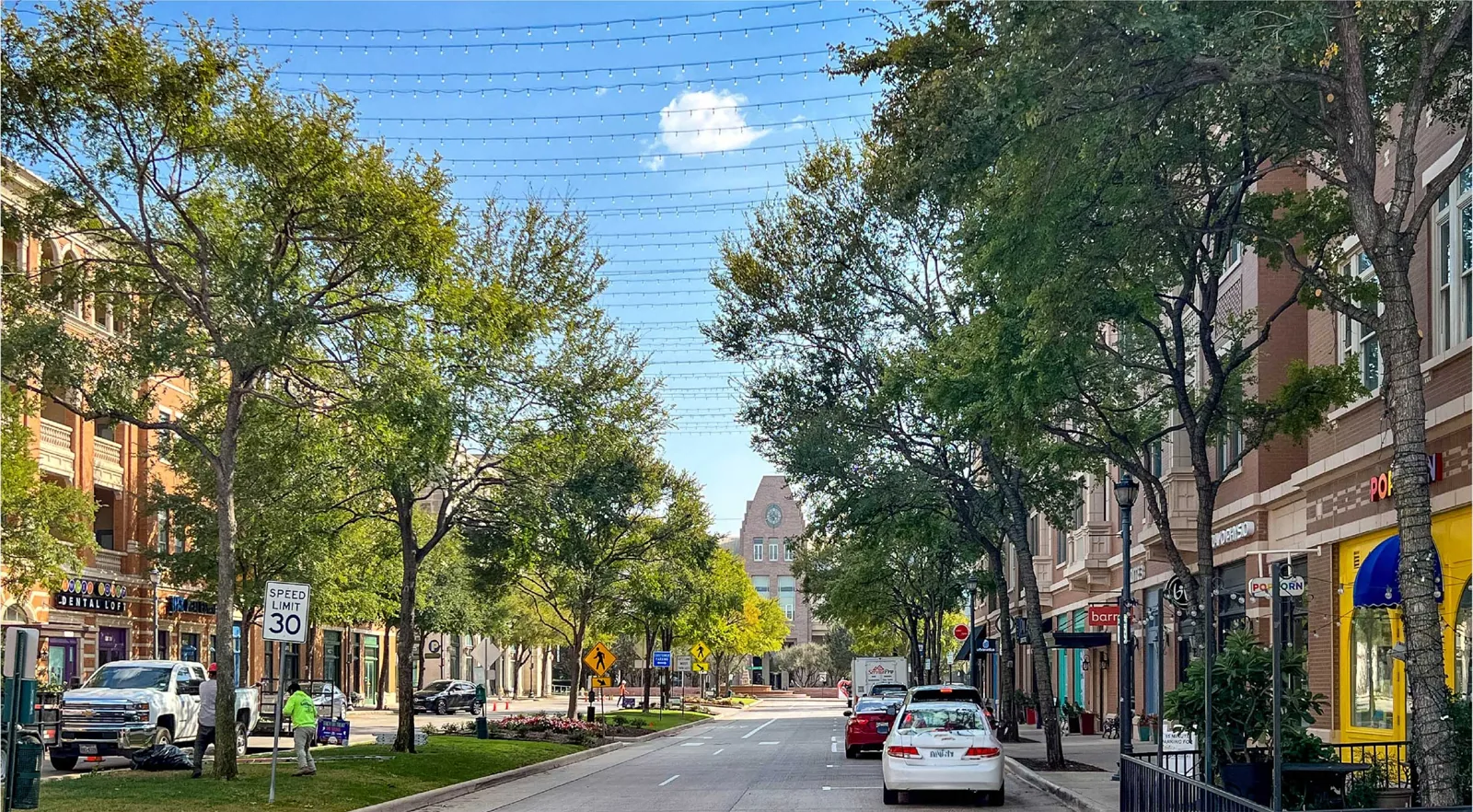
Frisco has corporate sites, business parks, and office or modern-industry contexts. They can affect staging and operating access, but they do not reveal a building’s roof construction. We identify the membrane type and prior repairs on the building itself, then confirm product compatibility with the manufacturer instructions for the selected coating. Where the property has several additions or roof elevations, we mark them separately. One successful test patch does not establish adhesion across every field, flashing, and repair strip.
Price Preparation Before Material
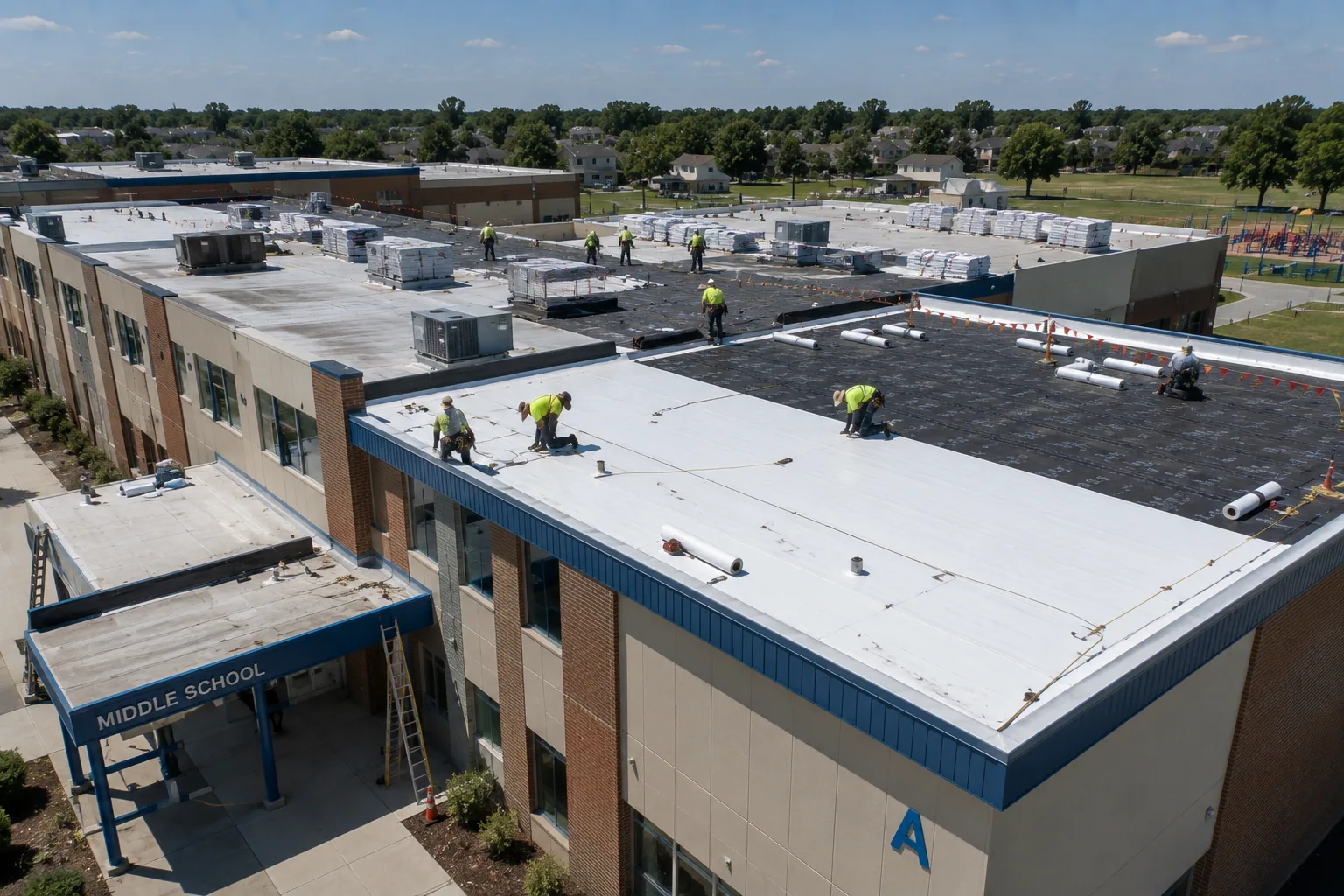
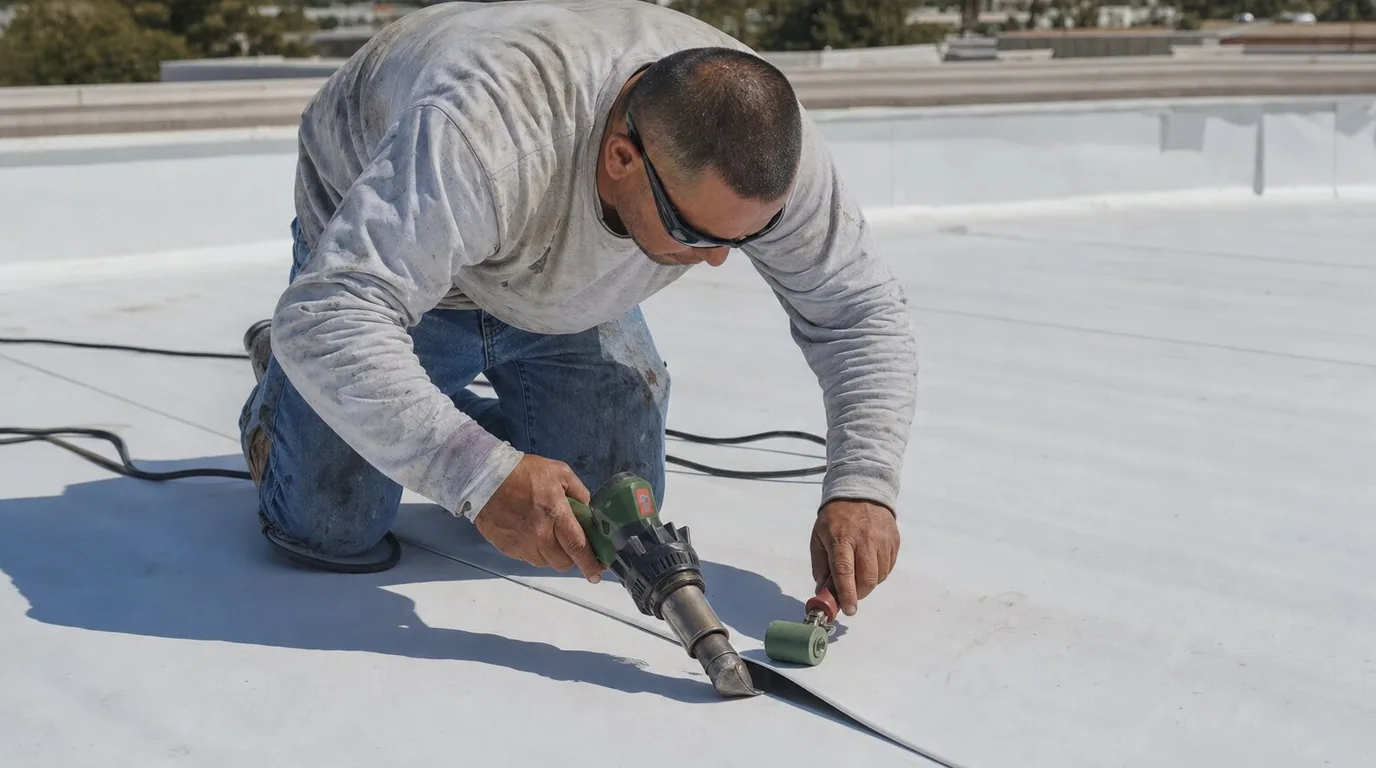
Preparation usually sets the boundary between a durable restoration and a thin layer that only changes appearance. We remove loose material, clean the surface by the approved method, repair open seams, and rebuild flashings where the existing detail has failed. Moisture or contamination can interfere with bonding, so the crew checks the surface before application. The scope records washing, drying, patching, test areas, and protection for nearby equipment. If a damaged region needs membrane replacement before coating, we show that work as a separate repair line rather than absorb it inside a broad coating quantity.
Access can shift the sequence. A corporate office may require equipment protection and a controlled route to the roof; a mixed-use section near the Rail District may require storefront coordination and careful staging. We plan deliveries, waste removal, and any lift location with the site contact. The owner sees the preparation, repairs, and coating quantities as distinct steps. That layout makes bids easier to compare and makes a field change easier to approve if a test area exposes a different substrate than expected.
Resolve the Water Path at Every Detail
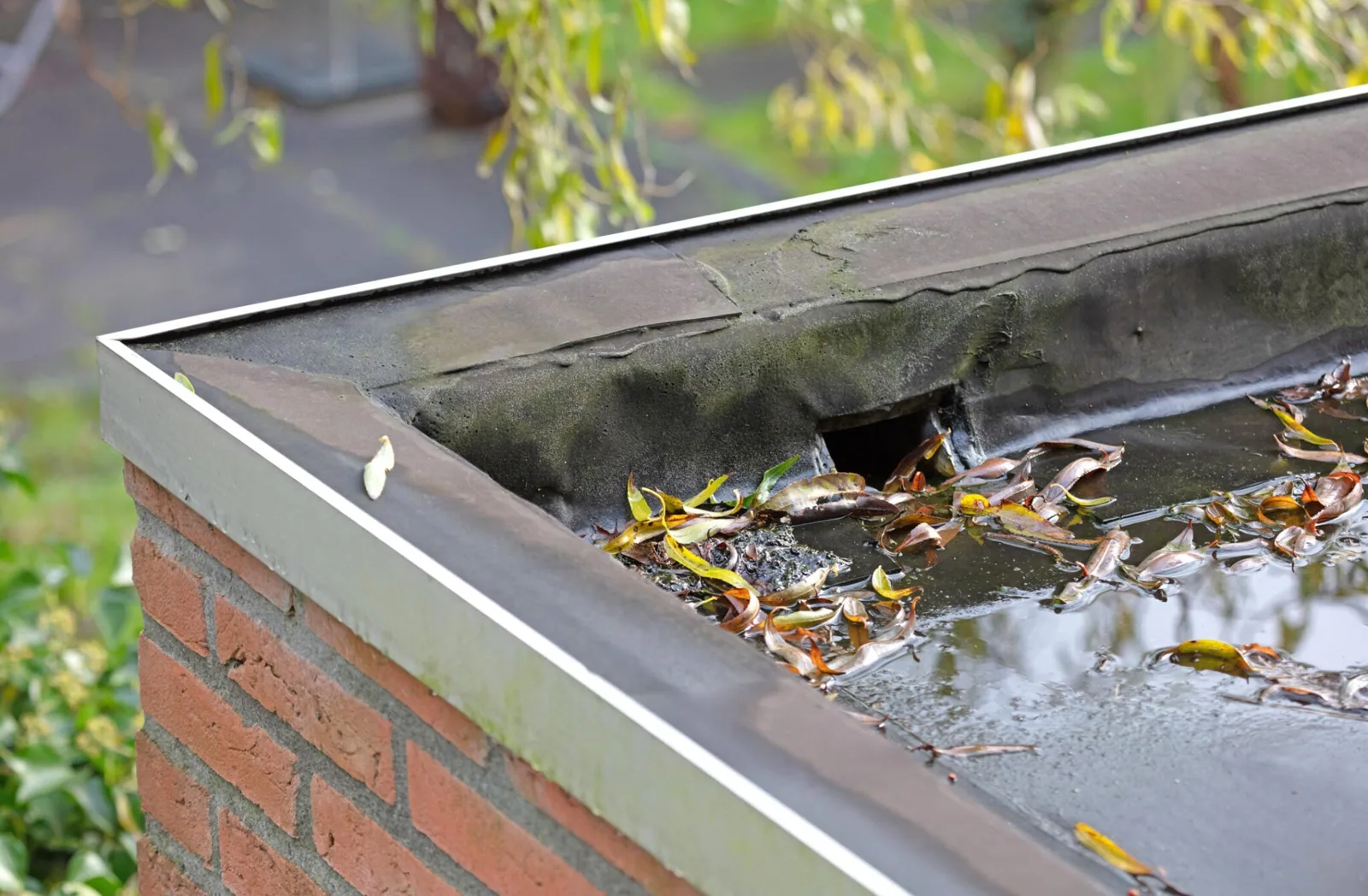
A coating follows the roof shape. It does not correct a low point, a raised drain, or a slope that sends water away from the outlet. We inspect primary drains, overflow paths, scuppers, curbs, pipe penetrations, and perimeter transitions before coating begins. DFW normals record 37.01 inches of annual precipitation, with May averaging 4.78 inches, so the project scope should leave a dependable route for water. Where elevation or drainage needs correction, the plan may call for tapered insulation or rebuilt details before the surface receives a new layer. The drainage scope keeps that work visible beside the coating proposal.
Coating thickness and reinforcement follow the selected system's instructions and the substrate condition. We identify where fabric or additional passes are needed, including changes around penetrations and repair patches. An owner reviewing silicone coating options should compare the roof material and detail conditions with the system requirements. Edge metal and wall transitions receive their own inspection because movement there can open a path beneath a coated field. If the roof ties into a later addition, we mark that transition and confirm which assembly remains outside the restoration boundary. A written map prevents an owner from reading a surface treatment as a full replacement of every roof component.
Set the Application Window Around Operations
Cleaning, repairs, and coating require a dry surface and conditions within the product's application range. We sequence a section only when it can be prepared, coated, and protected from rain for the required interval. Heat can change the available work hours, while a spring forecast can shorten the safe opening. Severe thunderstorms and large hail occur somewhere in the Metroplex in most years, but not at every property each year. That regional context makes forecast checks part of scheduling; the roof-level condition still controls the day's decision. We do not leave a prepared area exposed when the weather window closes.
Equipment, exhaust, and rooftop service calls also affect the plan. We coordinate access with facility staff and keep mechanical technicians from crossing an uncured surface. For an office or warehouse property in Frisco, we confirm delivery hours and any occupied rooms below the active work area. The daily note names the section completed, the cure status, and the next area scheduled. When a coating project is phased, the transition is closed or protected at the end of each work window so operations are not left with an open edge.
Keep the Restored Area on a Follow-Up Map
Closeout should record the repair work beneath the coating as well as the surface that is now visible. We provide photographs of test patches, seams, drains, penetrations, and completed sections, then note the material and application areas. A condition map lets an owner distinguish restored fields from roof zones that remain under a separate maintenance plan. That distinction matters when a later leak appears near a tie-in or after another trade changes a penetration. We identify the check date and any detail that needs earlier attention.
If the coating cannot meet the condition or budget need, the findings still support a repair-versus-replacement decision. A defined repair scope can address isolated failures while the owner plans broader work. Along the Dallas Parkway corridor, truck access and corporate schedules can influence staging; in the Rail District, storefront activity may be the tighter limit. We use the property's actual access needs and the roof's documented condition to set the next spend, not a citywide assumption.
Commercial Roofing Questions
Which roof conditions rule out a coating?
Wet insulation, unstable seams, poor adhesion, widespread membrane failure, or unresolved drainage can make a coating the wrong scope. We map those findings and identify whether repairs or selective removal can create a stable surface. The recommendation states what passed testing and which sections remain outside the restoration boundary.
How do you check whether the coating will bond?
We identify the existing roof material, prepare representative test areas, and follow the selected system's adhesion procedure. Results apply to the tested conditions, so different membranes or repair materials may need separate checks. We record the surface preparation and test result before releasing the full application quantity.
Can a coating correct standing water?
A surface layer does not change roof slope. We inspect the drain path and elevations first, then scope drain extensions, tapered insulation, or other corrections when field conditions support them. If ponding remains outside that work, the owner sees it as an unresolved condition instead of a benefit attributed to the coating.
How does Frisco heat affect coating work?
The product's application limits and the measured roof conditions govern each work period. High surface temperatures can narrow the safe schedule, so we plan preparation and coating in manageable areas and check the forecast before opening a section. Seasonal climate averages help set the schedule; measured roof conditions and the product’s application limits decide the day’s sequence.
What should an owner compare in coating proposals?
Compare the tested surface, preparation steps, repairs below the coating, application areas, drainage work, cure protection, and closeout record. We separate each quantity and note transitions or roof sections excluded from the scope. That gives operations and finance a clear basis to review timing, access, and the next maintenance date.