A silicone coating proposal starts with the water that stays on the roof, the layer beneath it, and the repair boundary. In Frisco, TX, we inspect the existing assembly before treating a coating as the next spend. Silicone systems tolerate standing water better than many acrylic systems, but they still need sound preparation, compatible materials, and working drains. We photograph seams, penetrations, curbs, edges, and low areas, then separate coating work from membrane or deck repairs. Properties in the North Platinum Corridor may have different access plans from older commercial buildings in the Rail District. The district affects staging and occupied hours, not the condition of a roof we have not inspected. A hands-on inspection gives the owner a condition map, a defined work area, and a decision date before materials are ordered.
Start With Drainage and the Water Path
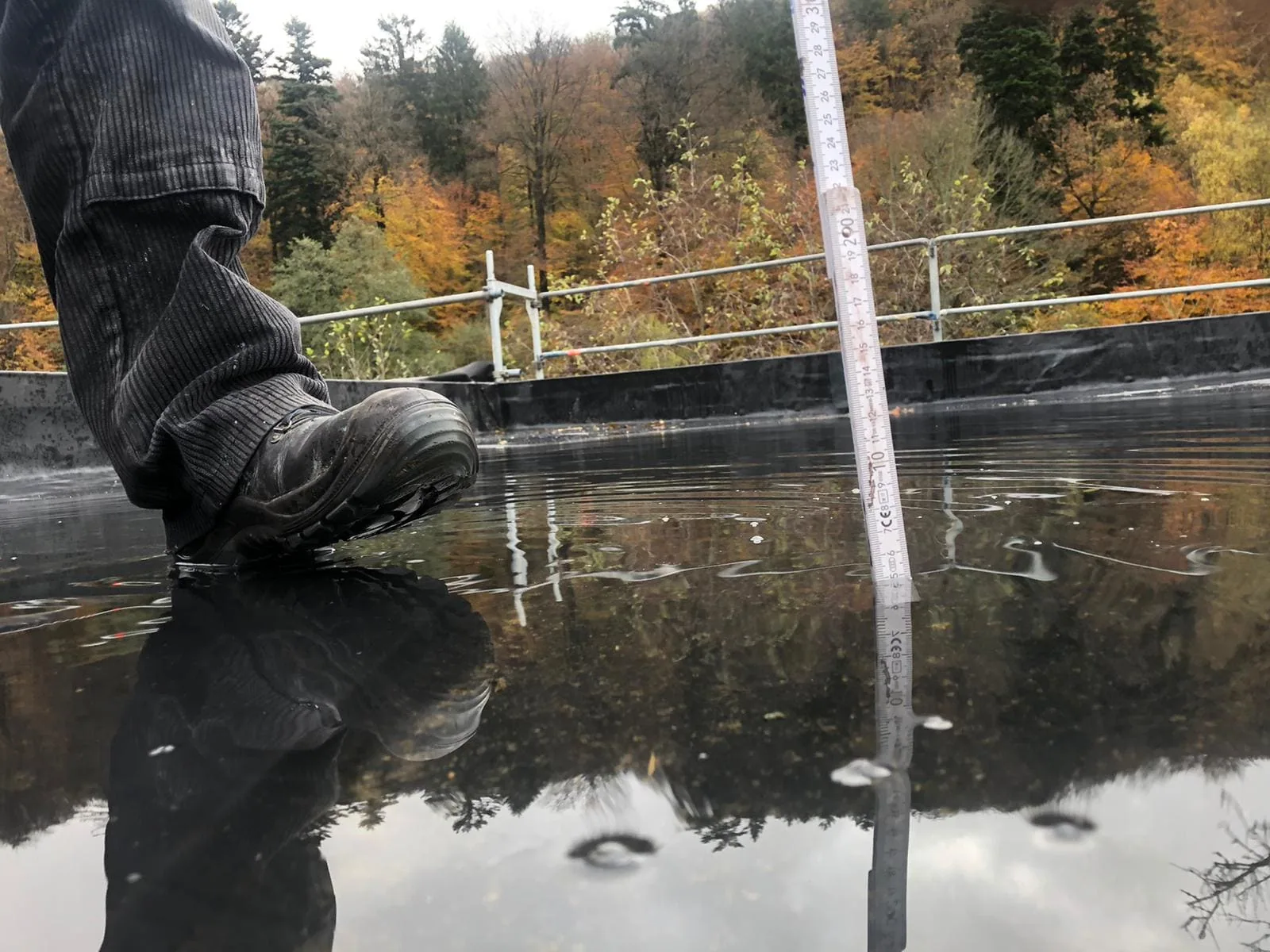
Use the roof plan to distinguish standing water from a drain that has stopped carrying it away. We map each low point, photograph the outlet and overflow, and note whether the membrane has been submerged or only stained. A ponding-water assessment can separate debris removal from a correction to slope or drain geometry. Frisco averages 37.01 inches of precipitation each year, including 4.78 inches in May; those totals support discharge-path planning, not a diagnosis of this roof. Silicone may be suitable for some water-exposed surfaces when the existing assembly and product instructions allow it. It will not repair a broken drain or dry wet insulation. We mark any test opening, moisture confirmation, or plumbing work that should precede coating. The estimate then prices the coating field against the actual drain and substrate conditions, rather than treating a reflective finish as a substitute for drainage work.
Confirm the Existing Surface Can Accept a Coating
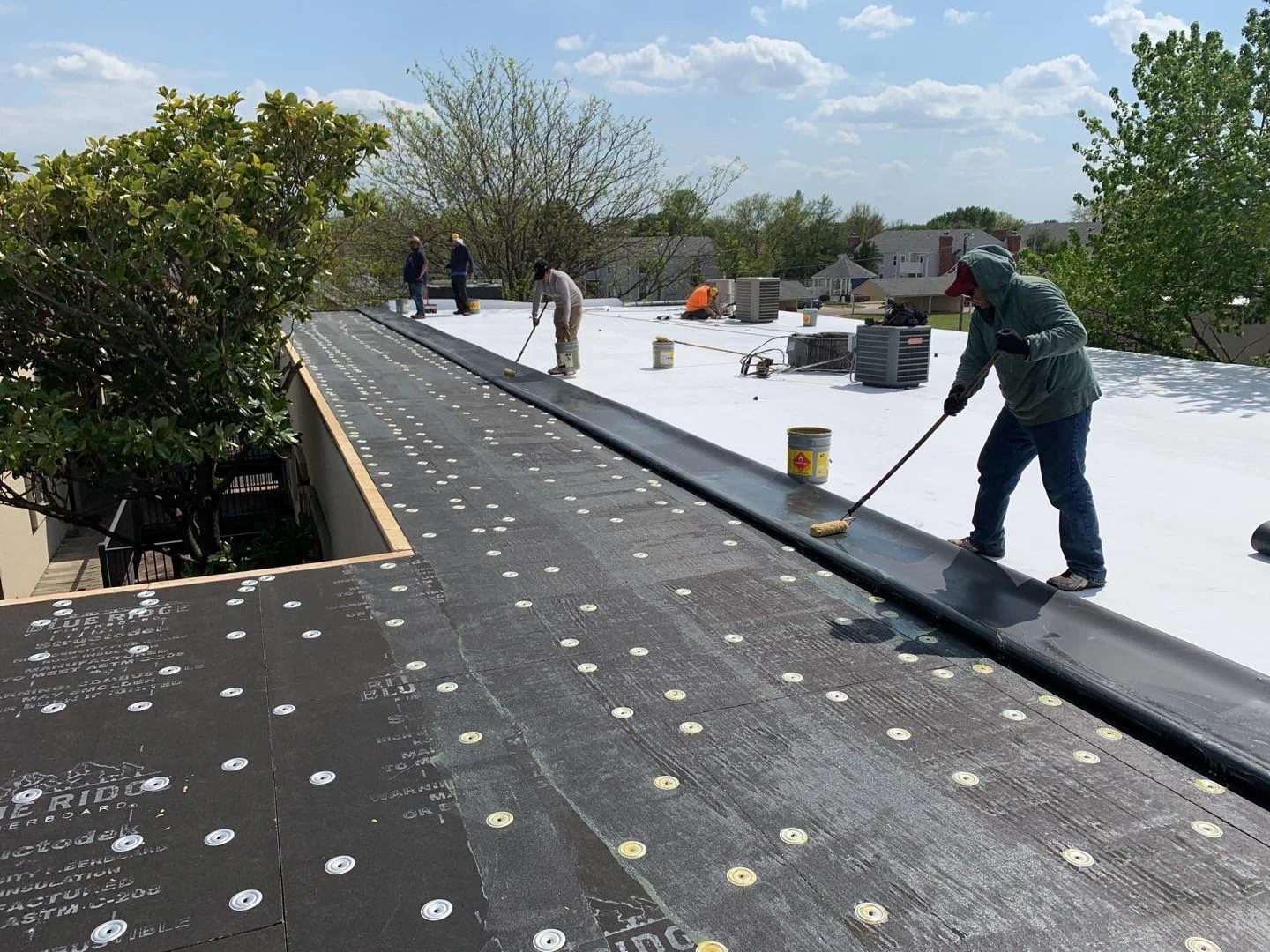
Silicone needs a substrate that is attached, prepared, and compatible with the selected product. We check for loose coating, chalking, blisters, splits, open laps, wet areas, and old repairs that may not bond with a new layer. Where the surface history is unclear, a test area can help establish whether cleaning and preparation produce acceptable adhesion. We identify repairs that extend below the surface, including soft insulation or damaged membrane, because a coating should not conceal a condition that requires removal. A rubber membrane roof may need different preparation and transition details from metal or another coated assembly. The proposal lists cleaning, removal, reinforcement, and localized repairs separately so the owner can see which steps create a sound base. We record areas that remain uncertain and what further test would resolve them before approving full coverage.
Treat Seams, Curbs, and Edges as Separate Work
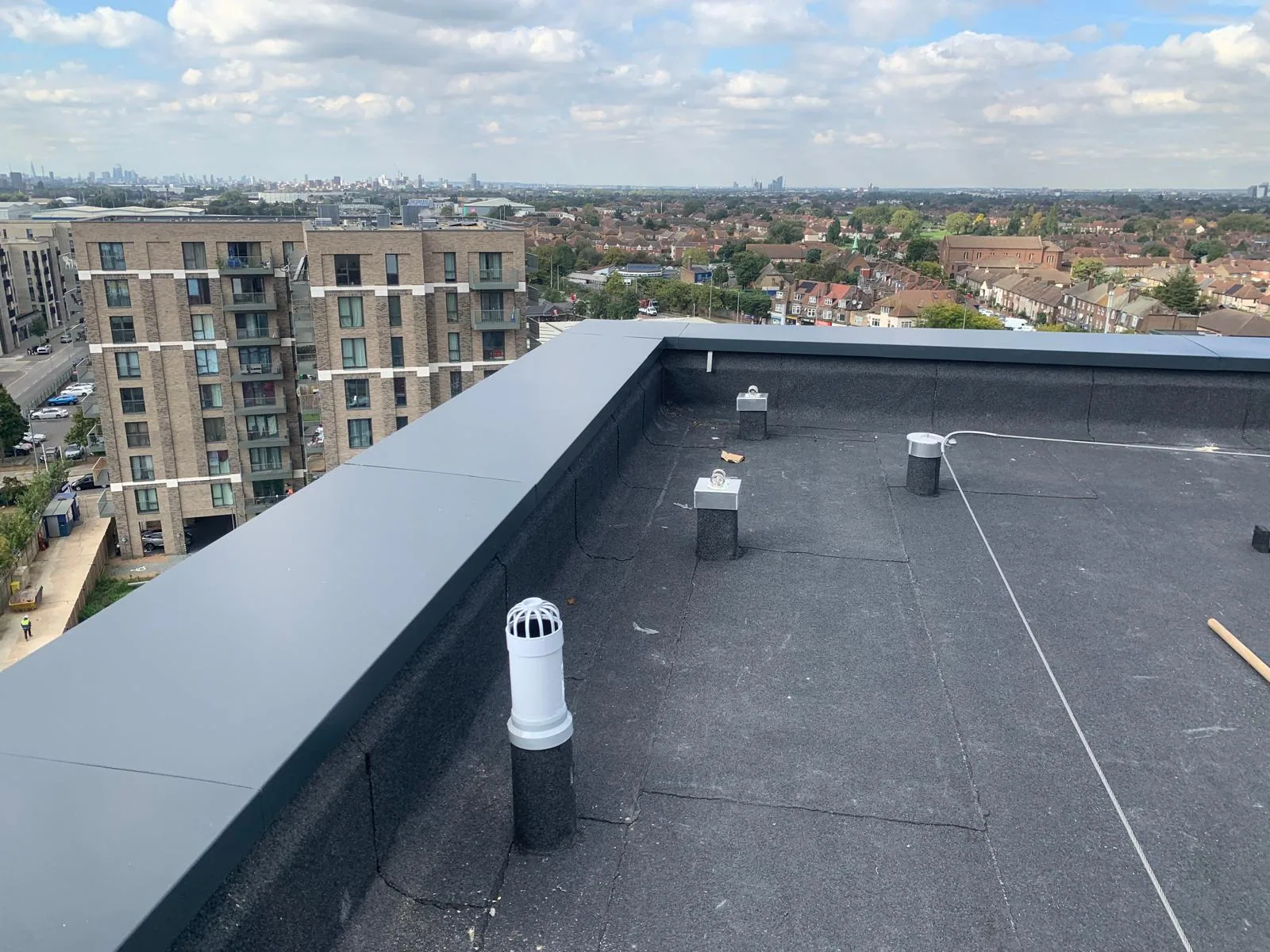
Detail transitions require a compatible material at every change in plane. We inspect pipe boots, curb corners, skylight frames, expansion joints, parapets, and metal terminations for movement, open laps, or old sealant that has released. The perimeter-metal review identifies coping or gutter work outside the membrane scope. Foam roofs need special attention where cuts or exposed cells interrupt the protective skin; any such area gets a separate repair line before foam repair is covered. We photograph the transition and state whether reinforcement, replacement flashing, or test work is proposed. Silicone compatibility must be checked at each old coating and patch, since a roof can contain several generations of repair. The closeout map marks treated details and exclusions so the next maintenance crew can tell which sealants or metal components were replaced.
Plan the Application Around Heat and Weather
A coating window is scheduled against the selected system's cure conditions and the building's access rules. We check roof temperature, moisture, wind, forecast rain, and the point when the crew must stop opening new work. DFW summer highs average above 95 degrees in July and August; that affects material handling and worker exposure even when the surface is suitable for application. Spring brings the region's wettest and most active severe-weather conditions, so a revised sequence may be safer than leaving an unfinished edge. For a warehouse, we coordinate around exhaust, dock schedules, and roof access rather than assuming a clear path. The daily log identifies the completed section, cure check, and temporary edge protection. A property near the Frisco Rail District may also need storefront notice below the work area. The contact receives the stop-work trigger and the person who confirms the next application window.
Set Coverage, Repairs, and Exclusions in Writing
A useful coating scope identifies the product system, surface preparation, repair locations, reinforcement, and coverage assumptions. We verify application rates and cure steps against the selected manufacturer’s instructions, then show how quantities were developed. The estimate should state whether removal of loose material, drain correction, wet insulation work, metal repairs, or additional test openings are included. Anything outside the approved boundary appears as a separate option or exclusion. During installation, representative wet-film checks and material records help confirm the field application. Photos capture the roof before work, prepared areas, details, and completed sections. The owner receives a closeout map that distinguishes coated surface from areas held back for repair or later access. That record supports the next inspection and helps the team compare the same roof sections over time. It also keeps a later repair estimate from assuming that every area received identical preparation or coverage.
Choose Restoration Only When the Assembly Supports It
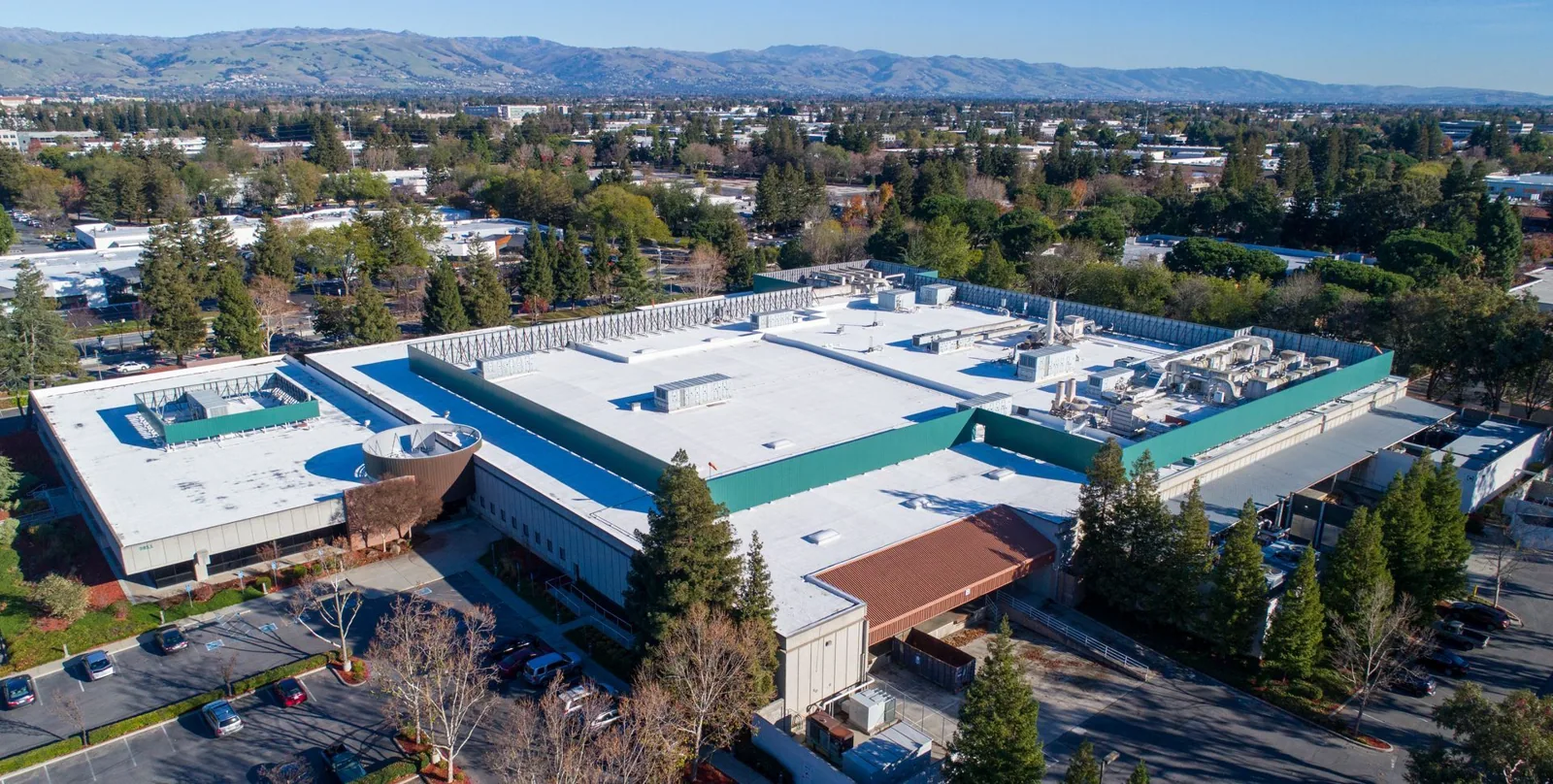
The approval file should give the property contact a clear sequence for releasing coating work. Confirm the product name and color, primer requirement, reinforcement layout, measured quantity, sample approval, and cure window before delivery. A restoration plan can set those decisions in order; a condition report stores the accepted submittal and final coverage map with the roof record. Frisco's downtown includes historic commercial buildings, while North Platinum has larger corporate and mixed-use development; the schedule and access plan should reflect the actual site. We list the authorized approver for added repairs and specify how a return visit is handled if field conditions differ from the accepted scope. The closeout package records the quantity installed by section, completed details, and exclusions. With those items in hand, the facilities team can reconcile the invoice, assign future maintenance, and compare the work with a later roof review without relying on a generic coating allowance.
Commercial Roofing Questions
Can silicone coating be used where water remains after rain?
It can be considered when the existing roof and product instructions support that use. We still identify why water remains, check drains and low areas, and price any correction separately. A coating does not fix a blocked outlet or wet insulation.
Does silicone go over an existing roof coating?
The existing surface must be attached, clean, and compatible with the proposed system. We inspect old layers and repairs, then may use a test area when adhesion is uncertain. Loose or wet material needs its own repair plan.
What should the proposal include?
Look for preparation, product system, repair locations, coverage assumptions, details, exclusions, and closeout records. Separate pricing for drain, insulation, or metal work makes the approval boundary easier to review.
How is the work scheduled during hot or wet periods?
We check roof and forecast conditions against the selected product’s application and cure requirements. The plan names the active section, protection at the end of a shift, and how a weather interruption changes sequencing.
When is replacement a better choice than coating?
Replacement may be more appropriate when inspection finds broad moisture, failed adhesion, or damage below the surface layer. We document those conditions and show what testing or repair would change the recommendation before comparing scopes.