A worn coating on a spray polyurethane foam roof exposes the question beneath it: is the foam still dry and stable, or has water reached the substrate? In Frisco, TX, we inspect coating thickness, adhesion, foam condition, penetrations, and drainage before recommending repair or recoat. A fresh top layer cannot restore wet or deteriorated foam by itself. North Platinum's corporate and mixed-use properties and the historic commercial buildings in the Rail District bring different access needs, but neither reveals what an individual roof assembly contains. We map the affected area and identify whether a test opening is needed. A roof inspection returns photographs, a repair boundary, and a schedule that separates temporary protection from permanent coating work. The owner can then choose a limited repair, targeted recoat, or broader replacement review based on visible conditions.
Check the Foam Before Recoating
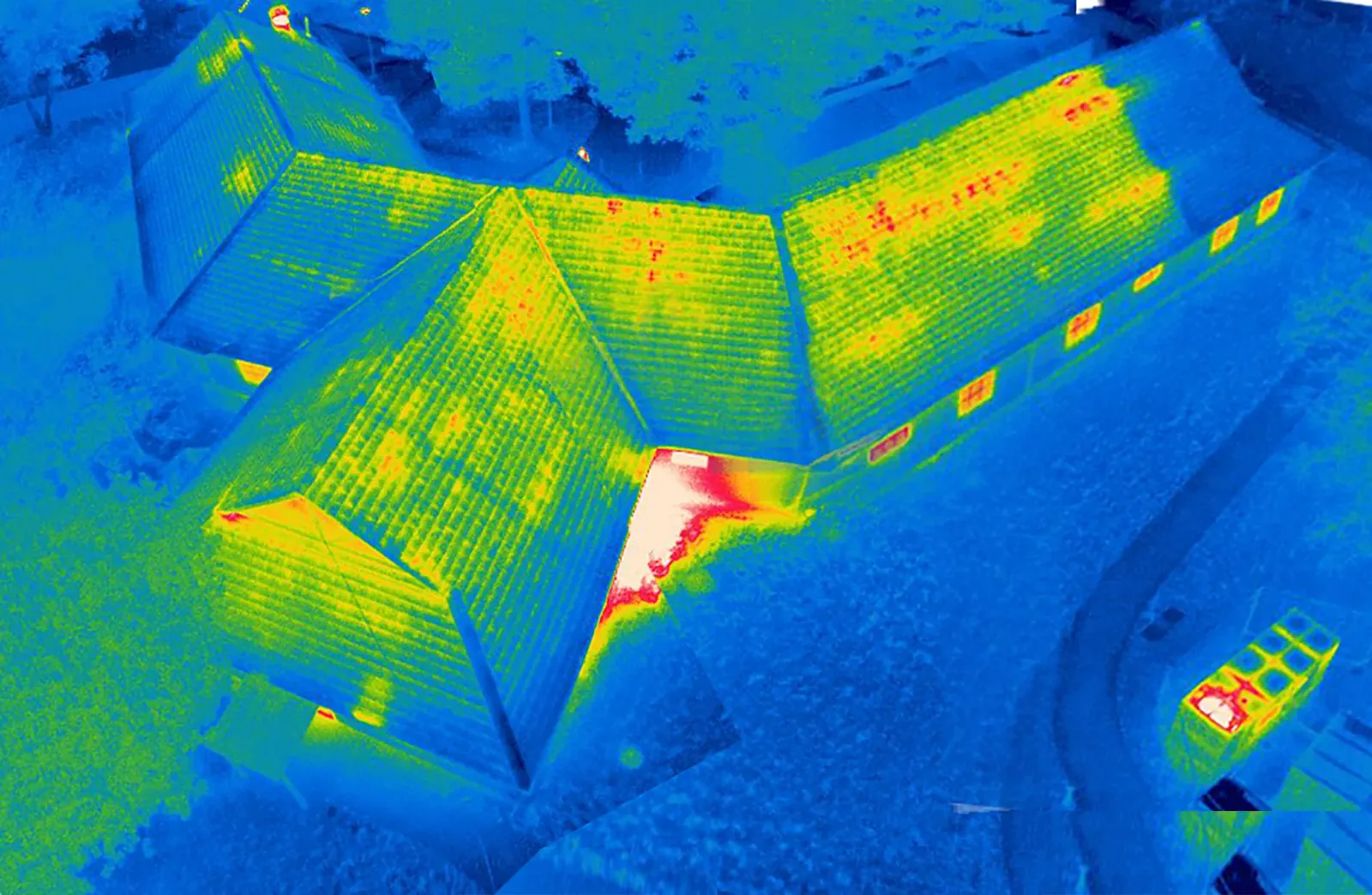
Spray foam forms a continuous layer when applied at the correct thickness and substrate condition. Damage may appear as gouges, open seams at transitions, soft spots, exposed foam, or a cut around later equipment work. We inspect the foam surface and coating together, looking for separation, cracking, ponding, and evidence of water entry. A core or test opening can help confirm what remains below the coating when visual signs are not enough. We mark the test location and explain what repair boundary would follow if the foam is wet. A moisture survey may help prioritize areas for direct confirmation, but it does not replace an opening where the substrate condition changes the scope. The owner receives a clear distinction between coating wear, foam damage, and a suspected condition that still needs testing.
Treat the Coating as the Weather Surface
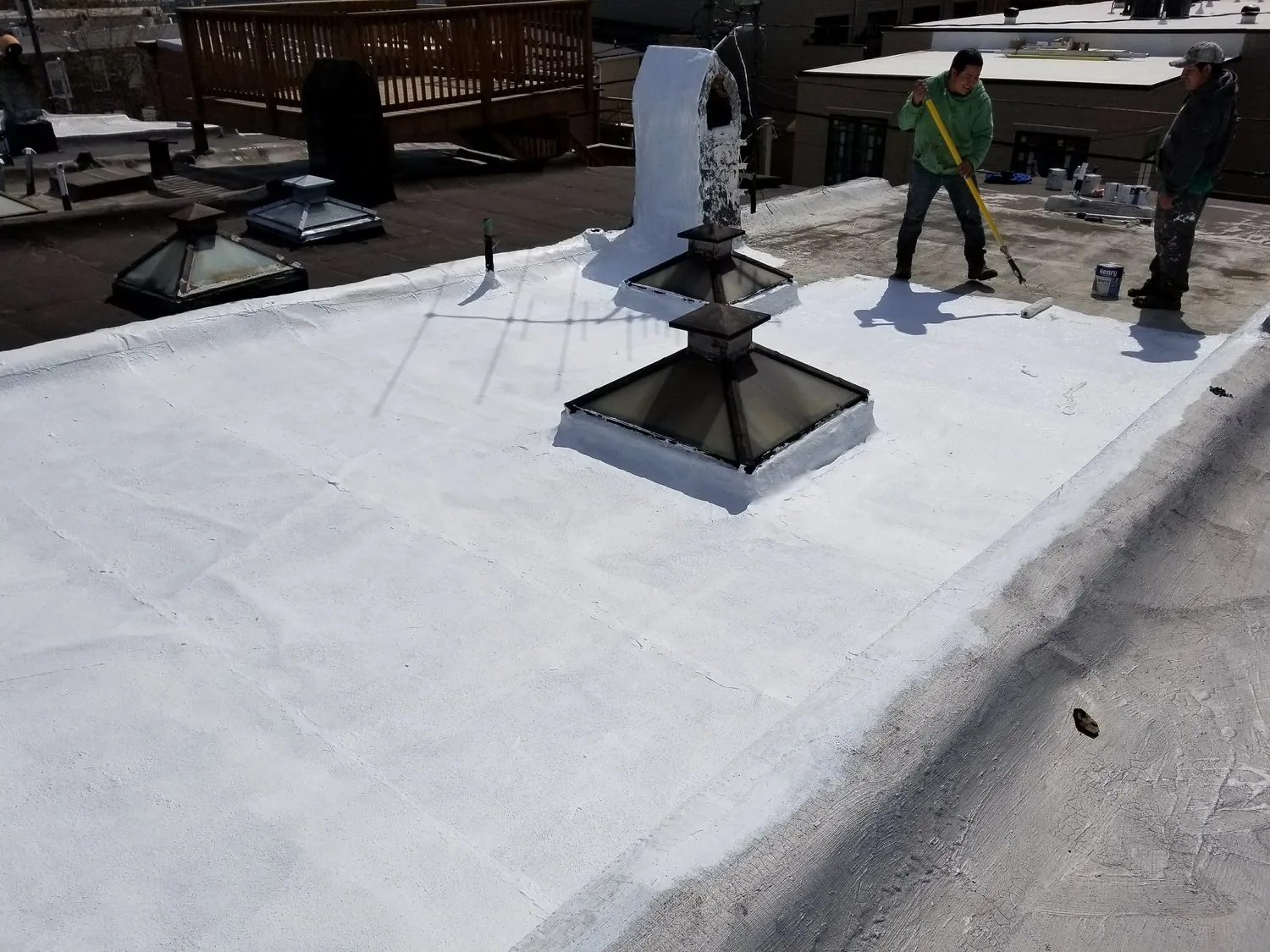
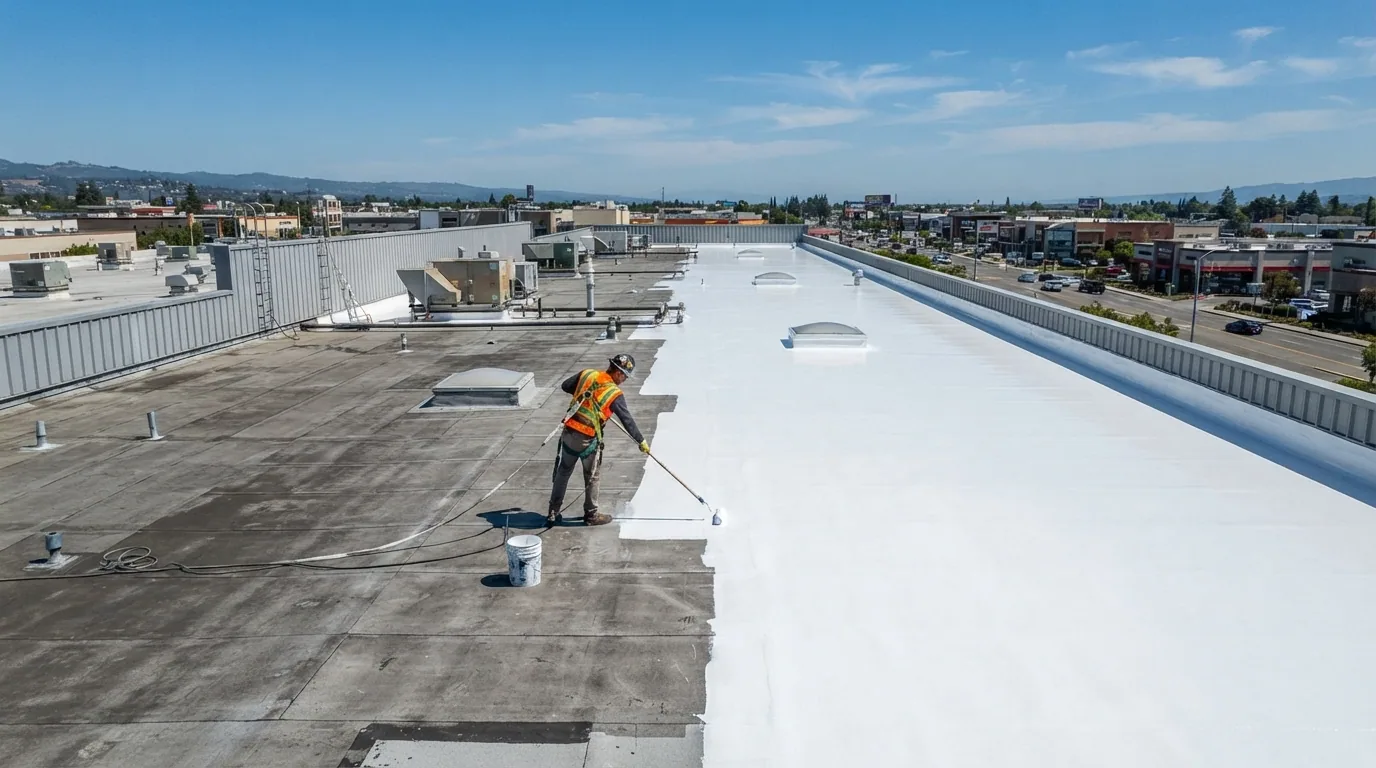
The coating shields foam from sunlight and weather, so its adhesion and coverage matter. We inspect for thin or missing areas, cracks, blisters, peeling, and failed terminations at curbs or walls. Preparation may include cleaning, drying, removing loose coating, repairing foam, and reinforcing transitions before another coat is applied. Coating chemistry and compatibility must be confirmed from the existing system and product instructions. A silicone coating and an acrylic coating have different properties and cannot be selected by color alone. Before application, we check that the surface is dry and stable, remove material that will not hold, and address seams and penetrations that could let water under the new layer. The work plan identifies the coating area and the preparation boundary. We state surface preparation, repairs, application limits, and inspection checks in the estimate. A recoat is not a substitute for correcting wet foam, a leaking curb, or a drain that cannot clear water. Those items stay visible as separate repair lines.
Correct the Water Path at Low Areas
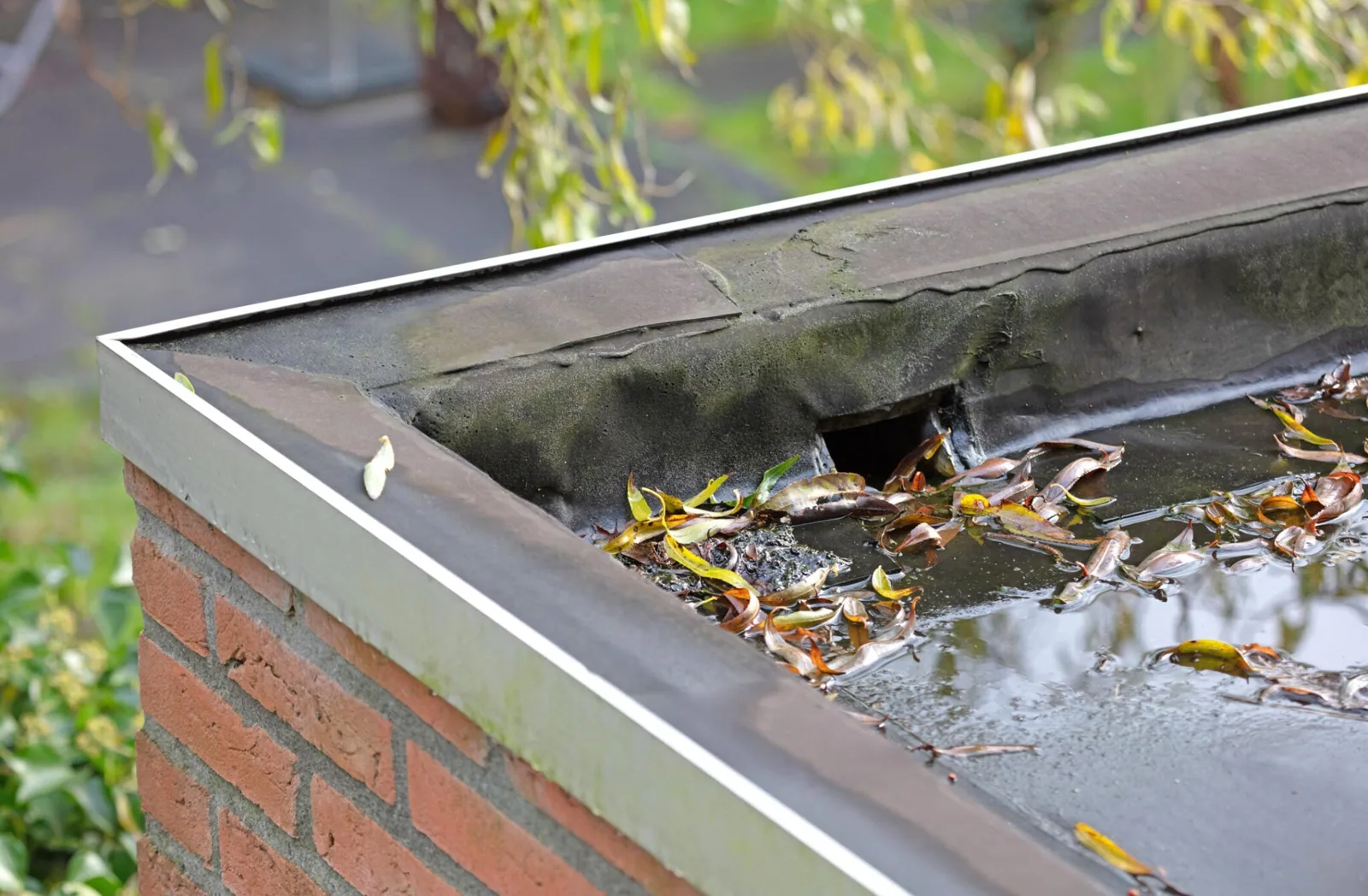
SPF can be shaped to direct runoff, but a drain cannot be treated as a low spot in the foam alone. We check outlet height, scupper opening, overflow path, and whether coating has narrowed the discharge point. The drain repair scope names metal or plumbing work separately from foam shaping. Frisco's average May precipitation of 4.Regional precipitation makes clear drainage paths important, but the measured condition at each property determines whether ponding or a discharge problem exists. We trace water from the field to the outlet and mark any area where foam thickness or prior patching changes the flow. If the drain assembly is sound, a compatible tapered repair may help. If the outlet or deck is damaged, that condition must be resolved before coating closes the surface. The owner sees the route, the repair boundary, and what remains to be tested.
Protect the Foam During Application
A foam roof stays serviceable only while the protective coating shields the foam from exposure. During review, we mark thin coating, exposed cells, impact marks, and prior patches by roof section. At a warehouse roof, we confirm how this property uses the roof and record the approved access route. Frisco's business-park land-use category permits warehouse, distribution, office, and showroom forms when zoning and truck routes support them; it is a planning category, not a facility inventory. We ask the contact where mechanical crews walk, what equipment is serviced, and which paths cannot be blocked. The Frisco Rail District has a different storefront access context, while each site needs its own approved route. We keep repair access clear and identify protection boards for later service visits. Then we define the temporary route, protection boards, and the areas that need a final coat after repair. The closeout record notes cure status and the point where foot traffic may resume under the product instructions. We also measure thickness at the damaged boundary and record the finished texture, so a future crew can distinguish the repaired surface from older coating. This helps keep later service calls from cutting across newly restored foam without a protection plan.
Compare Repair, Recoat, and Replacement
Three estimates are more useful when each has its own physical limit. A repair proposal identifies the damaged foam and any underlying wet board. A recoat scope states preparation, protective thickness, and drainage details. Replacement prices removal and a new assembly. A restoration scope can compare the first two paths where the substrate remains sound; the North Platinum Corridor helps orient local access planning for corporate and mixed-use properties. A condition report attaches photos and test results to roof sections. The owner can see what would make a recoat unsuitable, what is excluded, and which follow-up test could change the number. Those assumptions belong beside the price, so a future review compares equivalent scopes instead of a coating allowance with a full replacement.
Commercial Roofing Questions
How do you know whether spray foam is wet under its coating?
We combine visual coating conditions, interior leak reports, drainage observations, and any survey findings. A test opening confirms the foam and substrate where that information changes the scope. The report marks the location and closes it appropriately, then states whether removal or localized repair is needed.
Can you recoat a spray-foam roof without removing the existing coating?
Sometimes, when the existing surface is compatible, clean, dry, and well adhered. We test the coating and inspect transitions before specifying preparation. Loose or incompatible material must be removed, and damaged foam must be repaired first. The estimate identifies the areas that need extra preparation rather than pricing a uniform coat over every section. We also mark any field that must remain untouched until the new layer cures. Closeout records the date, method, and repaired area.
Which coating should go over a Frisco SPF roof?
The existing coating, surface condition, drainage, and product compatibility determine the options. We do not choose by color or assume silicone and acrylic are interchangeable. The scope names the tested system, preparation, and application limits so the owner can compare a recoat with a larger restoration.
What does standing water mean on a foam roof?
It may reflect a blocked drain, a coating or foam deformation, or a deck condition. We inspect the outlet and the roof plane before assigning a cause. If water remains after the drain is clear, we mark the low area and determine whether a test or slope correction is needed before recoating.
What changes the timing of SPF roof work?
Substrate moisture, surface temperature, wind, forecast, coating recoat windows, and access to the work area all affect sequencing. We check product instructions and the roof on the scheduled day. The plan defines the area that can be completed and how the crew will protect it if weather moves the next step.