An acrylic coating that has thinned or peeled needs a roof-level check before another application is priced. In Frisco, TX, we inspect adhesion, seams, drains, transitions, and the underlying assembly, then identify what can be restored and what needs repair. Acrylic systems can provide a reflective surface, but sustained ponding, poor preparation, or incompatible material may shorten the useful result. The North Platinum Corridor contains corporate and mixed-use properties; the Frisco Rail District includes historic commercial buildings and reinvestment planning. Those local settings can change staging and occupied hours, not the coating condition on a particular roof. A hands-on inspection maps surface wear and water paths so the owner can set a repair boundary, test a questionable area, or compare a recoat with replacement before the next budget date.
Check Ponding Before Choosing Acrylic
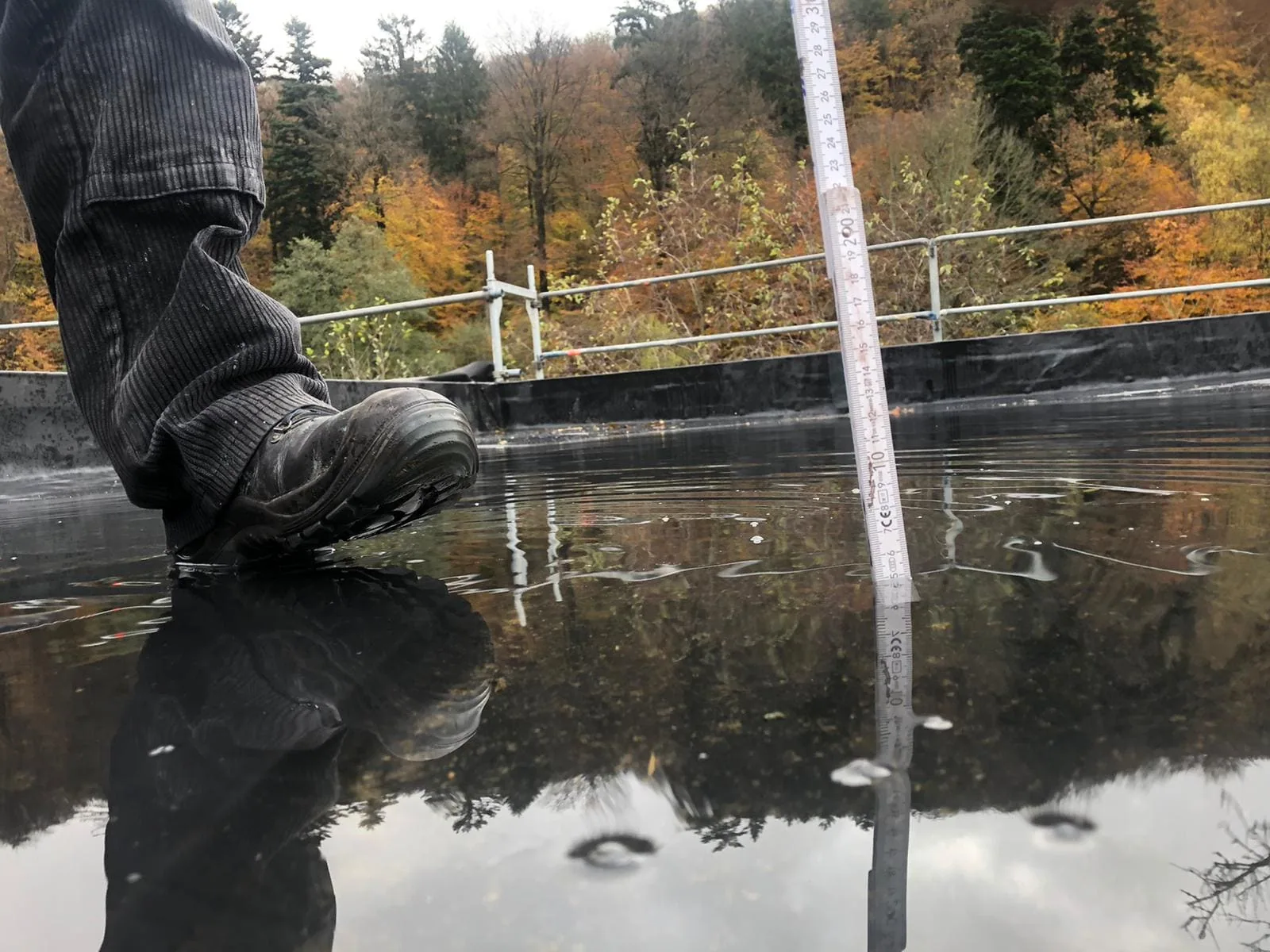
Acrylic coating performance depends on water leaving the roof between storms. We measure ponding areas, photograph the drain bowls, and trace water across each low point before recommending an application. May averages 4.78 inches of precipitation across DFW; that seasonal context supports a drainage review but cannot establish the condition at one property. The ponding-water assessment identifies whether an outlet is blocked, a cricket is damaged, or slope work needs consideration. We keep drain correction outside the coating quantity unless the owner approves that work. Acrylic product selection also depends on whether the system is intended for the observed exposure and the manufacturer's stated limitations. If water remains for extended periods, the proposal should explain what must change before the field is coated. The owner receives a marked water map and a separate price for each correction that affects the application.
Confirm the Existing Layer Will Hold
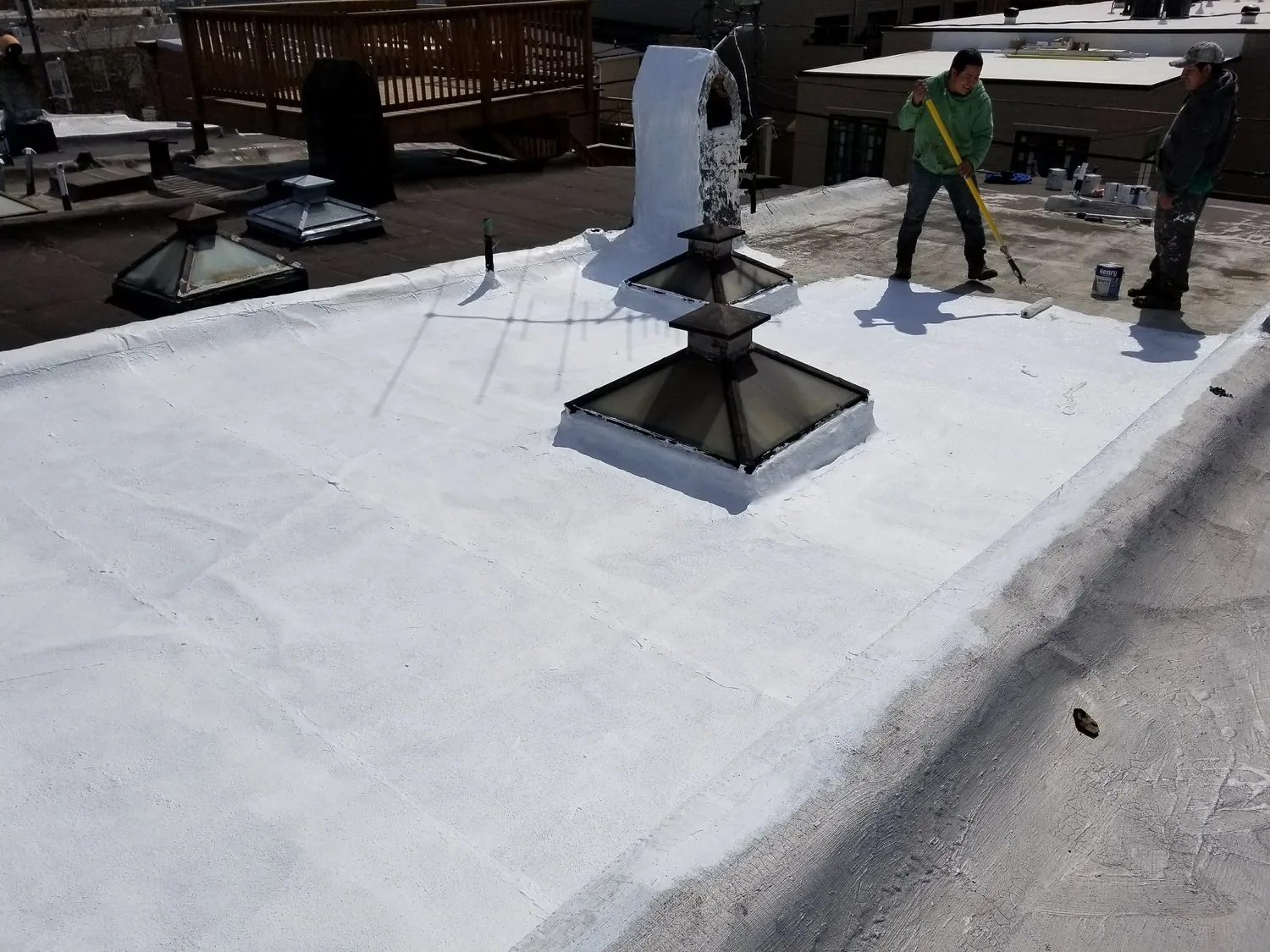
A new acrylic coat bonds to the surface beneath it, so the inspection checks whether that surface is clean, dry, and attached. We look for peeling, cracks, blisters, chalking, embedded dirt, and incompatible older repairs. When the existing coating is unknown, a test patch can help evaluate adhesion before a larger application. We inspect the membrane or metal below at representative transitions and note any section that needs a test opening. A silicone system may be considered where water exposure and substrate fit support it, but neither coating should be selected from color alone. The owner receives a preparation plan that states washing, drying, removal, reinforcement, and repair work. Loose material does not become a sound substrate when another coat is placed over it. We isolate uncertain conditions so they do not disappear inside an application allowance.
Rebuild the Details Around the Field
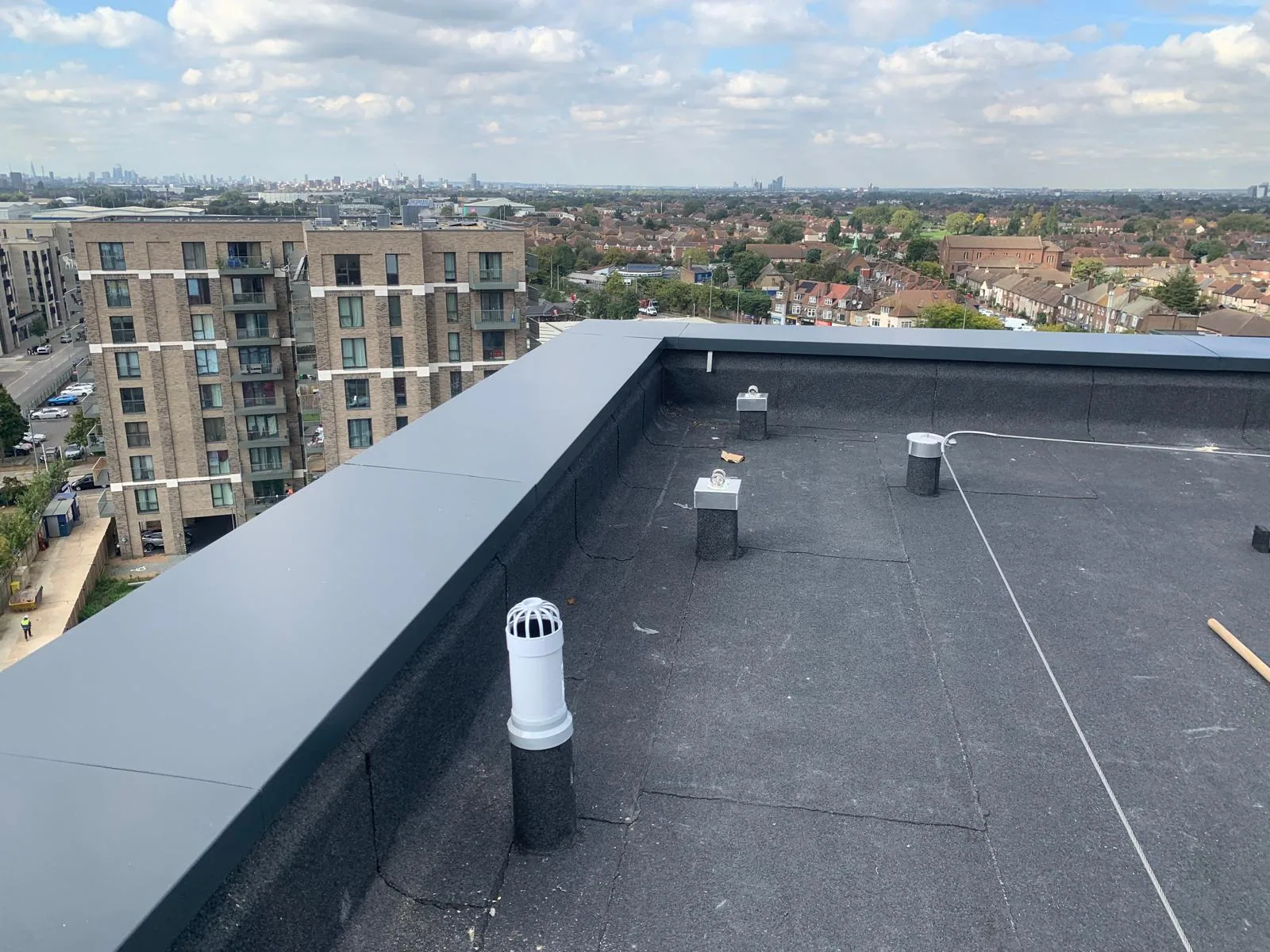
Terminations, seams, penetrations, and metal edges move differently from an open field. We inspect curbs, pipes, parapets, drains, skylights, and perimeter details for openings that can pass water under a coating. Reinforcement fabric or compatible sealant may be required at some transitions, depending on the system design and surface. We identify the preparation and repair boundary for each detail before applying a field layer. A perimeter-metal inspection can separate a loose cleat or coping joint from coating wear. If an existing foam roof has cuts or soft areas, foam repair must be scoped beneath the coating. This keeps a reflective finish from concealing a problem that still needs direct correction. We photograph details before and after the work and state any adjacent condition left for follow-up.
Schedule Around Dry Surface Conditions
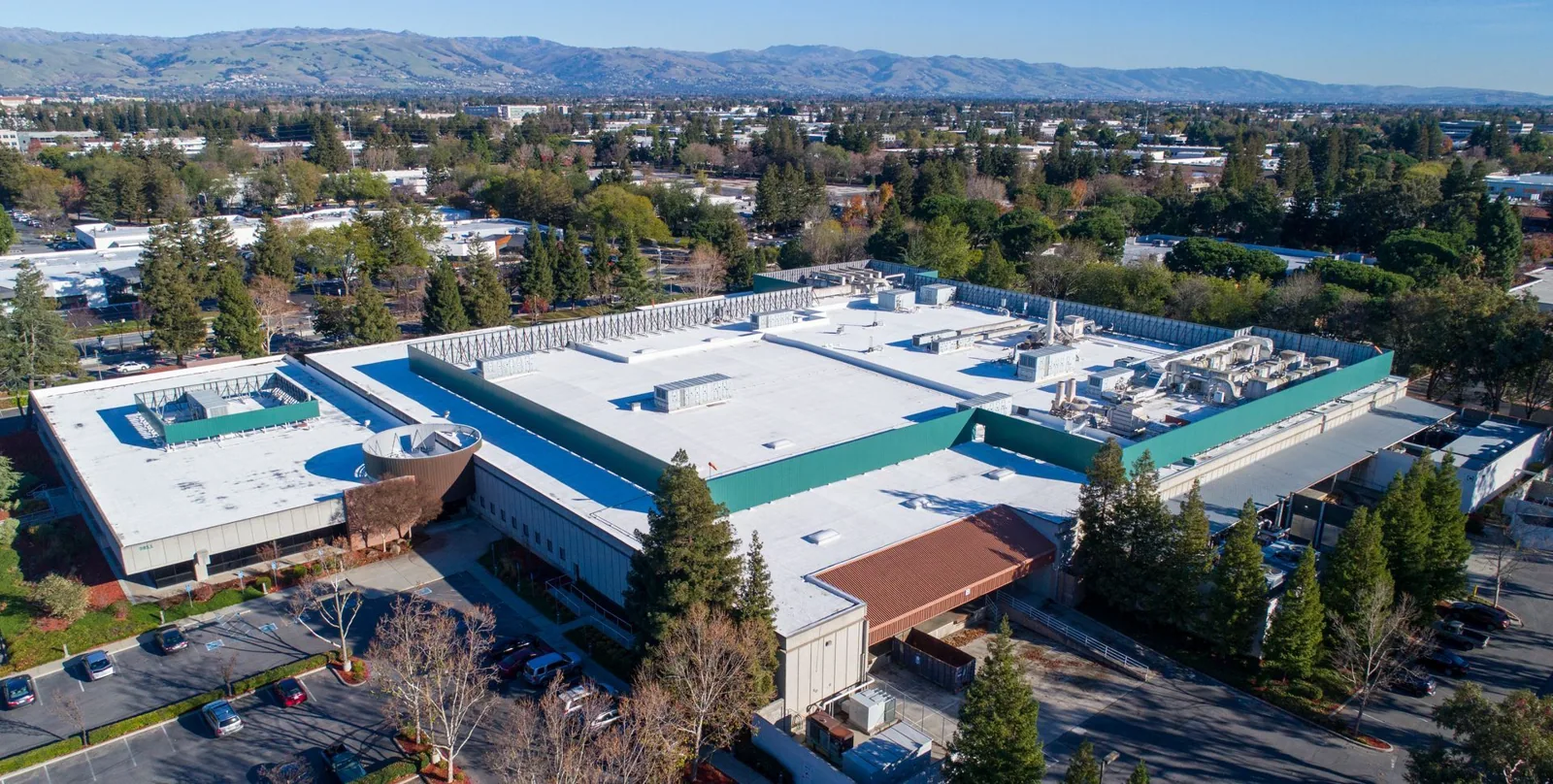
The application map should follow the building's operating zones, not a convenient roll width. We identify where material arrives, which roof sections sit above active loading, and how an applicator can move without crossing a fresh layer. Frisco's business-park plan allows warehouse and distribution forms when zoning and truck-route access support them; each property still needs an actual access check. For a warehouse, the building contact can reserve a lane or shift delivery times. Average daily highs reach above 95 degrees in DFW during July and August, so we check shade, surface temperature, and cure time at the roof. If wind or a shower changes conditions, the crew secures the last completed edge and updates the section log. This reduces walk-throughs across a tacky surface and gives the owner a clear record of what was applied during each approved work window.
Track Preparation and Coverage
The estimate should state the coating system, preparation, repairs, and coverage assumptions. We confirm the application rate and reinforcement details from the selected product requirements, then record material use and wet-film checks at representative locations. This is particularly useful where a roof includes patched seams, older coating, and new field areas. We keep drain bowls open and verify that transitions are not hidden by the coating pass. If a repair is outside the application boundary, it is listed separately with photographs. The owner receives the completion date, section map, and any area held back for a later dry window. That record makes a future inspection more useful because the building team can compare like-for-like areas. It also shows whether the next spend is routine maintenance, a localized repair, or a larger roof decision.
Decide Whether to Recoat or Replace
Recoat cost follows cleaning, removal of loose material, reinforcement, substrate repairs, drain corrections, and access. If moisture or broad adhesion failure appears beneath the coating, an additional layer may not be a responsible next spend. We compare a defined restoration with replacement of the affected section and state what test would change the recommendation. Frisco's downtown plan includes Main Street and Fourth Street implementation, while North Platinum links larger corporate and mixed-use sites. Those contexts may change staging, but the actual roof condition controls the scope. A restoration plan can document preparation and field coverage; a condition report keeps findings tied to roof sections for the budget review. The owner receives photographs, exclusions, and a decision date before materials are ordered.
Commercial Roofing Questions
Is an acrylic coating appropriate where water stays on the roof?
That depends on the selected system's ponding-water limits and the actual drainage condition. We inspect the low area and outlet first. If the roof holds water because of a blocked drain or a slope issue, that correction belongs in the scope before coating. We do not treat a reflective surface as a drainage repair.
How do you test whether an old coating can be recoated?
We inspect for peeling, chalking, contamination, and substrate damage, then perform an adhesion check or test patch where the system information calls for it. The report identifies the sample area and result. If the existing layer will not hold, we price removal or repair rather than covering the failure.
Can acrylic coating go over silicone?
Compatibility should not be assumed. We identify the existing coating and check the proposed product requirements. If the surfaces are incompatible, a preparation or removal step may be required. The estimate states the tested basis for the recommendation and any transition that needs reinforcement.
What changes the timing of an acrylic recoat in Frisco?
The substrate must be dry, and the temperature, dew, wind, rain forecast, and cure period all matter. DFW summer heat and spring storms can shift the usable work window. We confirm conditions on the roof before starting and define a stop line so an unfinished area can be protected.
What should the owner receive after the coating work?
The closeout should identify preparation, repairs, coating areas, application date, photographs, and any detail left outside scope. We include material and coverage checks where applicable. That gives the next inspection a map for seams, drains, and transitions and helps the owner plan maintenance against the same roof sections.