A loose coping joint can move water behind the roof edge before a ceiling shows anything. In Frisco, TX, we inspect the metal, cleats, fasteners, laps, wall flashing, and discharge path, then mark the repair boundary by elevation. Summer heat and spring storms affect metal movement and the work window across DFW, but the detail on the building determines what needs correction. A Rail District storefront may have a parapet and narrow staging route; a North Platinum office property may have longer roof edges and different access. We photograph the termination and check how water leaves the gutter or scupper. The inspection map ties the edge finding to the roof section before pricing new metal or flashing.
Check How the Edge Holds the Roof Assembly
Edge metal is part of the roof attachment and water-control detail. We inspect the face, cleat, fastener pattern, splice, corners, and transition into the membrane rather than coating over movement. A wind event may reveal an open lap, but the visible condition still needs a site check. If fasteners have backed out or metal has lifted, we record the affected length and whether the substrate is sound enough for new attachment. The repair scope identifies removal, replacement, flashing, and any deck work that needs an opening.
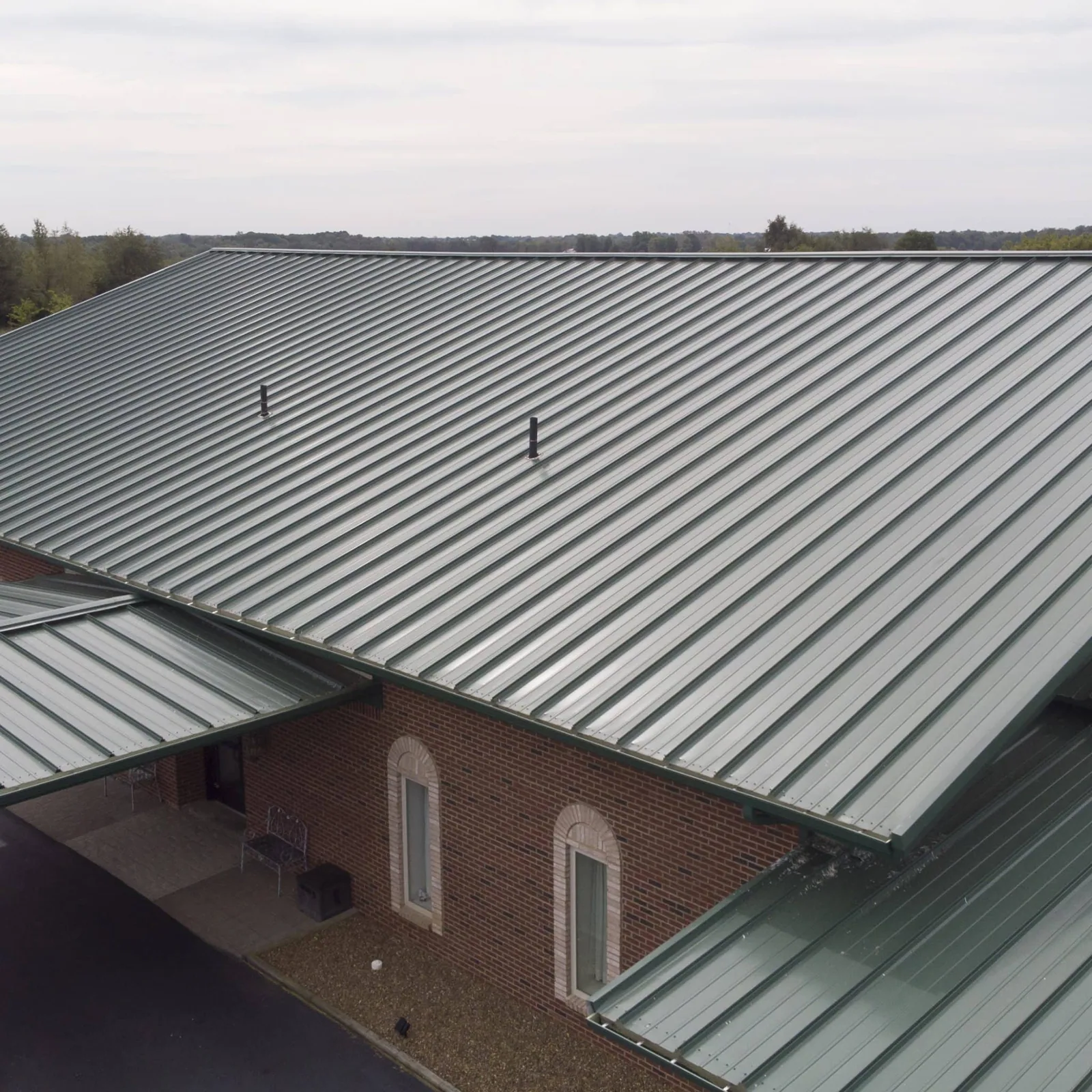
Frisco's 2025 business-park category is predominantly nonresidential and emphasizes office and modern industry; office/warehouse, distribution, and showroom forms depend on zoning and city truck-route access. That variety matters for material handling and occupied hours, not for assuming a roof detail. We confirm parapet height, edge length, access, and the building's actual membrane on site. A standing-seam metal roof has a different edge assembly from a low-slope membrane, so we identify the system before selecting attachment materials.
Rebuild Coping and Wall Transitions as One Detail
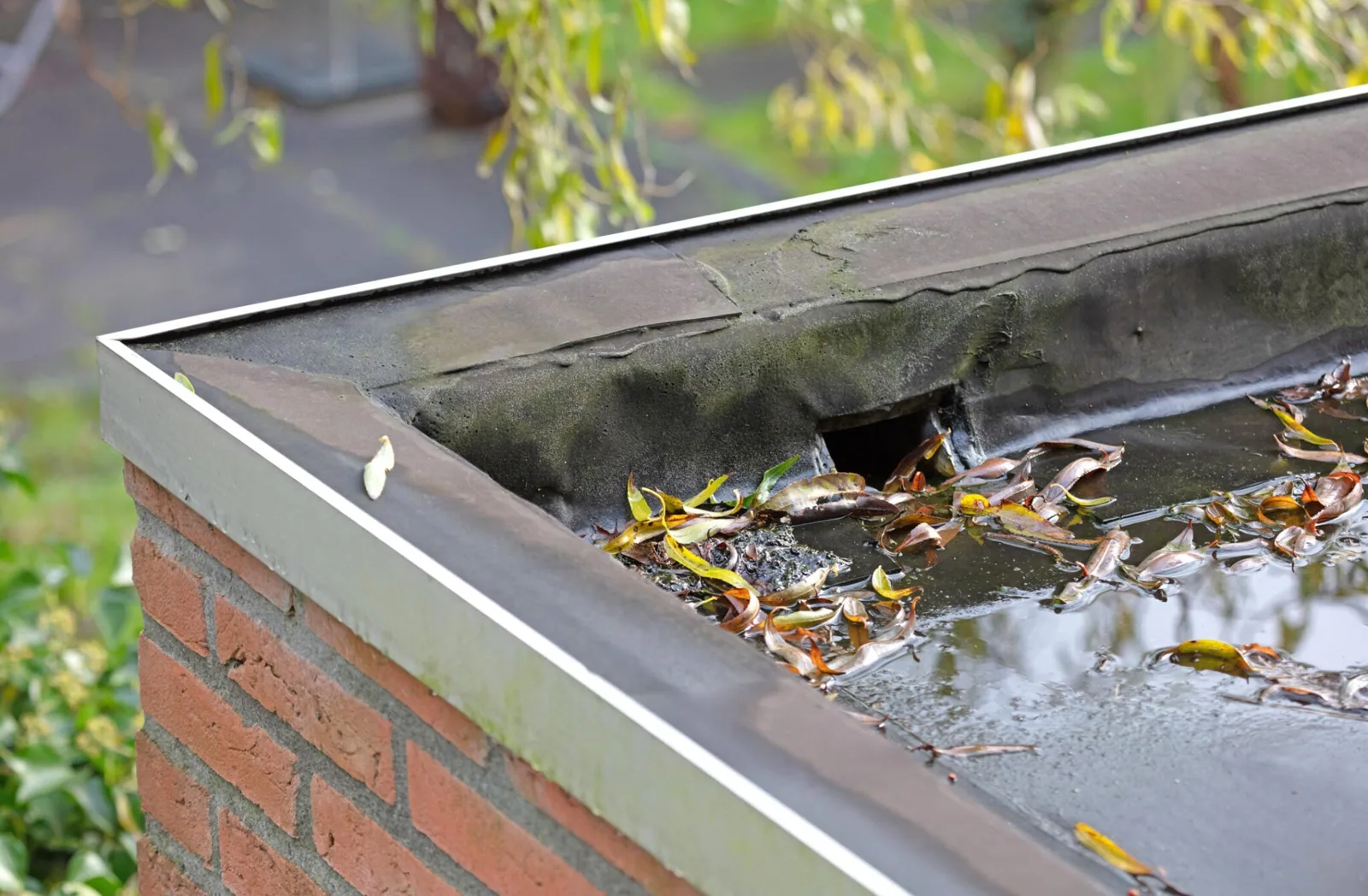
Coping protects the top of a parapet while the flashing below turns the roof membrane up the wall. A gap at either point can let water reach the wall or insulation. We inspect the coping cleats, joints, end dams, corners, and membrane termination, then confirm which layers remain serviceable. Where a metal cap is secure but the vertical flashing has separated, replacing only the cap may leave the leak path open. Our condition map shows the connection between the two details and the length that needs work.
Frisco's downtown planning includes historic commercial areas and reinvestment in the Rail District. That district context can make storefront hours, pedestrian protection, and lift placement important to the sequence. Dallas Parkway is part of Frisco's mobility and development network; we still verify truck access at the property. The Rail District or Dallas Parkway corridor can frame a service-area discussion, while the repair remains tied to the actual parapet and roof edge.
Follow the Gutter to Its Discharge Point
A clean-looking gutter may still hold water if it has lost slope, pulled from its support, or narrowed at an outlet. We inspect hangers, seams, corners, outlets, downspouts, and the connection to the roof edge. The water path continues beyond the metal: a crushed downspout or blocked discharge can send runoff back toward the wall. We identify debris removal, metal repair, and outlet correction as separate tasks so the owner knows what was included. If a drain or scupper is part of the same flow route, we map that connection as well.
DFW's annual precipitation normal is 37.01 inches, and May averages 4.78 inches; the coping-to-wall joint and gutter outlets need a clear discharge check. That regional total makes a clear discharge route worth checking, but it does not predict how a particular gutter performs. We observe the roof plane, outlet, and exterior route after a suitable water test when conditions permit. A drain and scupper inspection can include the primary and overflow paths, while the edge-metal scope stays focused on attachment and transition details.
Set Metal Lengths and Access Before Mobilizing
Metal work needs field measurements, compatible material, and a sequence that closes each exposed edge. We record lengths, corners, joints, color or finish requirements supplied by the owner, and tie-ins to retained sections. If the repair opens the membrane, the plan names how that area will be dried in before the shift ends. Crane or lift placement, pedestrian routes, tenant notice, and roof access can affect delivery and labor timing. We state those assumptions beside the quantity so the owner can resolve them before fabrication.
The Original Town commercial district and the North Platinum Corridor describe broad parts of Frisco with different building contexts, but they do not establish any edge detail. We verify the actual wall, deck, metal, and membrane at each property. If multiple roof heights meet, we label each transition and whether the new metal ends at a corner, expansion joint, or existing assembly. A roof repair scope can include the membrane or flashing work needed to make the edge correction continuous.
Close Every Lap and Fastener Line
After installation, we check splice alignment, cleat engagement, corners, end dams, fastener seating, and membrane termination. The closeout photos show the repaired length and any remaining edge condition that was outside scope. We clear debris from the gutter or drain connection and verify the downspout is connected as specified. Where the inspection finds a wall transition that needs later work, it stays on the condition map rather than being hidden by the new metal.
Frisco's regional weather patterns make follow-up useful after significant spring storms, but the inspection date follows the event and the roof condition. The owner receives the material description, location, repair boundary, and next check date. A condition report carries those details into maintenance planning, while a separate replacement review is reserved for broader system deterioration. That keeps an edge repair from being confused with a full roof decision.
Commercial Roofing Questions
Can new coping be installed without replacing the roof membrane?
Sometimes. We inspect the membrane termination, parapet surface, cleats, and adjacent flashing to see whether the metal can be rebuilt while retaining sound roof material. If the flashing below the cap has failed, the scope must include that transition. We mark the retained and replaced layers before work begins.
What causes a gutter to overflow when it is not full of debris?
A low spot, loose hanger, undersized outlet, blocked downspout, or discharge problem can slow flow even when the trough appears clear. We follow the route from roof edge to discharge and note where water backs up. The repair line addresses the observed point rather than adding sealant across the whole gutter.
How do you know whether edge metal moved during a storm?
We look for lifted laps, shifted corners, loose fasteners, displaced cleats, and matching conditions on adjacent sections. Photographs show what is visible during the inspection. If the event timing or cause is uncertain, we describe the metal condition without assigning a cause the roof evidence cannot support.
Will replacing edge metal stop a wall leak?
Only when the water path runs through the edge detail being repaired. We check coping, vertical flashing, membrane termination, wall transitions, and nearby penetrations before setting the boundary. If the leak begins at another roof detail, we show that finding separately rather than attribute it to the edge.
Which access details affect the metal work window?
Roof height, lift placement, delivery route, pedestrian protection, occupied hours, and the length of exposed edge can change the sequence. We confirm those limits with the property contact and list them beside the fabrication and installation scope. Each section is closed before the crew moves to the next area.