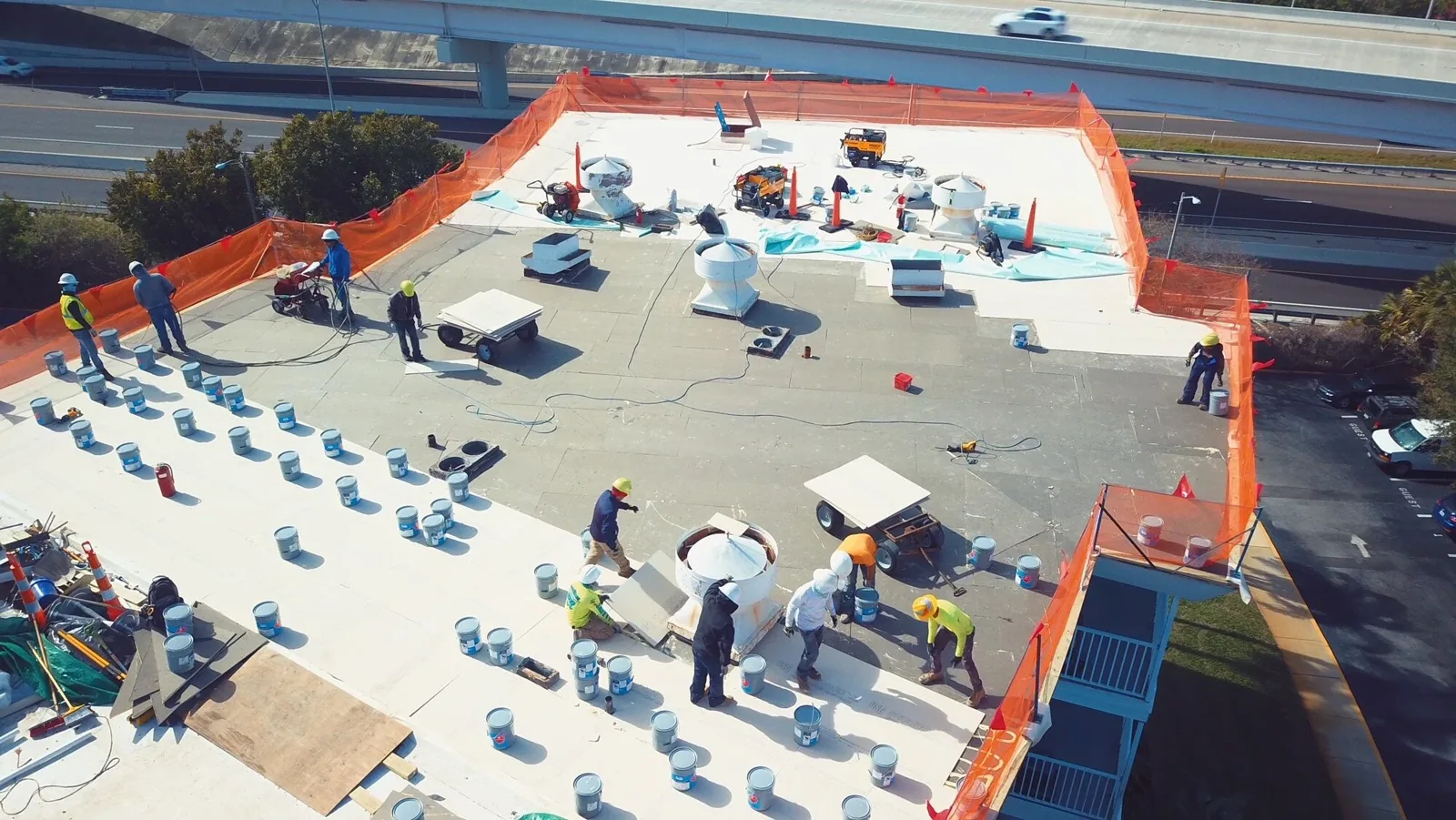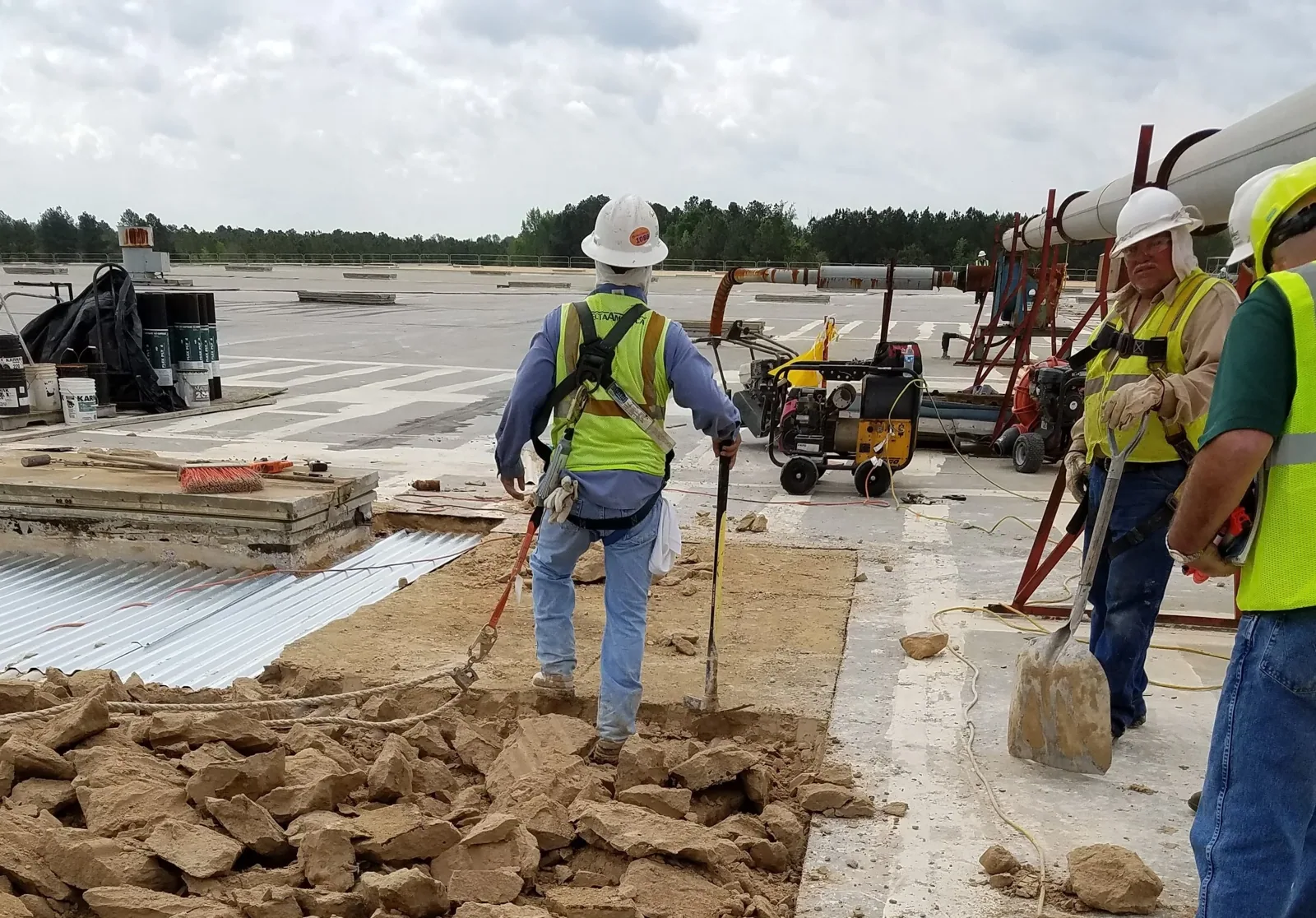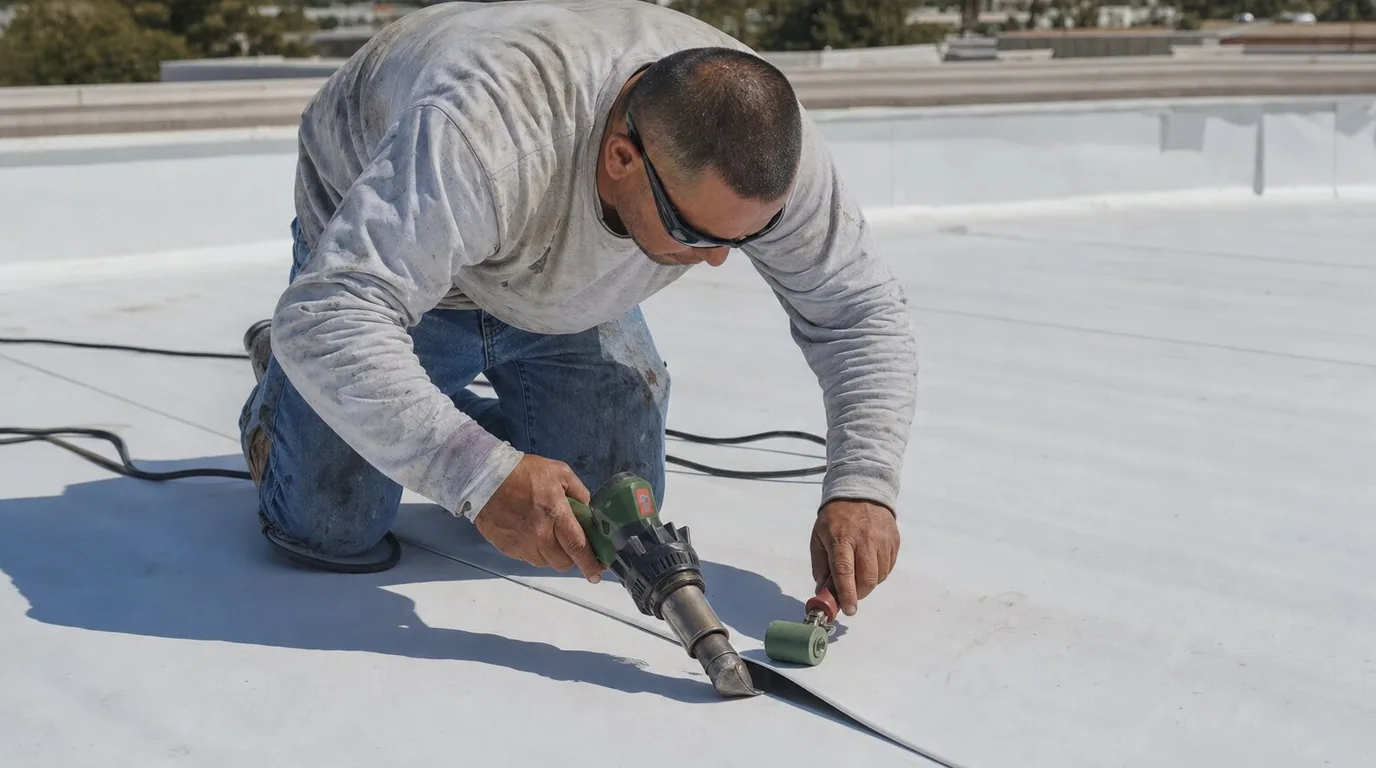
An exhaust penetration with active water above a kitchen needs a protected work area before service begins. We record the reported room, inspect the roof detail, and coordinate access with restaurant management and the property contact. North Platinum Corridor is an employment and development area; downtown includes other commercial districts. Those labels help orient logistics, not identify a restaurant's hood route or roof construction. We verify the actual building and operating schedule first. The first-hour plan keeps food and dining areas protected while the owner decides whether the next step is a localized repair or a broader roof scope.
Fit the Repair Around Prep and Dining Hours
Restaurant access may change between deliveries, kitchen prep, lunch, dinner, and cleaning. Management identifies which hours permit roof traffic, lift setup, noise, and interior protection. We set the work boundary around customer entrances and staff routes, then state when the roof section will be secure. A phased occupied-building plan can sequence work to approved quiet periods. If water is active, a separate leak response identifies immediate protection and the permanent repair line instead of blending both decisions together.
We also confirm whether a landlord, tenant, kitchen operator, and mechanical contractor each control a different part of the work. Exhaust equipment, grease ducts, signage, and rooftop fans may need a trade handoff before flashing is repaired. The scope names who disconnects or moves equipment and who confirms operation afterward. A crew should not assume that a roof hatch, kitchen ceiling, or loading area is available without the contact's approval. The schedule records staging and cleanup so the restaurant knows when each affected route returns to service. If a serving area cannot close, management can identify a protected alternate route before the crew stages materials.
Inspect Hood Curbs and Roof Transitions
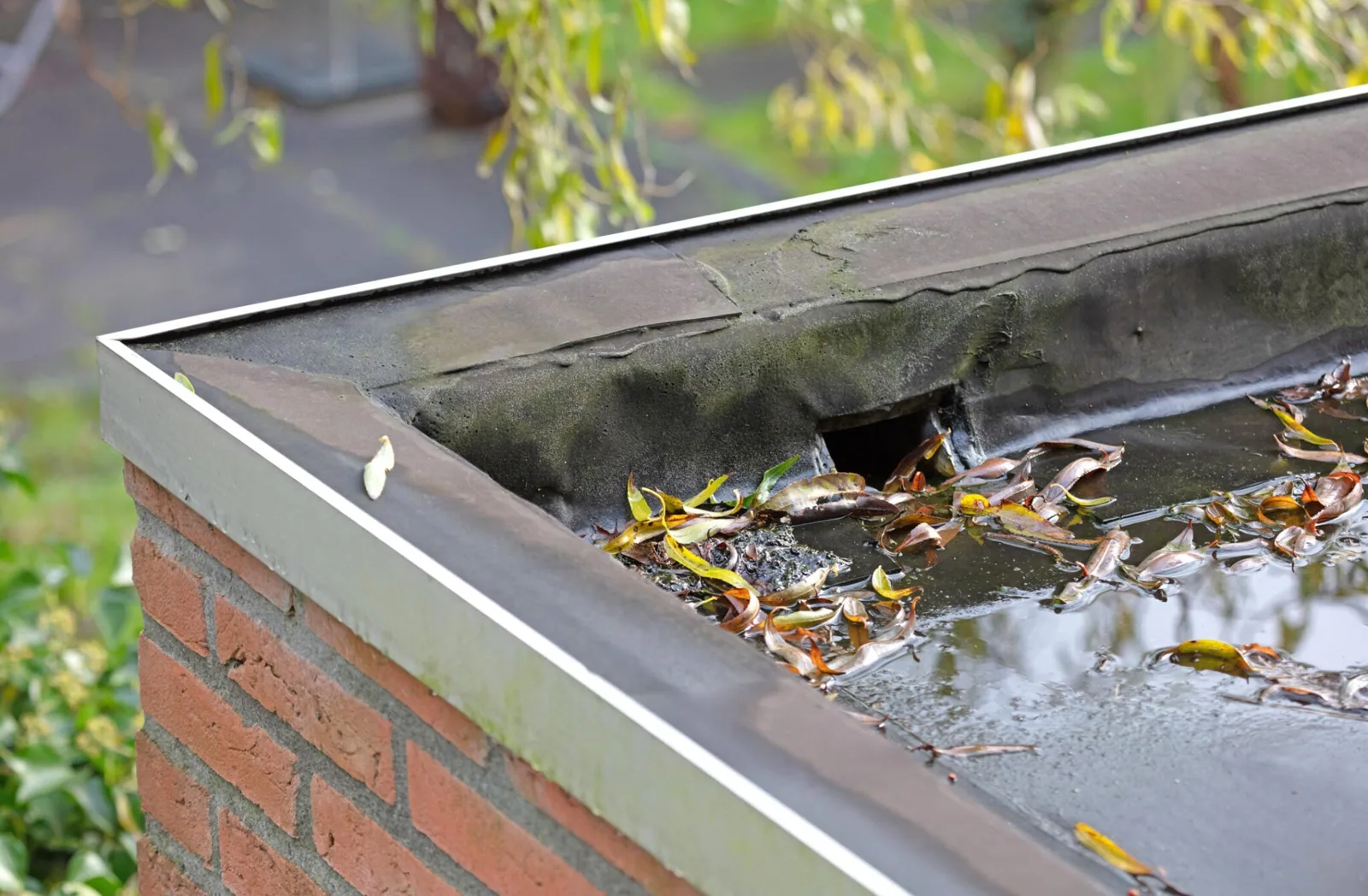
Exhaust ducts, fans, pipe supports, and electrical conduits interrupt the roof membrane and create flashing transitions. We inspect the curb, seams, base flashing, nearby membrane, and service clearance, then photograph what is visible. A roof condition inspection links each detail to its roof section and notes access limits. If grease service or mechanical work is needed, the report assigns that item to the appropriate trade instead of calling it a roof repair.
Water can enter near a penetration and travel before appearing indoors. We compare the room report with roof details, drains, and any previous patch. A drainage check helps rule in or rule out an outlet issue. Restaurant additions may have different membrane ages or slopes, so we map transitions rather than assume a single assembly. If a roof opening reveals wet insulation or deck damage, we secure the area and request approval for the added work before expanding the scope. The owner receives a photo, repair location, and any access requirement before a detail is covered.
Use Frisco Conditions to Set Application Timing
DFW normal highs approach 96°F in both midsummer months. For a kitchen roof, the measured surface temperature and the system’s application limits set the work period and next service window. Heat affects roof surface conditions and can limit the hours available for some systems. We check material requirements and choose a work window that lets the roof close securely before the restaurant's next operating period. Frisco's Rail District and Original Town are downtown districts; North Platinum is a separate employment area. Use the distinctions only to orient deliveries; the property manager sets site-specific access. Those distinctions help frame access questions, not assumptions about a particular restaurant's roof.
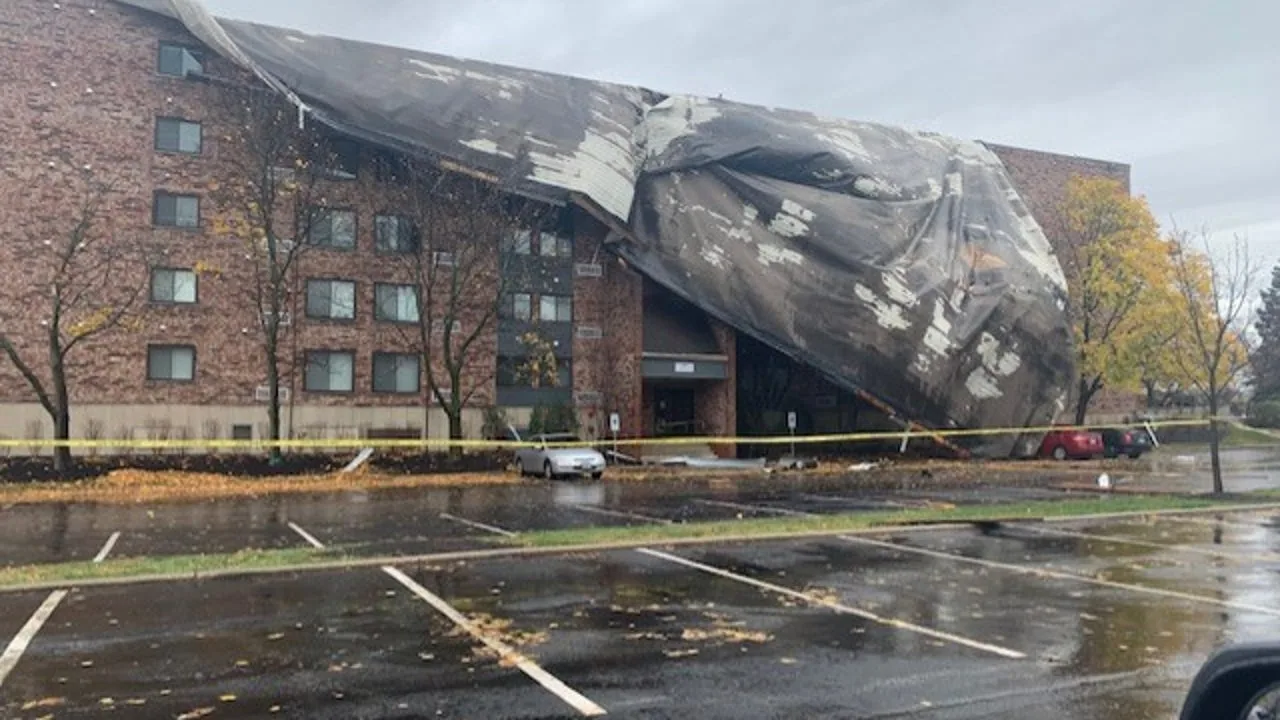
Because spring is DFW’s wettest severe-weather stretch, a restaurant operator can compare a ceiling stain with dated storm and kitchen-service records before setting a repair boundary. A regional warning may prompt a post-storm inspection, but only observed conditions support a damage finding. We photograph the actual membrane, hood flashing, edge details, and drains. If impact is visible, a storm assessment separates temporary protection from permanent repair and claim documentation. Frisco's Dallas Parkway and US 380 routes inform general movement, but restaurant management approves the address-specific delivery and debris path.
Keep Kitchen Protection in the Estimate
The estimate lists the roof section, flashing repair, material, access, containment, interior protection, and expected work hours. It separates known damage from concealed conditions that could require more work. If the roof has multiple related failures, we compare repair with replacement using the same section map. A photo condition report gives management a record for the owner, tenant, and insurer. A repair estimate should not promise uninterrupted service unless the access and schedule support it.
Restaurant buildings can be freestanding or part of a larger center. A shopping-center roof may require coordination with neighboring tenants, while a grocery building can have separate refrigeration equipment and receiving needs. We verify this restaurant's lease responsibilities, exhaust route, and roof records before pricing. The proposal identifies the party who approves an added curb, duct, or deck repair. That decision record keeps the immediate repair separate from future capital work and provides a date for the next spend. If the roof shares access with adjacent units, the property manager confirms notice and staging limits before pricing the phase.
Record the Roof Work and Room Return
Closeout documents the work area, dated photos, material installed, and any condition left for follow-up. We note when interior protection is removed and which contact accepts the room. The owner should keep the repair map with roof and mechanical service records. Any exhaust cleaning, fan balancing, or kitchen inspection assigned to another trade remains a separate acceptance item and is named in the handoff.
If water returns, we compare the room, timing, and weather report with the previous roof map before deciding where to inspect. A different seam or drain may be involved. We revisit the affected area, document the evidence, and submit the next repair boundary for approval. If water is reaching an operating kitchen, request emergency stabilization at any hour; the permanent scope is priced after the hood flashing and surrounding roof are inspected. The owner receives the protective action, access window, and remaining scope decision, so an urgent kitchen issue does not become an unsupported replacement recommendation.
Commercial Roofing Questions
Can restaurant roof repairs happen between meal periods?
We coordinate with management on prep, dining, delivery, and cleaning hours, then match the roof boundary to a secure stopping point. Some activity may fit between service periods; other work needs a planned closure or after-hours window. The scope lists the access and noise assumptions before mobilization.
Does a hood leak always come from the exhaust curb?
No. Water may enter at a curb, seam, drain, or nearby transition and travel before reaching the kitchen. We compare the reported room with roof details and photographs, then state what is confirmed. If the likely source needs a test or more access, that step is identified before permanent work is priced.
Who handles a rooftop fan during flashing repair?
The proposal assigns mechanical disconnection, lifting, and restart confirmation to the responsible trade, while our roofing scope includes the membrane and flashing boundary. We record clearances and the approved work window. A fan is not moved until the owner and mechanical contact authorize the sequence.
What should a restaurant owner review in the repair estimate?
Check the roof area, flashing detail, interior protection, delivery route, work hours, and any concealed condition that could change the scope. We list the party responsible for equipment work and the approval contact for additions. The repair line and future replacement decision remain separate.
How do we document a leak after a storm?
We record the report date, affected room, roof section, photos, and conditions actually observed. Regional storm information can support the timeline but does not prove the cause at one building. The owner receives temporary protection, repair options, and any additional inspection need in separate steps.