A leak above a sales floor can reach merchandise, lighting, and active aisles before a repair crew has a roof map. We protect the interior, trace the reported water path, and identify the affected roof section with the store and property contacts. Frisco's Dallas Parkway and US 380 corridors frame movement across a growing commercial market, while the Rail District and North Platinum Corridor reflect different property settings. None of those places identifies a particular store's roof or access route. We verify the assembly, loading limits, operating hours, and work approval first. The first-hour plan keeps emergency protection separate from the permanent repair choice.
Protect Customer and Receiving Routes
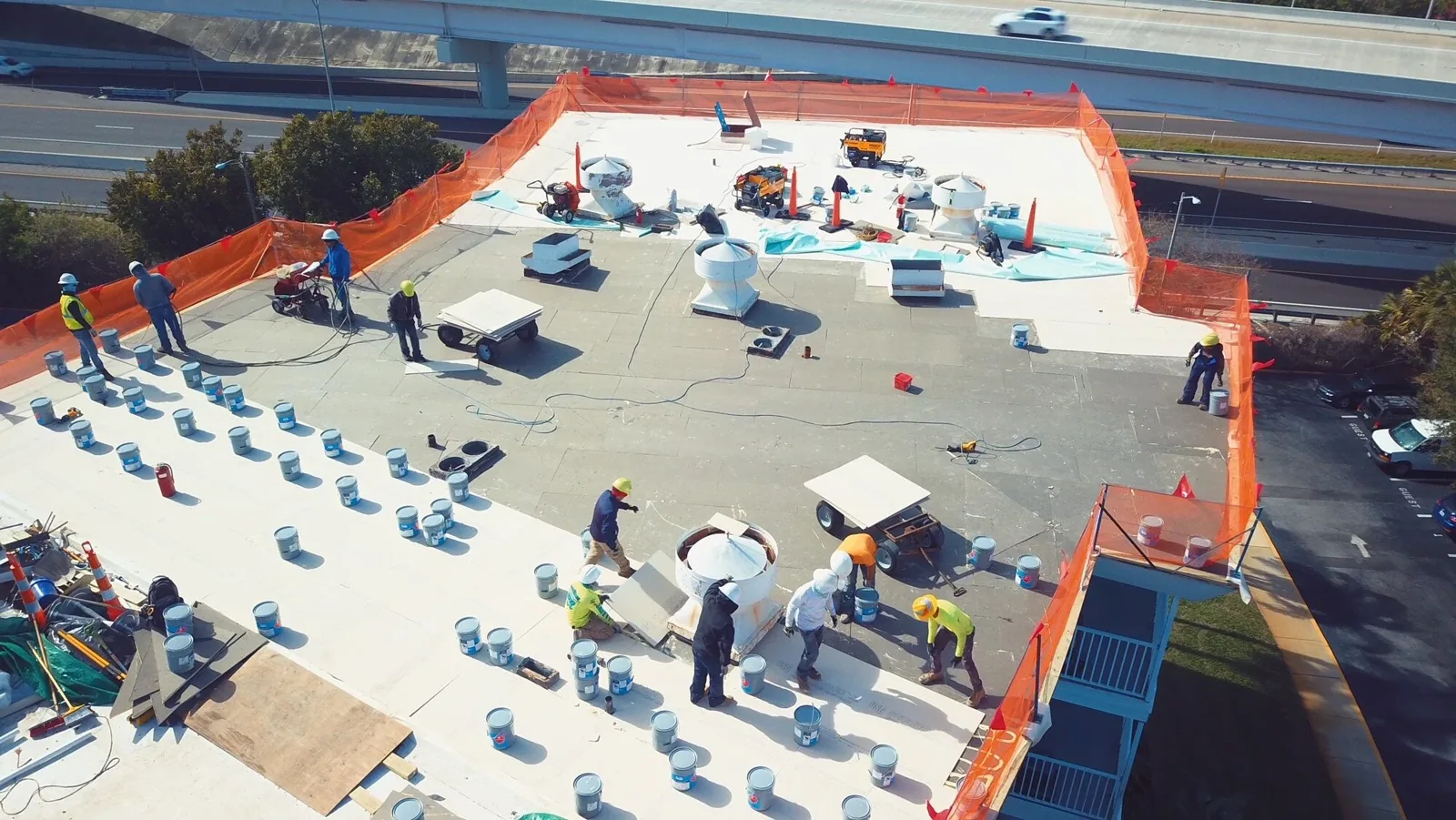
Store operations often continue while the roof is inspected or repaired. Management identifies customer entrances, receiving hours, curbside activity, lift access, and the area available for debris. We use those limits to set a daily roof section and a safe stopping point. A phased occupied-building scope can coordinate the store's hours with roof openings. If water is active, a leak response documents temporary protection and the permanent repair boundary before a larger project is priced.
Loading docks, rooftop equipment, and long roof runs can require different access points. We confirm which doors remain open and where a lift or material truck can stage. The store contact also identifies sensitive merchandise, food, or electronics areas requiring interior protection. Those directions shape the schedule and should appear in the scope. An open store does not mean that every roof area or delivery route is available to the roofing crew.
Break a Large Roof Into Workable Sections
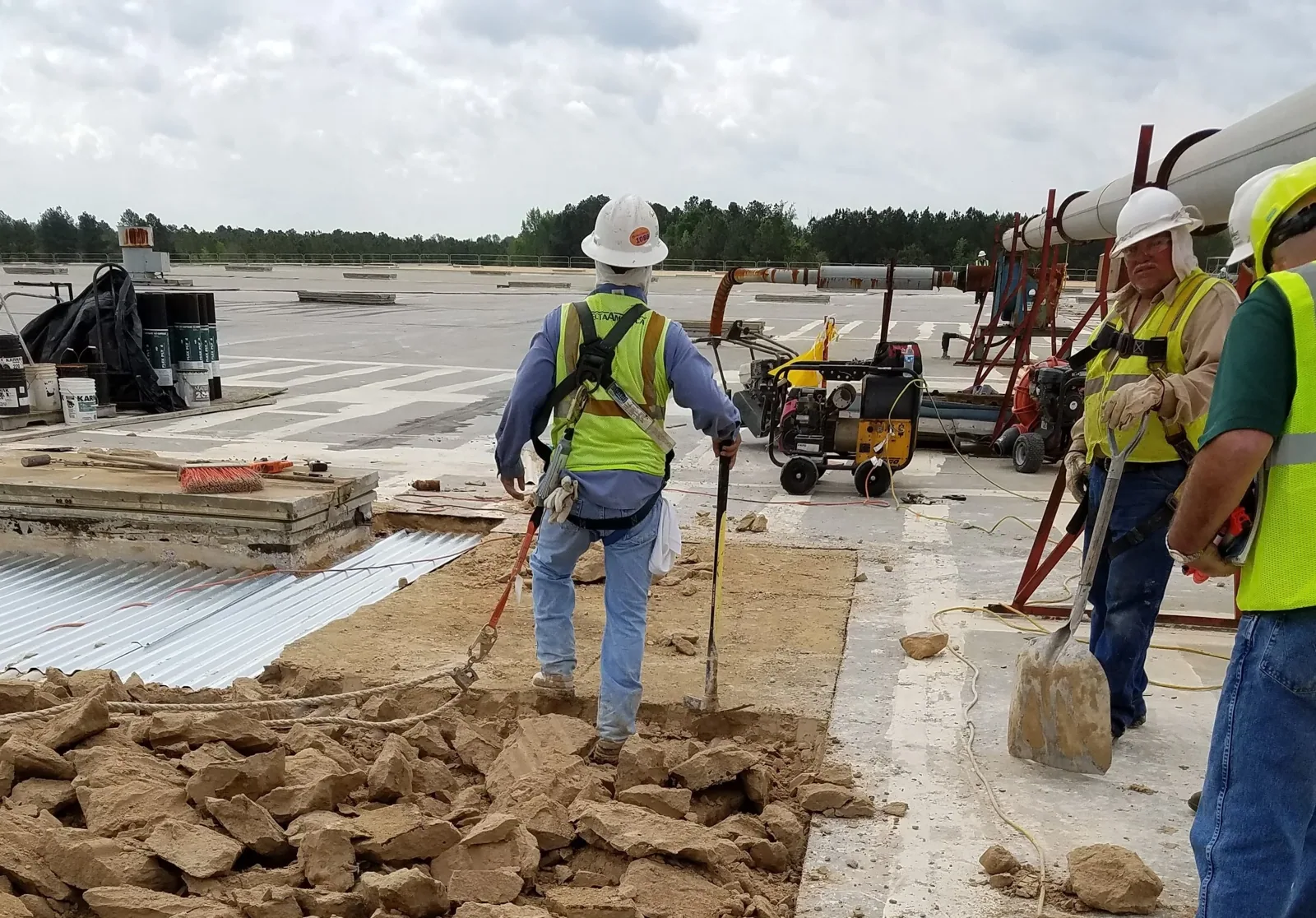
We map seams, penetrations, drains, perimeters, and previous repairs by roof area. A commercial roof inspection records the visible condition and any access limit affecting the report. Long membrane runs can have multiple seams, transitions, curbs, and patches; each recommendation should point to a location and photo. If wet insulation or damaged deck remains concealed, we explain the opening or test required to confirm it before adding work.
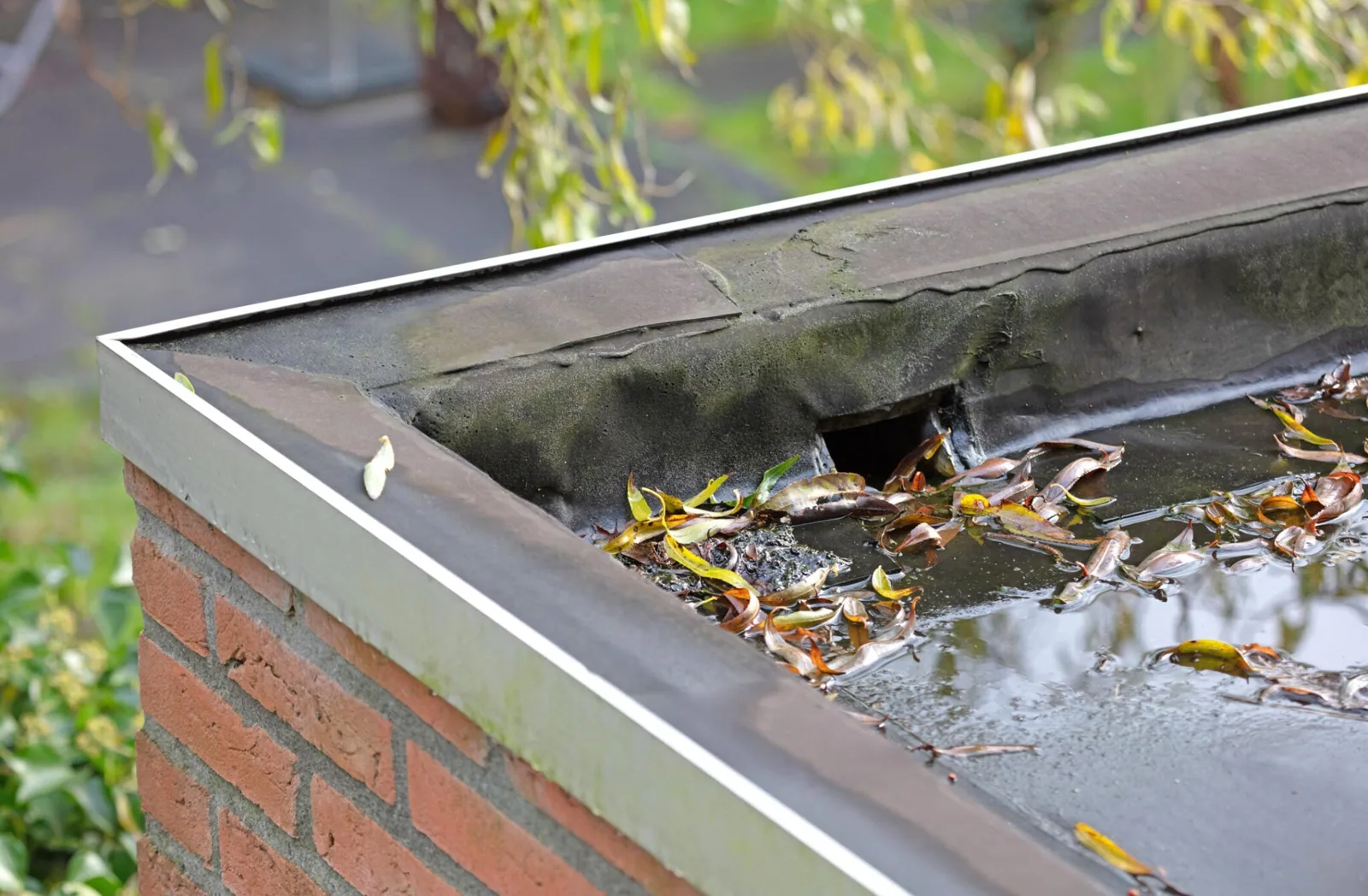
Sales-floor and stockroom layouts may sit below different roof details. We ask where water appeared and whether it followed lighting, framing, or an equipment route before deciding where to inspect. At roof drains and scuppers, we check the outlet and nearby membrane. A drainage review can distinguish water backup from a seam or flashing concern. If a curb or support needs adjustment, the proposal identifies the mechanical handoff and required service clearance instead of folding it into a general roof allowance.
On a broad roof, the daily sequence should leave a complete, watertight stopping point rather than an open field that depends on the next shift. We plan how each removed area is secured and which perimeter or curb details need temporary closure. The store lead knows which interior zone is protected and when the roof can return to normal service. If weather or receiving operations change that sequence, the crew records the boundary before leaving the roof.
Set Application and Storm Inspection Timing
DFW's normal daily high is 95.6°F in July and 95.8°F in August. Before an application, the crew measures the actual roof surface and checks the system temperature range. Heat can change roof-surface conditions and the safe time available for some applications. We match the day's opening to product requirements and the store's operating window, then record where the roof will be secure before the shift ends. Frisco's business parks center on office and modern-industry uses; warehouse, distribution, or showroom forms require compatible zoning and truck access. That planning context does not identify this store's use or roof. Management confirms the property's actual loading entrance and delivery limits.
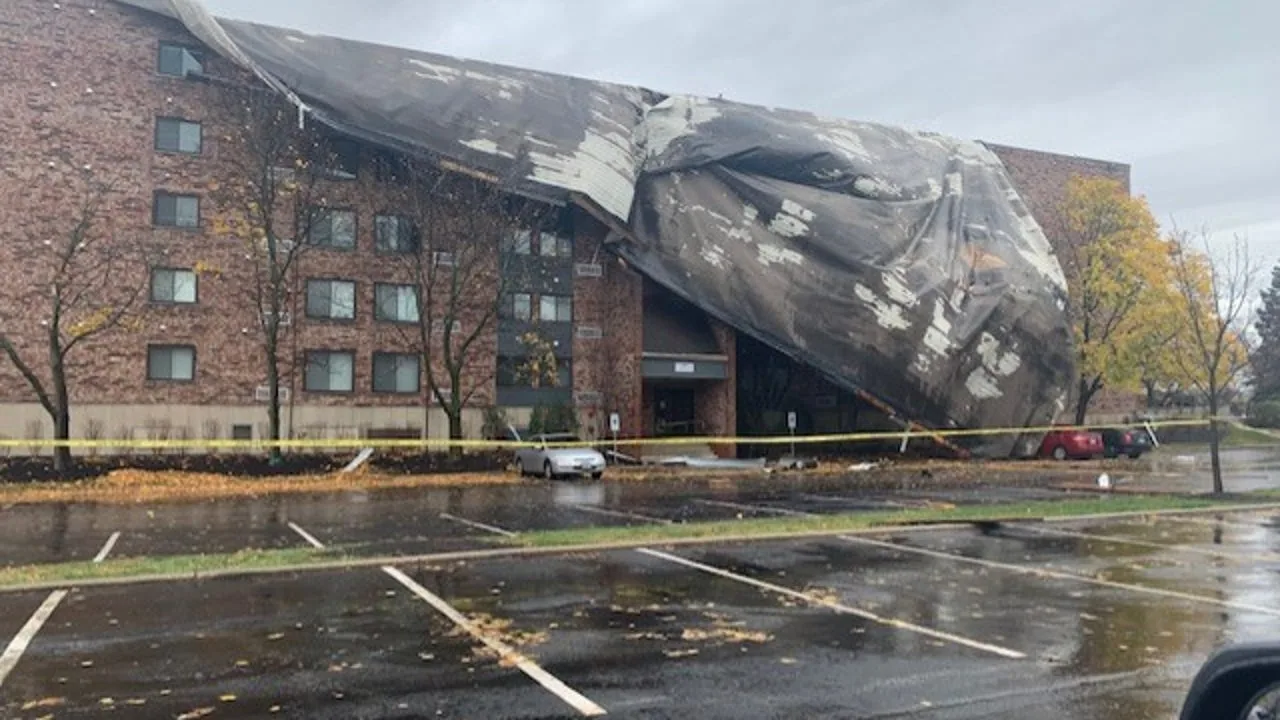
Spring is DFW's peak combined period for rainfall and severe storms. Use that seasonal signal to schedule a prompt roof check, then base any repair on photographs and site findings. A storm report gives a reason to inspect promptly, but a regional event does not prove damage at one property. We photograph the actual perimeter, membrane, drains, and penetrations. A storm repair assessment connects each finding to the observed roof area and keeps claim records distinct from repair conclusions. For service geography, the Dallas Parkway corridor is a broad route reference, while store management confirms its loading entrance and permitted truck approach.
Compare Repair With Storewide Capital Work
The estimate separates the current repair, temporary protection, access, disposal, and interior safeguards. If multiple roof sections show related conditions, the owner can compare targeted repair with recover or replacement. We list possible concealed deck and insulation work as approval items. A replacement scope identifies the assembly and perimeter details, while a condition report preserves the evidence behind the recommendation.
Different retail buildings bring different roof decisions. A shopping-center roof may combine several tenant bays and entrances, while a grocery building can have cold equipment and food-service penetrations. That comparison helps frame the questions, not assume what exists here. We verify the store's roof records, rooftop unit schedule, and operating requirements before estimating. The owner receives the repair line, access window, next spend, and decision date in separate terms.
Keep the Store Roof Record Current
Closeout lists roof sections repaired, dated photographs, material installed, and any open item. We identify the area protected inside and which contact accepted it after work. Management can keep the map with roof plans, warranties, prior invoices, and maintenance records. If another trade handled equipment, the handoff states what remains to be verified so the roofing closeout does not imply a system test.
If water returns, the next inspection starts with the new room and date, then compares it with the prior repair map. A seam, drain, or penetration may call for a separate repair line. We do not price a larger area simply because a leak recurred. The owner receives the finding, recommended protection, and approval needed to proceed. Emergency response is available around the clock when active water threatens the sales floor or stock area. The record can inform the next budget meeting without treating an old observation as a current condition.
Commercial Roofing Questions
Can roof repairs happen during store hours?
We plan the work window with management around customer flow, receiving, noise limits, staging, and the roof area that can be secured. Some repairs may fit during normal operations; others need an after-hours or limited-access period. The schedule names the daily opening boundary and who approves a change before additional roof area is exposed.
How do you locate a leak over a large sales floor?
We start with the reported room, timing, and conditions, then inspect the related roof sections and details. Water may move across insulation or framing before it appears below. The report pairs visible roof observations with photos and lists any test or interior access still needed to confirm the entry point.
What affects big-box roof replacement timing?
The roof area, tear-off depth, weather, product requirements, receiving access, store hours, equipment work, and the size of each daily closure all affect timing. We confirm delivery and debris routes with the store team. Concealed insulation or deck findings are submitted for approval before they change the schedule or price.
Can a coating address leaks on a large retail roof?
A coating is considered only after the existing membrane, seams, moisture, drainage, and substrate are checked for suitability. It cannot substitute for repairing an unresolved leak path or replacing failed details. We document the roof conditions and explain whether restoration, repair, or replacement supports the owner's decision.
What belongs in the store roof closeout?
Keep the roof map, dated photos, work scope, approved changes, materials, warranty papers, and next maintenance date. We note which sections were completed and any equipment or interior work assigned elsewhere. The store team can use that record when a later leak report comes from another aisle or stock area.