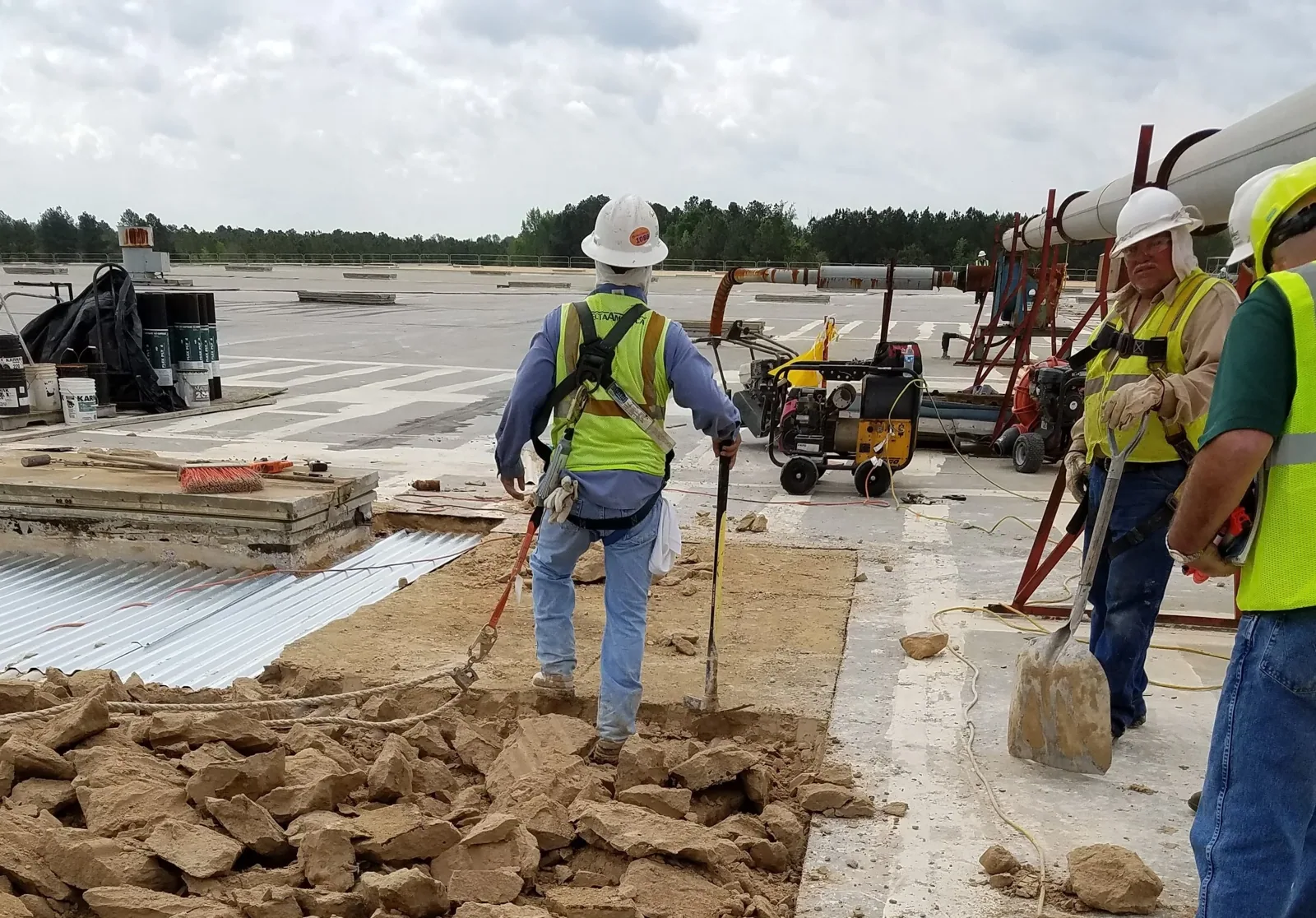
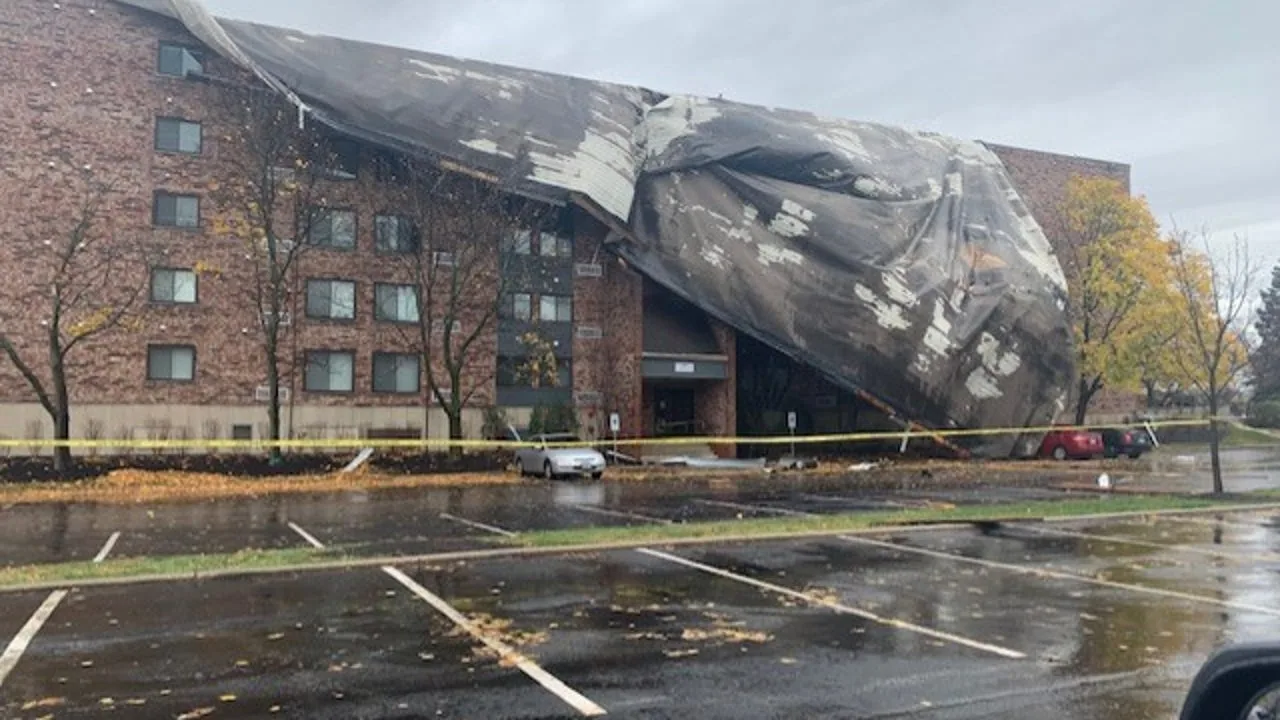
A delivery interruption from an active roof leak in Wylie needs a safe first response and a work boundary the site contact can approve. We protect the interior, identify the likely water path, and map the roof section before pricing permanent work. Wylie EDC reports that the CPKC Wylie Intermodal Terminal and an approximately 362-acre logistics park connect distributors with Class I rail operators via SH 78. That transportation context makes route and staging questions practical, but it does not tell us what roof is on an individual facility or whether it has damage. We confirm the building, access rules, and operating hours with its owner. The property contact also identifies the loading-door clearance, truck turning area, and material drop point before we set lift or crane times.
Our inspection checks seams, penetrations, curbs, drains, edges, and any repair near the reported leak. If water is active, our emergency response is available after hours and on holidays; temporary protection remains separate from permanent repair. A water-path inspection identifies the next roof check. A Frisco North Platinum review or Rail District assessment receives its own building map. We keep each property's load route, roof condition, and authorization record distinct.
Protect the Delivery Route
When a property depends on regular deliveries, the work sequence needs a clear access lane and a place for materials to arrive. Rail connections do not define an individual property’s roof, loading pattern, or delivery window. The property contact identifies the actual truck route, delivery window, roof entrance, and area that must remain open. The crew also confirms a place to protect the interior and store removed material without blocking deliveries. We put those limits in the work plan before a crew stages membrane, insulation, or equipment.
A leak report begins below the roof. We ask which area is affected, when water appeared, and whether a process or equipment shutdown is available. On the surface, we check the section above that area and nearby transitions that can carry water sideways. A commercial roof inspection can document the assembly, route limitations, and visible conditions. If inspection requires a lift or controlled access, the owner confirms where it can be set without closing an active delivery lane. The inspection record names any access limit and the approval needed to remove it.
Read the Assembly Before Selecting Materials
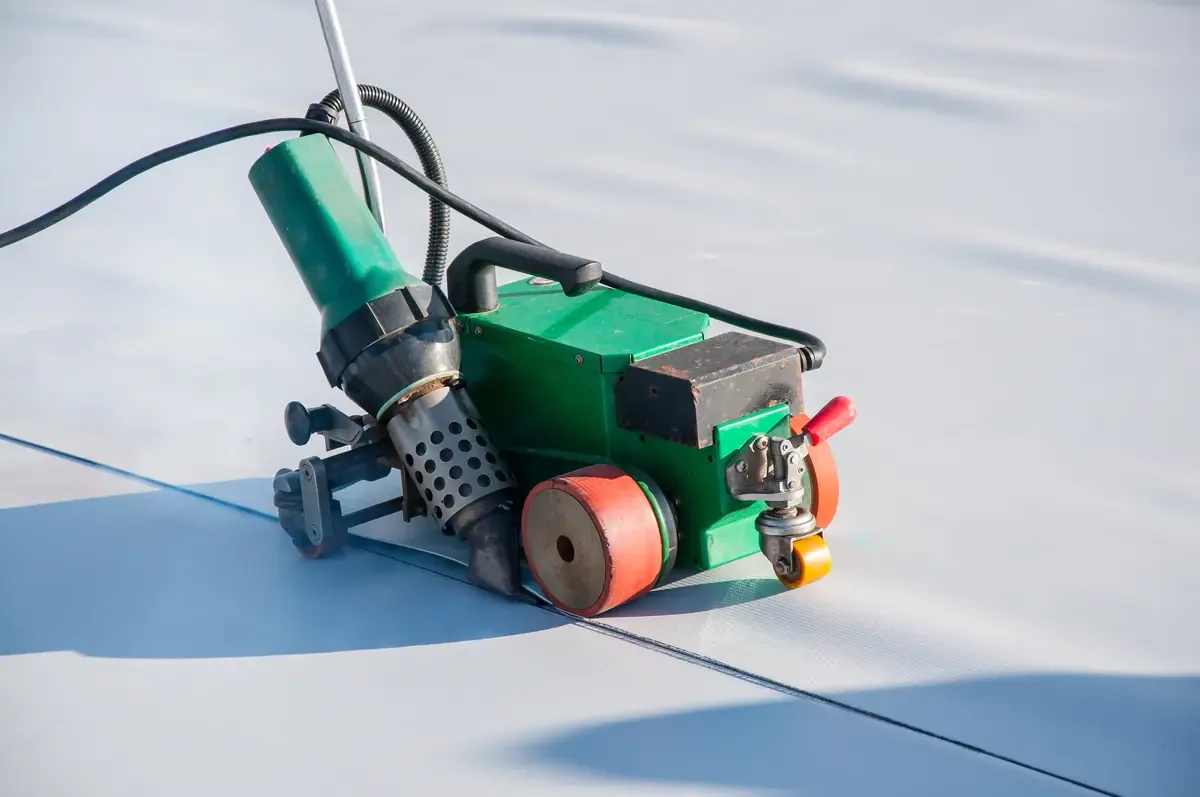
Membrane, metal, and coating systems respond differently to repairs. We identify what is present through plans, service records, and accessible roof observations before recommending compatible materials. A seam may need cleaning and heat welding; a metal panel may call for a different fastener or closure detail. We record the condition and tie the repair to the material that is actually on the building. Material selection follows the assembly and condition confirmed at the building.
For a Wylie property, the equipment, loading, and roof access patterns are confirmed at the site. The owner can compare the existing system record with an inspection map before deciding on a repair, recover, or replacement. A PVC roof-system review is relevant only if the installed or proposed assembly calls for it. If a failure repeats or concealed moisture extends beyond one seam, we explain which test would change the quantity. We keep the repair boundary on the observed detail and record nearby areas separately.
Set a Secure Weather Window
Regional DFW normals put the July mean daily high at 95.6 degrees and August at 95.8. We use that seasonal range to plan adhesive, welding, and staging windows, then check the actual roof surface and forecast before choosing a Wylie work section. We set the section size so it can be opened, prepared, and secured during a shift. That boundary protects inventory and operations below the work area.
Spring is the DFW area's peak severe-weather season. Large hail and damaging winds affect locations somewhere in the Metroplex nearly every year, not every place in each year. We document visible evidence before a storm repair is priced. May averages 4.78 inches of rain in the regional normals, making a functioning drain route and close-of-day dry-in point practical checks. A drain and overflow inspection can be shown separately from a hail-condition assessment. Both remain tied to what the roof inspection finds.
Put Each Approval at the Right Boundary
A proposal should show the measured repair area, preparation, material, and a stopping point. If removal exposes wet insulation or a damaged deck, we photograph and measure that area, protect the opening, and request approval before adding work. The owner can compare the scope ready for approval with the decision that still needs evidence. This matters when a facility has to coordinate roof access with equipment, loading, or operating hours.
Cost and duration change with roof height, layers, staging, insulation, flashing, edge metal, disposal, and the time available to secure a section. A bounded repair proposal and a replacement comparison should remain separate alternatives. We list known quantities and assumptions for each path. If a roof coating is being considered, we check moisture and adhesion first rather than using it to cover a condition that needs repair. A capital plan can preserve the next decision date and the conditions that might change it.
Leave the Roof Ready for the Next Shift
Before the crew stops, the planned roof area must be secure and the delivery or service route returned to the property contact. The schedule states who can approve a change, where the crew leaves materials, and how a shutdown or access delay will be handled. At closeout, we return dated photographs, repair locations, installed materials, and open conditions. The owner has a record that can be used if a new leak appears or a different contractor needs to inspect the same section later.
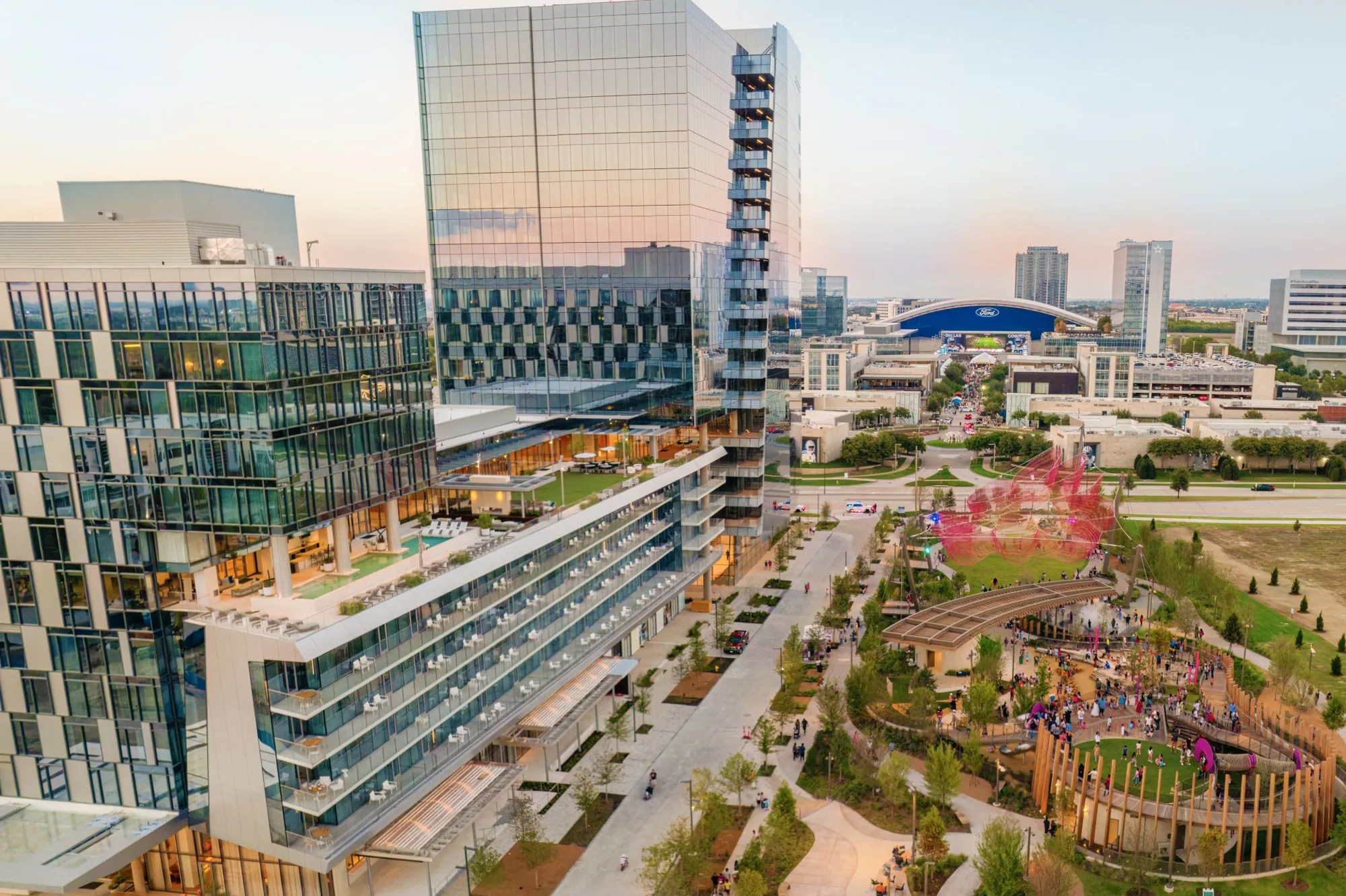
Wylie’s rail and SH 78 logistics setting differs from Frisco’s North Platinum and downtown areas. Each property’s assembly, access rules, and condition stay attached to its own roof map. A temporary response can control active water, and a photo-linked condition report can keep the permanent repair decision traceable. Share the building, leak status, delivery hours, and roof records. We will identify the first check and return a prioritized repair-versus-replacement scope.
Commercial Roofing Questions
Does Wylie’s rail activity determine the roof type at a property?
No. The logistics park and rail connection do not identify an individual building or its roof assembly. We confirm the property and owner, then inspect the actual roof and access requirements before preparing a scope.
Can you work without interrupting a property's deliveries?
We first confirm the actual truck route, delivery periods, roof access, and staging area with the property contact. The work plan identifies the lane that stays clear and the roof area that can be secured each shift. If a route cannot be maintained safely, we set a different window before mobilization.
What happens if removal finds wet insulation?
We photograph and measure the exposed area, protect it, and submit the added quantity for approval. The authorized repair remains the base scope until the owner reviews the evidence. That creates a clear stopping point when concealed conditions change the work.
How do you coordinate roof work with a production shift?
The contact confirms active hours, equipment needs, shutdown authority, and the daily secure point. We sequence each roof section so it can be closed before work stops and identify who receives an update if access changes. The schedule stays specific to the building's operations.