DFW's normal July and August daily highs are 95.6°F and 95.8°F; roof surfaces respond according to their assembly, exposure, and maintenance history. We compare membrane flexibility, seam condition, flashing, and insulation clues with prior leak notes instead of treating sun exposure as proof of failure. North Platinum is a broad corporate and mixed-use district, while the Downtown Rail District contains older commercial properties under reinvestment; those settings help plan access, not infer roof age. A roof in the North Platinum Corridor still needs a property-level map of its surface and details. A commercial roof inspection maps the actual surface and details before we recommend a repair or broader restoration. We note a reflective top layer, exposed membrane, or painted metal only when visible and confirmed, then compare those observations with maintenance records.
Separate Surface Aging from Confirmed Failure
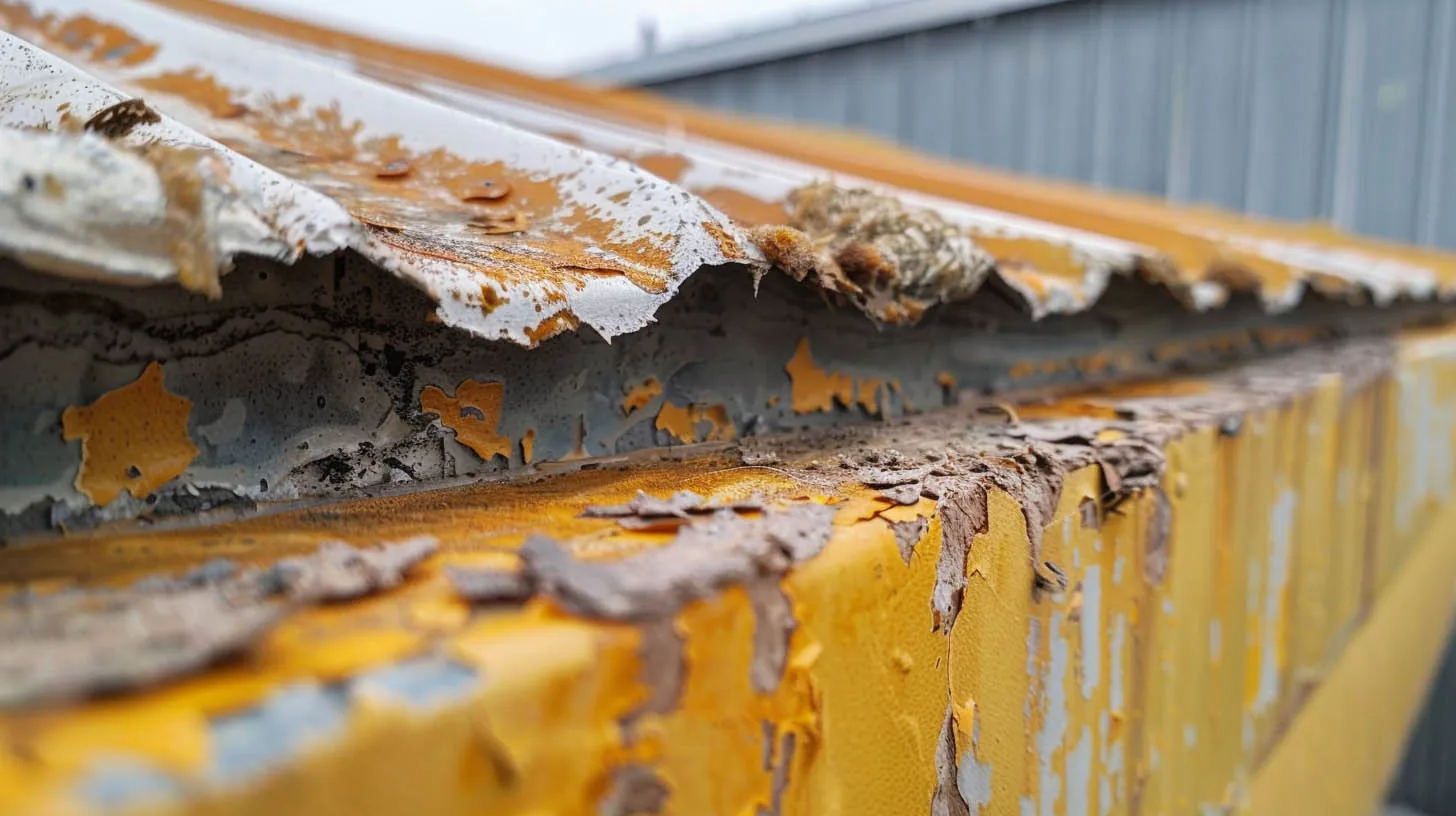
Surface color or chalking can be visible without showing whether a membrane has lost bond, cracked, or opened at a detail. We inspect accessible sections for splits, seam movement, exposed reinforcement, coating wear, fastener condition, and soft or wet areas that may need testing. The report marks where a condition appears and whether it is isolated or repeated. We avoid turning one brittle edge or one interior stain into a conclusion about the whole roof. If the assembly or age is unknown, we identify the records or test opening that would help resolve it.
Frisco's 2025 business-park category is predominantly nonresidential and includes office, modern-industry, warehouse, distribution, and showroom possibilities where zoning and truck routes allow. A land-use category cannot identify a roof assembly. We verify whether the property has membrane, metal, insulation, or an existing coating, then distinguish surface wear from an opening. Where a lap has separated, the seam repair assessment records that defect on its own. The storm record remains separate from slow material change.
Plan Roof Work for Heat and Material Requirements
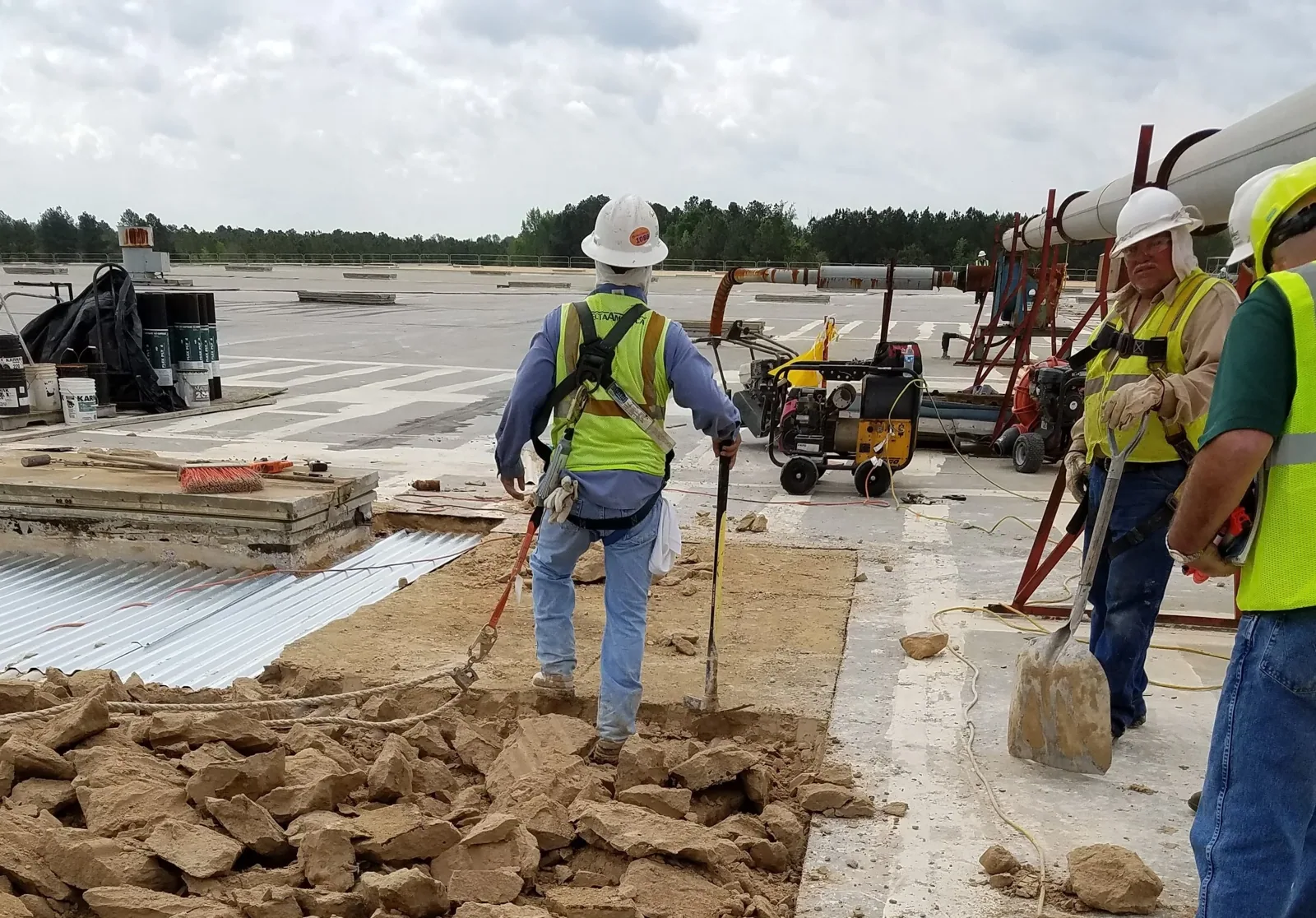
Repair products and roof materials have installation requirements that depend on their chemistry and the conditions at the surface. Before work, we check whether the substrate is dry and clean, confirm the selected product matches the existing assembly, and define the size of any area opened during the shift. Hot surfaces can affect crew pace and handling, so the work plan identifies a safe time window, rest and water access, and the point where work pauses if conditions change. We do not use a citywide temperature normal as a substitute for measuring or observing the roof on the day.
For a work window, the roof surface, chosen product, and condition beneath the repair all matter. We confirm the substrate is clean and dry, agree on a section limit, and set a stop point if the surface or concealed layer differs from the scope. The property contact supplies the correct hatch, loading entrance, security steps, and hours for the crew. If a shift ends before the section closes, the plan names who checks temporary protection and when the area can reopen. This keeps installation conditions tied to the actual material rather than to a regional calendar alone.
Check Moisture before Adding a Surface Layer
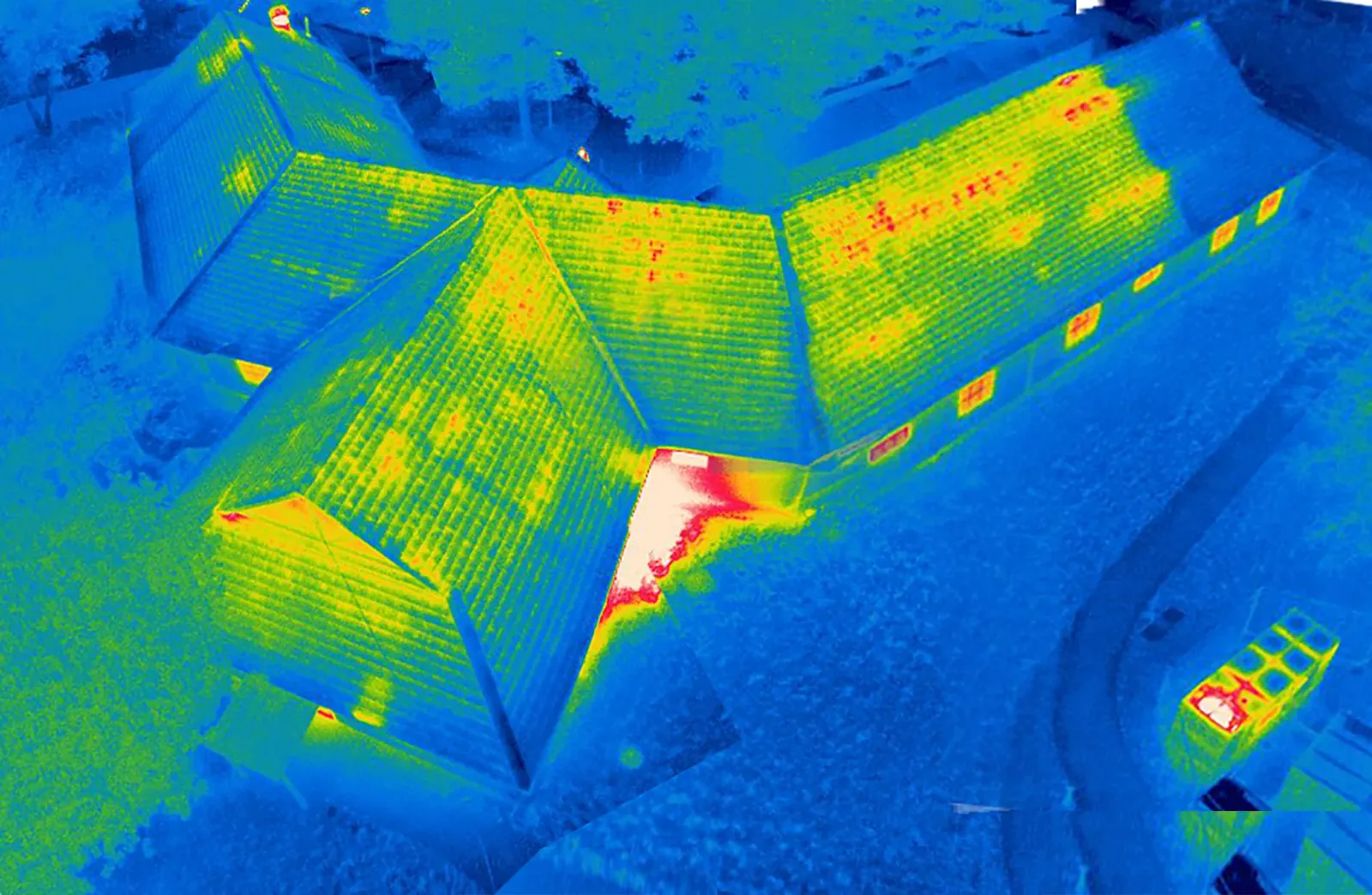
Sun exposure and heat may be part of a roof's history, but a wet insulation layer or trapped moisture changes what can be repaired. We review interior reports, roof drains, seams, penetrations, and any location where the membrane has opened. If a broader survey could narrow the test area, we explain what an infrared moisture survey can and cannot show. The assembly and conditions must support useful readings, and a test opening may still be needed to verify material. We map confirmed wet areas and ask for approval before removal exceeds the original boundary.
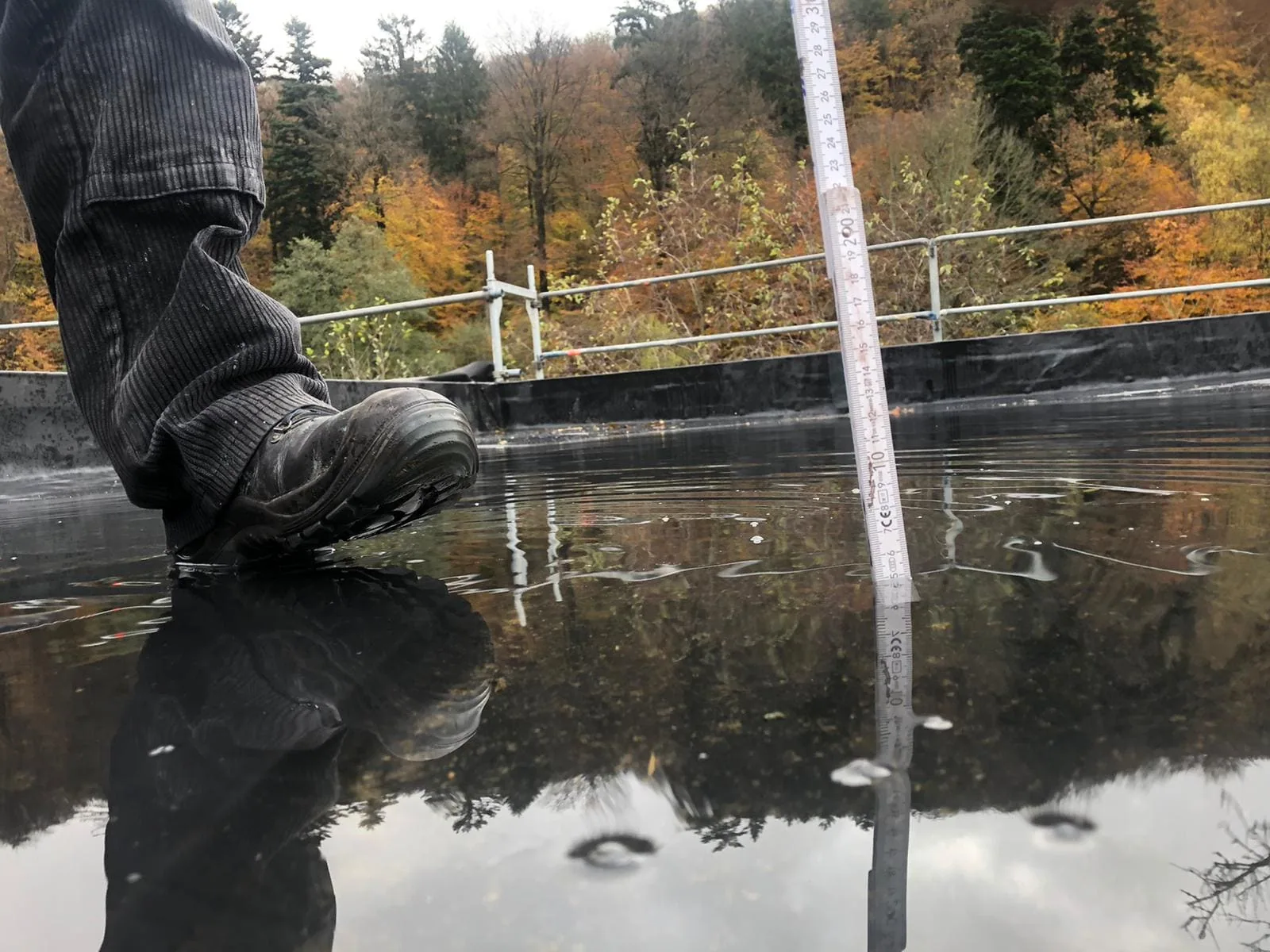
DFW's climate normals average 37.01 inches of precipitation each year, with 4.78 inches in May. These regional totals do not establish moisture in an individual roof, so we inspect drains, laps, penetrations, and any confirmed interior report. The report separates wet insulation from sun-related surface wear. When water remains in a low section, a ponding-water review can document slope and outlet conditions; an active entry may need commercial leak repair before a wider surface decision.
Compare Repair, Coating, and Replacement by Evidence
A localized repair can be appropriate where the membrane remains sound around a defined split or detail. Restoration may be worth evaluating when a broader roof area has compatible conditions, while replacement can address assemblies or insulation that cannot reasonably be retained. We identify the work boundary, preparation, drainage details, curb transitions, and any test needed before coating or covering existing material. A coating is not a fix for an unaddressed wet substrate or unstable membrane. Each option is priced with its own assumptions, preparation, and exclusions so the owner can compare scope rather than a headline material alone.
The Downtown Rail District includes historic commercial buildings and reinvestment planning; North Platinum has larger mixed-use and corporate project contexts. Those broad settings may affect staging and operating hours, but do not set an appropriate treatment. We verify the roof condition at the property. If coating is supported by the assembly, a roof coating restoration scope can explain preparation and limits. A replacement comparison can describe removal and new system work separately. Neither is recommended solely because a roof has spent time in summer sun.
Record Findings for the Next Maintenance Cycle
After repair or restoration, the owner receives the inspected sections, dated photos, product and preparation details, and any test results included in the approved scope. We note areas not accessed, conditions not opened, and remaining questions. This record helps maintenance staff compare future changes with the condition documented today. If rooftop equipment service contributed to repeated wear, we can mark the access path and suggest a protection measure for the property team to review.
A roof condition report can organize the map and follow-up items. Frisco's mobility network includes Dallas Parkway frontage roads and US 380, but local site access still needs confirmation by the owner. A preventive maintenance visit can check drains, seams, flashing, and repaired sections on a future schedule. The inspection interval should follow the roof's documented condition and operating needs, not the regional temperature normal alone. The record should let an owner distinguish surface aging, confirmed water entry, completed work, and areas that still require observation.
Commercial Roofing Questions
Do hot summers mean a commercial roof needs replacement?
No. Regional temperature normals do not show an individual roof's age, assembly, or condition. We inspect membrane, details, insulation, and repair history before comparing localized repair, restoration, and replacement.
Can a coating correct heat-related surface wear?
Only when the existing assembly and substrate meet the selected system requirements. We check moisture, adhesion, preparation, and details first. Wet or unstable materials may need testing or removal rather than a new surface layer.
How do you tell heat aging from storm damage?
We map the visible condition and compare it with roof records and the reported timeline. Surface brittleness, seam movement, impact marks, and openings are documented separately where the evidence supports that distinction.
Can repair work proceed during a hot afternoon?
The crew checks actual surface and product conditions, safe access, and the approved work window. If the material or crew conditions are unsuitable, we protect the area and reschedule rather than leave an open section.
What should a maintenance report preserve?
It should identify inspected sections, photos, preparation and material, repairs, moisture findings, and inaccessible or untested areas. That lets the next visit compare actual changes instead of relying on a general note that the roof is aging.